
Squatting remains the undisputed cornerstone of alpine strength and conditioning, serving as the primary functional movement for athletes seeking to improve their performance on the slopes while mitigating the risk of debilitating injuries. While the traditional back squat is often cited as the gold standard for lower body development, fitness professionals and sports physiologists increasingly advocate for a diversified approach to leg training. By incorporating specialized squat variations, skiers can target the specific biomechanical demands of downhill racing, mogul navigation, and backcountry touring, ensuring that the glutes, quadriceps, hamstrings, and hip stabilizers are prepared for the high-velocity eccentric loads and multi-planar forces encountered in the mountains.
The necessity of these variations stems from the physiological principle of progressive overload and the prevention of muscular complacency. When an athlete repeats the same movement pattern indefinitely, the central nervous system and muscular fibers adapt, leading to a plateau in strength gains and a decrease in metabolic efficiency. For the skier, this plateau can manifest as premature fatigue during long descents or a lack of explosive power when initiating turns on hard-packed ice. Furthermore, skiing is rarely a symmetrical activity; it requires constant micro-adjustments and unilateral stability. Therefore, a training program that relies solely on bilateral, sagittal-plane movements—like the standard bodyweight squat—fails to address the complex stability requirements of the sport.
The Biomechanics of Skiing and the Role of the Squat
To understand why squat variations are essential, one must examine the forces at play during a typical day on the mountain. Alpine skiing involves high levels of eccentric muscle tension, where muscles lengthen under load as the skier resists gravity and centrifugal force throughout a turn. Research in sports science indicates that elite skiers can experience forces exceeding three times their body weight during high-speed carving. This requires not just raw strength, but "functional robustness"—the ability of the musculoskeletal system to maintain structural integrity under varying angles and pressures.
The primary muscle groups involved in these actions are the quadriceps (responsible for knee extension and shock absorption), the glutes (the engine for hip stability and power), and the hamstrings (which protect the anterior cruciate ligament, or ACL, by counteracting the forward pull of the tibia). By altering the stance, load placement, and tempo of a squat, an athlete can shift the emphasis between these muscle groups, effectively "bulletproofing" the joints and enhancing overall power output.
Technical Breakdown: Specialized Squat Variations
Professional trainers have identified several key variations that translate directly to improved on-snow performance. These exercises move beyond simple vertical displacement and challenge the athlete’s balance and unilateral strength.
The Goblet Squat: Focus on Adductors and Depth
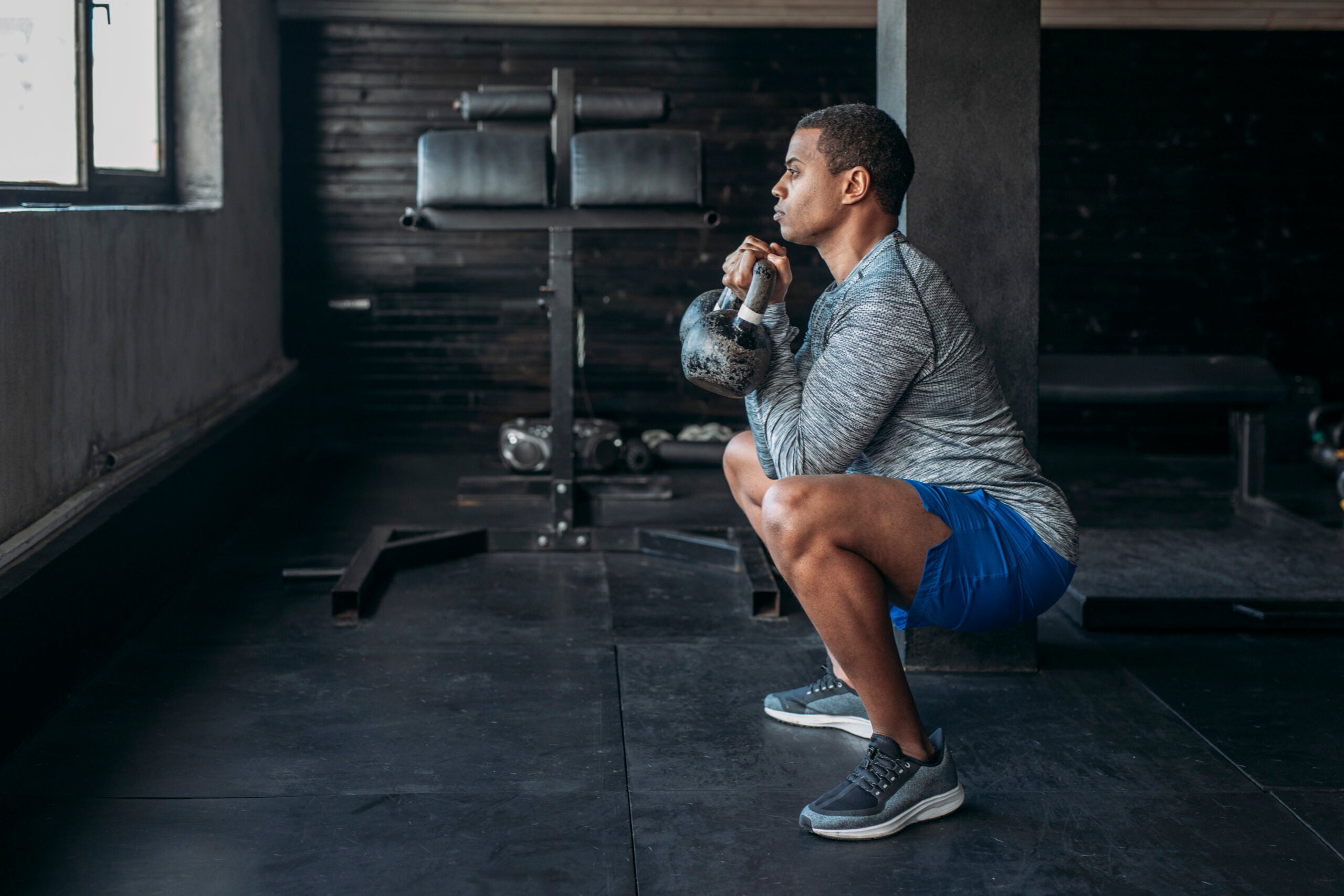
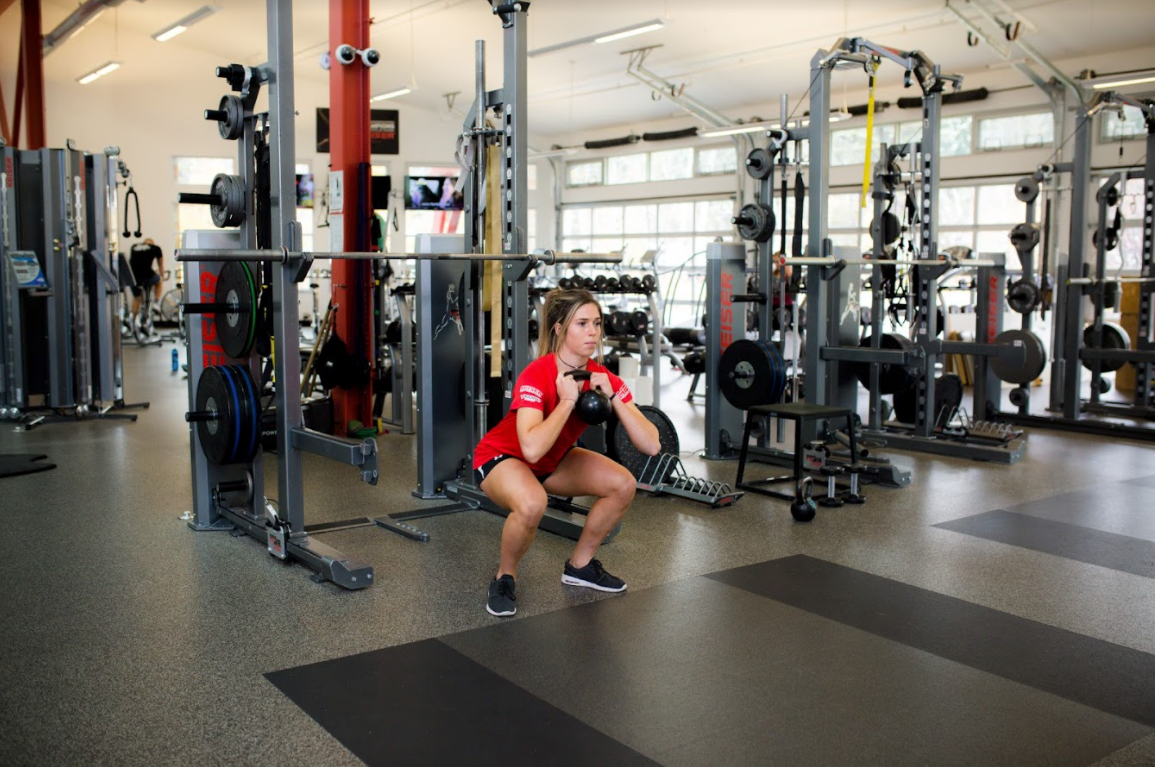
The Goblet Squat is often the first progression from a standard bodyweight squat. By holding a weight—typically a kettlebell or dumbbell—at chest height, the athlete shifts their center of mass, allowing for a more upright torso and deeper hip flexion. This variation is particularly beneficial for skiers due to its emphasis on the adductor muscles of the inner thighs.
To perform the Goblet Squat for skiing preparation, the athlete should adopt a wider-than-shoulder-width stance with the toes externally rotated. As the athlete descends, the elbows should track inside the knees, facilitating a deep stretch and engagement of the hip complex. This wide, externally rotated position mimics the "power stance" required for stability in variable snow conditions. Maintaining an upright chest during this move also forces the core and erector spinae to engage, providing the trunk stability necessary to remain balanced over the skis.
The TRX-Assisted Pistol Squat: Developing Unilateral Power
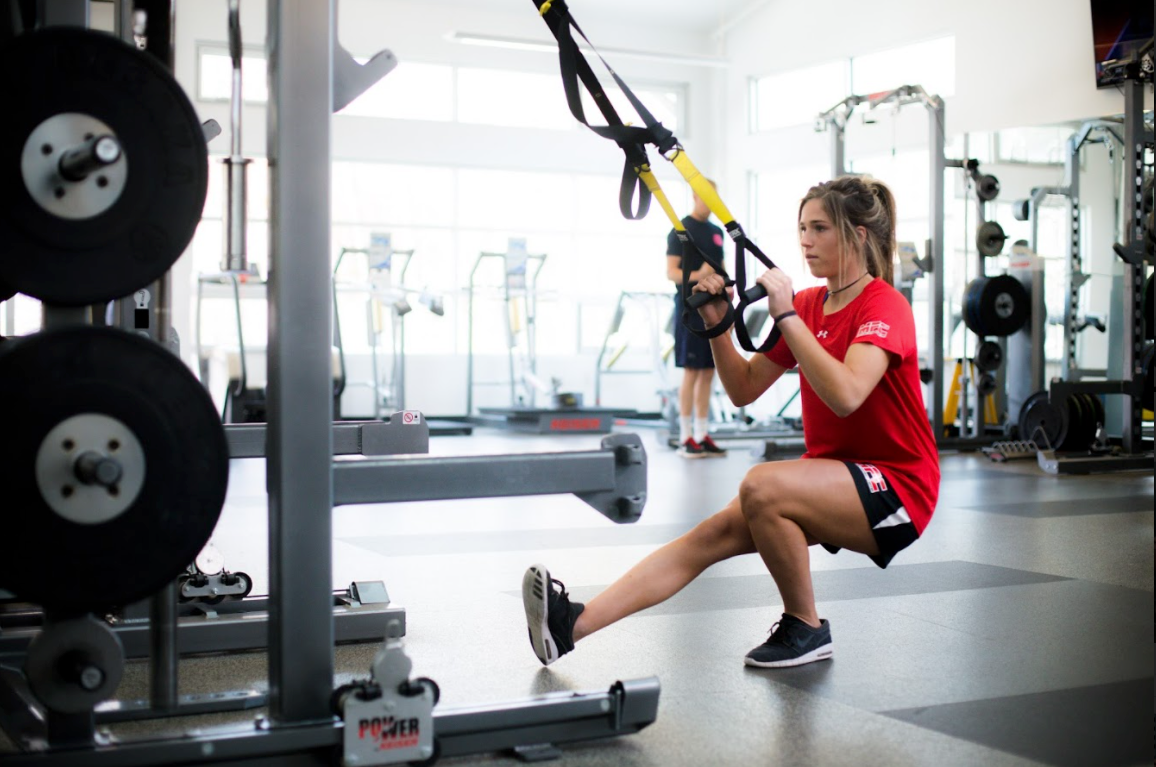
Single-leg strength is perhaps the most critical attribute for a skier, as weight is constantly shifting from the uphill to the downhill ski. The "Pistol Squat," or single-leg squat, is a high-level gymnastic and strength feat that requires immense balance and ankle mobility. For many athletes, the TRX-assisted version serves as an essential bridge to mastery.
By using the TRX suspension trainer for balance and slight assistance, the athlete can focus on the eccentric phase of the movement—lowering themselves slowly on one leg while the other remains extended forward. This move isolates the quadriceps and glutes of the working leg, forcing the stabilizing muscles around the knee and ankle to fire rapidly to maintain alignment. This proprioceptive demand directly replicates the sensation of recovering from a "bobble" or hitting an unexpected bump on the trail.
The Eccentric Pistol Squat: Injury Prevention Through Negative Work
While the TRX version provides assistance, the Eccentric Pistol Squat focuses specifically on the "lowering" phase of the exercise. In this variation, the athlete lowers themselves on one leg with a controlled, four-to-six-second tempo, then uses both legs to return to a standing position.
The emphasis on eccentric contraction is backed by significant clinical data regarding injury prevention. Most non-contact ACL tears in skiing occur when the quadriceps are unable to handle the sudden deceleration or "negative" load of a landing or a sharp turn. By training the muscles to handle slow, controlled eccentric stress, the athlete builds thicker connective tissue and increases the "braking" capacity of the legs, which is the primary defense against ligamentous injury.
Front-Loaded Squats: Quadriceps Dominance and Core Integration
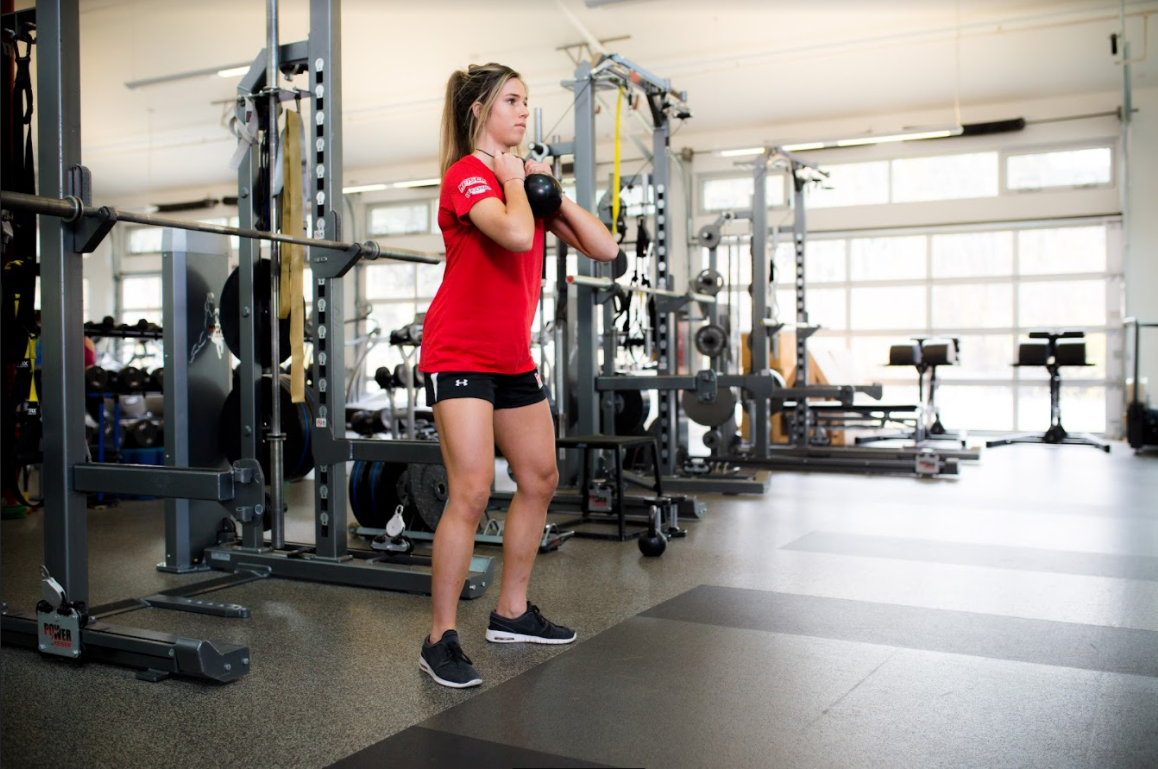
Loading the weight in front of the body, whether via dumbbells or a barbell in the "front rack" position, places a higher demand on the quadriceps compared to the traditional back squat. For skiers, who often operate in a forward-leaning athletic stance, this quad-dominant variation is highly specific to their sport.
Front squats require the athlete to maintain a strictly vertical spine to prevent the weight from pulling them forward. This necessitates intense activation of the core and the upper back (thoracic extensors). In the context of a long ski season, a strong core ensures that the skier can maintain their "athletic crouch" for longer durations without experiencing the lower back fatigue that often leads to poor form and subsequent injury.
Chronology of a Pre-Season Strength Program
The implementation of these exercises should follow a logical progression leading up to the winter months. Performance coaches generally recommend a three-phase approach to ski-specific conditioning:
- The Hypertrophy and Foundation Phase (May–August): Focus on the Goblet Squat and traditional variations to build lean muscle mass and improve joint mobility.
- The Strength and Stability Phase (September–October): Introduction of the TRX Pistol Squat and Front-Loaded Squats. The goal here is to increase the load and challenge the athlete’s balance.
- The Power and Injury Prevention Phase (November–December): Emphasis on Eccentric Pistol Squats and explosive, plyometric movements. This phase ensures the nervous system is primed for the high-impact nature of opening day.
Supporting Data: The Impact of Strength Training on Alpine Safety
Data from the National Ski Areas Association (NSAA) and various sports medicine journals suggest that lower body fatigue is a contributing factor in nearly 70% of skiing-related accidents occurring after 2:00 PM. As muscles tire, they lose their ability to stabilize the knee joint, leaving the ligaments to absorb the forces of motion.
A study published in the Journal of Strength and Conditioning Research found that athletes who engaged in an 8-week program focused on eccentric loading and unilateral stability showed a 25% increase in "time to exhaustion" during simulated downhill skiing tests. Furthermore, these athletes demonstrated significantly better knee alignment (reduced valgus collapse) during landing tasks, a key indicator of reduced ACL risk.
Broader Implications and Long-Term Athletic Longevity
The adoption of these squat variations extends beyond mere performance enhancement; it speaks to the broader trend of "pre-habilitation" in the fitness industry. By treating the off-season as a period of structural fortification, skiers can extend their "skiing lifespan," remaining active into their later decades.
Industry experts, including strength coaches for national teams, emphasize that the goal of off-season training is to create a "functional reserve." This reserve allows a skier to handle the unexpected—a hidden rock, a patch of blue ice, or a heavy powder day—without pushing their physical capacity to the breaking point.
In conclusion, while the standard squat is a valuable tool, it is the diversity of movement provided by Goblet, Pistol, and Front-Loaded variations that truly prepares the body for the rigors of the mountain. By challenging the muscles in different planes of motion and focusing on the critical eccentric phase of movement, skiers can ensure they arrive at the lodge at the end of the day with strength to spare, rather than finishing their season in a physical therapy clinic. The integration of these moves represents a sophisticated, evidence-based approach to one of the world’s most demanding recreational and professional sports.
