
Published on February 19, 2026, at 08:45 AM, a comprehensive evaluation of budget ski goggles has concluded that exceptional performance no longer requires a premium price tag. After rigorous testing of 12 models priced under $100, the Goodr Snow G has emerged as the top recommendation, praised for its clear optics, magnetic lens change system, and inclusion of a bonus lens, all while maintaining an accessible price point. This development comes as welcome news to winter sports enthusiasts facing escalating costs across all aspects of skiing, from lift tickets to lodging, making value-driven gear more critical than ever.
The Evolving Landscape of Ski Gear: Value Meets Performance
The financial commitment required for a day on the slopes has steadily climbed, pushing many skiers and snowboarders to seek cost-effective alternatives for essential equipment. Historically, high-performance ski goggles, boasting advanced features like sophisticated anti-fog coatings, superior scratch resistance, and expansive fields of view, were exclusively found in the upper echelons of pricing, often commanding several hundred dollars. However, recent advancements in manufacturing and increased competition have democratized technology, leading to a significant uplift in the quality and feature set of budget-friendly ski goggles. Today’s sub-$100 options deliver reliable clarity, robust UV protection, and sustained comfort, often rivaling the performance of their more expensive counterparts in crucial areas. This market shift not only benefits budget-conscious consumers but also broadens accessibility to winter sports, inviting new participants who might otherwise be deterred by prohibitive equipment costs.
Industry analysts attribute this trend to several factors, including the maturation of optical technologies, more efficient production processes, and brands recognizing the vast market potential in the value segment. What was once considered "entry-level" gear now often incorporates innovations that were cutting-edge just a few seasons prior. This evolution underscores a broader movement within the outdoor gear industry towards making high-quality, durable equipment available to a wider audience without significant compromise on core functionalities.
The Rigorous Testing Protocol: Performance Under Pressure
To identify the best budget ski goggles, a dedicated team of testers embarked on an extensive evaluation during the early 2026 ski season in the challenging and diverse conditions of the Teton mountain range, specifically at Jackson Hole Mountain Resort, Wyoming, and across Teton Pass. This testing period, characterized by an unpredictable mix of cold, clear bluebird days, heavy snowstorms, and even unseasonable rain, provided an ideal proving ground for goggle performance.
Twelve different models, all priced under $100, were subjected to a series of stringent tests designed to assess their capabilities across critical performance metrics:
- Optical Clarity and Contrast: Testers meticulously evaluated how well each lens rendered terrain features, shadows, and changes in snow conditions across various light levels. This included assessing the goggles’ ability to enhance contrast in flat light and reduce glare on bright, sunny days.
- Anti-Fog Performance: A primary concern for any goggle, anti-fog capabilities were tested through rapid temperature changes, high-exertion activities (like hiking for backcountry turns), and humid conditions inside gondolas and during wet storms. Testers paid close attention to the longevity and effectiveness of anti-fog treatments.
- Fit and Comfort: Goggles were worn for full days on the mountain, allowing testers to assess the feel of the face foam against the skin, pressure points, and overall comfort over extended periods. Compatibility with various helmet designs was also a key consideration, ensuring a seamless interface that prevents gaps and drafts.
- Durability and Scratch Resistance: While not subjected to intentional abuse, goggles were handled and used as they would be by a typical skier, with testers noting any signs of premature wear, scuffing, or lens degradation.
- Lens Interchangeability: For models offering swappable lenses, the ease, speed, and security of the changing mechanism were thoroughly evaluated, particularly in cold, gloved conditions. The practicality of carrying and protecting spare lenses was also considered.
By subjecting each pair to these real-world scenarios, the testing team aimed to provide an objective, data-driven assessment of how these budget goggles stack up against the demands of diverse mountain environments, offering skiers and riders confidence in their purchasing decisions.
Deep Dive: The Top Contenders in Budget Ski Goggles
The comprehensive testing revealed several standouts that redefine expectations for affordable ski eyewear.
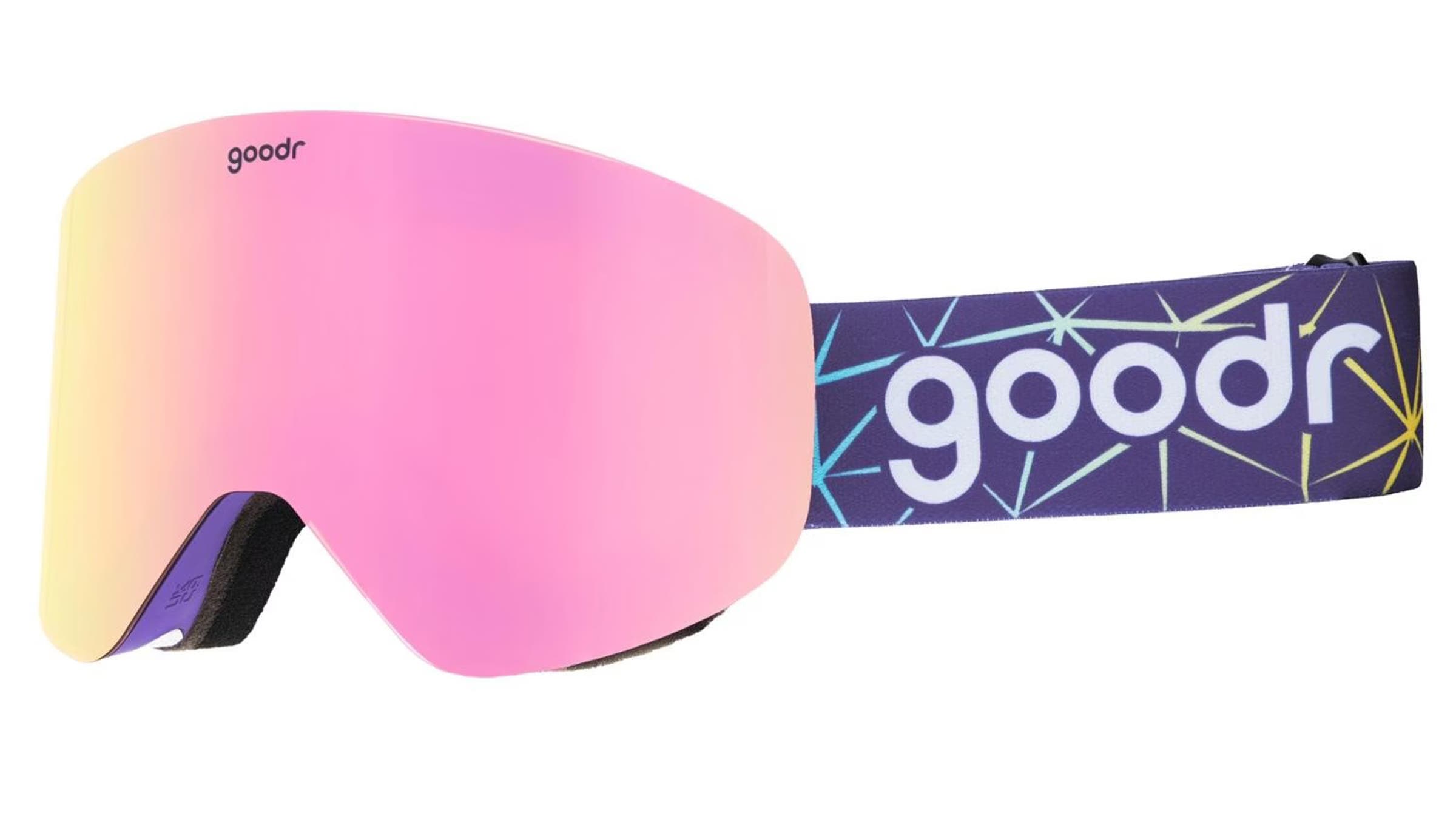
Goodr Snow G: The Overall Champion
- Fit: Medium
- Lens shape: Cylindrical
- Pros: Magnetic lens swap system, includes bonus lens, comes with soft and hard cases.
- Cons: Testers with smaller faces found the fit too large.
The Goodr Snow G goggles represent a significant disruption in the budget goggle market. Goodr, a brand renowned for delivering high-quality, low-price sunglasses, extended its philosophy to ski goggles in winter 2023, instantly challenging the notion that magnetic lens swap systems are exclusive to premium models. Priced at just $75, the Snow G offers an impressive array of features, including exceptionally clear, high-contrast lenses that astonished testers given the price point. Available in three distinct colorways and lens tints—Apres All Day, Bunny Slope Dropout, and Here for the Hot Toddies—each model delivers consistent optical quality. The inclusion of a bonus lens, along with both a soft and hard case, further enhances its value proposition. A grippy silicone-backed strap ensures a secure fit over helmets, solidifying its position as the top choice for overall performance and value.
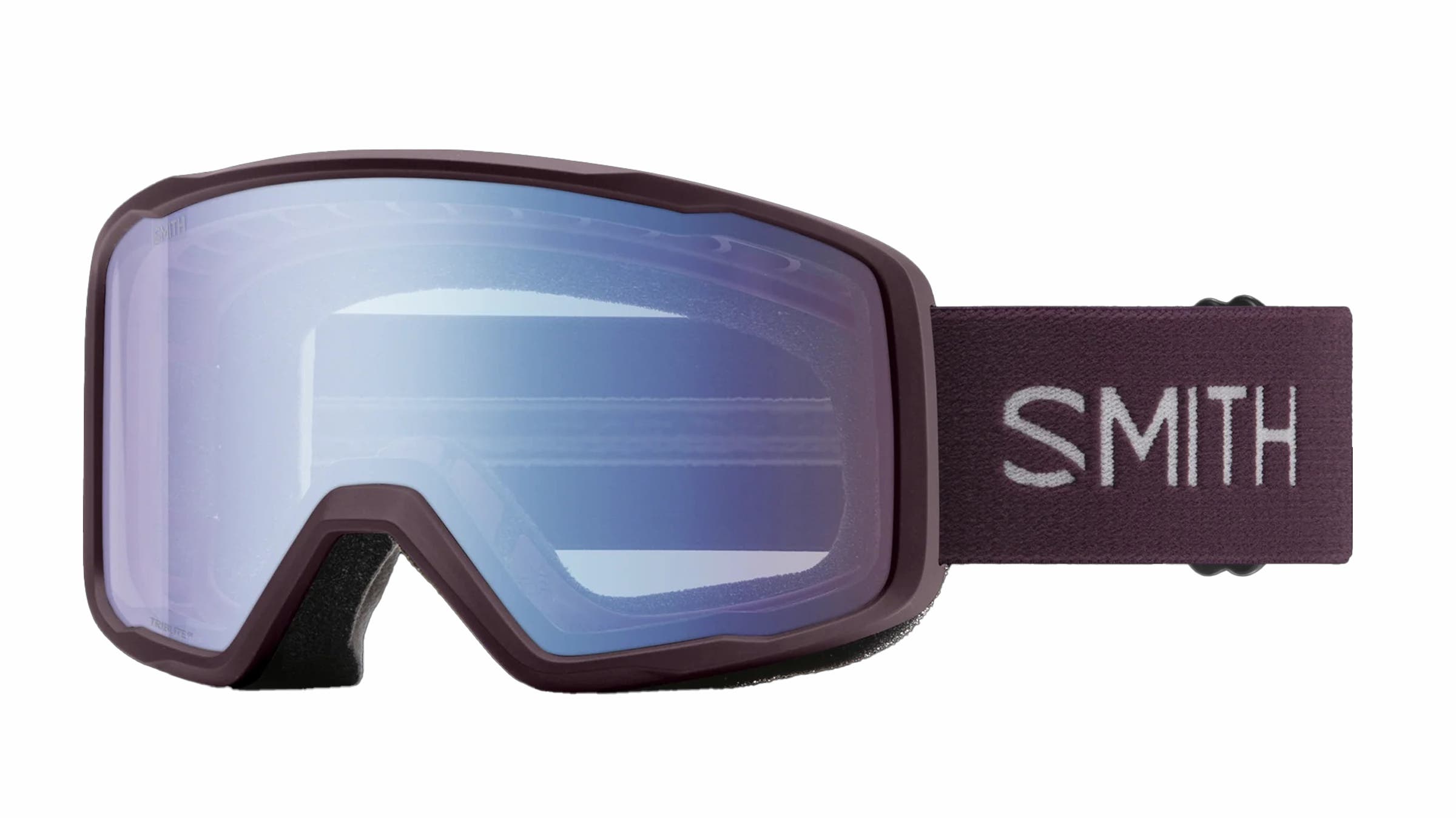
Smith Tribute: Unbeatable Value
- Fit: Small
- Lens shape: Cylindrical
- Pros: Very affordable, solid anti-fog treatment, removable lens (extra lens not included).
- Cons: Small frame was limiting for many testers.
At a price comparable to a meal at a major resort, the Smith Tribute goggles offer remarkable performance trip after trip. These low-profile goggles were found to be an excellent fit for smaller faces, yet they provided a surprisingly expansive field of view. The internal lens featured an effective anti-fog treatment, maintaining crystal-clear vision throughout a stormy day at Jackson Hole Mountain Resort. Dual-layer face foam delivered sustained comfort, and the silicone-backed strap remained securely in place, even during aggressive turns through moguls. While a second lens is not included, the Tribute’s lens is easily removable via a button system, allowing for future upgrades or swaps. The Red Sol-X Mirror lens tested proved ideal for bright, bluebird conditions, but for more variable weather, the RC36 lens is recommended for its versatility.
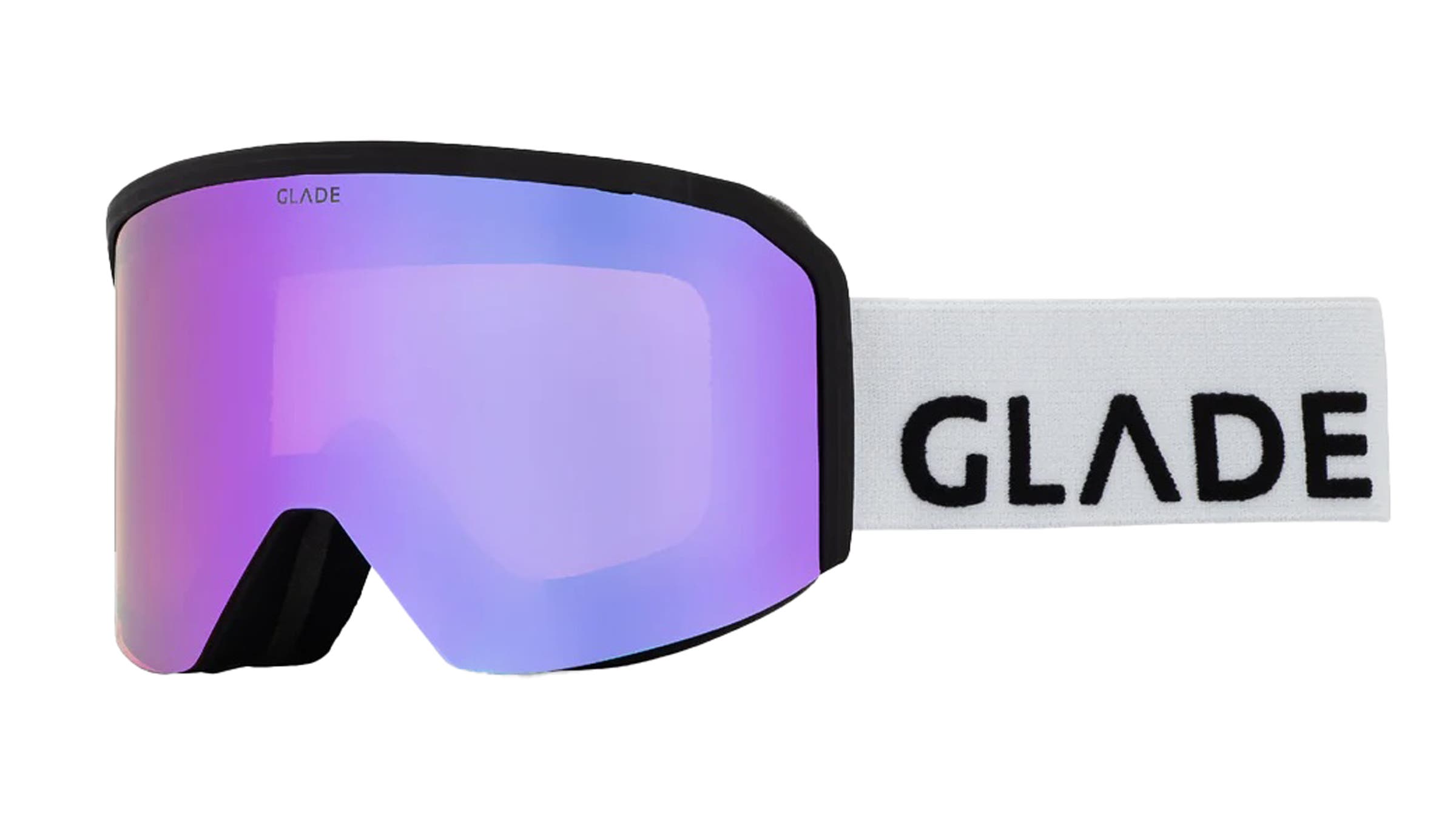
Glade Mesa: Versatility Redefined
- Fit: Medium
- Lens shape: Cylindrical
- Pros: Medium frame fits most users, interchangeable lens system ideal for varied conditions.
- Cons: Most expensive option in this category, lens swapping requires some finesse.
Nearing the $100 threshold, the Glade Mesa confidently competes with goggles in higher price brackets. A standout feature for this price point is the inclusion of a spare low-light lens, enhancing its adaptability across different weather conditions. An active ventilation system effectively prevented fogging, even during warm gondola rides and through wet snowstorms. The medium sizing proved highly adaptable, accommodating a broad range of face shapes, from smaller to slightly larger. While its button-based lens swapping system isn’t as seamless as magnetic designs, it is reliable and a minor trade-off for the overall value. The Mesa is available in a wide selection of lens colors, allowing users to select a tint best suited to their local mountain’s typical conditions.
Salomon S/View 3 ML: Expansive Vision on a Budget
- Fit: Medium
- Lens shape: Cylindrical
- Pros: Large field of view, medium frame fits most faces, unique strap design.
- Cons: Included lens not ideal for ultra-sunny days.
The Salomon S/View 3 goggles defy typical budget goggle conventions, particularly regarding their expansive field of view. Budget models often feature smaller frames and more restricted sightlines, but the S/View 3’s semi-frameless design creates a surprisingly wide visual experience for a medium-fit goggle. Salomon’s triple-layer face foam provided a snug and comfortable fit throughout the day, while the multilayer lens delivered solid clarity and fog-free performance even in stormy conditions. The only minor limitation noted by testers was that the included lens, while effective in mixed conditions, was not quite dark enough to offer optimal protection on intensely bright, bluebird days.
Scott Goggle Factor Pro: Tailored for Smaller Faces
- Fit: Small/medium
- Lens shape: Cylindrical
- Pros: Solid venting for storm days, comfortable face foam.
- Cons: Small frame does not fit larger faces.
As a more compact iteration of Scott’s highly popular Shield goggles, the Factor Pro stands strong on the mountain, offering both a comfortable fit and an impressively wide field of view for its size. While not recommended for individuals with larger faces, its streamlined frame effectively maximizes sightlines through its cylindrical lenses. The plush two-layer face foam garnered universal praise for its comfort, and the thick, silicone-backed strap remained securely in position, integrating flawlessly with various helmet designs. Testers utilized the AMP black chrome S3 lenses, which proved excellent for bright, sunny conditions. For those seeking greater adaptability, the S2 lens option is recommended for its balanced performance across sun and clouds. With 18 color and lens combinations, the Factor Pro offers considerable customization.
Giro Moxie: Performance Designed for Women
- Fit: Small/medium
- Lens shape: Spherical
- Pros: Excellent peripheral vision for a small frame, includes bonus lens and easy swapping system.
- Cons: Small frame does not fit larger faces.
The Giro Moxie goggles are an outstanding choice for women or anyone with a smaller facial profile, incorporating much of the advanced technology found in Giro’s premium eyewear. This includes Giro’s Expansion View (EXV) Technology, which enhances peripheral vision by strategically trimming down the frame edges, and a vital anti-fog coating for challenging stormy days. While designed with an over-the-glasses (OTG) fit to accommodate prescription eyewear, the additional interior volume also benefits non-glasses wearers by providing improved airflow. Testers primarily used the Amber S2 lens, which excelled in mixed sun and cloud conditions. Furthermore, the Moxie comes with a bonus S1 low-light lens, which is easily swappable for night skiing or severe storm days, making it a highly versatile option.
Expert Guidance: Choosing Your Ideal Ski Goggles
Selecting the right pair of ski goggles is crucial for both safety and enjoyment on the slopes. Beyond price, several factors should guide your decision.
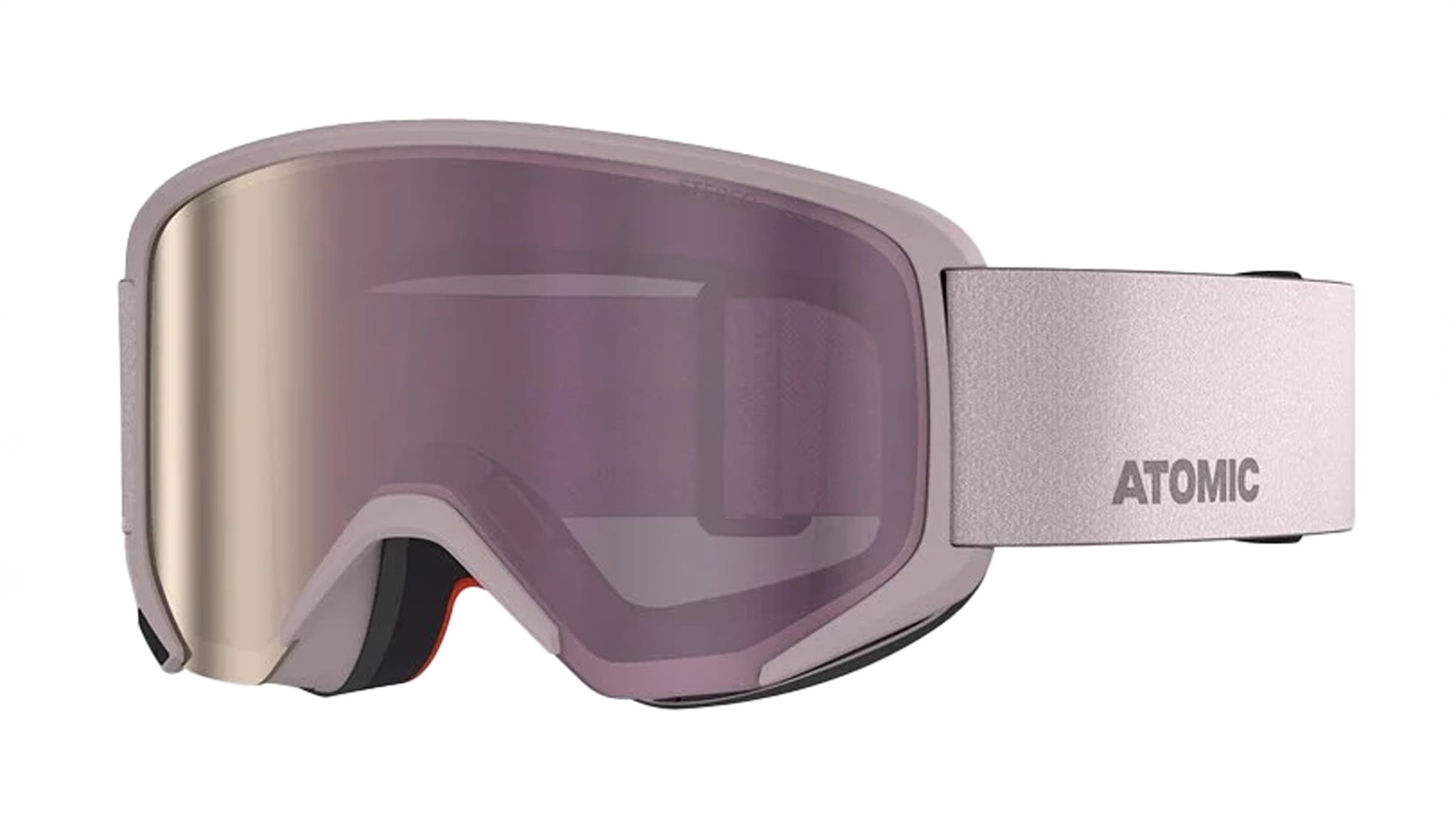
Frame Size and Fit: The Foundation of Comfort
The importance of goggle fit cannot be overstated. An ill-fitting goggle, regardless of its advanced features, will compromise comfort, vision, and anti-fog performance. Ski goggle sizing varies significantly between manufacturers (typically small, medium, or large frames). Ideally, prospective buyers should try goggles on in person to ensure a proper seal around the face without uncomfortable pressure points or gaps. Critical to this is ensuring compatibility with your existing helmet; a seamless integration, known as "goggle gap" prevention, is vital for optimal comfort and to prevent cold air from entering, which can lead to fogging. The goggle strap should fit securely around the helmet without excessive tension or slippage.
Lens Shapes: Cylindrical vs. Spherical
When browsing budget ski goggles, you will primarily encounter two lens shapes, each with distinct optical and aesthetic characteristics:
- Cylindrical Lenses: These lenses curve horizontally across the face but remain flat vertically. They are generally more affordable to produce and are common in the budget category. While they offer a wide field of view laterally, the flatter vertical profile can sometimes lead to slight optical distortion at the edges of the lens. However, modern cylindrical lenses have significantly reduced this effect, offering excellent clarity for most skiers.
- Spherical Lenses: These lenses curve both horizontally and vertically, mimicking the curvature of the human eye. This spherical shape typically provides a wider peripheral vision and reduces optical distortion, offering a more natural, undistorted view. The increased internal volume also contributes to better airflow, potentially reducing fogging. While historically more expensive, some budget models are beginning to incorporate spherical designs, offering a premium feel at a lower cost.
For budget options, cylindrical lenses often provide excellent performance, and the choice largely comes down to personal preference for aesthetics and subtle differences in peripheral vision.
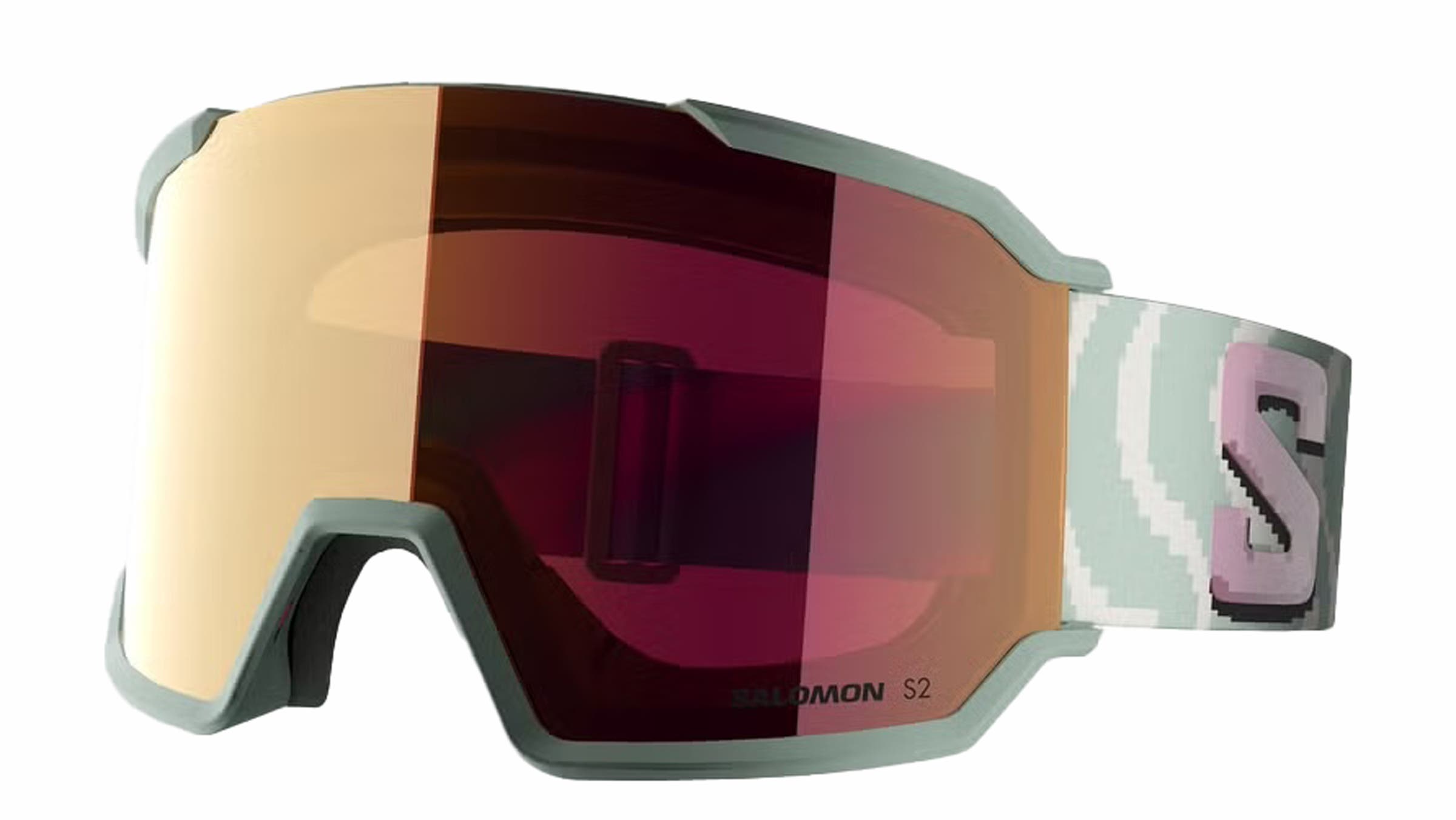
Understanding Lens Tints and VLT
Most budget ski goggles under $100 typically include a single lens, making the selection of the appropriate lens tint paramount for your predominant skiing conditions. Lens tint is directly related to Visible Light Transmission (VLT), which indicates the percentage of light that passes through the lens.
- High VLT (e.g., 60-90%): Lighter tints (clear, yellow, rose) are ideal for low-light conditions such as heavy storms, overcast days, fog, or night skiing. They maximize the light reaching your eyes, enhancing contrast.
- Medium VLT (e.g., 25-50%): Versatile tints (amber, bronze, rose copper) are excellent all-around choices for mixed conditions, performing well on partly cloudy days with intermittent sun.
- Low VLT (e.g., 5-20%): Darker tints (grey, black, mirrored) are best for bright, sunny, bluebird days, as they block more light and reduce glare.
If you ski in a wide range of conditions and your chosen goggle does not include an interchangeable lens system, a mid-range VLT tint is often the most practical compromise. While premium goggles may offer photochromic lenses (which automatically adjust their tint based on UV light exposure), this technology is generally not found in the sub-$100 category.
Durability and Care: Maximizing Your Investment
The primary distinction between budget and expensive ski goggles often lies in the sophistication and number of lens technologies. While all budget goggles on this list offer full UV protection (a non-negotiable safety feature), higher-priced models typically incorporate advanced features like multiple anti-scratch coatings, oleophobic (oil-repelling) treatments, and more complex anti-fog systems.
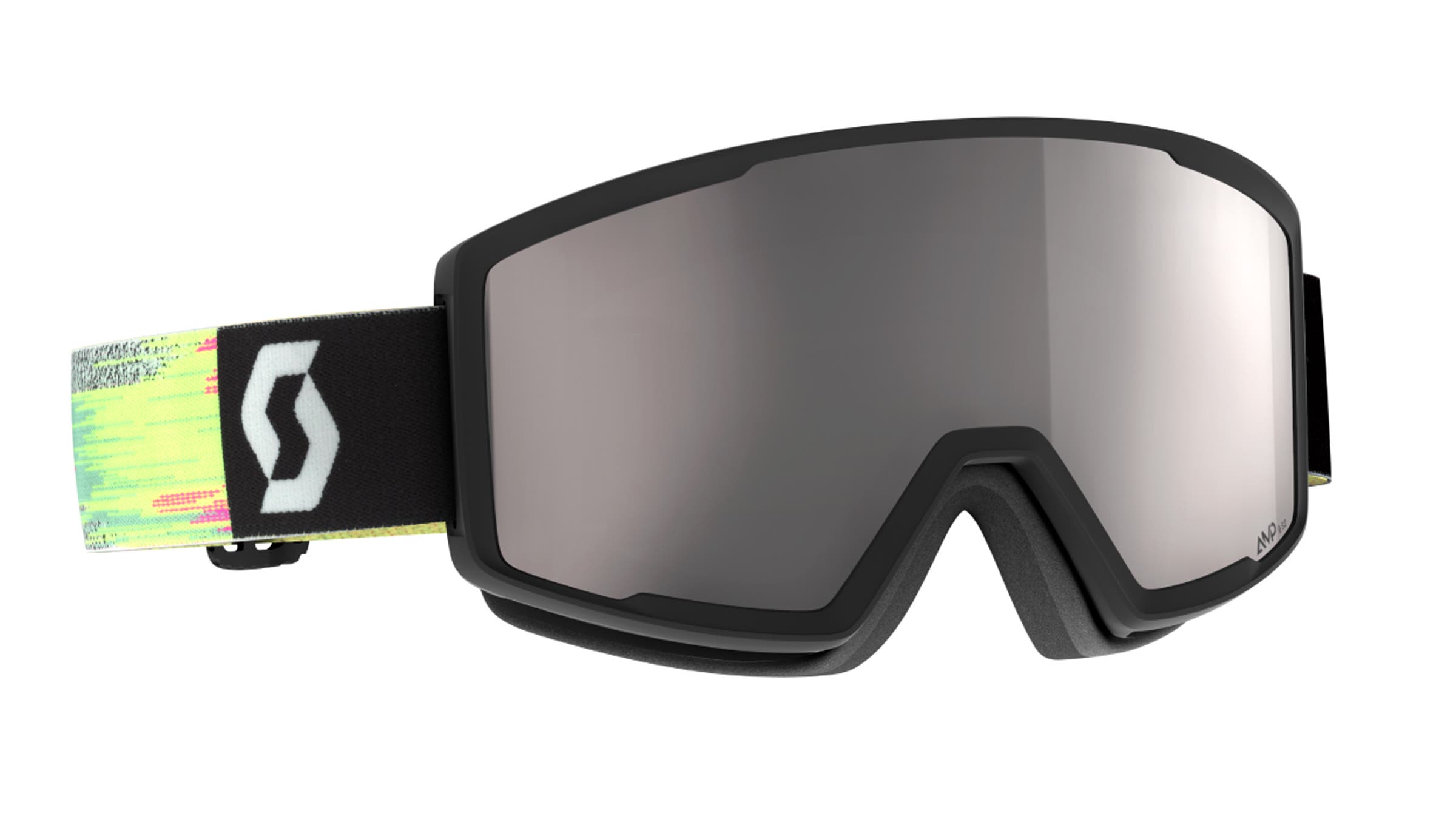
Budget goggles, while robust, may use less expensive materials or fewer layers of protective coatings. This means that proper care is even more crucial to ensure their longevity. Always store your goggles in their provided microfiber bag when not in use to protect the lens from scratches. Avoid wiping the inner lens, especially when wet, as this can damage the anti-fog coating. Instead, let them air dry. Handle them with care to prevent drops and impacts. With diligent maintenance, even the most affordable goggles can deliver solid performance for many seasons, offering a remarkable return on investment compared to their premium counterparts.
The Broader Implications: Accessibility in Winter Sports
The advent of high-quality, feature-rich budget ski goggles marks a significant positive development for the winter sports community. By making essential gear more affordable, brands are actively lowering the barrier to entry for skiing and snowboarding. This increased accessibility is crucial for attracting new participants, fostering diversity within the sport, and ensuring its continued growth and vitality. As gear becomes more attainable, individuals and families who might have previously viewed skiing as an exclusive or overly expensive pastime can now consider hitting the slopes, contributing to a more vibrant and inclusive winter sports culture. The success of these budget models demonstrates that innovation in the outdoor industry is not solely about pushing the boundaries of high-end performance but also about delivering exceptional value to a broader audience.
