
For over two decades, U.S. Para alpine skier Andrew Kurka has carved a remarkable path through the world of adaptive snow sports, transcending the boundaries of competition to become a beacon of resilience, innovation, and inspiration. With three Paralympic Games under his belt, a coveted Paralympic gold medal, and a recent bronze from the Beijing 2022 Winter Paralympics, the 34-year-old from Palmer, Alaska, has solidified his reputation as one of the most recognizable and fearlessly determined racers on the World Cup circuit. His journey, marked by profound personal adversity and an unyielding commitment to progress, is a testament to the transformative power of sport and the human spirit. Kurka’s story is not merely one of athletic achievement but a multifaceted narrative of adaptation, community building, and redefining what’s possible in the face of life-altering challenges.
Early Life and Transformation: The Genesis of a Champion
Born and raised in the rugged, self-sufficient environment of Palmer, Alaska, Kurka’s childhood was steeped in the values of hard work and an intimate connection with nature. Growing up on a sprawling 640-acre homestead in a predominantly Russian village, his days began early and were filled with physical labor and outdoor pursuits. This formative experience instilled a profound work ethic and tenacity that would later become the hallmarks of his athletic career. Before his life took an unforeseen turn, Kurka was a formidable force in wrestling, demonstrating an innate competitive drive that saw him clinch six state championships in his youth. His path, however, dramatically shifted at the age of 13 in 2003 when an ATV accident resulted in a severe spinal cord injury, leaving him paralyzed.
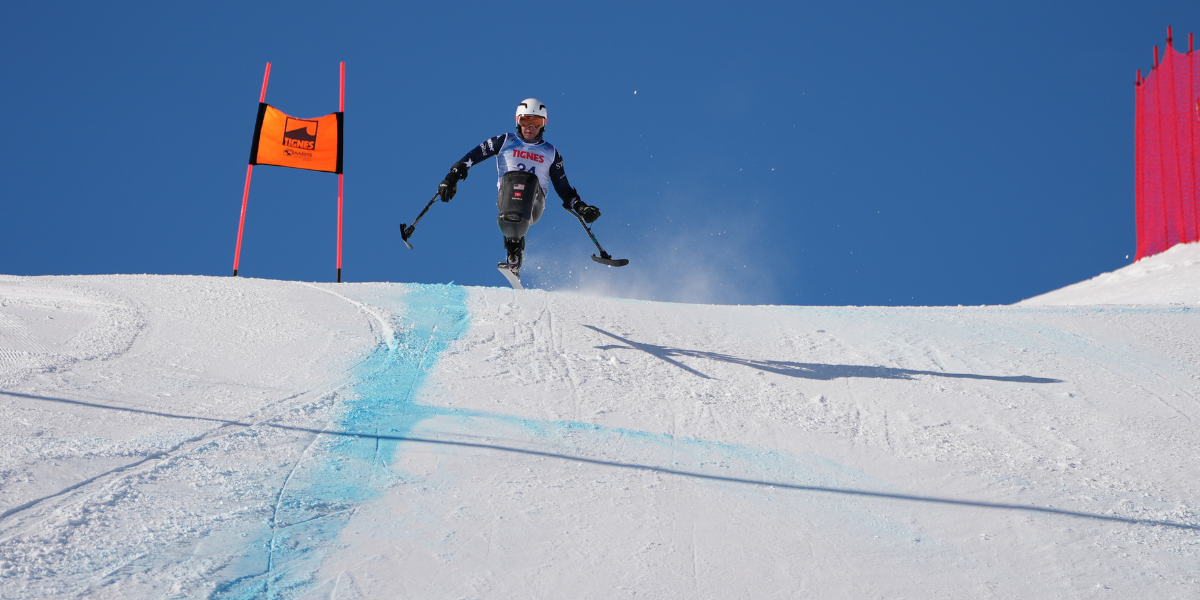
The immediate aftermath of such a life-altering event can be devastating, but for Kurka, it marked the beginning of a new chapter, albeit one requiring immense courage and adaptation. During his recovery, he was introduced to mono-skiing through Challenge Alaska, a non-profit organization dedicated to improving the lives of Alaskans with disabilities through adaptive sports and recreational activities. This introduction was more than just therapy; it was a revelation. Mono-skiing, a specialized form of adaptive skiing where an athlete sits in a custom-molded seat mounted on a single ski, allows individuals with lower limb paralysis to experience the thrill of the slopes. Equipped with outriggers (hand-held crutches with small skis on the ends for balance and propulsion), mono-skiing demands immense upper body strength, core stability, and precise coordination. For Kurka, what began as a rehabilitative activity quickly evolved into a new competitive pursuit, channeling his innate athleticism and competitive fire into a sport that offered a profound sense of freedom and challenge. Challenge Alaska provided not only the equipment and training but also a supportive community, helping him navigate the physical and psychological demands of his new reality and discover his potential on snow.
A Career Forged in Fire: Paralympic Triumphs and World Cup Dominance
Kurka’s competitive career rapidly gained momentum. His dedication and natural talent quickly propelled him through the ranks, leading to his debut on the international stage. Over the years, he has become a consistent and formidable presence on the World Cup circuit, showcasing remarkable consistency across various disciplines, including Downhill, Super-G, Giant Slalom, and Slalom. The World Cup circuit is a demanding series of races held globally, testing athletes against diverse terrain and conditions, and Kurka’s sustained performance at this elite level underscores his technical prowess and mental fortitude.
His Paralympic journey began with the PyeongChang 2018 Winter Paralympics in South Korea, where he made a spectacular impact. Demonstrating his fearless approach, Kurka stormed to a silver medal in the men’s Downhill sitting event, a discipline known for its high speeds and extreme technical demands. Not content with one medal, he then clinched a historic gold medal in the men’s Giant Slalom sitting, solidifying his status as a world-class athlete and achieving the pinnacle of Paralympic success. These medals were the culmination of years of relentless training and unwavering belief. Prior to his Paralympic debut, Kurka had already demonstrated his capabilities at the World Para Alpine Skiing Championships, notably winning a gold medal in Downhill in 2017, further cementing his position as a dominant force in the sport.
His journey continued to the Beijing 2022 Winter Paralympics, where he once again proved his mettle, securing a bronze medal in the men’s Super-G sitting. This medal added another significant achievement to his already impressive resume, showcasing his enduring competitive spirit and ability to perform under immense pressure on the world’s biggest stage. Across his three Paralympic appearances, Kurka has consistently delivered top-tier performances, inspiring countless aspiring adaptive athletes. The sheer physical and mental demands of Para alpine racing, particularly in speed events like Downhill and Super-G, are immense. Athletes navigate challenging courses at speeds often exceeding 100 km/h, relying on split-second decisions and precise movements, all while managing the unique dynamics of a mono-ski. Kurka’s consistent success highlights his exceptional skill, courage, and meticulous preparation.
The Evolution of a Racer: From Fearless Lines to Calculated Progression
Early in his career, Kurka was renowned for his audacious approach to racing, often described as a "fearless" competitor willing to push the absolute limits of speed and line choice. "When I went to my first Games, it was all about racing as fast as I could from top to bottom," Kurka recalled, reflecting on his youthful mindset. "Danger didn’t really represent who I was. It wasn’t something I focused on." This raw, unbridled pursuit of speed earned him a reputation as "the crazy one" on the circuit, often taking aggressive lines that others shied away from, even if it meant a higher risk of crashing or injury.
However, years of elite competition and the inevitable encounters with injury have tempered this initial recklessness, evolving his approach into one of purposeful progression and calculated risk. Kurka has sustained numerous injuries throughout his career, a common reality for high-performance athletes in such a demanding sport. Each injury, while physically grueling and mentally challenging, became a profound learning experience. "I’ve taken that method of fear and turned it into something logical," he explained. "Through injuries, I learned that the way you recover is by taking the next step. Overcoming the next challenge. Slowly but surely, you gather your thoughts and get better." This philosophy of incremental improvement and strategic recovery now defines his approach to ski racing. It’s no longer about pure, unadulterated speed, but about optimizing performance through a deep understanding of his body, the terrain, and the long-term trajectory of his career. This maturity allows him to maintain his competitive edge while safeguarding his physical well-being.
The evolution of his mindset is perfectly illustrated by an anecdote from his earlier days when he became the first person to mono-ski the infamous Christmas Chute at Mount Alyeska in Alaska. The Christmas Chute is a legendary, exceptionally steep, and intimidating line, notorious for its extreme pitch and technical difficulty, even for able-bodied skiers. His mindset at the time was succinct and bold: "Hell yeah, let’s do it." Looking back, Kurka admits, "I was young and wanted to prove I had everything it took." While that youthful exuberance has been refined by experience, the core drive to embrace challenges remains. "Now I’m older and wiser. But whenever I see a challenge, I still love it and I take it," he affirmed. This blend of daring spirit and seasoned wisdom is what continues to make him a captivating figure in the sport.
Beyond the Podium: Motivation Rooted in Family and Inspiration
While Kurka has consistently been a force on the World Cup circuit, his motivations extend far beyond the allure of podium finishes and medals. At the heart of his enduring drive is his family. "My family keeps me motivated every single day," he stated, emphasizing the profound personal connection that fuels his competitive spirit. This concept of family, for Kurka, encompasses not only his immediate relatives but also the broader community that surrounds him, particularly the young athletes who look up to him.
For a significant portion of his career, Kurka felt an immense pressure that "failure wasn’t an option." This belief, while driving him to extraordinary heights, also carried a heavy burden. However, after experiencing "an uncountable number of times" when things didn’t go as planned, he underwent a significant realization. "I realized this career might be about something more. It’s not just about my family back home or my future family. It’s also about the young athletes I’m able to inspire. I consider them family too." This expanded view of his purpose has transformed his approach, adding a layer of profound responsibility and joy to his endeavors.
Within the U.S. Para Snow Sports team, Kurka is often seen as a mentor and a pillar of experience. Coaches and teammates frequently commend his dedication, resilience, and leadership qualities. "Andrew’s commitment to pushing the sport forward, both through his performance and his mentorship, is invaluable," remarked a U.S. Para Snow Sports official, who requested anonymity to speak broadly about team dynamics. "He sets a powerful example for younger athletes, showing them not just how to win, but how to persevere through challenges and find a deeper meaning in their journey." His willingness to share insights, offer encouragement, and lead by example has fostered a supportive and ambitious team environment, ensuring that his impact resonates far beyond his individual results.
Alaskan Grit: The Foundation of Relentless Drive
Andrew Kurka’s relentless work ethic and indomitable spirit are deeply rooted in his Alaskan upbringing. The isolated and demanding environment of his childhood instilled a unique set of values that have become the bedrock of his character and athletic philosophy. "You wake up early and you work hard until it’s bedtime," Kurka recounted, describing the daily rhythm of life on the homestead. "That built me into the man I am today." This inherent drive, born from the necessity of self-sufficiency and the rigors of Alaskan life, translates directly into his approach to training and competition.
The challenges of living on a remote farm, far from urban conveniences, required ingenuity, physical endurance, and a proactive mindset. These experiences fostered an unparalleled sense of self-reliance and the understanding that consistent effort yields results. "Grit, tenacity, and work ethic are the things I’ve carried into life and into ski racing," he affirmed. This foundational strength allows him to endure grueling training schedules, navigate complex technical adjustments, and push through the discomfort of recovery. His Alaskan roots provide a constant reminder of the power of perseverance and the rewards of sustained effort, distinguishing him as an athlete whose competitive spirit is as vast and rugged as his homeland.
Pioneering Spirit: Impact on the Sport and Community
Kurka’s impact on Para alpine skiing extends beyond his medal count; it encompasses his pioneering spirit and his contribution to pushing the boundaries of what is possible on a mono-ski. His "fearless lines" and aggressive style have not only entertained audiences but have also subtly influenced the technical progression of the sport. By demonstrating what can be achieved with courage and skill, he inspires fellow athletes and coaches to explore new approaches and techniques.
Officials within the global Para Snow Sports community acknowledge Kurka’s significant role as an ambassador for adaptive sports. "Andrew Kurka embodies the spirit of Para sport," commented a representative from FIS Para Snow Sports. "His longevity, his consistent performance, and his profound personal story make him an incredible role model. He shows the world that disability does not define potential, and his commitment to giving back to the community is truly commendable." His visibility and success help to raise the profile of Para alpine skiing, attracting new participants and fostering greater public understanding and appreciation for adaptive athleticism. His legacy is one of proving that limits are often self-imposed and that with the right mindset, extraordinary feats are achievable.
A Legacy of Giving Back: The Adaptive Adventure Lodge
Understanding the profound impact outdoor experiences had on his own life, Andrew Kurka embarked on an inspiring venture beyond the competitive slopes. Following his success at the PyeongChang 2018 Paralympics, he utilized a portion of his prize money and sponsorship earnings to establish a bed and breakfast in Alaska. This unique lodge was specifically designed to be fully accessible, aiming to provide people with disabilities the opportunity to experience the restorative beauty and adventure of the Alaskan outdoors.
The inspiration for this ambitious project came unexpectedly. After sharing aspects of his life and adventures on Instagram, he received a message from a follower, an individual with a disability, who expressed a desire to visit Alaska and experience the outdoors. Kurka invited him on a fishing trip, a common pastime for the Alaskan native. "When I took him fishing, I noticed my passion for life changed his," Kurka recalled, a moment of profound realization. "He’s come back every year since." This powerful interaction crystallized his vision: to create a space where others facing similar physical challenges could access and enjoy nature in an unhindered way. "I realized I love giving others the opportunity to enjoy the outdoors the way I do," he stated, articulating the core mission of his lodge.
The adaptive adventure lodge is more than just accommodation; it’s a gateway to experiences that might otherwise be inaccessible. It offers specialized equipment and guidance for activities such as accessible fishing, boating, and wildlife viewing, ensuring that guests can fully immerse themselves in the Alaskan wilderness. This initiative demonstrates Kurka’s deep commitment to fostering inclusivity and sharing the joy and therapeutic benefits of outdoor adventure with the wider disability community, creating a tangible legacy of empowerment and accessibility.
Finding Freedom: Life Beyond the Slopes
Outside the demanding world of competitive racing, Andrew Kurka continues to seek and find freedom in activities that allow him to explore nature, albeit through new avenues. For someone with a disability, the concept of freedom often involves adapting to a "new normal" and discovering alternative ways to pursue passions that were once taken for granted. "There are things I can’t do anymore the way I used to, like hiking up a mountain or rock climbing on my own," he acknowledged. These candid reflections highlight the constant process of adaptation and acceptance that comes with living with a spinal cord injury.
However, Kurka has found profound solace and adventure in other pursuits. He is an avid fisherman and boater, activities that allow him to connect with Alaska’s abundant waterways. Perhaps most notably, he has obtained a pilot’s license, opening up the vast expanse of the Alaskan sky. Flying offers a unique and unparalleled sense of liberation, providing a perspective that transcends physical limitations. "The ocean and the sky provide their own sense of adventure," he mused. "Fishing, flying, boating. Those things give me the adventure I seek. That’s where I find peace in nature." These activities are not just hobbies; they are integral to his well-being, providing a vital counterbalance to the intense pressure of elite sport and reaffirming his connection to the natural world that has always defined him.
Mentorship and Enduring Principles: A Message to the Future
After three Paralympic Games, numerous World Cup victories, and years spent at the pinnacle of elite competition, Andrew Kurka’s message to the next generation of adaptive athletes is distilled into two powerful, yet simple, directives: "Work harder than everybody else and don’t quit. That’s how I got here." This advice, forged in the crucible of his own experiences, encapsulates the essence of his journey—a relentless pursuit of excellence driven by an unyielding spirit. It speaks to the fundamental truth that talent must be coupled with extraordinary effort and resilience to achieve lasting success in any field, particularly in high-performance sports.
The Legacy of Not Quitting
When Andrew Kurka reflects on the legacy he hopes to leave in Para alpine skiing, his answer is concise and deeply resonant: grit and tenacity. "I want to be remembered as the person who simply didn’t quit," he declared. This aspiration underscores his belief that true success is not solely measured by medals, but by the unwavering commitment to keep going, to keep fighting, and to keep pushing forward despite obstacles.
His aggressive style and fearless line choices have indeed earned him a distinctive reputation on the World Cup circuit. "I’ve kind of grown a legacy of being the crazy one," Kurka admitted with a smile, acknowledging the perception of his daring approach. "I’d run lines nobody else would run, even if it meant crashing or breaking bones." Today, he views those moments, and the physical costs they sometimes entailed, through a lens of profound understanding. "Those broken bones equal grit," he asserted. "They equal tenacity. The fact that I kept coming back is what makes me who I am."
For Andrew Kurka, success has never been defined merely by winning races. It is about a much grander ambition: pushing boundaries, inspiring others to discover their own potential, and proving time and again that perseverance, fueled by an unbreakable spirit, can carry you through anything. His story is a testament to the enduring power of human will, a narrative that continues to inspire and redefine the landscape of adaptive sports, solidifying his place as a true legend of Para alpine skiing.
