
The ski industry is witnessing a transformative moment with the introduction of the Atomic Nexus 130 BOA, a pioneering mid-entry design poised to redefine accessibility without compromising the aggressive downhill performance demanded by expert skiers. This innovative boot, slated for a fall 2026 release, represents a significant leap in ski boot technology, addressing a long-standing need for a high-performance option that is genuinely easy to enter and exit. For years, skiers facing mobility challenges, ranging from arthritis and joint stiffness to post-injury limitations, have often been forced to choose between ease of use and the ability to truly push their limits on the slopes. The Nexus 130 BOA emerges as a powerful solution, allowing individuals to maintain their passion for hard-charging skiing despite physical constraints that would typically make traditional four-buckle boots a source of frustration or even an insurmountable barrier.
The Evolution of Ski Boot Technology: A Historical Perspective
To fully appreciate the significance of the Atomic Nexus 130 BOA, it is essential to contextualize it within the broader history of ski boot development. Early ski boots, primarily crafted from leather and featuring lace-up closures, offered minimal support and comfort, requiring constant adjustments and often resulting in cold, wet feet. The mid-20th century brought the advent of plastic shells, a revolutionary change that dramatically improved power transmission, control, and waterproofing. However, this advancement also introduced a new set of challenges: plastic boots, especially those designed for high performance, became notoriously difficult to put on and take off due to their rigid shells and tight anatomical fits.
The 1980s and early 1990s saw a brief but impactful rise of rear-entry ski boots. Manufacturers like Salomon and Lange introduced designs where the entire rear of the boot hinged open, allowing skiers to step in with unprecedented ease. These boots garnered immense popularity among recreational skiers for their comfort and convenience. However, they soon fell out of favor with performance-oriented skiers due to inherent design limitations. Rear-entry boots often struggled with achieving precise heel hold, consistent flex, and lateral stiffness, critical elements for aggressive skiing. The "slop" and reduced power transmission meant that while they were easy to get into, they often sacrificed the direct feedback and control desired by advanced skiers. Consequently, the traditional four-buckle, front-overlap design reasserted its dominance, becoming the standard for performance-oriented boots, albeit at the cost of accessibility for a segment of the skiing population.
For decades, this dichotomy persisted: either an easy-entry boot that compromised performance or a high-performance boot that demanded significant physical effort and dexterity to don. This created a considerable void in the market, particularly as the global skiing demographic began to shift. With an aging population, many experienced and passionate skiers found themselves grappling with age-related mobility issues, injuries, or conditions like arthritis, making the simple act of putting on ski boots a dreaded ordeal. The Atomic Nexus 130 BOA directly targets this underserved market, leveraging modern materials and design principles to bridge this historical gap.
The Atomic Nexus 130 BOA: An In-Depth Look at its Innovative Design
The Atomic Nexus 130 BOA is the flagship model in Atomic’s new series, boasting a 101-millimeter last, indicating a medium-to-wide fit, suitable for a broad range of foot volumes. Its core innovation lies in its "mid-entry" design, a sophisticated engineering solution that distinguishes it from both traditional four-buckle and past rear-entry boots. Unlike a rear-entry boot, the Nexus doesn’t hinge from the back; instead, the front and rear sections of the cuff are designed to separate, creating a wide opening that allows skiers to step straight into the boot, often hands-free. This mechanism is activated by lifting a spine lever located at the rear of the cuff, reminiscent of the walk mode levers found on modern alpine touring (AT) boots. Once the lever is engaged and the power strap released, the boot opens generously, facilitating an effortless entry process. The bootfitter’s assessment highlights the remarkable ease, noting that once the BOA tension wheel is appropriately pre-set, the lever can even be closed with the other foot, enabling a truly hands-free, no-stooping entry.
Beyond its revolutionary entry system, the Nexus 130 BOA integrates several cutting-edge technologies to ensure uncompromised downhill performance:
- BOA H+1 Closure System: This system replaces traditional lower buckles with a high-strength wire lace that is tightened and loosened via a micro-adjustable dial. The BOA system is celebrated for its ability to distribute pressure evenly across the foot, eliminating pressure points often associated with buckles and providing a highly customizable fit. While the bootfitter expressed initial skepticism regarding BOA’s suitability for skiers with compromised fine motor skills or difficulty bending over, the practical application allows for pre-tightening before entry, mitigating this concern for many users. Atomic’s inclusion of the BOA system underscores a commitment to precision fit and a streamlined aesthetic, pushing the boundaries of traditional boot closure.
- Mimic Platinum Liner: The Nexus 130 BOA features Atomic’s proprietary Mimic Platinum liner, an advanced heat-moldable liner designed to adapt precisely to the contours of the skier’s foot and lower leg. This technology is crucial for achieving a snug, customized fit that enhances comfort and power transmission. In an easy-entry boot, a high-quality, form-fitting liner is paramount to compensate for any potential initial looseness in the shell design, ensuring optimal heel hold and overall responsiveness.
- Dual-Pivot Design: The boot incorporates a dual-pivot design, a sophisticated articulation mechanism similar to those found in other high-performance boots like the Lange Shadow. This design optimizes the boot’s flex pattern, allowing for a more natural ankle movement and generating increased rebound. This "lively, springy feel" between carved turns translates into a more dynamic and engaging skiing experience, a testament to Atomic’s ability to integrate performance-enhancing features into an accessible platform.
- 130 Flex Rating: A 130 flex rating places the Nexus 130 BOA firmly in the category of expert-level boots. This indicates a very stiff boot designed for aggressive skiing, high speeds, and precise control in challenging terrain. The bootfitter’s on-snow test confirmed that despite its mid-entry mechanism, the Nexus truly skis like a 130-flex boot, a critical validation of its performance credentials.
On-Snow Performance: Defying Expectations
The real litmus test for any ski boot is its performance on the snow. The bootfitter’s experience skiing the Nexus 130 BOA in variable spring conditions at Sierra-at-Tahoe yielded overwhelmingly positive results, especially considering the inherent skepticism often associated with easy-entry designs. Initially, the transition from a low-volume, race-inspired boot with a Zip Fit liner to the higher-volume Nexus felt "jarring." However, this initial perception quickly dissipated as the tester adopted an aggressive stance, driving the heel into the boot’s well-shaped pocket. This adjustment revealed that the Nexus 130 BOA maintained excellent heel hold, even for someone accustomed to a much tighter, lower-volume fit. The boot’s internal geometry and the supportive Mimic Platinum liner effectively minimized any perceived "slop" around the foot.
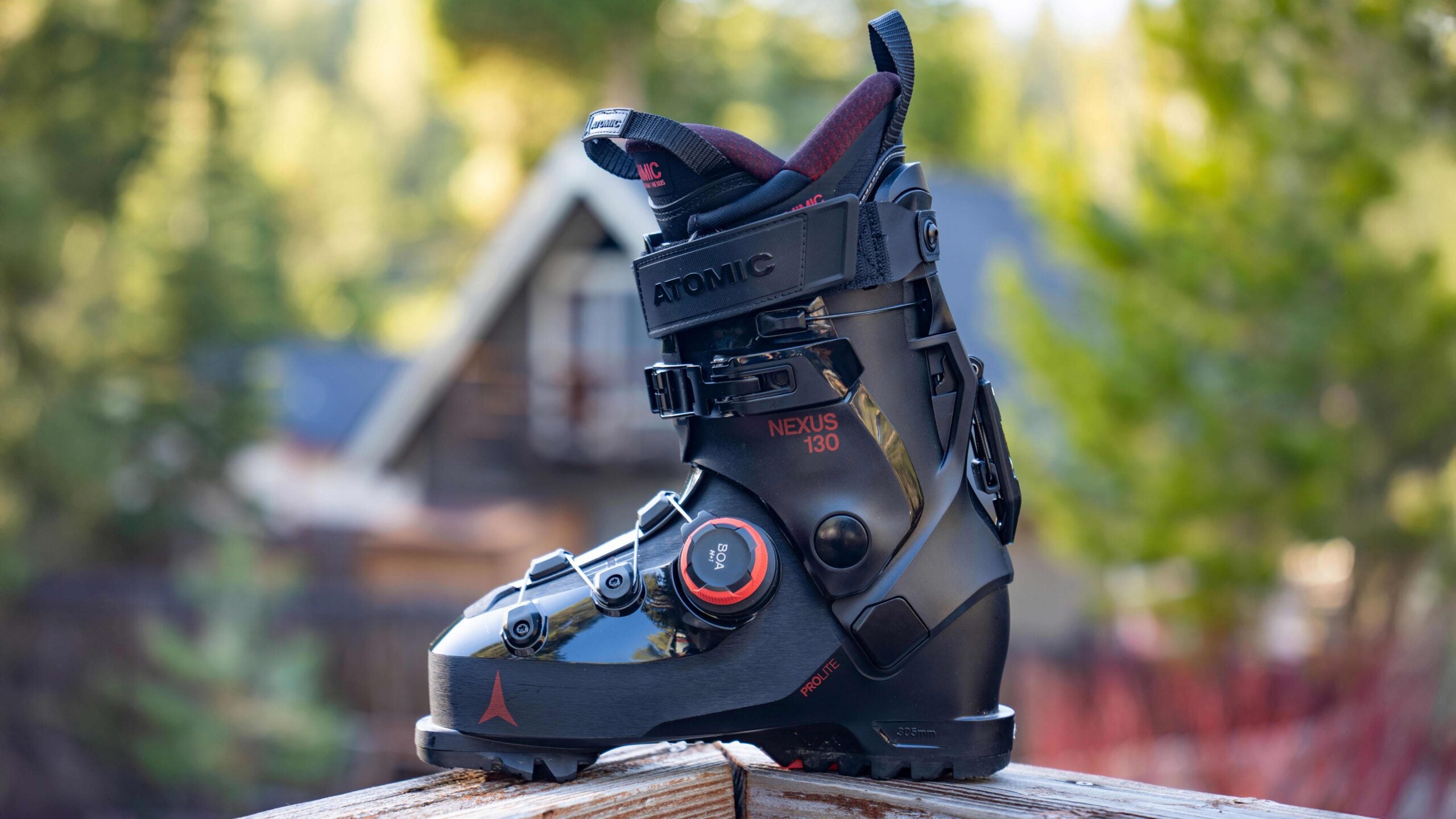
It was only in extremely steep and challenging chunky terrain that the tester noted any meaningful play, a level of performance that still exceeds many traditional boots and is exceptional for an easy-entry model. For skiers with genuinely high-volume feet, for whom the boot is specifically designed, the heel hold is anticipated to be outstanding. The ankle break, positioned high and slightly forward, is also optimized for skiers with higher insteps, further enhancing comfort and fit for its target demographic. The most significant takeaway from the on-snow review was the Nexus’s ability to ski like a "real 130-flex boot." The dual-pivot design, working in concert with the stiff shell and responsive liner, provided ample rebound and leverage, creating a dynamic feel that belies its accessible entry system. This performance validation is crucial, as it confirms that skiers no longer need to sacrifice downhill prowess for ease of use.
The Competitive Landscape and Broader Market Implications
The Atomic Nexus 130 BOA enters a burgeoning segment of the ski boot market focused on accessibility, but it carves out a distinct niche. While other manufacturers have also ventured into easy-entry solutions, their approaches and target audiences often differ.
One notable competitor is the Nordica HF series, which also prioritizes ease of entry. The Nordica HF is renowned for its very simple, hands-free entry system and often includes features like integrated heating elements, making it exceptionally comfortable and well-suited for older skiers or those with more significant mobility limitations who prioritize warmth and extreme comfort over aggressive performance. However, as the bootfitter noted, the Nexus 130 BOA is designed to "outski" the Nordica HF series, appealing to a demographic that still demands bell-to-bell shredding and high-performance capabilities. The Nexus is for those who want to rip turns without the parking-lot struggle, but crucially, without compromising their ability to perform at a high level.
Another contender, the Rossignol Vizion, employs a similar mid-entry concept. While the bootfitter had not yet personally tested the Vizion, the Nexus 130 BOA’s confirmed 130 flex and robust performance characteristics suggest it is positioned at the upper end of the performance spectrum within the easy-entry category.
The introduction of boots like the Atomic Nexus 130 BOA signifies a broader shift in the ski industry. For too long, product development has largely focused on refining traditional all-mountain and race boots, leaving specific segments of the skiing population underserved. The Nexus represents a commitment to inclusivity, recognizing that the joy of skiing should be accessible to everyone, regardless of physical limitations. This innovation has several key implications:
- Expanding the Skiing Population: By removing a significant barrier to entry and continued participation, these boots can keep experienced skiers on the slopes longer and potentially attract new demographics who might have previously been intimidated by the complexities of traditional ski boots. This is vital for the long-term health and growth of the sport.
- Empowering Skiers: The ability to independently put on and take off one’s boots without assistance can significantly enhance a skier’s autonomy and enjoyment, reducing frustration and increasing confidence.
- Role of Bootfitters: While boots like the Nexus aim to be more accommodating "out of the box," the expertise of professional bootfitters remains invaluable. They can fine-tune the fit, address unique anatomical challenges, and ensure the boot performs optimally for each individual, maximizing the benefits of these advanced designs.
- Future Innovation: The success of the Nexus 130 BOA is likely to spur further innovation across the industry, encouraging other manufacturers to explore new ways to combine performance with accessibility, leading to an even wider array of specialized products tailored to diverse skier needs.
Atomic’s Vision and the Complete Nexus Lineup
Atomic’s foray into this innovative mid-entry design is a clear statement of their commitment to pushing the boundaries of ski boot technology and serving a wider spectrum of skiers. The Nexus series is a testament to the brand’s dedication to making skiing more enjoyable and less cumbersome, without ever compromising the on-snow experience. This approach aligns with a broader industry trend of user-centric design, where the focus extends beyond raw performance to encompass the entire user journey, from the parking lot to the last chair.
The Nexus 130 BOA is just the pinnacle of a comprehensive new lineup designed to cater to various performance levels and preferences. The full range includes:
- Men’s Models: Nexus 120 BOA, Nexus 110 BOA, and Nexus 110 (without BOA).
- Women’s Models: Nexus 105 BOA W, Nexus 95 BOA W, and Nexus 95 W (without BOA).
The inclusion of models both with and without the BOA system offers consumers choices based on their personal preferences for closure mechanisms and budget considerations. The varying flex ratings (130, 120, 110 for men; 105, 95 for women) ensure that skiers of different skill levels, from advanced intermediates to expert hard-chargers, can find a Nexus boot that matches their performance requirements. All Atomic Nexus models are scheduled to arrive in retail shops in fall 2026, perfectly timed for the upcoming ski season.
In conclusion, the Atomic Nexus 130 BOA is more than just a new ski boot; it represents a significant milestone in ski boot design. By successfully integrating effortless entry with uncompromising downhill performance, Atomic has delivered a truly transformative product. For the legions of skiers who have endured the physical struggle of traditional boots or felt sidelined by mobility issues, the Nexus offers a renewed promise: real skiing performance, unassisted and unburdened, allowing them to save their pain and anguish for the exhilaration of the slopes, skiing bell-to-bell until the very last chair. This boot is poised to open a new chapter for countless skiers, ensuring that the passion for the mountains remains vibrant and accessible for years to come.
