
Preliminary statistics released by Statistics Austria for the month of February 2026 and the cumulative winter season indicate a robust upward trajectory for the nation’s tourism sector. According to the latest data published on April 10, 2026, the Austrian tourism industry recorded 18.09 million overnight stays in February alone, marking a significant 5.1% increase compared to the same period in the previous year. This growth trend extends across the broader winter season, which spans from November to February. During these first four months of the 2025/26 season, total overnight stays reached 54.25 million, representing a 5.5% rise over the prior year’s figures.
The data suggests that Austria remains a premier destination for winter sports and alpine leisure, successfully navigating a complex global economic landscape. The primary engine behind this growth has been identified as a surge in international demand, as travelers from across Europe and overseas continue to prioritize the Austrian Alps for their winter vacations. This influx of foreign visitors has provided a necessary boost to regional economies, supporting a wide array of businesses from luxury mountain resorts to family-run guesthouses and local service providers.
Detailed Statistical Performance and Market Drivers
The 18.09 million overnight stays recorded in February 2026 highlight the month’s status as the peak of the winter calendar. Traditionally coinciding with school holidays in key source markets such as Germany, the Netherlands, and the United Kingdom, February remains the most critical month for Austrian hoteliers. The 5.1% year-on-year increase reflects not only high occupancy rates but also a sustained interest in the Austrian "winter experience," which includes traditional alpine skiing, snowboarding, and increasingly popular activities such as winter hiking and ski touring.
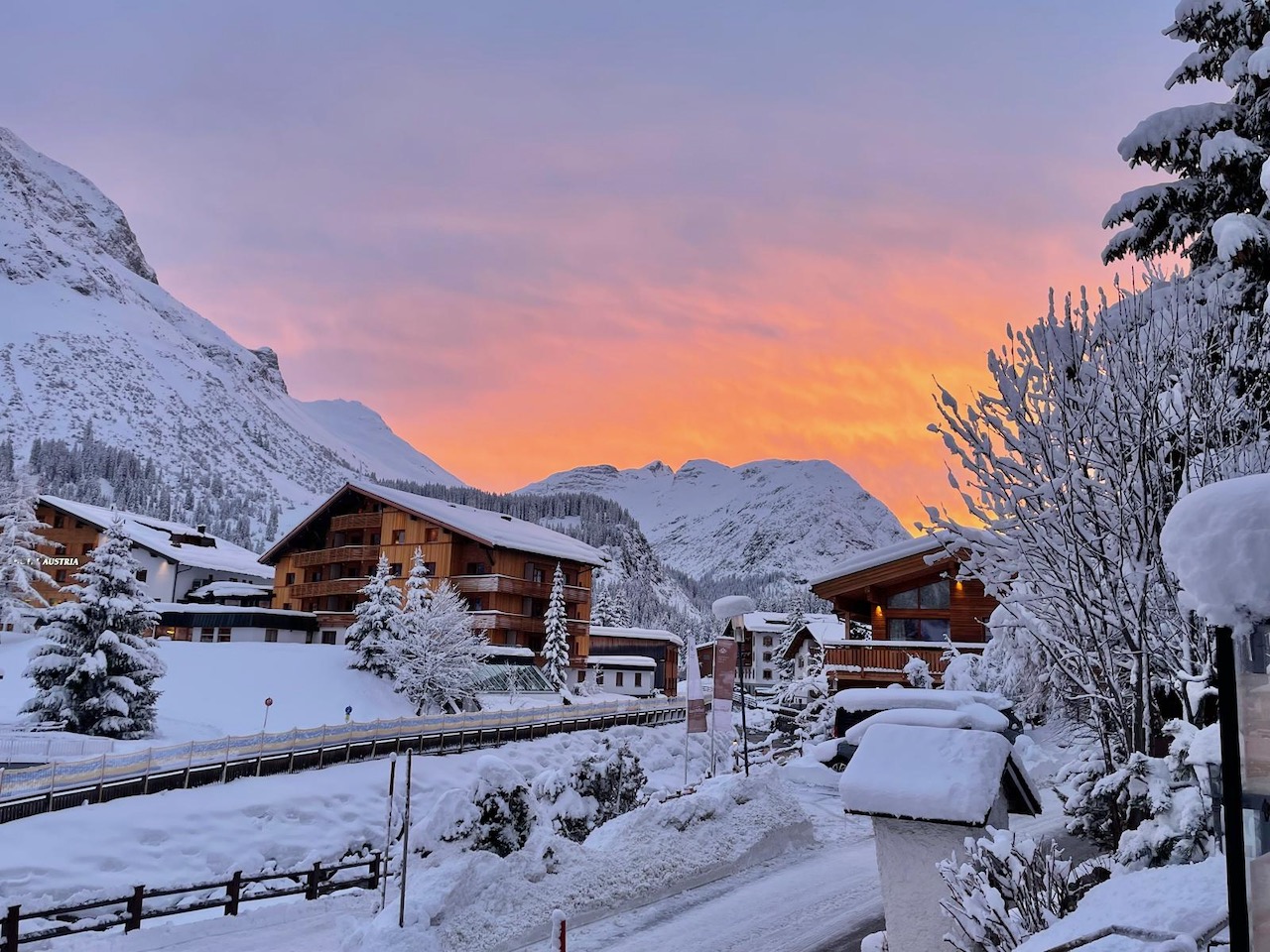
The cumulative figure of 54.25 million stays for the first two-thirds of the winter season (November 2025 through February 2026) underscores a consistent performance. When compared to historical data, these figures suggest that the industry has not only recovered from previous global disruptions but is entering a phase of stabilized growth. The 5.5% increase in the seasonal total indicates that the early season—specifically November and December—was also stronger than in previous years, likely aided by favorable early-season snowfall and a high volume of bookings during the Christmas and New Year period.
International demand has been the cornerstone of this success. Statistics Austria notes that while domestic tourism remains stable, the growth in overnight stays is disproportionately driven by non-residents. This trend highlights Austria’s competitive edge in the global tourism market, where its high-quality infrastructure, extensive lift networks, and diverse range of accommodations continue to attract a premium demographic.
Regional Highlights: Tirol, Vorarlberg, and Carinthia
The geographical distribution of these statistics reveals that traditional strongholds in the west of the country continue to dominate, while southern regions are seeing a diversification of their tourism offerings. The Tirol region, home to world-renowned resorts such as Mayrhofen and St Anton, remains the focal point of international interest.
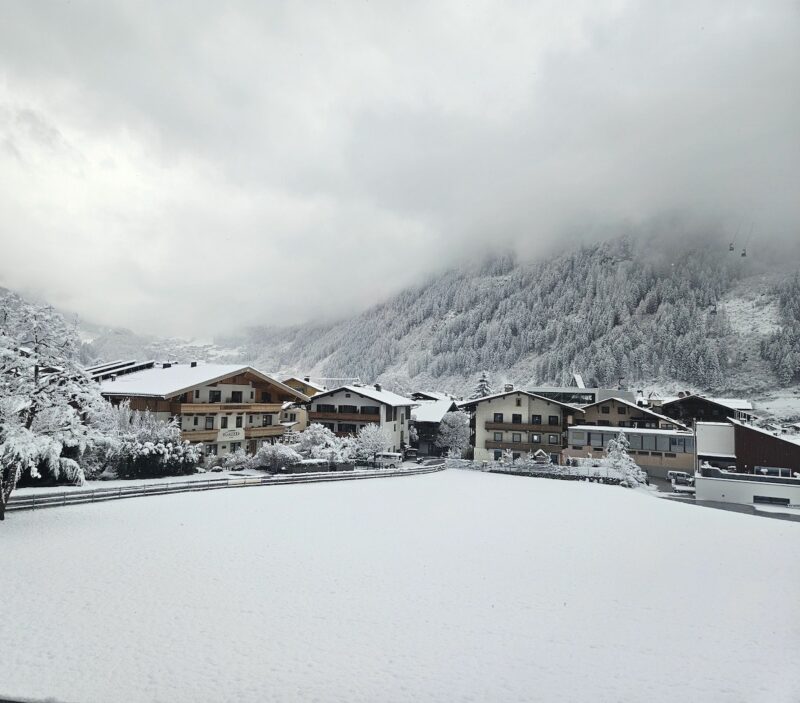
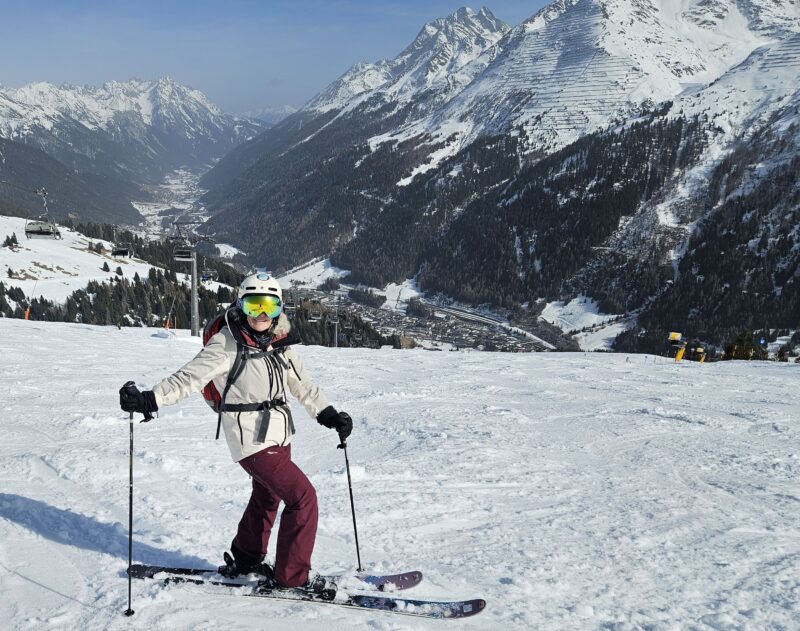
In Mayrhofen, located in the Zillertal valley, reports from the final week of March 2026 indicated high visitor numbers and excellent slope conditions, suggesting that the positive momentum from February carried forward into the spring. Similarly, St Anton in the Arlberg region—widely regarded as the "cradle of alpine skiing"—reported near-capacity occupancy throughout the peak season. The Arlberg area has benefited significantly from its reputation for reliable snow cover and its expansive, interconnected ski circuit, which remains a major draw for high-spending international tourists.
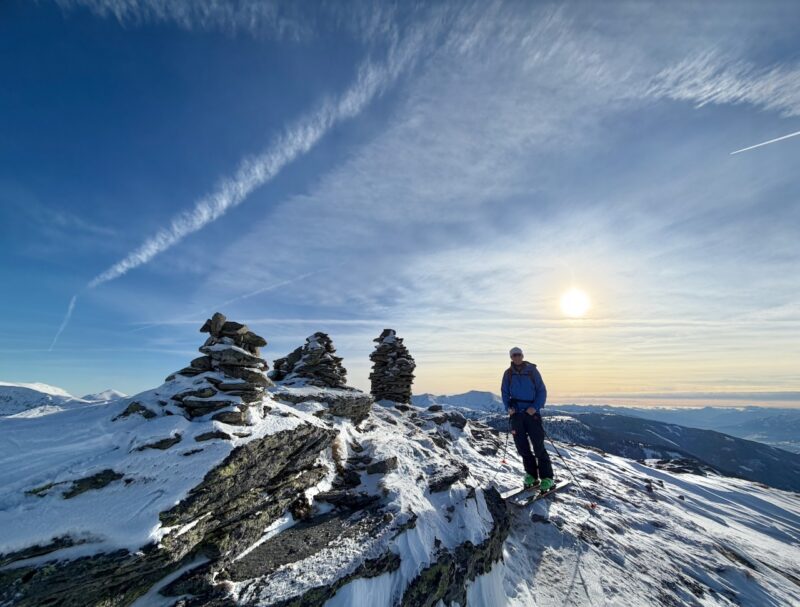
Meanwhile, in the southern province of Carinthia, a different trend has emerged. While traditional downhill skiing remains popular, there has been a marked increase in interest in "soft tourism" and backcountry activities. The Nockberge Trail, a multi-day ski touring route, saw a record number of participants in February 2026. This shift toward ski touring and nature-oriented winter sports reflects a broader diversification of the Austrian tourism product, appealing to environmentally conscious travelers and those seeking alternatives to crowded slopes.
Official Response: Economic Stability and Employment
Austria’s Tourism State Secretary, Elisabeth Zehetner, welcomed the figures, emphasizing the vital role the industry plays in the national economy. "These figures are a good sign for employment and regional value creation," Zehetner stated in a press briefing following the report’s release. "They mean full beds, work for many people, and income for businesses in the tourism regions."
Zehetner’s comments highlighted the connection between tourism statistics and the tangible well-being of local communities. In many alpine valleys, tourism is the primary employer and the chief driver of secondary industries, including construction, retail, and agriculture. The State Secretary noted that the 5.5% increase in seasonal stays translates directly into job security for tens of thousands of seasonal and permanent employees in the hospitality sector.
However, Zehetner also used the opportunity to address the underlying challenges facing the industry. She noted that while the headline figures are positive, the economic environment remains demanding. "Especially in economically challenging times, it is crucial that value creation remains in the regions and is not only visible in statistics," she added.
The Impact of the Energy Crisis and Inflation
Despite the record-breaking numbers, the Austrian tourism sector is operating under significant pressure. The ongoing energy crisis and fluctuating global markets have led to a sharp increase in operational costs for businesses. State Secretary Zehetner pointed out that the industry is particularly sensitive to rising prices in energy, personnel, and supply chains.
"We know that the energy crisis is putting a strain on many households and businesses, and that price issues are dominating the public debate," Zehetner remarked. She explained that tourism businesses are often at the "end of the value chain," meaning they must absorb price increases from various sectors while attempting to remain competitive. Many restaurateurs and hoteliers are currently navigating a difficult balance between maintaining high service quality and managing tightening profit margins.
The State Secretary emphasized that the growth in overnight stays should be viewed as a stabilizing force rather than an inflationary driver. "It is all the more important that growth is not perceived as a driver of inflation, but rather as a contribution to stability, regional income, and secure employment," she said. The government’s goal is to ensure that the success of the season is reflected in the "bottom line" of local businesses, allowing for continued investment in infrastructure and sustainable practices.
Chronology of the 2025/26 Winter Season
The 2025/26 winter season has followed a distinct timeline that contributed to the current positive statistics:
- November 2025: The season began with unseasonably cold temperatures and early snowfall in high-altitude regions, allowing glacier resorts and high-elevation areas to open earlier than usual. This sparked early interest and a strong start for the first month of the statistical winter.
- December 2025: A robust holiday period saw high occupancy rates across the Alps. Despite inflationary pressures on European households, the "revenge travel" sentiment and the tradition of white Christmases kept booking numbers high.
- January 2026: A steady influx of visitors from Eastern Europe and Germany characterized the mid-winter period. Improvements in rail infrastructure and cross-border transport links facilitated easier access to Austrian resorts.
- February 2026: The peak of the season was reached with 18.09 million overnight stays. Consistent snow conditions and clear weather windows during the school holiday weeks resulted in maximum capacity for many regions.
- March – April 2026: While not included in the latest preliminary report, anecdotal evidence from regions like Tirol suggests that the momentum has continued into the late season, with spring skiing conditions attracting a late-season crowd.
Broader Implications and Future Outlook
The success of the 2025/26 winter season carries significant implications for the future of Austrian tourism. The data reinforces the resilience of the alpine model, even in the face of climate change and economic volatility. By diversifying the tourism product—moving beyond just downhill skiing to include touring, wellness, and culinary tourism—Austria is successfully broadening its market appeal.
Furthermore, the emphasis on "regional value creation" mentioned by State Secretary Zehetner suggests a policy shift toward sustainable growth. The focus is no longer solely on increasing the number of arrivals but on ensuring that the economic benefits are distributed fairly and that the environmental impact is managed. This "quality over quantity" approach is seen as essential for maintaining the long-term viability of alpine living spaces.
As the industry looks toward the conclusion of the winter season and the transition into the summer months, the focus will remain on cost management and labor retention. The high occupancy rates of February have provided a financial cushion for many businesses, but the pressure of high operating costs remains a constant factor.
In conclusion, the February 2026 statistics from Statistics Austria paint a picture of a flourishing industry that remains a cornerstone of the national economy. With over 54 million overnight stays in four months, the 2025/26 winter season is on track to be one of the most successful in recent history. However, the official stance remains cautious, recognizing that true success is measured not just in the volume of visitors, but in the economic health and sustainability of the regions that host them. The coming months will determine if this momentum can be sustained into the 2026 summer season and beyond.
