
As the first snowflakes begin to dust the peaks of the Rockies and the Sierras, a familiar ritual unfolds among winter sports enthusiasts: the desperate search for a fitness regimen that can undo months of sedentary behavior in a matter of days. However, medical experts and professional trainers warn that the window for meaningful physical preparation for the ski season does not open in November; rather, it never truly closes. According to Dr. Kevin Stone, an orthopedic surgeon and former physician for the U.S. Ski Team, the optimal training cycle for skiing should begin the moment the previous season concludes. This seven-month lag in preparation often represents the difference between a season of peak performance and one sidelined by preventable injury.
The biological reality of skiing demands a level of "total body fitness" that transcends simple muscle mass. While the traditional image of ski preparation involves grueling sessions of wall-sits and squats, modern sports science suggests a more holistic approach. Dr. Stone, who operates The Stone Clinic in San Francisco, argues that maintaining quad strength and cardiovascular endurance throughout the spring, summer, and fall is essential for avoiding a "start from zero" scenario. The transition from "sports-specific training" to "total body conditioning" marks a significant shift in how elite and recreational athletes alike approach the mountain.
The Biomechanics of Dynamic Movement
For those who find themselves mere days away from a trip with suboptimal fitness, the focus must shift from building raw strength to mastering dynamic movement. Skiing is fundamentally an eccentric exercise—one where muscles lengthen under tension as the skier resists gravity and manages terrain variations. To prepare for these forces, Dr. Stone emphasizes the "dynamic squat" as the gold standard of exercise. Unlike a static squat, the dynamic version involves lateral movement and weight shifting, mimicking the side-to-side transitions required on a groomed run or through a mogul field.
The efficiency of the dynamic squat lies in its ability to engage the kinetic chain. It requires not just the quadriceps, but the gluteus medius for stabilization, the core for rotational control, and the ankles for proprioceptive feedback. When an athlete performs these movements, they are training the nervous system to react to the unpredictability of snow conditions. Dr. Stone’s recommendation, shared in various sports medicine forums including the SnowBrains Podcast, highlights that reproducing the sport’s specific demands is the most effective use of limited preparation time.
The Cognitive Element: Mental Errors and Injury Prevention
Perhaps the most overlooked component of ski safety is the psychological state of the athlete. Data from clinical settings suggests that physical strength alone is an insufficient shield against the rigors of the slopes. Dr. Stone notes a recurring theme among injured athletes: a "sense of something being off" moments before an accident occurs. These "mental errors" are often cited as the primary cause of sports-related injuries, outweighing pure mechanical failure of the body or equipment.
Injuries frequently occur when a skier’s focus drifts toward external distractions—work stress, social dynamics, or even plans for lunch—rather than the immediate feedback from the skis. This lack of situational awareness leads to delayed reaction times and poor decision-making regarding line choice and speed. In the high-velocity environment of downhill skiing, a split-second lapse in concentration can result in a catastrophic loss of edge control. Therefore, "putting your mind in the game" is as critical as any physical warm-up.
The Evolution of Equipment and Safety Standards
The philosophy that "the gear doesn’t make the skier" is increasingly viewed as an outdated and dangerous myth. Advancements in materials science and mechanical engineering have revolutionized ski equipment, making modern gear significantly safer than its predecessors from even a decade ago. Dr. Stone emphasizes that old boots, bindings, and skis represent a liability. Bindings, in particular, rely on internal springs and lubricants that can degrade over time, leading to inconsistent release values (DIN settings) that fail to protect the tibia and ACL during a fall.
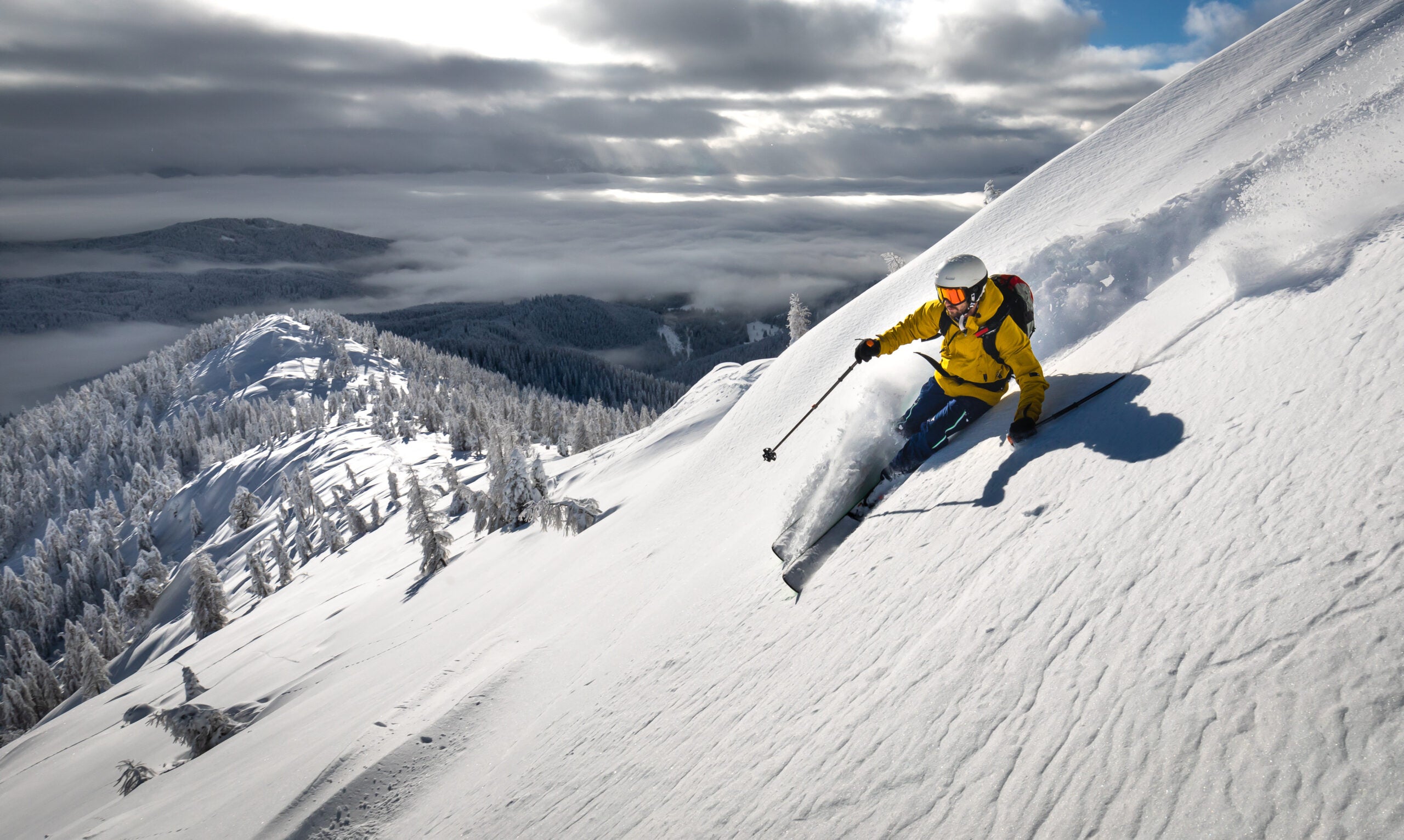
A significant shift in professional recommendations involves boot flex. For decades, the industry standard for high performance was a rigid, stiff boot that forced the skier into a permanent forward lean. Modern thinking has pivoted; for approximately 90 percent of recreational skiers, a softer, more flexible boot is actually safer and more effective. A boot that permits natural ankle and knee flexion allows the skier to use their joints as shock absorbers and steering mechanisms. This increased range of motion not only enhances performance but reduces the leverage forces that often lead to knee ligament tears.
Demographic Trends in Ski Injuries
The types of injuries seen in clinics vary significantly across age groups, reflecting the different physiological vulnerabilities of the skiing population. In younger skiers, the most common diagnoses include torn Anterior Cruciate Ligaments (ACL), meniscus cartilage damage, dislocated shoulders, and rotator cuff tears. These are often high-energy injuries resulting from jumps, high speeds, or collisions.
When these injuries occur, the medical community stresses the importance of a comprehensive early diagnosis involving physical exams, X-rays, and MRIs. Dr. Stone points to a specific "triad" of symptoms—a twist of the knee followed by an audible "pop" and immediate swelling—which carries a 90 percent probability of a major internal tear. In cases of ACL reconstruction, modern surgical preferences are shifting toward the use of donor tissue (allografts) rather than autografts (taking tissue from the patient’s own patellar or hamstring tendons). The rationale is that harvesting a patient’s own tissue can permanently weaken the donor site, affecting the knee’s ability to hold an edge on the snow.
Conversely, older skiers face the challenge of degenerative conditions, most notably arthritic knees. For this demographic, the goal is often "joint preservation" rather than replacement. The field of orthobiologics has seen massive growth, with injections of hyaluronic acid (lubricants) and Platelet-Rich Plasma (PRP) providing a bridge that allows older athletes to continue skiing into their 70s, 80s, and even 90s. These treatments recruit the body’s own healing factors to manage inflammation and improve joint glide, often delaying the need for invasive total joint replacements.
A Chronological Framework for Off-Season Training
To avoid the November panic, experts suggest a structured timeline that aligns with the natural rhythm of the seasons:
- April – May (Post-Season Recovery): Focus on low-impact recovery. Address any nagging "micro-injuries" from the winter. Begin a base-level cardiovascular routine such as cycling, which builds quad endurance without the impact of running.
- June – August (Total Body Conditioning): This is the window for "fun" fitness. Dr. Stone advocates for group activities—hiking, swimming, or mountain biking—that maintain general athleticism. The goal is to keep the heart and lungs conditioned while maintaining the muscle mass built during the winter.
- September – October (Hyper-Specific Preparation): Transition into dynamic movements. Introduce lateral jumps, balance board work, and the aforementioned dynamic squats. This is also the time to visit a professional boot fitter and have bindings inspected by a certified technician.
- November (The Pre-Flight Check): Finalize the mental transition. Review mountain safety protocols and ensure all gear is tuned and ready.
Broader Implications for the Ski Industry and Public Health
The move toward year-round fitness and better equipment has implications beyond individual safety. As skiing becomes more accessible through multi-resort passes, the density of skiers on the slopes has increased. This makes the "mental game" and physical agility even more vital for avoiding collisions. Furthermore, the economic impact of ski injuries is substantial, involving not only direct medical costs but also lost productivity and the long-term healthcare burden of chronic joint issues.
The medical consensus is clear: the "addiction" of skiing is one that rewards the prepared. While the sport inherently carries risks, those risks are significantly mitigated by a combination of modern equipment, mental discipline, and a commitment to year-round physical activity. An injury, while unfortunate, is often a catalyst for a skier to return "fitter, faster, and stronger," provided they follow a rigorous rehabilitation path and learn from the lapse in focus or fitness that led to the incident.
By reframing the off-season not as a period of rest, but as a period of diverse physical engagement, skiers can ensure longevity in a sport that demands everything from the human body. As Dr. Stone suggests, the goal is not just to survive the next trip, but to be skiing with skill and joy well into one’s tenth decade of life.
