
Published March 4, 2026 10:17 AM
The enduring challenge of cold feet, particularly in the unforgiving conditions of high-altitude skiing, has long plagued enthusiasts and professionals alike. From the biting winds of the Rockies to the frigid air of the Alps, numb toes can quickly diminish the joy of a perfect powder day or cut a ski excursion short. While heated socks, chemical warmers, and costly custom liners have offered partial remedies, a new, seemingly simple innovation, the Bootcap, is emerging as a surprisingly effective and accessible solution, promising to redefine comfort on the slopes. This external toe cap, crafted from custom-molded closed-cell foam, has recently garnered significant attention from both ski journalists and professional athletes, suggesting a potential paradigm shift in how skiers combat the cold.
The Perennial Problem of Cold Feet in Skiing
For decades, skiers have grappled with the discomfort and potential hazards of cold extremities. The toes, being the furthest point from the body’s core and directly exposed to wind and cold through the relatively thin plastic shell of a ski boot, are particularly vulnerable. Temperatures hovering around zero degrees Fahrenheit, coupled with steady winds and high-speed descents, create a wind chill effect that can rapidly draw heat away from the feet. This isn’t merely a matter of comfort; prolonged exposure to cold can lead to serious issues like frostnip or, in severe cases, frostbite, impacting both immediate enjoyment and long-term health.
Traditional solutions have varied in effectiveness and cost. High-end custom boot liners, often made from advanced closed-cell foam, are lauded for their insulating properties but can easily exceed $200, placing them out of reach for many casual skiers. Heated socks, powered by small batteries, offer warmth but come with their own set of drawbacks, including battery life concerns, bulk, and a significant price tag, sometimes upwards of $150-$300 per pair. Chemical toe warmers provide temporary relief but are a disposable solution, generating waste and requiring frequent replacement. The search for an effective, affordable, and durable solution has remained a constant within the ski community.
Adding to the challenge, modern ski boot design trends, while enhancing performance, have inadvertently exacerbated the cold toe problem. Manufacturers increasingly strive for lighter boots, often achieved by using thinner plastics, particularly in the toe box area. Furthermore, to achieve a truly custom fit, bootfitters frequently "punch out" or modify the toe area of the shell, further reducing the insulating plastic thickness. This delicate balance between performance, weight, and warmth has historically left skiers with a difficult choice: sacrifice comfort for a lighter, more responsive boot, or invest heavily in supplementary heating solutions.
A Bootfitter’s Ingenuity: The Genesis of Bootcap
The story of Bootcap begins not in a corporate R&D lab, but in the trenches of a ski shop, born from the practical insights of a veteran bootfitter. Mike Thorpe, a co-founder of Bootcap and a fixture in the Salt Lake City ski community for over 30 years, possessed an intimate understanding of skiers’ needs and frustrations. For decades, he observed a consistent correlation: clients who opted for high-end, closed-cell foam boot liners reported significantly warmer feet. This observation planted a seed. Thorpe recognized the superior insulating capabilities of this specialized foam, but also acknowledged that the high cost of full custom liners would prevent widespread adoption. He envisioned a way to harness this technology in a more targeted, affordable manner.
The idea simmered in Thorpe’s mind for years, a persistent whisper of a simpler solution. The breakthrough moment arrived in 2017. Driven by a desire to bring this warmth to a broader audience without the prohibitive cost of full liners, Thorpe embarked on a rudimentary, yet ingenious, experiment. He procured a high-end closed-cell foam liner, an item that typically retailed for around $250. Instead of installing it conventionally, he meticulously cut off the toe section and, using an adhesive, strapped this isolated piece of foam to the exterior of his own ski boot. This crude, yet pivotal, prototype marked the true inception of Bootcap.
From Concept to Prototype: Rigorous Testing and Validation
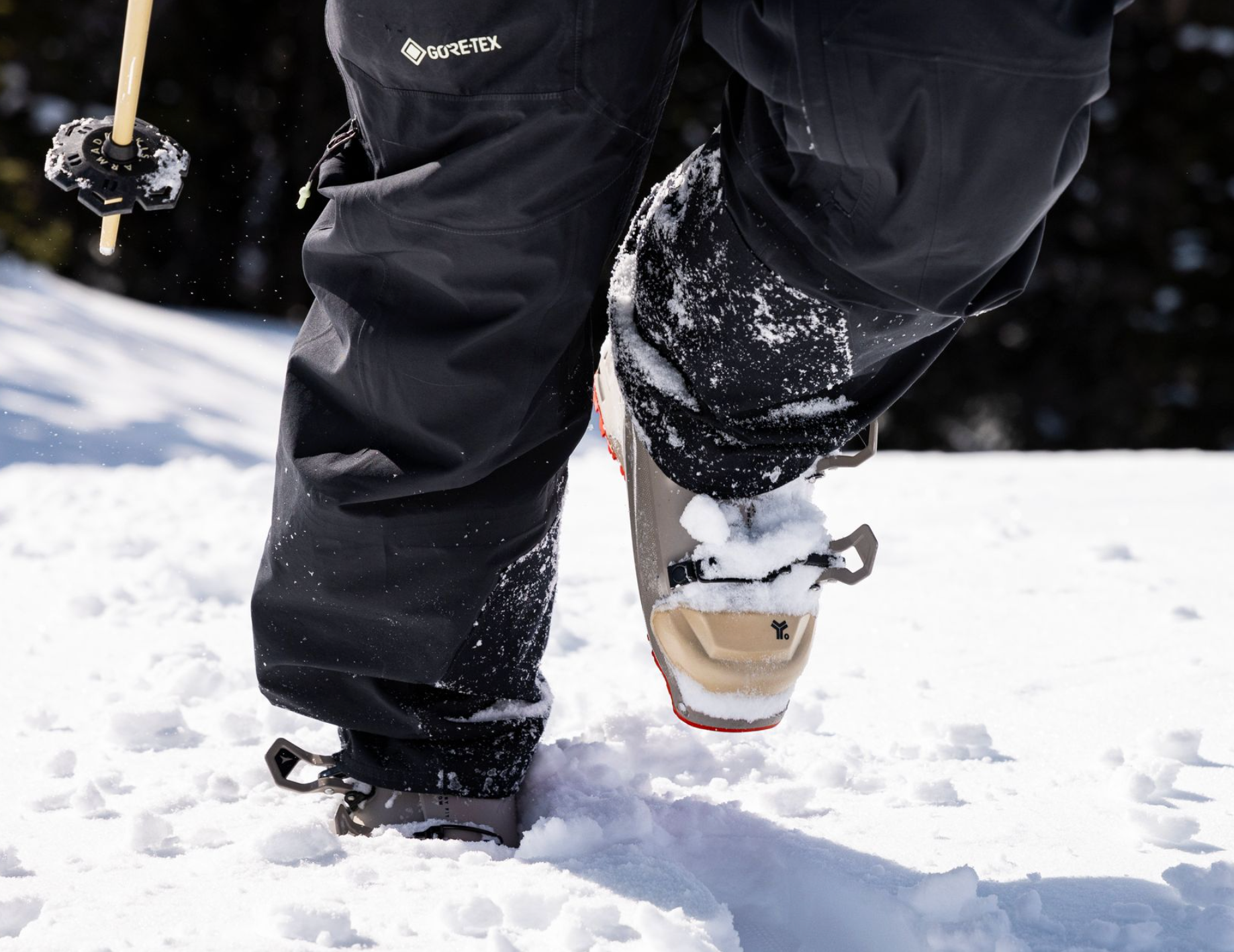
Thorpe’s initial test of his DIY toe cap was as straightforward as it was insightful. He headed to Snowbird, Utah, a resort known for its challenging terrain and often formidable cold. For four hours, he skied with the prototype Bootcap affixed only to his left boot, leaving his right boot unadorned. The intention was to create a direct, comparative assessment of warmth. During the tram rides and descents, he paid close attention to the sensation in each foot. The difference was stark: his right foot, exposed to the elements, grew progressively colder, eventually reaching a state of uncomfortable numbness. His left foot, shielded by the foam cap, remained comfortably warm.
Initially, Thorpe wrestled with the possibility of a placebo effect. Could his strong belief in the concept be influencing his perception? To rule this out, he continued skiing, meticulously re-evaluating the sensation. The definitive confirmation came not just on the slopes, but during the drive home. His right foot continued to ache from the cold, a familiar post-ski discomfort. His left foot, however, was "toasty," a sensation he hadn’t experienced on such a cold day without active heating. "At that point, after a full day of testing, I knew I was onto something," Thorpe recounted, "I wasn’t lying to myself." This empirical, albeit personal, validation solidified his conviction.
Recognizing the potential beyond a personal hack, Thorpe sought to formalize the development. He reached out to his long-time friend, Nate Ries, an individual with a strong background in design and an entrepreneurial spirit. Ries immediately grasped the product’s potential, seeing the elegance in its simplicity and the widespread need it addressed. Together, they made the pivotal decision to invest in the idea, each contributing $25,000 to officially establish Bootcap as a company. This capital injection allowed them to move beyond ad-hoc prototyping to a more structured development process.
The subsequent phase involved rounds of rigorous testing and refinement. Thorpe returned to Snowbird repeatedly, pushing the limits of his prototypes. To further eliminate the possibility of subjective bias, he devised a more scientific testing methodology. He rigged his ski boots with miniature digital thermometers, strategically placing them between the plastic shell and the boot liner in the toe area. A temperature readout device was taped to his thigh, allowing him to monitor real-time temperature differences. After another four hours of skiing, the data provided irrefutable proof: the boot equipped with the Bootcap consistently registered 20 degrees Fahrenheit warmer than its uncapped counterpart. This objective, quantitative evidence decisively confirmed the efficacy of the external foam cap, moving the concept from a promising idea to a scientifically validated solution.
Engineering Perfection: Material Science and Design
With the concept proven, Thorpe and Ries immersed themselves in the minutiae of product development, obsessing over every detail to ensure a robust and effective final product. Their focus narrowed on three critical elements: material selection, shape, and adhesive.
The choice of material was relatively straightforward: high-end, closed-cell foam. This material is renowned for its superior thermal insulation properties. Closed-cell foams trap air within their structure, creating millions of tiny pockets that resist heat transfer. This makes them highly effective at both preventing cold from penetrating the boot and retaining the natural heat generated by the foot. Unlike open-cell foams, which can absorb moisture and lose insulating capability, closed-cell foam repels water, maintaining its performance even in snowy and damp conditions. This combination of insulation and water resistance made it the ideal choice for the demanding ski environment.
The shape of the Bootcap presented a unique design challenge. Ski boots come in a myriad of brands, models, and sizes. However, a crucial industry standardization simplified this aspect: all adult ski boot toe pieces are designed to fit into universal binding systems. This commonality allowed Thorpe and Ries to develop a single, "one-shape-fits-all" cap that could be applied across the vast majority of adult ski boots. This universality was a critical factor in making Bootcap an accessible and scalable product, avoiding the complexities and costs associated with multiple size variations.
The adhesive mechanism was another area of intense scrutiny. Early considerations included Velcro, for its ease of application and removal. However, Thorpe and Ries quickly identified a significant flaw: Velcro’s inherent texture would create small gaps between the Bootcap and the boot shell, allowing cold air to seep in and compromise the insulation. The effectiveness of the cap hinged on a tight, continuous seal. After extensive testing, they settled on a strong, durable, and weather-resistant glue. This adhesive ensured the Bootcap remained firmly in place, creating an unbroken barrier against the cold without interfering with boot performance or binding functionality. The development of an easy-to-use jig also became essential, guiding users to correctly position the caps to avoid any interference with the binding mechanism.
Industry Endorsement and Market Launch
As development progressed, the nascent Bootcap began to attract attention within the tight-knit ski community of the Intermountain West. Friends of Thorpe and Ries, along with a growing roster of professional skiers based in the Salt Lake City area, started hearing about the innovation. Intrigued by the promise of warmer feet, many requested samples. The feedback was overwhelmingly positive. Renowned athletes such as Dash Longe, an acclaimed big-mountain skier; Jonny Moseley, an Olympic gold medalist in freestyle skiing; Ted Ligety, a World Cup giant slalom champion; and Todd Ligare, another prominent big-mountain skier, all experienced the tangible benefits. Their unsolicited endorsements provided invaluable validation, signaling that Bootcap was not just a niche solution, but a genuinely impactful product for even the most demanding skiers.
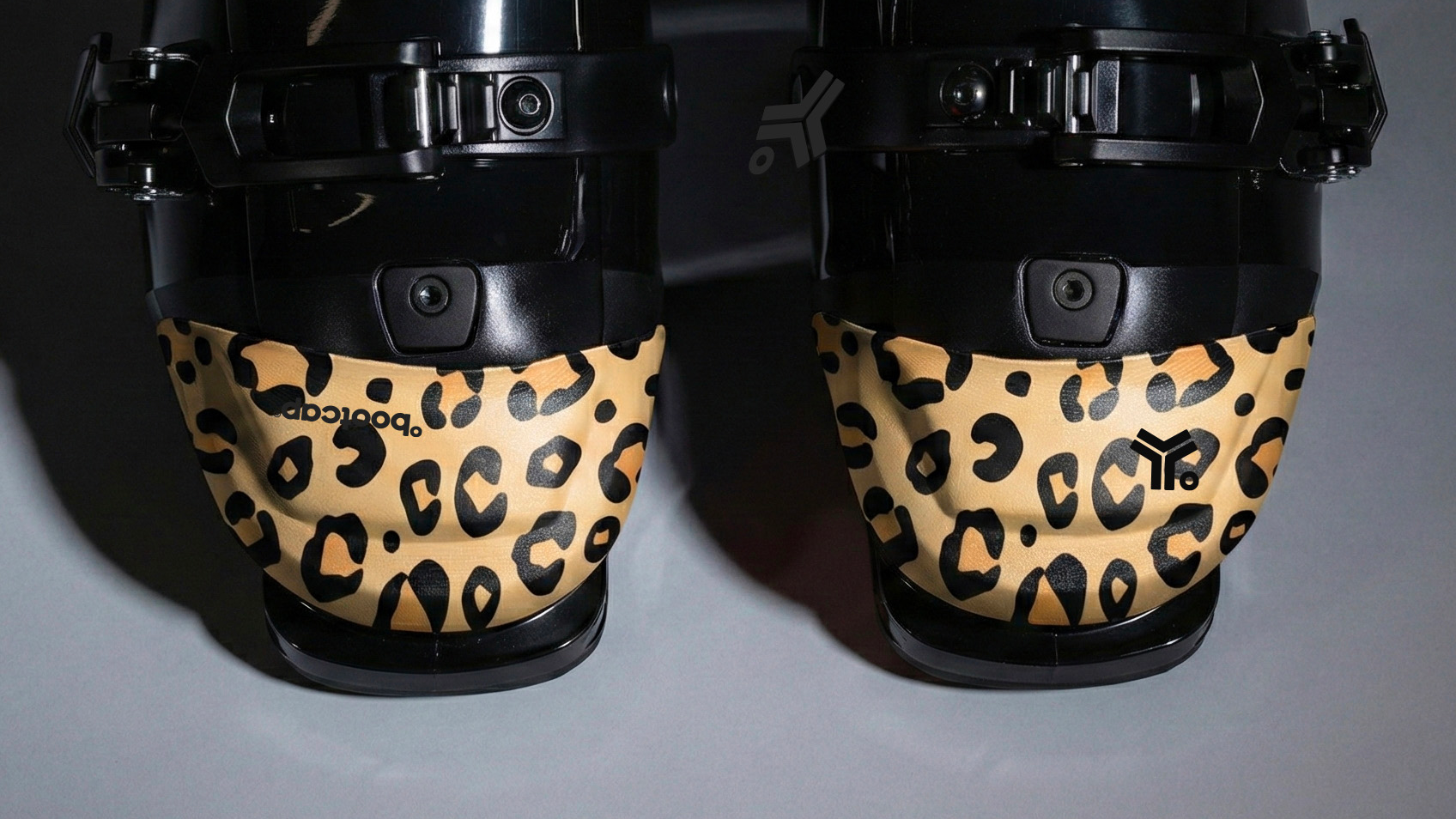
After six years of meticulous development, rigorous testing, and iterative design, Bootcap officially launched during the 2023/2024 winter season. The product became available for purchase online and through a selection of specialized retail stores, bringing Thorpe’s long-held vision to market. "Nate and I are obsessive, so it took a long time, but we didn’t want to put a bad product on the market," Thorpe explained, emphasizing their commitment to quality and performance over speed to market. This deliberate approach ensured that the product introduced to consumers was thoroughly vetted and met the high standards set by its founders.
Real-World Application: A Journalist’s Firsthand Experience
The effectiveness of the Bootcap was recently put to the test during a late January ski trip to Jackson Hole, Wyoming, by a ski journalist participating in a product evaluation. The conditions were quintessential cold-weather skiing: temperatures near zero degrees Fahrenheit, exacerbated by steady winds that created a punishing wind chill. The group, comprising two guides, three brand representatives, and the journalist, wasted no time, immediately descending challenging terrain like Rendezvous Bowl after disembarking from the tram. Speeds frequently reached 20-30 miles per hour, covering 4,000 feet of vertical descent in rapid succession.
After approximately two hours of aggressive skiing on steep runs and freshly groomed corduroy, the ambient temperature had only risen marginally to five degrees Fahrenheit. While waiting for the next tram, the journalist conducted a personal comfort assessment. Hands were beginning to feel the cold, and the nose was frozen, but remarkably, the toes remained comfortable. This was a significant departure from previous experiences, where toes were typically the first to succumb to the cold, often becoming uncomfortably numb long before other extremities.
The journalist then recalled the new piece of gear applied the day prior: Bootcaps, strapped to the Atomic boots by a brand representative. Initially skeptical, viewing the caps as potentially "hooey," the journalist had agreed to try them as a favor to a trusted industry contact known for recommending innovative gear. The experience in Jackson Hole provided undeniable proof of their efficacy. "Thanks to this seemingly insignificant toe cap, my feet were happy and I was ready to keep going," the journalist concluded. This firsthand account corroborates the scientific testing and professional endorsements, highlighting Bootcap’s practical impact on skier comfort and endurance.
Bootcap is currently on its third design iteration, a testament to the founders’ ongoing commitment to refinement. Nate Ries spearheaded the latest improvements, creating a new clay mold that resulted in a better fit and easier application, launched in December 2025. The installation process is straightforward: peel off the paper backing to expose the adhesive, then use the provided jig to correctly position the cap on the boot toe, ensuring it doesn’t interfere with bindings. While the adhesive works at room temperature, warming it gently with a hairdryer enhances its bonding strength, creating a more durable seal.
Broader Market Implications and Future Outlook
The introduction of Bootcap holds significant implications for the wider ski industry. It addresses a fundamental barrier to enjoyment and participation – discomfort from cold. By offering an effective, relatively inexpensive ($60 per pair) and durable solution, Bootcap has the potential to expand the market for comfortable cold-weather skiing, making it more accessible to recreational skiers who might otherwise be deterred by cold feet. This could lead to increased time on the slopes, more equipment purchases, and overall greater satisfaction within the sport.
The company’s strategic growth plans reflect this broader vision. Mike Thorpe, while still dedicating 10 hours a week to his bootfitting clients due to high demand for his expertise, spends the majority of his time steering Bootcap’s expansion. Upcoming initiatives include the launch of Bootcaps for kids’ ski boots next year, a crucial development that could significantly enhance the experience for younger skiers, who are often more susceptible to cold. This expansion into the youth market aligns with the company’s goal of making skiing "easier and more fun" for everyone.
Furthermore, Bootcap is actively pursuing strategic partnerships. They have already collaborated with the renowned film company TGR (Teton Gravity Research) on a co-branded Bootcap, leveraging the appeal of influential brands within the ski world. Several other companies have approached Bootcap for similar collaborations, indicating a strong industry interest in integrating this innovative accessory. This collaborative approach not only expands Bootcap’s reach but also validates its position as a legitimate and desirable product in the ski accessories market.
The founders envision Bootcap as more than just a functional item; they aim to cultivate a brand that resonates with the style and ethos of skiing. "The whole reason Nate and I got into the ski industry was because we love product development and we love style," Thorpe stated. "We want Bootcaps to be useful, but we also want people to love the brand and feel great about wearing our product on their gear." This emphasis on brand identity, combined with a commitment to continuous product improvement and strategic market expansion, positions Bootcap not just as a temporary fix for cold toes, but as a potentially enduring and essential piece of ski equipment that enhances the overall skiing experience. The initial skepticism surrounding a simple foam cap has given way to widespread recognition of its profound, yet elegantly simple, impact.
