
Published March 4, 2026 10:17AM
The biting cold of a late January morning at Jackson Hole set the stage for an unexpected revelation in ski gear. With temperatures hovering near zero degrees Fahrenheit and persistent winds sweeping across the peaks, a group comprising two guides, three brand representatives, and a ski journalist embarked on a rapid descent. The objective was clear: navigate the challenging terrain, including a quick pass by the iconic Corbet’s Couloir, before carving aggressively down Rendezvous Bowl. Despite intermittent stops for regrouping, the group maintained an impressive pace, covering approximately 4,000 feet of vertical descent at speeds ranging from 20 to 30 miles per hour.
After an intense two-hour session of tackling steep runs and meticulously groomed corduroy, the mercury had barely budged, registering a frigid five degrees Fahrenheit. While awaiting the next tram, the journalist conducted a personal assessment of comfort levels. Hands were succumbing to the cold, and the nose felt distinctly frozen, yet, remarkably, the toes remained comfortable. This observation was particularly noteworthy, as cold toes were often the first indication of discomfort on intensely cold days, frequently signaling the premature end of a ski session. This time, however, the toes showed no signs of distress, not even on the periphery of discomfort.
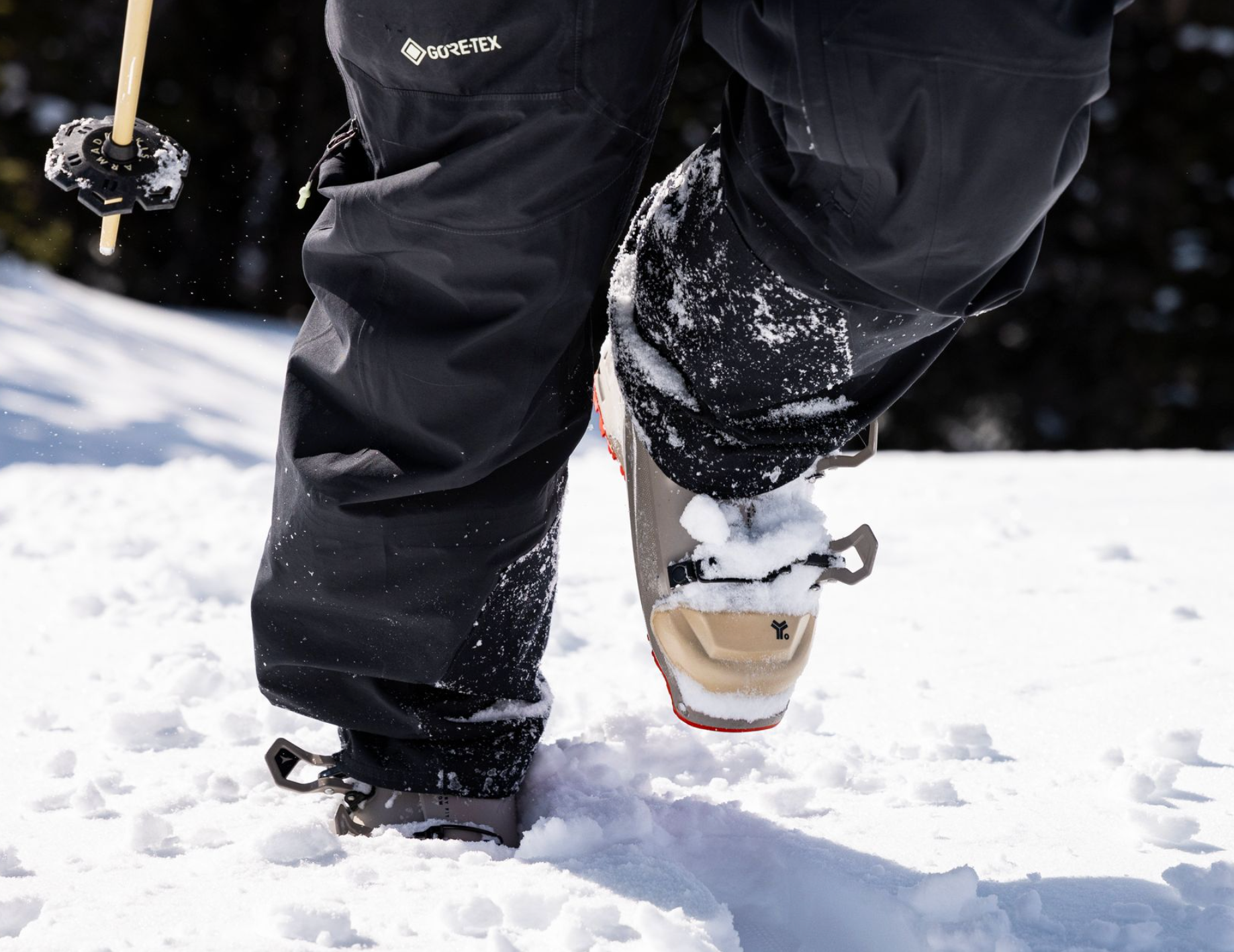
A quick glance downward triggered the memory of a recent addition to the ski boots. The previous day, a brand representative had affixed a new piece of gear to the Atomic boots: a "Bootcap." This innovative accessory, a custom-molded piece of closed-cell foam, snugly wrapped the entire front of the boot’s toe box. Initially, the journalist harbored skepticism, perceiving the caps as a potential gimmick. However, out of respect for the long-standing relationship with the representative, known for consistently recommending genuinely smart gear innovations, the trial was accepted. The day’s experience unequivocally validated the representative’s judgment. Thanks to this seemingly modest toe cap, the feet remained warm, ensuring readiness to continue skiing without compromise.
The Genesis of an Innovation: A Bootfitter’s Enduring Challenge
The story behind the Bootcap traces back to the insights of Mike Thorpe, co-founder of the company and a veteran bootfitter based in Salt Lake City with three decades of experience. His journey from a seasoned professional grappling with common skier complaints to an innovator developing a simple yet effective solution is a compelling narrative in product development. Thorpe had long observed a consistent correlation: ski boots equipped with high-end, closed-cell foam liners offered superior warmth compared to standard liners. While these premium liners, often exceeding $200, provided excellent insulation, their cost rendered them inaccessible to the vast majority of skiers. This realization sparked an idea: could the insulating benefits of closed-cell foam be democratized, made available to the masses without the prohibitive cost of a full custom liner?
The concept simmered in Thorpe’s mind for years, a persistent thought waiting for the right moment to materialize. The critical turning point arrived in 2017 when he finally decided to physically test his hypothesis. His initial prototype was as rudimentary as it was ingenious: he acquired a $250 premium boot liner, surgically removed the toe section, and affixed it to the exterior of his own ski boot. This simple, hands-on experiment was the foundational step in addressing one of skiing’s most pervasive and frustrating issues.
Thorpe’s extensive experience as a bootfitter had provided him with an intimate understanding of the biomechanics of cold feet in skiing. He knew that the toe box was consistently the coldest part of the foot, primarily because it bears the brunt of the wind chill. This problem had been exacerbated by modern ski boot design trends. In pursuit of lighter boots, manufacturers had progressively thinned the plastic in the toe area, inadvertently reducing inherent insulation. Furthermore, the common practice among bootfitters, including Thorpe himself, of "punching out" the toe box to achieve a custom fit often thinned the plastic even further, compounding the insulation deficit. Thorpe’s novel device offered a straightforward, external solution to this structural vulnerability, restoring much-needed insulation without altering the boot’s internal fit or compromising its structural integrity.
Rigorous Testing and Scientific Validation
To rigorously test his initial prototype, Thorpe embarked on a series of self-experiments at Snowbird, Utah, a location known for its challenging terrain and often harsh winter conditions. For his first critical test, he skied for four hours with a Bootcap affixed only to his left boot’s toe, leaving his right foot as a control. During tram rides, a period when cold often penetrates deeply, he reported his right foot felt frozen, while the left, protected by the cap, remained comfortable. Aware of the powerful influence of the placebo effect, Thorpe continued his assessment throughout the day. The drive home provided further anecdotal evidence: his right foot ached with cold, while his left foot felt notably warm and comfortable. "At that point, after a full day of testing, I knew I was onto something," Thorpe recounted, "I wasn’t lying to myself."
The undeniable results spurred Thorpe to formalize his venture. He reached out to his long-time friend, Nate Ries, with whom he had frequently discussed entrepreneurial endeavors within the ski industry. Ries, bringing essential design expertise to the table, immediately recognized the profound potential of Thorpe’s innovation. Together, they each invested $25,000, laying the financial groundwork for their new company.
The development process that followed was characterized by extensive iteration and meticulous testing. Thorpe continued his regular excursions to Snowbird, pushing the boundaries of his prototypes. In one particularly insightful experiment, he integrated digital thermometers between the plastic shell and the liner of his ski boots, carefully taping a temperature readout device to his thigh. This setup was designed to objectively measure the internal temperature differential, minimizing any potential interference from his body heat or subjective perception. After four hours of skiing, the boot equipped with the Bootcap registered a remarkable 20 degrees Fahrenheit warmer than the control boot. This quantitative data provided irrefutable scientific validation, dispelling any lingering doubts about the cap’s efficacy. "I wasn’t crazy," Thorpe affirmed, describing the moment of confirmation.
Engineering Perfection: Obsessing Over Details
With the concept definitively proven, Thorpe and Ries immersed themselves in the intricate details of product development. Their shared passion for product design and a commitment to quality drove them to obsess over every element: the ideal material, the optimal shape, and the most effective adhesive. The choice of high-end, closed-cell foam was a natural fit, owing to its superior insulating properties and ability to retain heat. This material is widely recognized in the outdoor industry for its excellent thermal resistance and durability, making it an ideal candidate for combating extreme cold.
Addressing the challenge of fit, Thorpe leveraged a crucial industry standard: the universal toe dimensions required for all adult ski boots to interface correctly with bindings. This standardization allowed them to design a single, universal "one-shape-fits-all" cap, significantly simplifying manufacturing and user application. The adhesive proved to be another critical consideration. Initial thoughts explored Velcro, but this was quickly dismissed due to concerns about air ingress between the cap and the boot, which would compromise insulation. Ultimately, they settled on a powerful, reliable adhesive capable of creating a secure, insulating seal.
The Bootcaps quickly garnered attention within the close-knit ski community, particularly among friends and a network of professional skiers in the thriving Salt Lake City area. Esteemed athletes such as Dash Longe, Jonny Moseley, Ted Ligety, and Todd Ligare recognized the tangible benefits of the product, readily requesting samples and providing invaluable feedback. Their early adoption and endorsement served as a powerful testament to the Bootcap’s effectiveness and practical utility.
Finally, after six years of dedicated development and refinement since Thorpe’s initial prototype, the company officially launched Bootcap during the 2023-2024 winter season. The product became available for purchase online and through select retail partners, marking the culmination of a long and meticulous journey. "Nate and I are obsessive, so it took a long time, but we didn’t want to put a bad product on the market," Thorpe emphasized, underscoring their unwavering commitment to quality.
Market Integration and Future Expansion
Thorpe continues to maintain his roots in the bootfitting community, dedicating approximately 10 hours a week to his loyal clientele who seek his unparalleled experience. The remainder of his time is now channeled into scaling the Bootcap enterprise. The company is strategically planning the launch of caps for children’s ski boots in the upcoming year, addressing a significant demographic often overlooked in specialized gear. Furthermore, Bootcap is actively expanding its partnerships. A successful collaboration with the renowned film company TGR (Teton Gravity Research) has already yielded a co-branded Bootcap, and several other companies have expressed interest in similar ventures. The overarching goal remains consistent: to expand the brand’s reach while steadfastly adhering to the original vision of delivering a straightforward product that enhances the skiing experience by making it more comfortable and enjoyable.
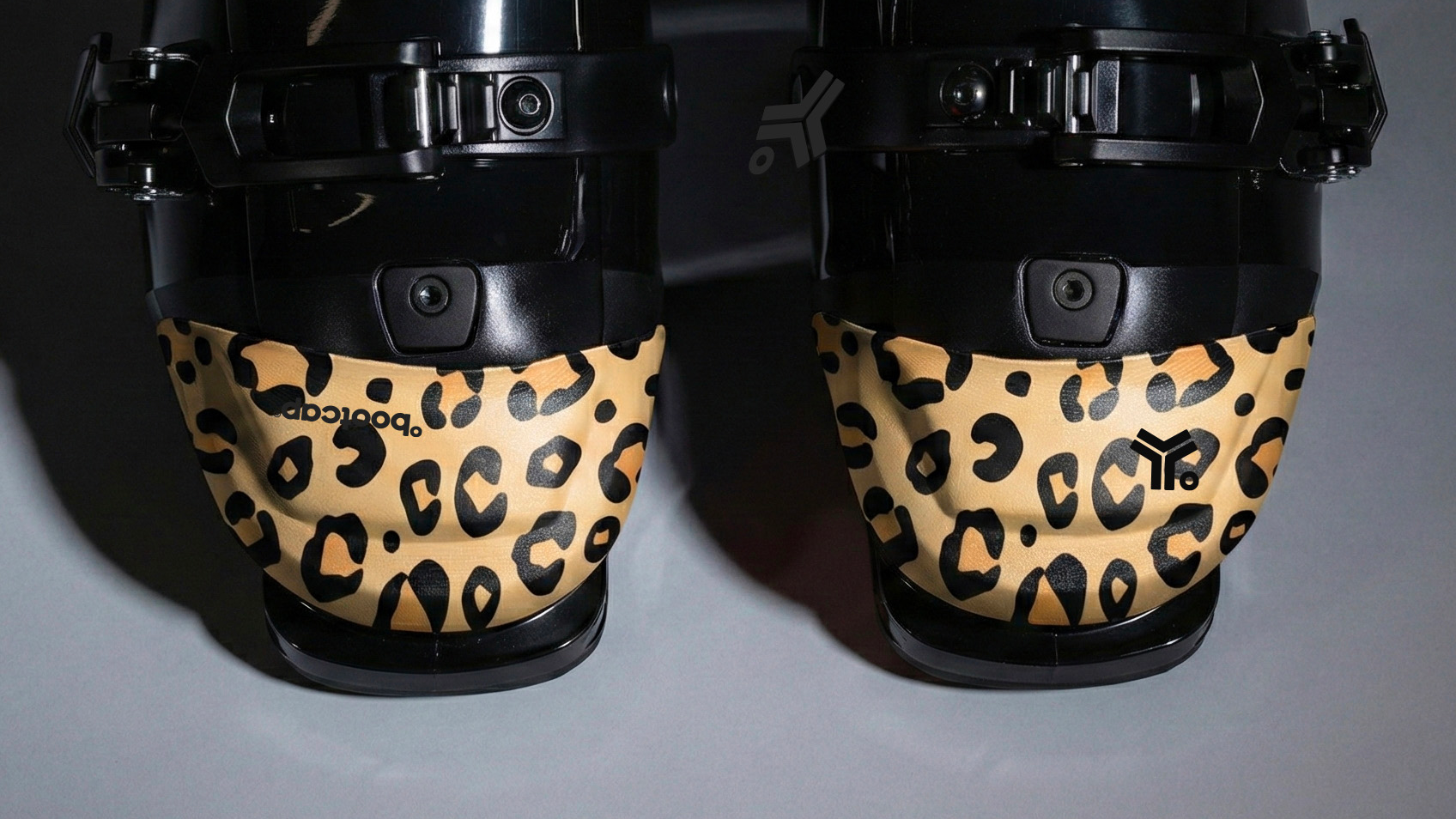
"The whole reason Nate and I got into the ski industry was because we love product development and we love style," Thorpe articulated, highlighting the dual drivers behind their brand. "We want Bootcaps to be useful, but we also want people to love the brand and feel great about wearing our product on their gear." This philosophy underscores a broader trend in the outdoor industry: products that combine functionality with aesthetic appeal and a strong brand identity.
Product Evolution and Independent Verification
Bootcap is currently on its third design iteration, a testament to the company’s commitment to continuous improvement. Nate Ries, leveraging his design acumen, returned to the drawing board, developing a new clay mold that informed the improved Bootcap design launched in December of the previous year. These subtle yet crucial refinements have resulted in a cap that offers an even better fit and greater ease of application, a feature observed firsthand during recent testing.
The application process is designed for simplicity and effectiveness. Users merely peel off the paper backing to expose the adhesive and snugly position the caps onto the toe of the boot. While the adhesive performs effectively at room temperature, its bond is further strengthened when gently warmed with a hairdryer. A proprietary, easy-to-use jig ensures precise positioning of the caps, guaranteeing that they never interfere with the ski bindings—a critical safety and performance consideration.
Initial testing conducted over a two-week period has yielded compelling results. While acknowledging the potential for a placebo effect, the perceived warmth difference provided by the Bootcaps is undeniable. Even accounting for psychological influences, the physical sensation of consistently warm toes fundamentally alters the skiing experience. This tangible benefit strongly supports continued use of the product, with plans to equip children with the youth version upon its release next year. At a retail price of $60, the Bootcaps might initially appear to be a significant investment for a piece of foam. However, rigorous testing and real-world application demonstrate that this is a modest price to pay for the consistent and dependable warmth of one’s toes, transforming what can often be a source of discomfort into an element of sustained enjoyment.
Broader Implications for Ski Gear and Skier Well-being
The introduction of Bootcap represents more than just a new accessory; it signifies a thoughtful response to a long-standing challenge in winter sports. For decades, cold feet have been a primary complaint among skiers, leading to reduced time on the slopes, diminished enjoyment, and, in extreme cases, risks of frostnip or frostbite. Traditional solutions have ranged from expensive custom liners and heated socks (which require battery management) to chemical toe warmers (which offer limited duration and contribute to waste). Bootcap offers an elegantly simple, passive, and durable alternative.
The success of Bootcap also highlights a crucial trend in outdoor gear innovation: sometimes, the most effective solutions are not the most complex or technologically advanced, but rather those that address fundamental problems with straightforward engineering. By focusing on the external insulation of the toe box, Thorpe and Ries have bypassed the complexities of internal boot modifications, offering a universally applicable enhancement.
For bootfitters, Bootcaps could become an invaluable tool. While custom fitting remains essential for performance and comfort, the addition of external insulation offers a readily available upgrade that can significantly enhance a client’s overall satisfaction without requiring extensive internal boot modifications that might compromise fit or shell integrity. This product empowers bootfitters to offer a simple, cost-effective solution to a common client complaint, further solidifying their role as experts in skier comfort.
Furthermore, the brand’s emphasis on both utility and style – evidenced by collaborations like the TGR Bootcap and future patterned designs – reflects a growing demand in the outdoor market for gear that performs exceptionally while also allowing for personal expression. This blend of performance and aesthetics is key to fostering brand loyalty and expanding market appeal beyond purely functional considerations. As the ski industry continues to evolve, products like Bootcap demonstrate that innovation can still emerge from a deep understanding of user experience and a dedication to solving real-world problems, one warm toe at a time. The long-term impact could be a noticeable increase in overall skier comfort and a greater retention rate in the sport, ensuring more enjoyable days on the mountain for enthusiasts of all ages and skill levels.
