
Published March 4, 2026 10:17 AM
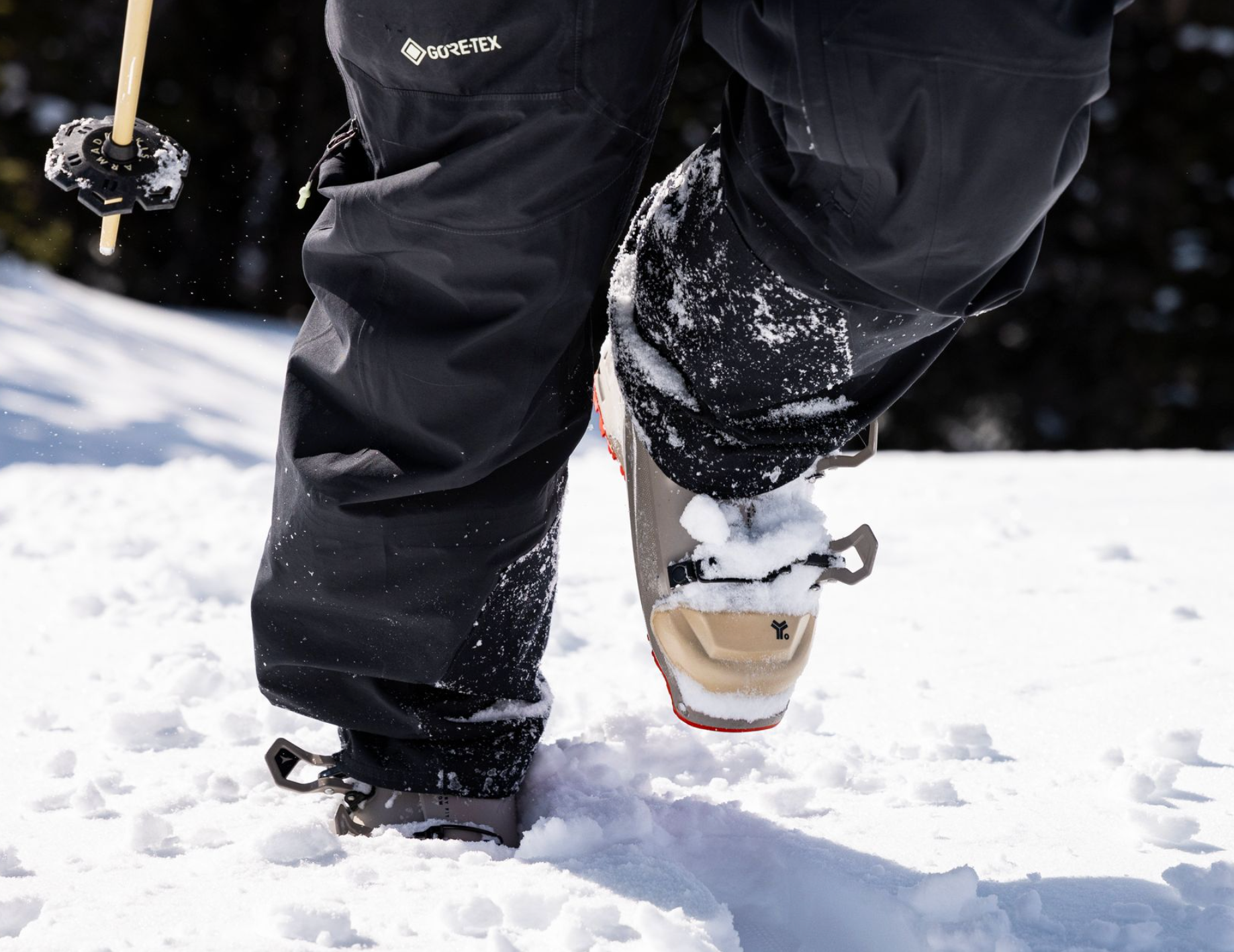
The biting chill of a late January morning at Jackson Hole, with temperatures hovering near zero degrees Fahrenheit and persistent winds, presented a familiar challenge for any avid skier. For a group including two guides, three brand representatives, and a ski journalist, a recent expedition down Rendezvous Bowl, skirting the iconic Corbet’s Couloir, offered an immediate test of gear performance. The descent involved covering approximately 4,000 feet of vertical terrain at speeds ranging from 20 to 30 miles per hour, punctuated by minimal stops. After two hours of navigating steep descents and freshly groomed corduroy, the ambient temperature had barely climbed to five degrees Fahrenheit. While waiting for the next tram, the journalist noted an unexpected level of comfort in their feet, particularly the toes—a common trouble spot on intensely cold days. This unusual warmth was attributed to a new, seemingly understated piece of equipment: the Bootcap, a custom-molded closed-cell foam attachment designed to insulate the front of a ski boot’s toe.
The Enduring Challenge of Cold Feet on the Slopes
Cold extremities, particularly the feet, have long been a pervasive and often debilitating issue for skiers. Beyond mere discomfort, cold feet can significantly detract from performance, shorten ski days, and even pose health risks such as frostnip or mild frostbite in extreme conditions. The toes are particularly vulnerable, serving as the first point of contact with cold air and wind, and being furthest from the body’s core circulation. This physiological reality is exacerbated by modern ski boot design trends. In the pursuit of lighter, more responsive boots, manufacturers have progressively thinned the plastic shells, especially around the toe box, reducing inherent insulation. Furthermore, custom bootfitting, a crucial process for optimal performance and comfort, often involves "punching out" the toe area to accommodate foot shape, inadvertently thinning the plastic further and compromising insulation. Traditional solutions, such as thicker socks or expensive heated boot liners and socks, come with their own set of compromises, including reduced feel for the skis, bulkiness, high cost, or reliance on battery life, which can dwindle in frigid temperatures. The persistent nature of this problem underscored a clear market need for an effective, accessible, and unintrusive solution.
A Genesis in Salt Lake City: Mike Thorpe’s Vision
The genesis of Bootcap traces back to the extensive experience of Mike Thorpe, a veteran bootfitter based in Salt Lake City, Utah, with over three decades in the industry. Thorpe’s intimate knowledge of ski boot mechanics and skier comfort issues led him to a crucial observation early in his career: high-end, closed-cell foam boot liners consistently provided superior warmth compared to standard liners. This insight, however, was tempered by the understanding that such premium liners typically retail for upwards of $200, placing them out of reach for the average skier. For years, the idea of democratizing this insulating technology remained a latent concept.
The pivotal moment arrived in 2017. Driven by the increasing complaints from his clientele about cold toes—a direct consequence of thinner boot plastics and custom fitting procedures—Thorpe decided to experiment. He procured a $250 high-performance liner, surgically removed the toe section, and, in a moment of inspired pragmatism, glued it to the exterior of his own ski boot. This crude yet revolutionary prototype marked the birth of what would become the Bootcap. The concept was disarmingly simple: if internal insulation was costly and often compromised, why not add external insulation directly where it was most needed?
From Prototype to Proof: Rigorous Testing and Validation
With his initial prototype in hand, Thorpe embarked on a meticulous testing regimen at Snowbird, one of Utah’s premier ski resorts, renowned for its challenging terrain and often harsh conditions. His first test was designed to minimize subjective bias: he skied for four hours with a Bootcap on only his left boot, leaving his right toe exposed. The results were immediate and striking. While riding the tram, his right foot felt frozen, a familiar sensation, but his left foot, protected by the makeshift cap, remained comfortably warm. Acknowledging the powerful influence of the placebo effect, Thorpe continued to ski, rigorously reassessing his perception. The drive home further solidified his findings; his right foot ached from the cold, while his left foot remained comfortably warm. "At that point, after a full day of testing, I knew I was onto something," Thorpe recounted, emphasizing his conviction that the sensation was not merely psychological. "I wasn’t lying to myself."
Convinced of the concept’s validity, Thorpe sought to formalize the venture. He enlisted the expertise of his long-time friend, Nate Ries, an individual with a strong background in design. Ries immediately recognized the potential of Thorpe’s invention. Together, they each invested $25,000, establishing the foundation for Bootcap as a company. The development phase was characterized by an obsessive commitment to detail and scientific validation. Thorpe returned to Snowbird repeatedly for further testing. In one notable experiment, he rigged his ski boots with digital thermometers placed strategically between the plastic shell and the liner, taping a temperature readout device to his thigh to monitor internal boot temperatures without direct interference from his feet. After four hours of skiing, the boot equipped with the Bootcap consistently registered a temperature 20 degrees Fahrenheit warmer than the unprotected boot. This objective data provided irrefutable evidence, moving the Bootcap beyond anecdotal experience into the realm of scientifically proven efficacy.
Building a Brand: Partnership, Design, and Market Entry
The rigorous testing phase transitioned into an equally meticulous product development process. Thorpe and Ries dedicated themselves to identifying the optimal materials, perfecting the shape, and selecting the most effective adhesive. The choice of high-end closed-cell foam was a natural fit, owing to its superior insulating properties, resistance to moisture, and durability—qualities essential for harsh alpine environments. A significant design challenge was creating a "one-size-fits-all" solution. Fortunately, the ski industry’s universal binding standards mandate specific dimensions for the toe and heel pieces of adult ski boots, allowing Thorpe to engineer a cap shape that would accommodate virtually all adult models without interfering with binding function. Initial considerations for an adhesive included Velcro, but this was quickly dismissed due to concerns about air gaps compromising insulation. The team ultimately settled on a robust, durable glue that ensured a snug, air-tight seal between the Bootcap and the ski boot.
Early traction for Bootcaps emerged through grassroots efforts within the tightly-knit skiing community of the Salt Lake City area. Friends and a roster of professional skiers, many of whom Thorpe and Ries knew personally or encountered on the slopes, quickly recognized the benefits. Notable names such as Dash Longe, Jonny Moseley, Ted Ligety, and Todd Ligare—all prominent figures in the ski world—requested samples and became early advocates, further validating the product’s effectiveness. This organic adoption by respected athletes underscored the genuine utility of the Bootcap.
After six years of intensive development and refinement since Thorpe’s initial prototype, Bootcap officially launched during the 2023/2024 winter season. The product became available for purchase online and through a select network of retail stores, marking its formal entry into the competitive ski gear market. Thorpe reflected on the extended development timeline, stating, "Nate and I are obsessive, so it took a long time, but we didn’t want to put a bad product on the market." This commitment to quality over speed has been a defining characteristic of the company’s ethos.
The Science of Warmth: How Bootcaps Work
The effectiveness of Bootcaps lies in the intelligent application of material science and an understanding of heat transfer principles. Closed-cell foam is a superior insulator compared to open-cell foams because its structure consists of individual, sealed pockets of air. These trapped air pockets resist convection, the transfer of heat through fluid motion (like circulating air), and conduction, the direct transfer of heat through materials. By creating a barrier of still air, the Bootcap significantly reduces heat loss from the boot and, conversely, prevents cold air from penetrating.
The strategic placement of the Bootcap—wrapping the entire front of the toe on the exterior of the ski boot—is critical. This area is most exposed to the direct onslaught of cold air and wind chill during skiing. The Bootcap acts as a highly effective wind barrier and an additional layer of insulation, supplementing the often-minimal insulation provided by the boot’s plastic shell and internal liner. By retaining the warmth generated by the foot inside the boot and blocking external cold, the Bootcap creates a microclimate around the toes, maintaining a more consistent and comfortable temperature.
The design features of the Bootcap further enhance its functionality. The universal shape for adult boots, meticulously developed by Thorpe, ensures compatibility across a vast range of ski boot models. The accompanying jig, an easy-to-use positioning tool, guarantees correct and consistent application, preventing interference with binding mechanisms—a crucial safety aspect. The proprietary adhesive, while designed to bond securely at room temperature, exhibits enhanced efficacy when gently heated with a hairdryer, ensuring a robust, long-lasting attachment that resists the rigors of skiing. The company’s commitment to continuous improvement is evident in its third design iteration, launched in December, which features subtle but significant tweaks to the clay mold, resulting in an improved fit and even simpler application process.
Industry Reception and Expanding Horizons
Even with the company’s growth, Mike Thorpe maintains his connection to his roots, continuing to work as a bootfitter for approximately 10 hours a week. This ensures he remains engaged with the evolving needs of skiers and the practicalities of boot performance. The remainder of his time is dedicated to scaling Bootcap. The company has ambitious plans for expansion, including the introduction of Bootcaps for children’s ski boots in the upcoming year—addressing another significant demographic often plagued by cold feet.
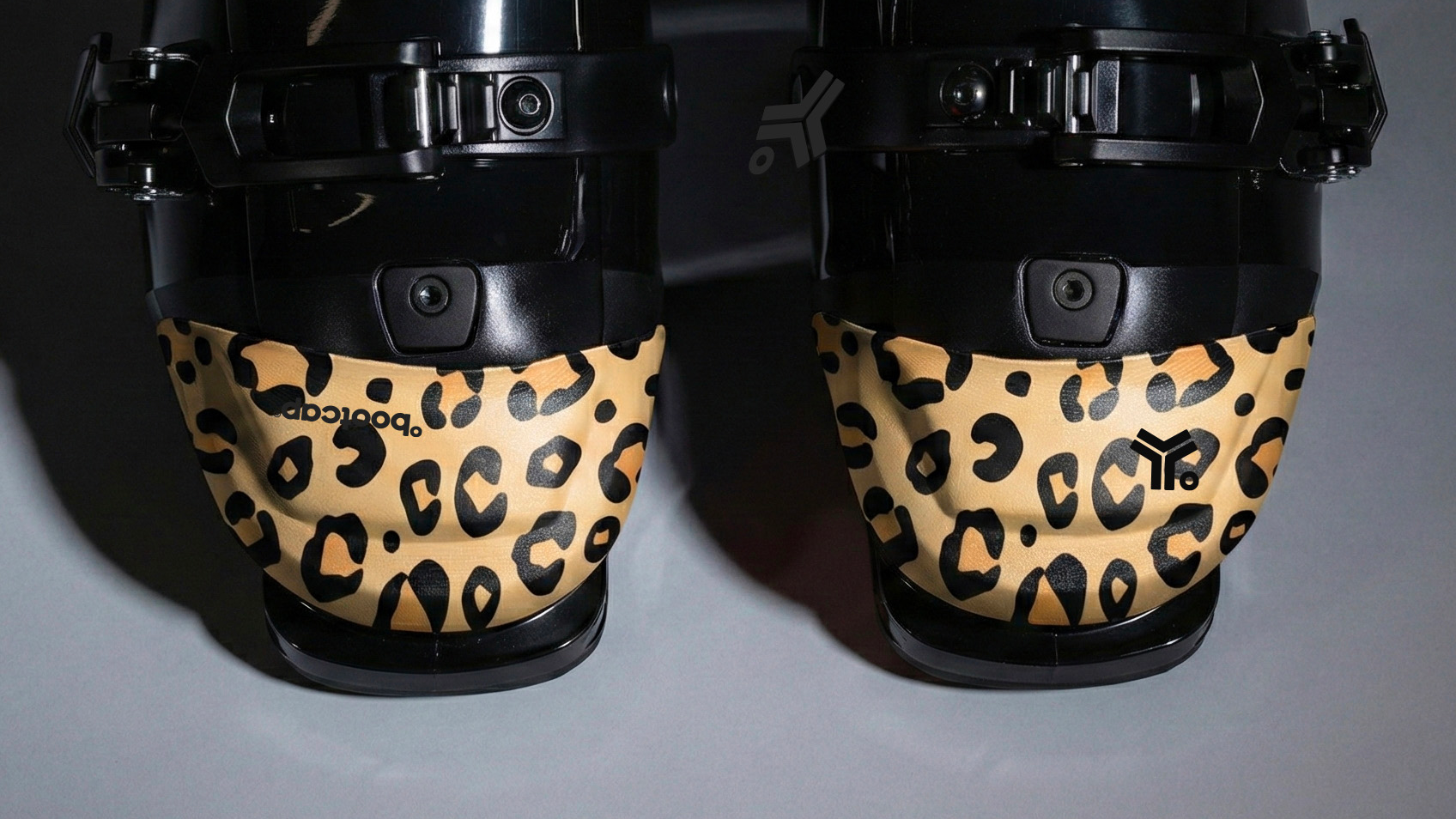
Partnerships are also a key component of Bootcap’s growth strategy. The company has already forged a collaboration with the renowned ski film production company, TGR (Teton Gravity Research), resulting in co-branded Bootcaps. This partnership leverages TGR’s extensive reach and credibility within the ski community, enhancing brand visibility. Several other companies have approached Bootcap for similar collaborations, indicating strong industry interest in their innovative product. Thorpe and Ries are committed to expanding the brand while remaining true to their core mission: providing a simple, effective product that enhances the skiing experience by making it more comfortable and enjoyable. Their overarching philosophy, as articulated by Thorpe, is driven by a passion for "product development and style." They aim for Bootcaps to be not only functionally superior but also aesthetically pleasing, fostering a sense of pride and connection to the brand among users.
Field Assessment: A Verdict on Essential Comfort
The journalist’s initial two-week testing period of the Bootcaps offered compelling preliminary results. Despite acknowledging the potential for a placebo effect, the perceived warmth difference was consistently notable. This personal experience, coupled with the rigorous scientific validation conducted during development, strongly suggests a tangible benefit. When evaluated against the backdrop of alternative solutions, the Bootcap presents a compelling value proposition. At approximately $60, it represents a significantly more affordable investment than high-end custom liners (which can exceed $200) or sophisticated heated sock/boot systems (often ranging from $100 to $300 and requiring battery management).
The decision to adopt Bootcaps, even with a modest price tag for what is essentially a piece of foam, translates into tangible benefits for the skier: extended time on the slopes, enhanced comfort, and a reduced likelihood of discomfort-induced performance degradation. For parents, the prospect of warm toes for their children, who are often more susceptible to cold, is a strong incentive for the upcoming youth version. The question of whether Bootcaps are a "gimmick or essential equipment" leans heavily towards the latter. In an industry where incremental improvements often come at a premium, Bootcaps offer a deceptively simple yet highly effective solution to a persistent problem, making dependable foot warmth accessible to a broader demographic of skiers.
The Future of Foot Warmth in Skiing
The success of Bootcap underscores the enduring potential for grassroots innovation even within mature industries like ski gear manufacturing. Mike Thorpe and Nate Ries have demonstrated that a deep understanding of user needs, combined with meticulous development and a commitment to quality, can yield impactful products. By focusing on a specific, widespread problem—cold toes—and developing an elegant, cost-effective solution, Bootcap has carved a distinct niche in the market.
As the company looks towards expanding its product line with children’s sizes and forging more strategic partnerships, it exemplifies a modern approach to brand building that prioritizes utility, style, and community engagement. The narrative of Bootcap is not just about a product; it’s about how a seasoned expert identified a common pain point and, through persistent innovation, delivered a solution that genuinely enhances the experience of skiing. In a sport where comfort directly translates to enjoyment and performance, Bootcaps represent a significant step forward in ensuring that more days on the mountain are spent focusing on the thrill of the descent, rather than the chill in one’s toes.
