
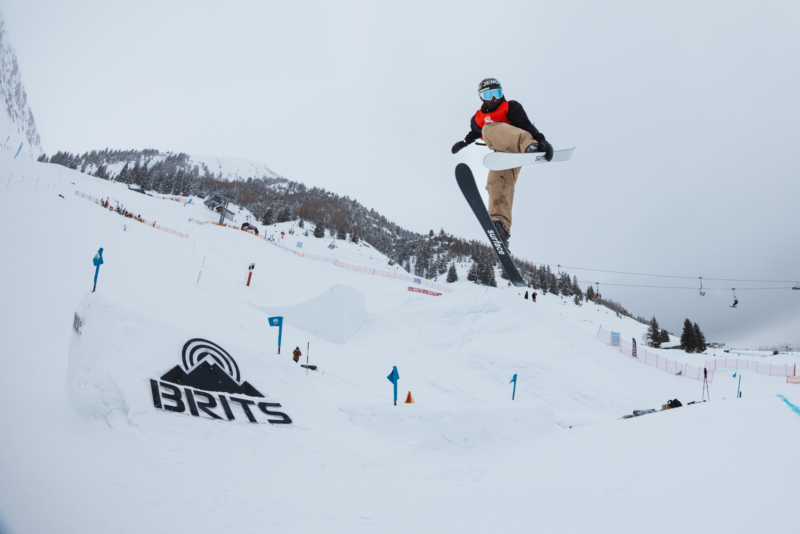
The 2026 edition of the British Snowboard & Freeski Championships, widely known as The BRITS, has marked a significant milestone in the development of UK snowsports with the successful launch of the Futures Championship. For the first time in the event’s history, a dedicated competition was established specifically for athletes under the age of 12, providing a formal bridge between the UK’s indoor snow centers and the expansive terrain of the Austrian Alps. Held at the world-renowned PenkenPark in Mayrhofen, the event offered many young competitors their first professional experience on natural alpine snow, signaling a strategic shift in how British snowsports talent is nurtured and identified.
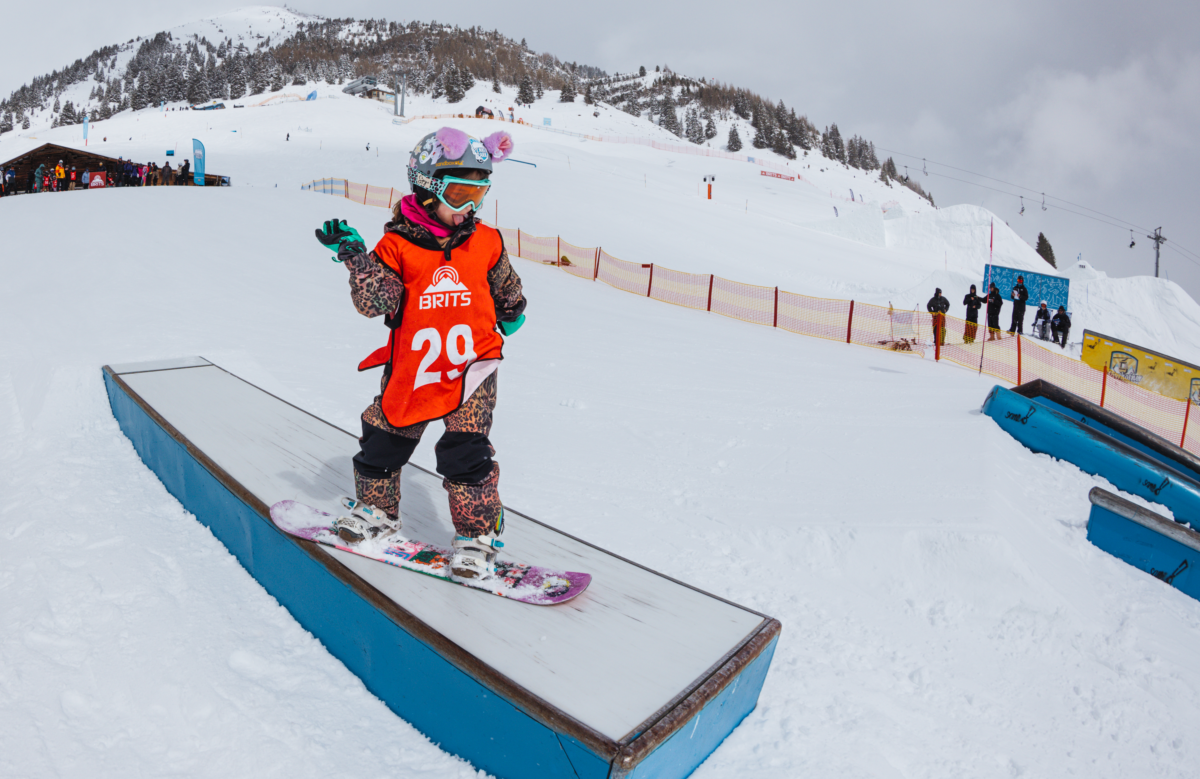
The introduction of the Futures Championship comes at a time when British freestyle skiing and snowboarding are seeing unprecedented interest at the grassroots level. Historically, The BRITS has served as the premier national stage for elite and aspiring athletes, but the transition from the UK’s artificial slopes to high-altitude alpine environments has often proven a daunting barrier for younger families. By creating a distinct, age-appropriate category, organizers have addressed the logistical and psychological challenges faced by the next generation of winter sports stars.
The Evolution of the British Snowsports Pipeline
The UK occupies a unique position in the global snowsports landscape. Despite a lack of high-altitude mountains with reliable snow cover, the nation has consistently produced world-class freestyle talent, including Olympic medalists such as Billy Morgan and Izzy Atkin. This success is largely attributed to a robust network of indoor snow centers—colloquially known as "fridges"—and artificial dry slopes. These facilities allow year-round training, fostering a technical proficiency that often rivals athletes from traditional alpine nations.
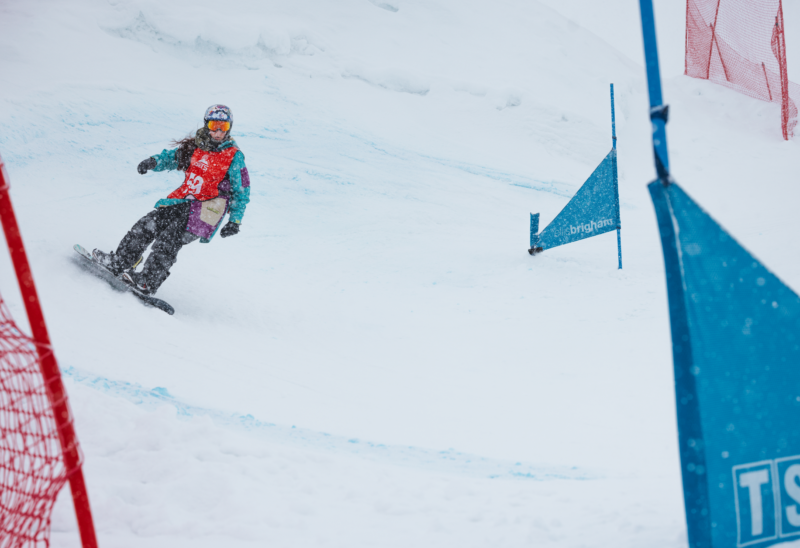
However, the transition from a controlled indoor environment to a massive alpine park like PenkenPark represents a significant escalation in scale. The 2026 Futures Championship was designed to facilitate this transition. By isolating the under-12 category from the senior and professional tiers, the event created a less intimidating atmosphere while maintaining the high standards of a national championship. The competition featured three primary disciplines: Big Air, Streetstyle (utilizing rails and boxes), and Banked Slalom.
Case Study in Development: The Thompson Siblings
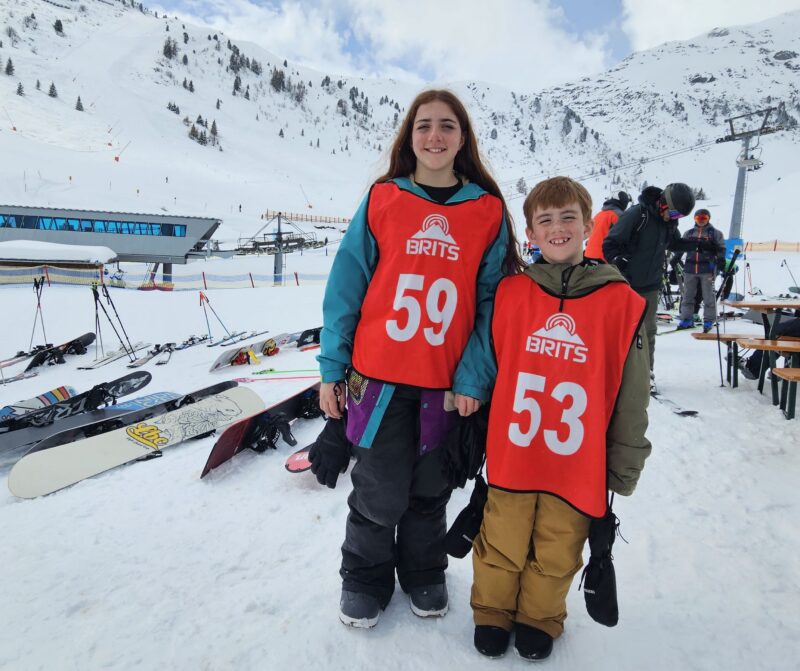
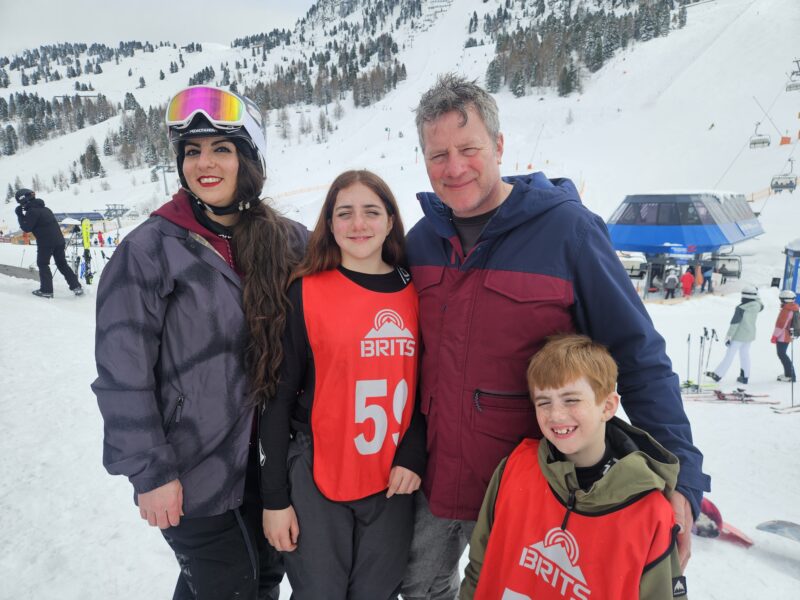
The experiences of Sienna and Ezra Thompson, siblings from Derbyshire, illustrate the typical journey of a young British rider. Sienna, aged 11, and Ezra, aged 7, primarily hone their skills at the Manchester Snow Centre. While they had previously competed in domestic iterations of The BRITS—such as the 2024 event held at the Tamworth Snowdome—the 2026 Austrian event was their first exposure to a major alpine freestyle venue.
For younger athletes, the primary challenge is often the sheer scale of the environment. Ezra Thompson noted the intimidating nature of the venue upon arrival, highlighting the "massive" jumps compared to indoor facilities. The technical demands of landing on steep, natural terrain rather than the consistent, flatter gradients of indoor slopes require rapid adaptation. Sienna Thompson, representing a more experienced tier of the under-12 demographic, demonstrated the resilience the program aims to build, approaching the mountain competition with the confidence gained from her domestic competitive history.
Holly Thompson, the athletes’ mother, emphasized that the decision to enter the children in the mountain-based championships was driven by the desire for experience. She noted that while the transition was daunting, the structure of the Futures Championship—which separates younger riders from the high-pressure environment of the older categories—was a decisive factor in their participation.
Strategic Realignment and Economic Accessibility
The creation of the Futures Championship was a collaborative effort between The BRITS organizer Stu Brass, Snowsport England, and Snowsport Scotland. The decision was informed by data from previous years, which showed a high participation rate for under-12s when the event was held in the UK, but a significant drop-off when the competition moved to the Alps.
Logistics and financial investment were identified as the primary barriers to entry. To combat this, the 2026 Futures Championship implemented several strategic changes:
- Compressed Schedule: All under-12 events were consolidated into a single day. This allows families to participate without the necessity of a week-long commitment, significantly reducing costs associated with accommodation, lift passes, and subsistence in an expensive alpine resort.
- Integrated Coaching: For a fee of £80, participants received a full day of professional coaching prior to the event, followed by ongoing technical support during the competition. This ensured that the athletes were not only competing but also developing their skills under expert supervision.
- Pathway Integration: By involving national governing bodies like Snowsport Scotland, the event served as a talent identification opportunity. Euan Baxter, a Park & Pipe coach for Snowsport Scotland, noted that the event allows coaches to observe how young athletes handle the variables of a mountain environment, which is crucial for long-term athletic development.
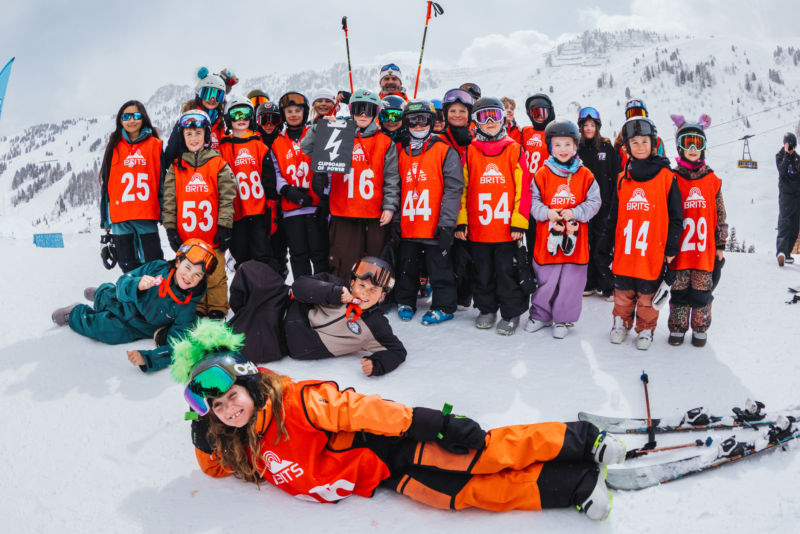
Stu Brass confirmed that the inaugural event saw nearly 30 participants, with the youngest competitor being only six years old. The feedback from parents has been overwhelmingly positive, particularly regarding the reduced pressure and the camaraderie among the young athletes.
The Venue: Mayrhofen’s PenkenPark
The choice of Mayrhofen as the host for the 2026 championships is significant. PenkenPark is widely regarded as one of the premier freestyle destinations in Europe, featuring a sophisticated lift system and a variety of lines ranging from "Pro" to "Kids." Providing young British athletes access to this level of infrastructure is vital for their progression.
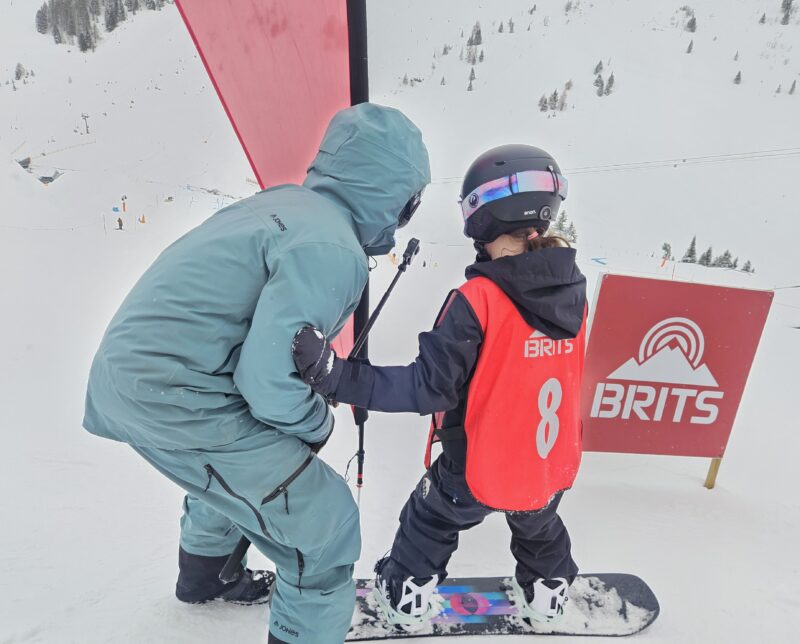
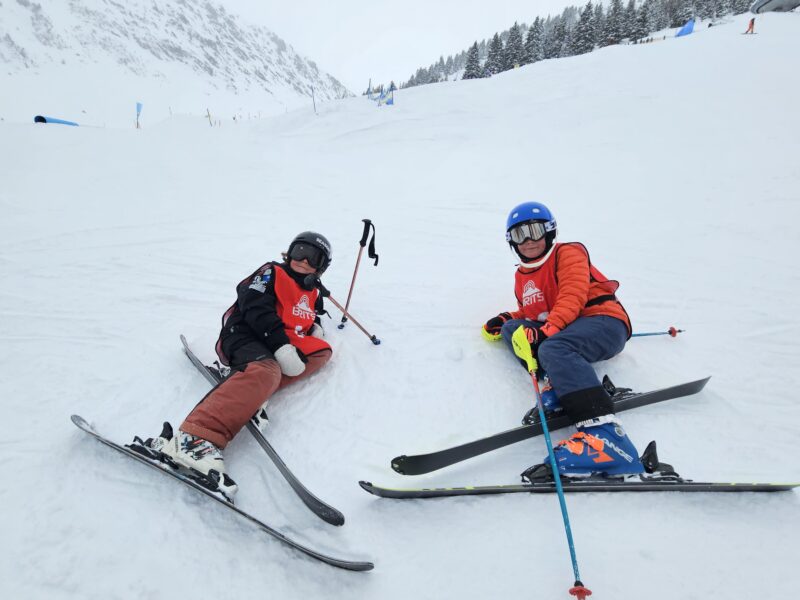
The Banked Slalom event, in particular, was praised for its ability to test fundamental edge control and speed management, skills that are sometimes secondary to trick progression in indoor parks. The Streetstyle event, held over a series of rails and boxes, allowed riders to showcase creativity, while the Big Air competition tested their ability to manage airtime and landings on a much larger scale than is possible in the UK.
Broader Implications for British Snowsports
The success of the Futures Championship has broader implications for the UK’s standing in international winter sports. As the 2026 Winter Olympics in Milan-Cortina concluded, the focus of national governing bodies has shifted toward the 2030 and 2034 cycles. The athletes competing in the under-12 category in Mayrhofen this year represent the cohort that will be reaching their physical peak during those future Olympic games.
Furthermore, the integration of The BRITS with other cultural events, such as the Altitude Comedy Festival, suggests a move toward a more sustainable and commercially viable model for national championships. By creating a festival atmosphere that appeals to families and fans alike, the organizers are building a community around the sport that extends beyond the elite level.
The presence of a Winter Olympic champion at the event to support the "stars of the future" further underscored the importance of this pipeline. Such interactions provide young athletes with tangible role models and a clear vision of the path from a local dry slope to an Olympic podium.
Future Outlook
As the organizers look toward 2027, the Futures Championship is expected to become a permanent fixture of The BRITS. The data gathered from the 2026 event will likely lead to further refinements in coaching delivery and event scheduling. The goal remains to make alpine competition an achievable reality for any talented young rider in the UK, regardless of their proximity to the mountains.
The 2026 British Snowboard & Freeski Championships have demonstrated that with the right structural support, the "indoor generation" of British skiers and snowboarders can successfully transition to the global stage. By lowering the barriers to entry and focusing on the specific needs of younger athletes, The BRITS has secured its role as the vital heartbeat of the UK’s winter sports development.

The event was supported by key industry partners, including Ellis Brigham and The Snowboard Asylum, highlighting the continued private sector interest in supporting youth development within the industry. As the results are codified and the feedback analyzed, the 2026 Futures Championship will be remembered as the moment the UK formalised its commitment to the next generation of alpine freestyle talent.
