
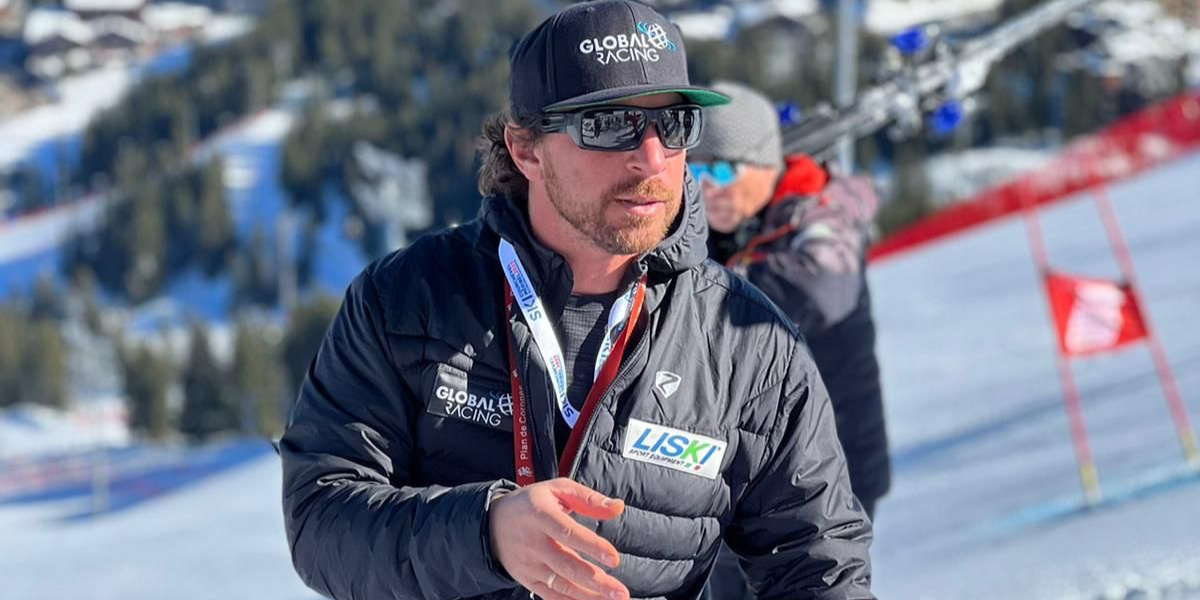
Paul Epstein, a figure synonymous with innovative athlete development in alpine skiing, has been named the new Men’s World Cup Tech Head Coach for the Stifel U.S. Ski Team. His appointment marks a significant turning point, bringing a coaching philosophy forged over 13 years at the helm of Global Racing, one of the sport’s most influential independent elite programs, back into the national team structure. Epstein’s return is not merely a personnel change; it represents a strategic embrace of a proven methodology that prioritizes environment, culture, and athlete trust as foundational elements for sustained high performance. His central conviction, honed through years of challenging conventional wisdom, is unequivocal: performance at the highest level starts with the environment.
A Decisive Return to Coaching Focus
Epstein’s journey back to the U.S. Ski Team is a deliberate one, driven by a desire to refocus on the core essence of coaching. More than a decade ago, he deliberately stepped away from the established academy system, not with a grand blueprint for an alternative World Cup pathway, but with a singular, experimental question: "I just wanted to see if I could do something on my own." That personal quest evolved into Global Racing, an independent entity that defied traditional norms and achieved remarkable success in nurturing elite ski talent. Now, his transition back to the national team is not about accruing a prestigious title, but about immersing himself fully in the day-to-day work with athletes.
"I want to get into a role where I’m really just focusing on coaching," Epstein stated, emphasizing his anticipation for a "much more narrowed focus on just the athletes and the team." This sentiment highlights a common challenge faced by leaders of independent programs, where administrative and logistical burdens often overshadow direct athlete interaction. The opportunity to join the U.S. Ski Team had presented itself in prior years, but Epstein had consistently declined, unwilling to depart from the program he had meticulously built. This time, the circumstances aligned, following his decision to conclude Global Racing for "other reasons" unrelated to the U.S. Ski Team opportunity itself. He subsequently re-engaged with Mark Tilston, the recently departed Head Men’s Coach, to explore if the position remained available. This sequence of events suggests a thoughtful, unforced transition, reflecting a fundamental shift in platform rather than a complete change in his coaching direction or philosophy.
The Genesis and Impact of Global Racing: A Blueprint for Innovation
To understand the significance of Epstein’s appointment, it’s crucial to appreciate the context of Global Racing. Founded around 2011, Global Racing emerged at a time when the traditional pathways for aspiring alpine ski racers, particularly in North America, often presented rigid structures, significant financial barriers, and sometimes a one-size-fits-all approach that failed to cater to individual athlete needs. Epstein’s departure from this system was a bold move, akin to an entrepreneur launching a startup in a highly established industry. His vision was to create a more agile, athlete-centric model that prioritized individual development and fostered a deep sense of community.
Over its nearly 13-year tenure, Global Racing evolved into a highly respected institution within the international ski racing community. Its success was not confined to a single nationality; it became a global hub, attracting athletes from diverse backgrounds who sought an alternative to their respective national team structures or traditional academies. The program’s results, while measurable in raw statistics, speak volumes about its effectiveness: it guided approximately 20 athletes from over nine nations to achieve World Cup points or qualify for a second run, a significant benchmark in elite alpine racing. These athletes, often overlooked or struggling in other systems, found a new lease on their careers under Epstein’s guidance. The program’s alumni roster includes athletes who have gone on to represent their countries at the highest levels, including the Olympic Games and World Championships. This track record demonstrates an unparalleled ability to identify, nurture, and elevate talent that might otherwise have been lost to the sport. The termination of Global Racing, while not fully detailed by Epstein, likely stemmed from the inherent logistical and financial challenges of sustaining such an intensive, high-level independent operation over an extended period, allowing him to consider new avenues where his focus could be primarily on coaching.
The Primacy of Culture: A Foundation for Elite Performance
Epstein’s philosophy, refined through his Global Racing experience, places team culture at the absolute forefront. "I would say that the initial thing is going to be the team building," he asserts. This isn’t a superficial endorsement of "team spirit"; it’s a deeply ingrained belief that genuine human connection and mutual support are prerequisites for optimal performance. He understands that the concept of "culture" can often be reduced to buzzwords, but his approach is distinct. It’s about creating an authentic environment where athletes, coaches, and support staff feel genuinely valued and connected.
For Epstein, this means fostering an atmosphere where individuals are motivated intrinsically, driven by a shared purpose and enjoyment of their work. "When you have people that enjoy what they’re doing, then everyone is going to put more effort in," he explains. This effort, he believes, is the ultimate differentiator between good teams and great teams. The impact of this cultural emphasis manifests in myriad ways: teammates offering sincere encouragement after a challenging race, staff members willingly exceeding their defined roles, and athletes taking collective ownership not only of their personal results but also of the team’s overall trajectory.
Crucially, Epstein extends this appreciation to all members of the support network, highlighting the often-underrecognized yet vital contributions of ski service technicians. "These guys have a huge role in the success of an athlete," he states, emphasizing that "Everyone needs to feel appreciated to keep the motivation high." This holistic view of team dynamics ensures that no role is deemed secondary, fostering a cohesive unit where every individual understands their importance to the collective mission. For Epstein, culture isn’t a separate, soft skill; it’s the hard-wired engine that drives consistent, high-level performance. It builds resilience, encourages risk-taking, and provides a stable emotional base from which athletes can push their physical and mental limits.
Lessons Learned: Trust, Belief, and Athlete Empowerment
The enduring legacy of Global Racing, beyond its quantifiable results, lies in the profound lessons Epstein gleaned about athlete development. He unequivocally states, "You can do almost anything with an athlete if there’s a trust between the two of you and you believe in them more than they believe in themselves." This sentiment underscores a coaching paradigm rooted in empowerment rather than imposition. It speaks to a partnership where the coach acts as a mentor and facilitator, cultivating an athlete’s self-belief and potential through consistent encouragement and unwavering support.
This foundational trust reshaped Epstein’s entire coaching philosophy, reinforcing the conviction that peak performance is organically built through robust relationships, rather than being coercively enforced through rigid structures or authoritarian directives. In an era where sports psychology increasingly emphasizes intrinsic motivation and athlete autonomy, Epstein’s approach is remarkably prescient. It means creating a safe space for athletes to experiment, make mistakes, and learn without fear of judgment, fostering a long-term developmental mindset over short-term, outcome-based pressures. This trust is particularly vital in a high-stakes sport like ski racing, where courage, confidence, and mental fortitude are as crucial as physical prowess.
Defining the Pathway with Clarity: Elevating U.S. Men’s Tech Racing

While Epstein champions flexibility and athlete-centricity, he also recognizes the indispensable role of a well-defined and logical structure. His priorities for the Stifel U.S. Ski Team include bringing much-needed clarity to the athlete progression pathway, from the developmental NorAm circuit to the demanding Europa Cup, and ultimately to the pinnacle of the World Cup. He firmly believes that each level must serve as a deliberate preparation for the next, rather than merely offering exposure.
"It’s not the job of a World Cup coach to make them World Cup ready," he asserts. "It should be the job of the group below them." This statement highlights a common challenge in many national sporting systems, where athletes sometimes arrive at the highest level unprepared for its intensity, tactical demands, and competitive rigor. When the progression is ambiguous or poorly structured, performance inevitably suffers. Athletes can become disheartened by consistently lagging behind, leading to burnout or a loss of motivation. "It can be demoralizing to ski at a level regularly and be six seconds out every race," Epstein notes.
A clear, integrated system, by contrast, reduces this performance gap. It systematically builds confidence, reinforces the trust established between athletes and coaches, and ensures that athletes arrive at the World Cup stage not overwhelmed, but prepared, confident, and ready to compete effectively. This involves harmonizing coaching methodologies, training philosophies, and tactical instruction across all developmental tiers, creating a seamless pipeline of talent.
Within the current U.S. men’s tech team, Epstein identifies significant untapped potential, recognizing "a lot of raw talent and ground speed." However, he also pinpoints inconsistency as a major hurdle. His strategy for improving performance ties directly back to his emphasis on clarity, particularly in tactical execution. "I always believe that tactics come before technique," Epstein states. "If you’re skiing the wrong line, you’re not going to be fast." This tactical emphasis means that while fundamental technique is important, understanding how to read a course, choose the optimal line, and apply pressure effectively to the skis under varying conditions is paramount.
For Epstein, great skiing isn’t about aesthetic appeal; it’s about efficacy under pressure. When athletes develop a profound understanding of race dynamics – the ideal line, where and when to apply pressure, and the precise intent behind each turn – consistency naturally follows. And with consistency, the sporadic flashes of brilliance can be converted into sustainable, repeatable results, elevating the team’s overall competitive standing.
Strategic Structure and Sustainable Performance: The European Base
Epstein’s vision for elevating the U.S. men’s tech team extends beyond on-snow training and tactical adjustments. He recognizes the immense physical and psychological toll of the World Cup circuit, characterized by relentless travel, constant hotel stays, and often, a lack of personal stability. To counteract this, he plans to establish a permanent European base for athletes and staff. "My plan is that I want to have a European base for the athletes," he reveals.
This strategic move is designed to provide a much-needed sense of home and stability amidst the nomadic existence of professional ski racing. A stable base would significantly reduce travel fatigue, optimize recovery protocols, and contribute directly to the positive, supportive environment he aims to cultivate. As Epstein explains, "When you live in a hotel all the time, you end up overtraining or you just get bored." A consistent living and training environment allows for better nutrition, more structured rest, and a greater sense of normalcy, all critical factors for peak performance.

His training philosophy mirrors this emphasis on balance: push athletes rigorously when it’s most beneficial, but also protect their energy when conservation is key. "I would rather have guys be desperate to train than not want to put their boots on," he quips, encapsulating a desire to foster enthusiasm and intrinsic motivation rather than relying on forced exertion. This approach aims to prevent physical and mental burnout, ensuring athletes remain fresh, eager, and optimally prepared for competition throughout the demanding World Cup season.
A Measured Standard and Long-Term Commitment
Epstein approaches his new role with a clear, realistic standard for success, rather than promising immediate, dramatic overhauls. With a projected group of six to seven athletes regularly competing in World Cup races, his target is for four of them to consistently finish within the top 30 standings. "I think that’s very realistic," he asserts. This goal, while not aiming for instant podium domination, signifies a significant improvement in consistency and depth for the U.S. men’s tech program, moving it closer to the elite nations in alpine skiing. Achieving this would reflect not just individual athlete progress but also the successful implementation of a more robust and effective system under his leadership.
Epstein’s career is defined by an unwavering commitment to his endeavors. His 13-year dedication to building Global Racing from a nascent idea into an influential program underscores this trait. This same steadfast mindset now applies to his tenure with the Stifel U.S. Ski Team. "I commit to things," he affirms. His objective transcends mere numerical results; it is fundamentally about building an environment where U.S. athletes can consistently perform at their highest capabilities and, crucially, sustain that level of excellence over the long term.
This appointment has been met with considerable optimism within the U.S. ski racing community. Stifel U.S. Ski Team leadership, while not quoted directly in this context, is understood to be enthusiastic about bringing Epstein’s proven methods and athlete-centric approach into the national program. His unique blend of independent innovation and deep understanding of elite ski racing challenges positions him as a potentially transformative figure. After years of demonstrating what is possible outside the traditional system, Paul Epstein now steps into its heart, armed with a clear vision and a profound commitment to redefining the pathway to World Cup success for American male alpine skiers. The upcoming seasons will undoubtedly be watched closely as his philosophy takes root and aims to elevate the Stifel U.S. Ski Team to new heights.
