
The unexpected resignation of Swedish national cross-country ski team head coach Anders Byström, along with two principal coaches, Stefan Thomson and Anders Högberg, has sent ripples through the Swedish skiing community. The departures, occurring a year before the end of their contracts, signal a significant leadership shake-up within a team that has faced mounting criticism following a disappointing performance at the recent Winter Olympics and leading up to the crucial 2027 World Championships, which Sweden is set to host on home snow.
Calle Halfvarsson, Sweden’s most prominent cross-country skier, has publicly stated that he is not surprised by the leadership exodus. "It wasn’t unexpected," Halfvarsson told SVT. "It would have been strange if it hadn’t happened this way, considering the circus that has been going on at the end of the season and during the Olympics." His comments underscore the internal pressures and dissatisfaction that have evidently been building within the national team structure.
A Season of Discontent and Olympic Underperformance
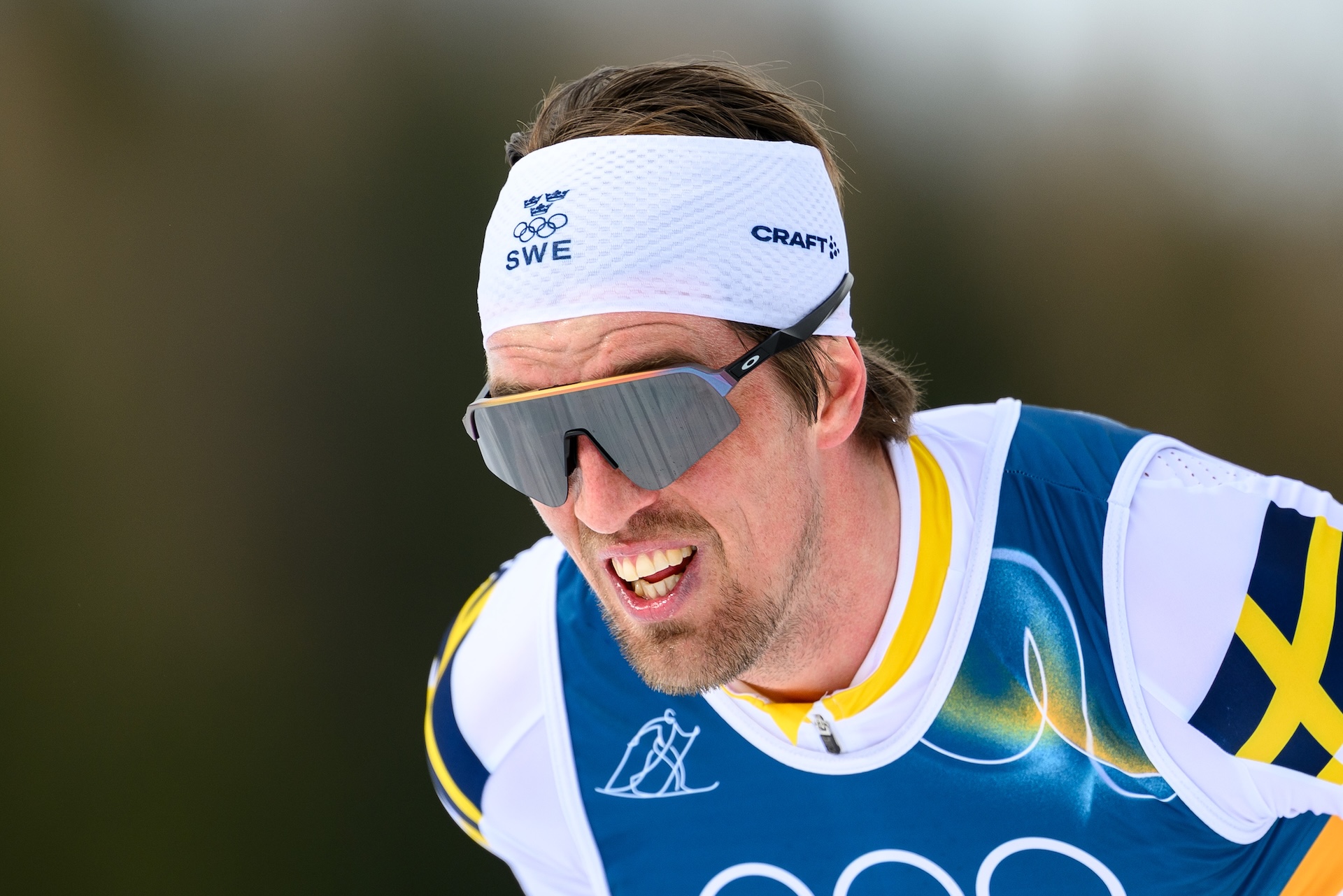
The 2023-2024 season proved to be a particularly challenging one for Swedish men’s cross-country skiing. The Olympic Games, often a benchmark for national athletic performance, saw the Swedish men’s team achieve its worst results in many years. This underperformance ignited a firestorm of criticism from athletes, former skiers, and sports commentators alike. Calls for the head coach’s resignation became widespread, with many expressing a lack of confidence in the current leadership’s ability to guide the team towards future success.
While Halfvarsson acknowledges the need for change, he maintains a professional stance regarding his personal relationships with the departing coaches. "Personally, I have nothing against Byström or the other coaches," he stated. "We have always had a good dialogue, and it has worked well." This suggests that the criticism may be more directed at the overarching strategy and performance outcomes rather than individual coaching capabilities, although the combined departures indicate a systemic issue.
Calls for a New Direction Ahead of Home World Championships
With the 2027 FIS Nordic World Ski Championships looming on Swedish soil, the pressure to rectify the current trajectory is immense. Halfvarsson emphasized the critical need for a fresh perspective and strategic recalibration, particularly for the men’s team. "When we are now entering a season with a World Championship at home, we need some new thinking to get this ship back on the right course – especially on the men’s side. Something must be done there," he elaborated. "I don’t think huge changes are needed, but some new thinking would be good."
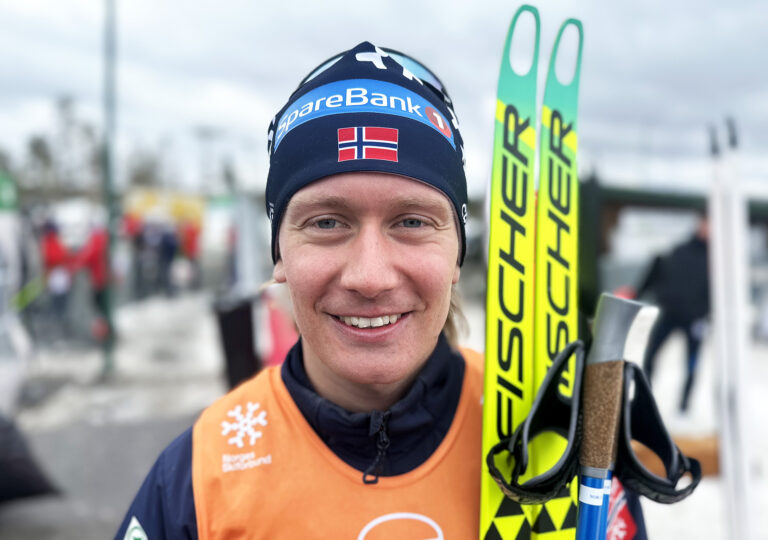
In this context of seeking innovative solutions, Halfvarsson put forth a surprising and potentially impactful suggestion: "It would be cool with a Norwegian coach," he remarked. This statement is particularly noteworthy given the historical rivalry between Sweden and Norway in cross-country skiing, with Norway consistently dominating the sport on the international stage. The implication is that Swedish skiing could benefit from the expertise and proven success methodologies of Norwegian coaching, a nation that has consistently produced world-class athletes and sophisticated training programs.
Halfvarsson’s Own Path and Edvin Anger’s Frustration
Halfvarsson himself has taken a unique approach to his career in recent years. In April of the previous year, he broke away from the national team setup after 14 years as a permanent member of the elite squad. He opted to pursue his own training regimen in preparation for the Olympic season. This decision highlights a growing trend among elite athletes to seek personalized training environments that they believe will best serve their individual needs and performance goals.
The dissatisfaction within the team is also keenly felt by emerging talents. Edvin Anger, one of Sweden’s primary medal hopes, has voiced his extreme frustration after his season and Olympic aspirations were reportedly jeopardized by the team’s setup. The 23-year-old athlete returned home from Italy before the Olympics concluded and, just a couple of weeks later, withdrew from the remainder of the season. Anger has publicly stated that he is considering severing ties with the national team altogether, a sentiment that further underscores the depth of the crisis facing Swedish cross-country skiing. Anger’s situation is a stark illustration of how team dynamics and coaching strategies can directly impact the careers and potential of promising athletes.
The Norwegian Coaching Proposition: A Strategic Consideration
The idea of bringing in a Norwegian coach is not merely a casual suggestion from Halfvarsson; it reflects a strategic consideration born out of necessity. Norway’s cross-country skiing program is widely regarded as the gold standard. Their athletes consistently achieve podium finishes across all major international competitions, including World Cups, World Championships, and Olympic Games. This sustained success can be attributed to a multitude of factors, including:
- Advanced Training Methodologies: Norwegian coaches are known for their scientific approach to training, incorporating cutting-edge techniques in physiological conditioning, ski technique analysis, and mental preparation.
- Talent Identification and Development: Norway has a robust system for identifying and nurturing young talent, ensuring a continuous pipeline of skilled athletes.
- Cohesive Team Culture: Despite intense individual competition, Norwegian teams often exhibit a strong sense of camaraderie and collective ambition.
- Logistical and Technical Support: Comprehensive support systems, including waxing expertise, equipment innovation, and performance analysis, are integral to their success.
By suggesting a Norwegian coach, Halfvarsson is implicitly advocating for the adoption of these successful elements into the Swedish system. It represents an acknowledgment that the current approach may be insufficient to compete at the highest level and that external expertise, particularly from a consistently high-performing nation, could be the catalyst for much-needed improvement.
Historical Context and Future Implications
The Swedish national team has a rich history in cross-country skiing, with numerous Olympic and World Championship titles to its name. However, recent years have seen a decline in the men’s team’s dominance, while the women’s team has shown more consistent success, although they too have faced challenges. The leadership changes and athlete dissatisfaction signal a critical juncture.
The 2027 World Championships in Falun present an unparalleled opportunity for Sweden to reassert its position in the sport. Hosting the event on home turf offers a significant advantage in terms of fan support and logistical familiarity. However, this advantage can only be fully leveraged if the team is in peak condition, both physically and mentally, and is guided by effective leadership and a sound strategic plan.
The implications of this leadership vacuum and the subsequent search for new direction are far-reaching. It will likely involve a thorough review of the team’s coaching structure, athlete development programs, and overall performance management systems. The decision regarding new leadership, whether internal or external, will be crucial in shaping the future of Swedish cross-country skiing.
The involvement of prominent athletes like Calle Halfvarsson in shaping these discussions is also significant. Their insights and experiences are invaluable in understanding the day-to-day realities of elite competition and the specific needs of the athletes. Halfvarsson’s candid assessment and proactive suggestion highlight a desire for constructive change rather than mere criticism.
The Road Ahead: Challenges and Opportunities
The path forward for the Swedish Ski Federation will not be without its challenges. Integrating new coaching philosophies, potentially from a different national background, requires careful management to ensure seamless adoption and avoid disrupting team cohesion. Furthermore, addressing the concerns of athletes like Edvin Anger will be paramount to retaining top talent and fostering a positive and supportive environment.
The departure of Byström, Thomson, and Högberg, while disruptive, also opens the door for a complete overhaul. This could involve bringing in fresh perspectives, implementing more modern training techniques, and fostering a stronger sense of unity and purpose within the team. The success of this transition will be critical in determining whether Sweden can reclaim its status as a powerhouse in international cross-country skiing and deliver a memorable performance at the 2027 World Championships. The coming months will be a defining period for the future of the sport in Sweden, with the eyes of the skiing world watching closely.
