
The 2026 winter season in Colorado has been a stark reminder of the fickle nature of mountain weather, with an unusually warm spell and a profound lack of natural snowfall significantly impacting ski operations across the state. This challenging season has forced several cherished ski resorts to prematurely cease operations, with a wave of closures occurring over the final weekend of March. While the statewide ski season isn’t officially over for all, the premature end for many underscores the ongoing concerns surrounding climate change and its tangible effects on the winter sports industry.
A Season Defined by Warmth and Low Snowfall
Throughout the winter of 2025-2026, Colorado’s ski resorts grappled with temperatures that consistently hovered above historical averages. This persistent warmth, coupled with a dramatic deficit in natural snowfall, has led to deteriorating snow conditions and, consequently, reduced operational capacity for many resorts. While artificial snowmaking has been a crucial tool for many, it cannot fully compensate for the lack of natural powder that defines the quintessential Colorado ski experience and sustains longer operating seasons.
The economic implications of a shortened season are substantial. Ski resorts are significant drivers of local economies, supporting jobs in hospitality, retail, and tourism. Reduced operating days translate directly into lost revenue for these businesses and the communities they serve. Furthermore, the early closures can disappoint skiers and snowboarders who plan their winter vacations around these destinations, potentially impacting future tourism trends if such conditions become more common.
Timeline of Closures: A Weekend of Farewell
The final weekend of March marked a poignant period for many Colorado ski enthusiasts as several resorts concluded their 2026 season. The closures began on Friday, March 27th, with one resort celebrating its final operational day. This was followed by another resort’s closing celebration on Saturday, March 28th. The trend continued into Sunday, March 29th, when multiple additional ski areas lowered their lifts for the season.
This concentrated period of closures highlights the cumulative effect of the season’s adverse weather conditions. While specific dates can vary annually based on snowpack and operational decisions, the cluster of early March closures this year points to a systemic issue rather than isolated incidents.
Purgatory Ski Resort: A Case Study in Early Closure
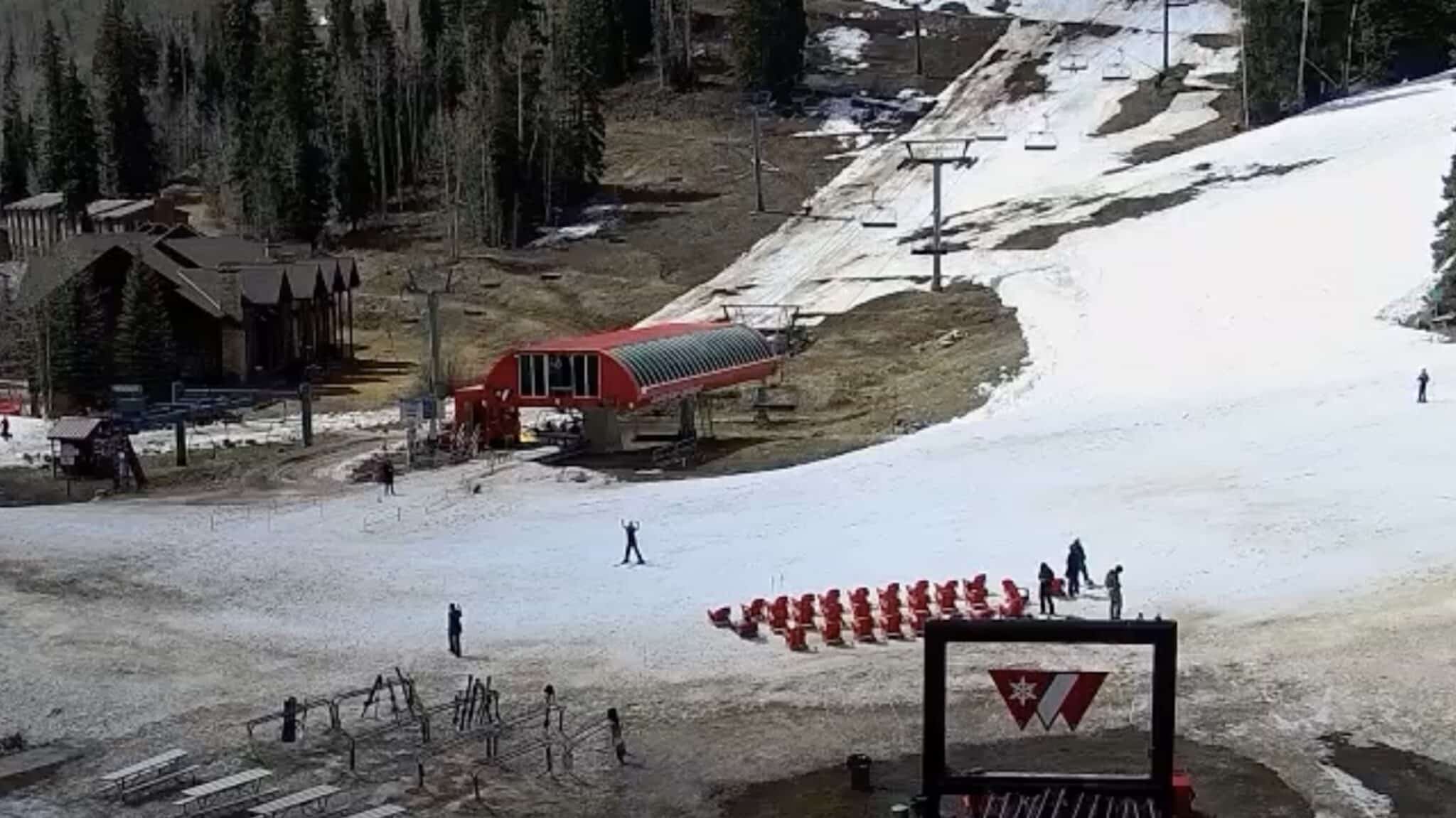
Purgatory Ski Resort, located in the San Juan Mountains near Durango, Colorado, is one of the notable resorts that saw its season cut short. While the original article snippet indicates Purgatory’s base on March 27th, it is crucial to contextualize this within the broader closure timeline. Resorts like Purgatory, which typically boast a longer season due to their higher elevation and more reliable snowfall, were forced to make difficult decisions due to the persistent lack of adequate snow cover.
The image accompanying the original report, depicting the base of Purgatory on March 27th, serves as a visual testament to the prevailing conditions. The relatively bare ground, even at a ski resort known for its winter offerings, underscores the severity of the snow deficit. This visual evidence supports the narrative of a challenging season for the resort and its patrons.
Broader Industry Impacts and Climate Change Considerations
The challenges faced by Colorado ski resorts this season are not unique. Ski destinations across the globe are increasingly experiencing the effects of a warming climate. Reports from organizations like the Intergovernmental Panel on Climate Change (IPCC) consistently highlight the vulnerability of winter sports to rising global temperatures. Studies indicate that average winter temperatures have risen, leading to shorter snow seasons, decreased snow depth, and a higher frequency of rain events instead of snow.
This trend has significant implications for the future of skiing and snowboarding. Resorts may need to invest heavily in artificial snowmaking technology, which is energy-intensive and can be costly. Furthermore, diversification of revenue streams, such as expanding summer activities, may become more critical for long-term sustainability.
Expert and Industry Perspectives (Inferred)
While specific quotes from resort operators or industry experts were not present in the provided text, it is reasonable to infer the sentiment within the ski industry. Resort managers likely expressed deep concern over the economic impact of the shortened season. Discussions would have revolved around the challenges of managing operational costs with reduced revenue and the difficult decisions regarding staffing and marketing efforts.
For skiers and snowboarders, the early closures represent a loss of recreational opportunities and a potential disruption to established winter traditions. The disappointment of not being able to enjoy favorite slopes or experience the full breadth of what a ski season offers would be palpable. Industry analysts and environmental scientists have consistently warned about the long-term threats posed by climate change to the winter sports sector, emphasizing the need for proactive adaptation strategies.
Supporting Data and Historical Context
To further understand the significance of the 2026 season, it is helpful to consider historical snowfall data for Colorado. While specific data for March 2026 is not provided, comparing it to averages from previous decades would reveal the extent of the deficit. For instance, the Colorado Climate Center often reports on seasonal snowfall, and a review of their archives would likely show a significant deviation from the norm for the 2025-2026 winter.
The average snowfall for many Colorado ski resorts can range from 200 to over 400 inches annually. A season where this average is not met, especially in the latter half of winter, directly impacts the viability of operations. The extended period of warmth experienced in early 2026 would have prevented the accumulation and preservation of snowpack, even if some colder periods had offered brief snowfalls.
The Future of Colorado Skiing
The abbreviated 2026 season serves as a wake-up call for the Colorado ski industry and its stakeholders. It underscores the urgent need for a multi-faceted approach to address the challenges posed by climate change. This includes:
- Investment in Sustainable Practices: Resorts are increasingly looking at ways to reduce their carbon footprint, from renewable energy sources to more efficient snowmaking operations.
- Diversification of Offerings: Many resorts are enhancing their year-round appeal with activities like mountain biking, zip-lining, and events to supplement winter revenue.
- Advocacy and Education: The industry has a role to play in advocating for climate action and educating the public about the impacts of climate change on natural environments and recreational opportunities.
- Adaptive Management Strategies: Resorts may need to adjust their operating models, potentially exploring different pricing structures, focusing on shorter, more intensive operational periods, or collaborating on regional snow management strategies.
The resilience of the Colorado ski industry has been tested before, but the current trends suggest that adaptation and innovation will be paramount for its continued success in the face of a changing climate. The passion of skiers and snowboarders for Colorado’s iconic mountains remains strong, but the industry must evolve to ensure these mountains can continue to host winter sports for generations to come. The early closures of March 2026 are not just an end to a season; they are a stark indicator of the evolving landscape of winter recreation.
