
The onset of the 2025-2026 alpine ski season has prompted a renewed focus on specialized physical conditioning, as sports scientists and professional coaches emphasize that descent-based athletics require a sophisticated blend of strength and sustained aerobic capacity. While alpine skiing is often perceived as a gravity-assisted sport, the physiological demands placed on the human body during high-velocity carving and technical maneuvers in variable terrain are immense. To address these demands, elite strength and conditioning coach Chris Miller has unveiled a refined training methodology centered on "power endurance," a critical physiological state that allows athletes to maintain explosive output over extended periods. This approach is designed to mitigate the risks associated with muscular fatigue, which remains the leading cause of non-contact injuries on the slopes.
The Physiological Framework of Power Endurance in Alpine Skiing
In the context of alpine sports, power endurance is defined as the ability to sustain high-intensity, explosive movements—such as those required for edge transitions and shock absorption—throughout the duration of a full descent or a repetitive day of skiing. Unlike pure strength, which focuses on maximum force production, or pure endurance, which focuses on low-intensity longevity, power endurance bridges the gap between the two.
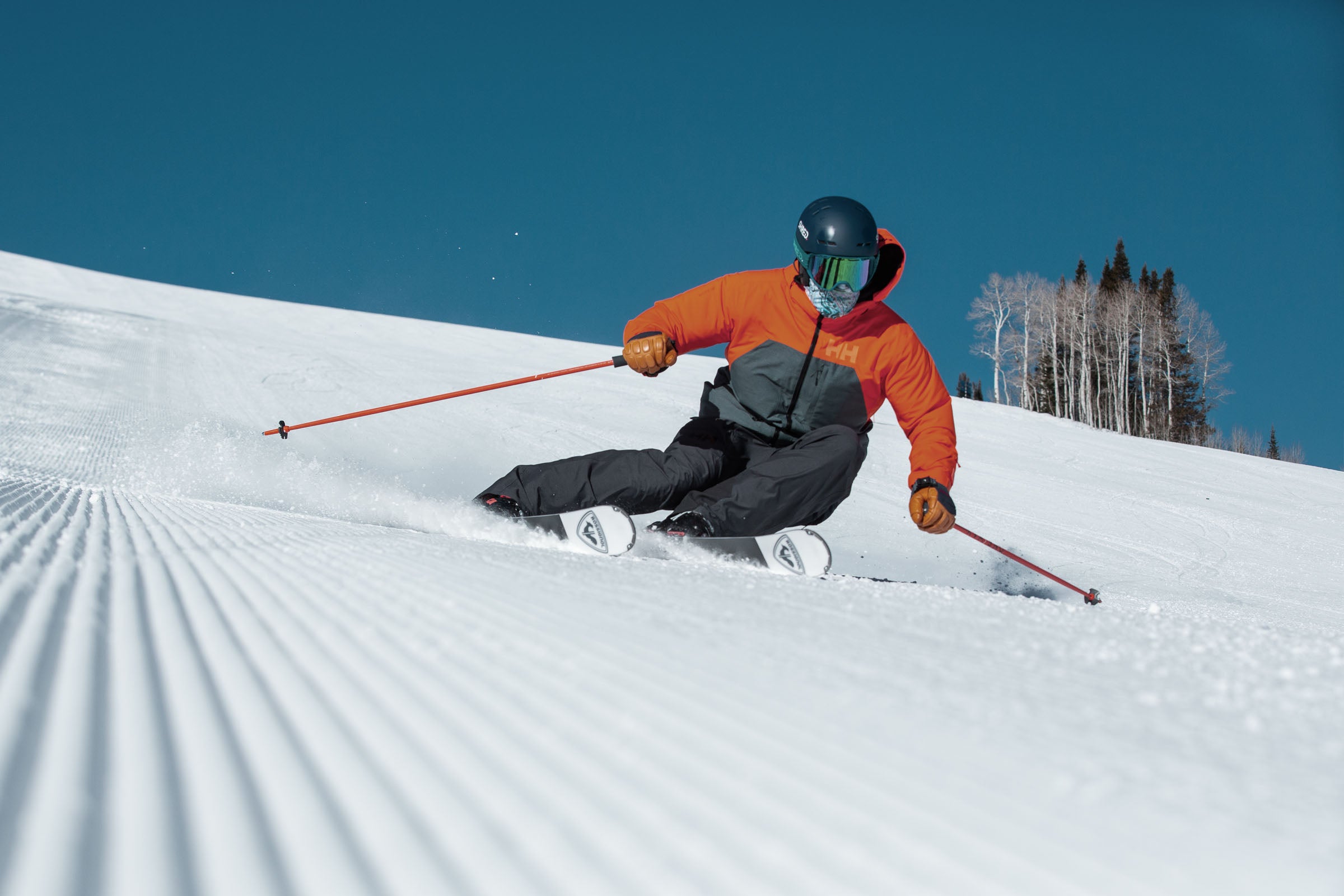
Research into alpine biomechanics indicates that a single high-speed carving turn can subject a skier’s lower extremities to forces exceeding two to three times their total body weight. Without the capacity to repeat these high-force contractions under the stress of cardiovascular fatigue, a skier’s technical form begins to degrade. This degradation typically manifests as a "backseat" posture, where the center of mass shifts behind the boots, significantly increasing the strain on the anterior cruciate ligament (ACL) and reducing the skier’s ability to react to terrain changes. The training protocols developed by Miller and his contemporaries focus on the "trunk" (core) and lower chain to ensure that the athlete remains "stacked" and stable from the first lift of the morning to the final run of the day.
Chronology of Pre-Season Conditioning: The 12-Week Macrocycle
The implementation of a power endurance program typically follows a structured 12-week macrocycle leading up to the first significant snowfall. Sports medicine professionals recommend a phased approach to ensure the body is adequately prepared for the specific eccentric loading found in skiing.
- Weeks 1-4: Hypertrophy and Structural Integrity. This initial phase focuses on building a muscular base and strengthening connective tissues. Exercises include traditional squats, deadlifts, and lunges to prepare the joints for higher-impact work.
- Weeks 5-8: Maximum Strength and Stability. In this phase, the focus shifts to increasing the maximum force the muscles can produce, alongside "anti-movement" core training to stabilize the spine against rotational forces.
- Weeks 9-12: Power Endurance and Plyometrics. The final phase, which aligns with the protocols outlined in the current training video, integrates high-speed movements, lateral hops, and circuit-based routines that mimic the duration of a standard ski run (typically 60 to 120 seconds of continuous effort).
Technical Breakdown: The Power Endurance Circuit
The current training regimen advocated by industry experts is divided into three distinct phases: Neuromuscular Activation, Lower Body Power, and Trunk Stability. Each phase is designed to address a specific requirement of the modern carving turn.
Phase I: Neuromuscular Activation (The Quadruped and Lunge Series)
Before engaging in high-impact plyometrics, it is essential to "prime" the nervous system. The Quadruped Series involves movements from an all-fours position, focusing on bird-dogs and controlled rotations to activate the deep stabilizers of the spine and the gluteus medius. Following this, a Lunge Series (performed twice on each side) targets the hip flexors and stabilizers, ensuring that the range of motion is available for deep, angled turns. The Dynamic Series (six repetitions per side) concludes the warm-up by increasing the heart rate and lubricating the synovial joints through multi-planar movements.
Phase II: The Leg Power Circuit (Sandbag and Plyometric Integration)
The core of the workout focuses on the "Sandbag Series," a routine consisting of four sets with no rest between individual exercises and a 45-second recovery between sets. Sandbags are utilized because their shifting weight mimics the unpredictable nature of "variable" snow conditions or "crust."

- Skater Hops: These are critical for developing lateral power. By jumping from one foot to the other in a wide arc, skiers build the explosive force necessary for edge-to-edge transitions.
- Eccentric Loading: Exercises within this circuit emphasize the "down" phase of the movement, training the muscles to absorb the energy generated by gravity and speed.
Phase III: The Trunk and Anti-Movement Protocol
Modern ski coaching has moved away from traditional "crunches" toward "anti-movement" exercises. In a high-speed turn, the core’s primary job is to resist being moved by external forces. The "Deadbug" exercise and other anti-rotational movements (three sets with 45–60 seconds of rest) train the abdominal wall and obliques to keep the pelvis and ribcage aligned, which is essential for maintaining a clean line through a turn.
Supporting Data: The Impact of Fatigue on Injury Rates
Statistical analysis from the International Society for Skiing Safety (ISSS) suggests a direct correlation between muscular endurance and injury prevention. Data indicates that a disproportionate number of knee injuries occur after 2:00 PM, a time typically associated with the onset of physical and mental fatigue.
Furthermore, a study of collegiate ski racers found that those who engaged in a specific power endurance program saw a 22% increase in "time to exhaustion" during simulated slalom runs compared to those who followed traditional weightlifting programs. This extra capacity allows for better "proprioception"—the body’s ability to sense its position in space—which is the first sense to dull when an athlete is tired.
Industry Perspectives and Expert Analysis
The shift toward specialized conditioning has been met with approval from equipment manufacturers and resort operators alike. A spokesperson for the professional ski testing community noted that "the evolution of ski technology, particularly in high-performance carving skis, requires more physical input from the skier. Modern skis have higher edge-grip limits, but to find those limits, the athlete must have the core strength to hold the edge against incredible centripetal force."

Coach Chris Miller’s emphasis on "repeatable power" reflects a broader trend in sports science where the quality of movement is prioritized over the quantity of weight lifted. By focusing on the trunk and the ability to maintain stability under fatigue, Miller’s program addresses the specific "energy leaks" that occur when a skier’s form breaks down.
Broader Implications for the Winter Sports Sector
The promotion of these fitness protocols has significant implications for the broader ski industry. Beyond individual performance, there is a clear economic incentive for improved skier fitness. High injury rates contribute to increased insurance premiums for resorts and a decrease in "skier days" as injured participants are forced off the mountain.
Moreover, the rise of digital training platforms and video tutorials has democratized elite-level coaching. Previously, the methodologies used by Chris Miller were reserved for Olympic-level athletes. Now, these "Easy-To-Follow" routines allow weekend enthusiasts to prepare their bodies with the same scientific rigor as professionals. This shift is expected to result in a more capable and resilient skiing population, potentially reducing the burden on mountain rescue and medical services during peak holiday periods.
Conclusion: The Future of Alpine Readiness
As the 2025 season approaches, the message from the coaching community is clear: strength is the foundation, but power endurance is the "insurance policy." By committing to a regimen that includes sandbag circuits, plyometric skater hops, and trunk stabilization, skiers can ensure they have the physical "overhead" to handle whatever conditions the mountain presents. In an environment where the margin for error is often measured in milliseconds and centimeters, the physical preparation undertaken in the gym during the autumn months may well be the most important factor in a successful and safe winter season.
