
For parents navigating the unpredictable demands of winter, outfitting children for snow activities presents a unique challenge: the delicate balance between ensuring warmth and preserving unhindered mobility. The familiar struggle of a child bundled to the point of immobility, reminiscent of Ralphie in A Christmas Story, often leads to discomfort that can quickly sour their experience in the snow. This common parental conundrum underscores the critical need for well-designed kids’ ski jackets that marry robust weather protection with ergonomic freedom, fostering an environment where children can genuinely enjoy the magic of winter sports.
The optimal kids’ ski jacket is not merely a scaled-down version of adult outerwear; it is a meticulously engineered garment that prioritizes specific needs unique to young, active bodies. These jackets must feature advanced waterproof and breathable fabrics that effectively repel moisture without causing internal clamminess, paired with insulation levels precisely calibrated to offer warmth without excessive bulk or weight. Furthermore, given the rapid growth of children, affordability and longevity through clever design features like extendable seams are paramount considerations for families.
The Science of Staying Warm: Understanding Kids’ Ski Jacket Technology
At the heart of any high-performance ski jacket lies a sophisticated interplay of materials and design principles. For children, who are often more prone to rapid temperature fluctuations and extended periods of ground contact during play, these technical specifications become even more vital.
-
Waterproofing and Breathability: The first line of defense against the elements is the jacket’s outer shell. Modern kids’ ski jackets typically employ two- or three-layer waterproof membranes, such as proprietary solutions or licensed technologies, which create a barrier against external moisture while allowing internal perspiration to escape. This breathability is crucial to prevent overheating and the subsequent chill that can occur when dampness accumulates inside the jacket. Complementing these membranes is a Durable Water Repellent (DWR) finish applied to the fabric’s exterior, causing water to bead up and roll off. A significant trend in recent years has been the shift towards PFAS-free DWR treatments, addressing environmental concerns associated with per- and polyfluoroalkyl substances without compromising performance. Fully taped seams, where waterproof tape is applied over every stitch, are also essential to prevent water ingress through needle holes, ensuring comprehensive protection.

-
Insulation Strategies: Maintaining core body temperature is the primary role of insulation. For kids’ ski jackets, synthetic insulations like PrimaLoft, Heatseeker, or proprietary polyester blends are commonly used. These materials excel in retaining warmth even when damp, a distinct advantage over down in wet snow conditions. Insulation is measured in grams per square meter (g/m²), with higher numbers indicating greater warmth. However, the distribution of insulation is often strategic; a jacket might have more insulation in the body (e.g., 200g) where core warmth is critical, and less in the arms and hood (e.g., 80-150g) to allow for greater mobility and reduce bulk. The goal is to provide sufficient warmth for a range of temperatures while minimizing restriction, a crucial factor for young skiers learning and playing.
-
Ergonomics and Mobility: Children’s bodies are constantly in motion, whether carving turns on the slopes, building snow forts, or simply exploring. A bulky or stiff jacket can severely impede their natural movements, leading to frustration and reduced enjoyment. Design features such as articulated elbows and shoulders, a flexible cut, and lightweight materials are engineered to move with the child, not against them. The inner lining also plays a role, with soft, silky fabrics promoting ease of layering and preventing uncomfortable friction.
-
Longevity and Affordability: The rapid growth rate of children presents an economic challenge for parents investing in quality gear. "Grow-with-me" features, such as extendable cuffs and leg hems (often achieved through seam let-outs), significantly prolong the usable life of a jacket, allowing it to span multiple seasons. This not only offers considerable cost savings but also contributes to sustainability by reducing the frequency of new purchases.
Rigorous Field Testing: Our Methodology for Kids’ Winter Gear
This comprehensive guide is the result of extensive, hands-on testing conducted with real children in authentic winter environments. The evaluation process was meticulously designed to simulate a wide array of typical winter activities, ensuring that each jacket’s performance was assessed under diverse and demanding conditions. Our testing pool spanned a crucial developmental range, from toddlers taking their first tentative steps in the snow to young, enthusiastic skiers.
Leading the charge was Jenny Wiegand, Outside’s associate gear director and a lifelong skier, whose personal experience introducing her own children—a 15-month-old and a 2.5-year-old—to the joys of winter sports provided invaluable insights into the practicalities and pain points parents face. These youngest testers wore the jackets during daily snow play, sledding adventures, and their initial forays onto the magic carpet at local ski resorts.
To broaden the scope and ensure a representative sample, additional jackets were distributed to experienced parents residing in ski towns. This extended network included ski instructors with children aged three to seven, whose nuanced understanding of ski performance and safety added another layer of critical evaluation. Over several weeks, these families rigorously assessed each jacket across a spectrum of criteria:
- Warmth Retention: How effectively did the jacket maintain warmth in varying temperatures, from crisp 20-degree Fahrenheit mornings to milder 45-degree afternoons? This was evaluated during periods of both high activity and static play.
- Waterproofing Efficacy: Jackets were subjected to prolonged exposure to snow, slush, and occasional rain to gauge their ability to keep children dry. Special attention was paid to the performance of DWR coatings and seam integrity.
- Comfort and Mobility: Testers observed how freely children could move, bend, and play without feeling restricted by the jacket’s bulk or stiffness. Feedback from children, often expressed non-verbally through their willingness to keep the jacket on, was a key indicator.
- Durability: The jackets endured the typical rough-and-tumble of children’s play, from tumbles on sledding hills to crawling through snow, with testers noting any signs of wear and tear.
- Kid-Friendly Features: The practicality of features such as easy-to-use zippers, accessible pockets, adjustable hoods, and glove clips was assessed for their contribution to a child’s independence and a parent’s convenience.
The final selections in this guide represent the jackets that consistently demonstrated an exceptional balance of weather protection, robust durability, superior comfort, and outstanding value, proving their merit for growing children in a variety of winter pursuits.
Spotlight on Excellence: The Top Kids’ Ski Jackets of 2026
After extensive testing and meticulous evaluation, five jackets distinguished themselves as leaders in their respective categories, earning accolades from both the young wearers and their discerning parents.
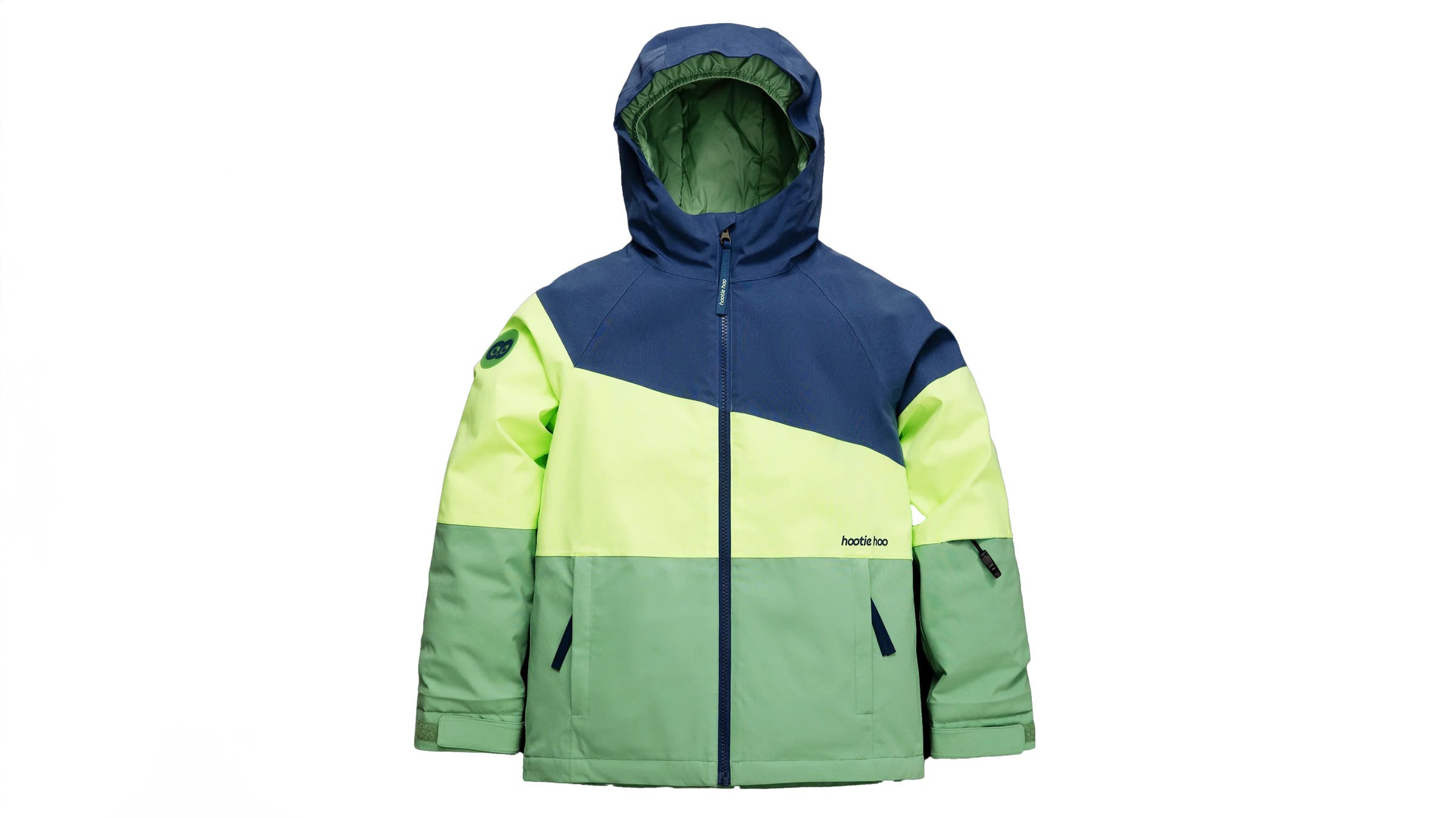
Hootie Hoo Kids Spruce Insulated Jacket: The Pinnacle of Performance
- Available sizes: 4-14
- Insulation: 80 g PrimaLoft Silver in body, 60 g in arms/hood
- Pros: Fully waterproof with taped seams, exceptional freedom of movement, premium materials and feature set, seam let-out extends life.
- Cons: Not available for toddlers, only lightly insulated.
The Hootie Hoo Kids Spruce Insulated Jacket stands out as the ultimate choice for young, dedicated "shredders" who demand high-performance gear capable of withstanding any forecast. Hootie Hoo, a Vermont-based company founded by experienced skier moms and apparel designers, has set a new benchmark for kids’ snow gear performance. This jacket was unique among those tested for offering a premium feature set typically found in adult outerwear, including a dedicated powder skirt to seal out snow, an attached hood with a gaiter for a secure fit, a convenient sleeve pass pocket, fleece-lined hand pockets for warmth, and an internal stash pocket for small essentials.
Beyond its comprehensive features, the Spruce Insulated Jacket impresses with its superior fabrics and insulation. Its fully waterproof outer fabric, treated with a PFAS-free DWR finish, ensures reliable protection from moisture. The silky inner lining contributes significantly to comfort, feeling soft and flexible rather than stiff or "crinkly," a factor highly praised by our seven-year-old tester. Lightly insulated with PrimaLoft Recycled Silver, the jacket maintained warmth down to 20 degrees Fahrenheit when paired with a mid-layer, all while remaining remarkably lightweight and allowing for complete freedom of movement. While not the warmest jacket tested, its thoughtful design, impressive performance for active kids, and a very fair price point make it the top pick for those who ski and play hard. The innovative seam let-out feature further enhances its value, ensuring it can adapt as children grow.
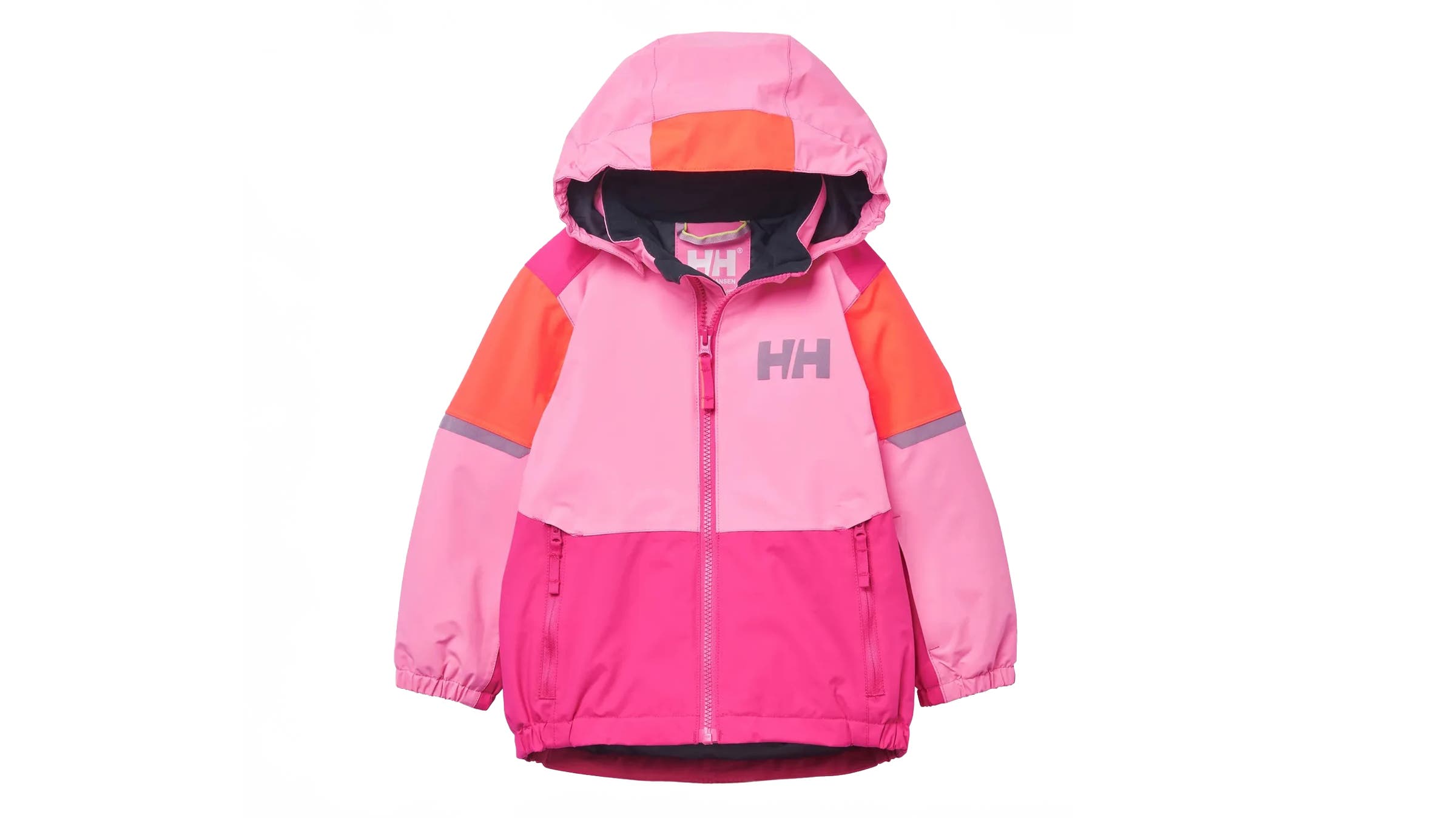
Helly Hansen Kids’ Rider Insulated Ski Jacket: Dependable Durability and Balanced Warmth
- Available sizes: 1-8
- Insulation: 133 g PrimaLoft Black Eco in body, 100 g in arms/hood
- Pros: Balances warmth and breathability, fully waterproof, ski pass pocket.
- Cons: No seam let-out.
Helly Hansen’s reputation for reliable outdoor gear extends seamlessly to its kids’ collection, and the Rider Insulated Ski Jacket is a testament to this legacy. This jacket delivers the brand’s hallmark dependable weather protection through a fully waterproof yet breathable shell, complemented by sealed seams and insulation that strikes an intelligent balance between warmth and bulk. Our seven-year-old tester experienced consistent dryness, warmth, and comfort across a broad temperature spectrum, from 20 to 45 degrees Fahrenheit, even during extended days on the slopes.
Feature-wise, the Rider Insulated Jacket covers all the fundamental requirements for a kids’ ski jacket, including zippered hand pockets, a dedicated ski pass pocket, and an adjustable (and removable) hood. However, it was the absence of certain "extras" that prevented it from securing the top spot. Specifically, the lack of Velcro-adjustable wrist cuffs, a powder skirt, and crucially, seam let-outs for extended wear, were noted. Despite these omissions, the Rider Insulated Jacket presented itself as a slightly warmer option than the Hootie Hoo, without ever feeling overly bulky or restrictive, making it an excellent runner-up for robust, all-around performance.
The North Face Kids’ Freedom Insulated Jacket: Unbeatable Value and Robust Warmth
- Available sizes: 2T-7
- Insulation: 200 g Heatseeker polyester in body, 150 g in sleeves, 100 g in hood
- Pros: Exceptionally warm and waterproof, ski pass pocket, powder skirt, seam let-out.
- Cons: More restricting than other jackets.
The North Face Kids’ Freedom Insulated Jacket offers an outstanding budget-friendly solution for winter outerwear that performs equally well on ski slopes and in the backyard. Its two-layer polyester shell features a non-PFC DWR treatment, ensuring reliable waterproofing against snow and moisture. The jacket’s generous Heatseeker polyester insulation—200g in the body, 150g in the sleeves, and 100g in the hood—delivers substantial warmth, effectively preventing children from getting cold without causing them to overheat during active play.
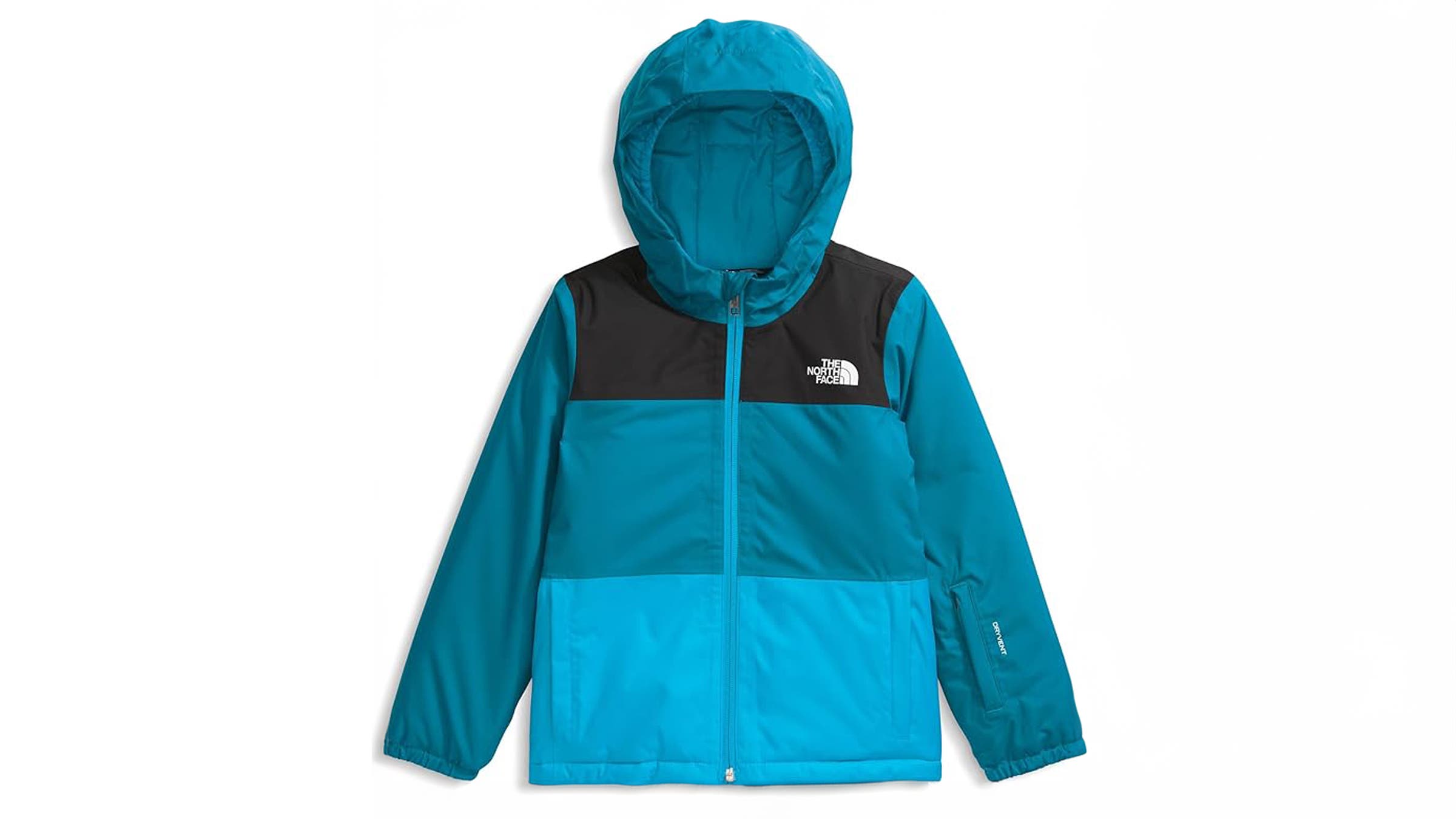
Despite its accessible price point, this jacket does not compromise on thoughtful features. It includes a sleeve pass pocket equipped with a built-in goggle wipe, an integrated powder skirt to keep snow out, and cuff seam let-outs that allow the sleeves to extend as children grow, significantly extending the jacket’s useful life beyond a single season. While it was observed to be slightly bulkier and marginally more restrictive than our top-tier selections, the Freedom Insulated Jacket consistently kept our three-year-old tester warm and dry during magic carpet rides, sledding adventures, and spirited snow angel sessions in five inches of fresh powder. Its blend of warmth, features, and affordability makes it an undeniable best value.
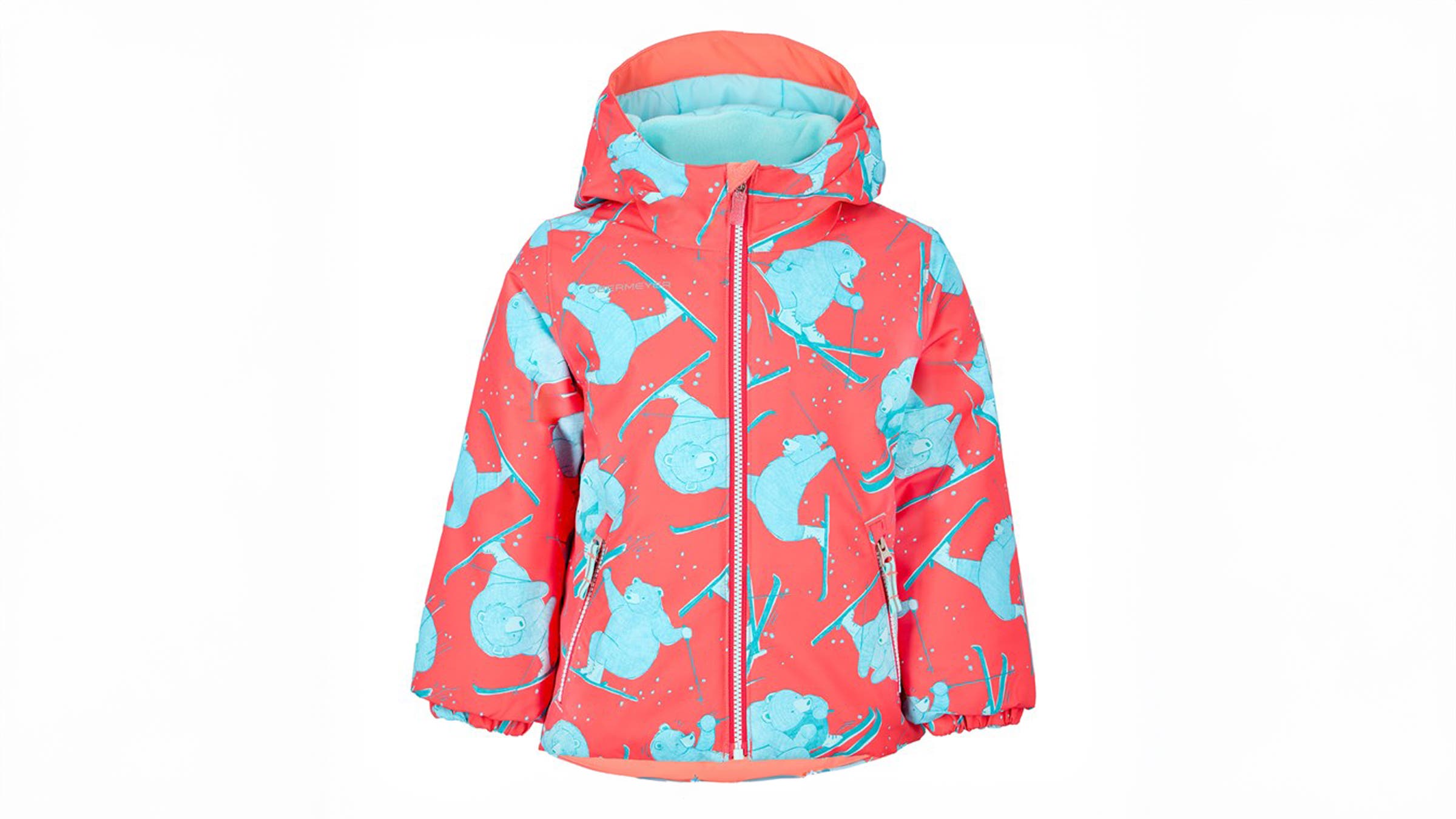
Obermeyer Ashor Jacket: The Warmth Champion for Chilly Days
- Available sizes: 1-8
- Insulation: 220 g proprietary insulation in body, 180 g in sleeves, 80 g in hood
- Pros: Superior warmth, glove clips in cuffs, powder skirt, seam let-out.
- Cons: No dedicated pass pocket.
Obermeyer is a household name in children’s ski gear, a reputation earned through decades of innovation and quality. The brand was among the pioneers in introducing jackets and pants with smart "grow-with-me" seam let-outs, acknowledging the economic realities of outfitting growing children. The Ashor Jacket, designed for children aged one through eight, is an affordable option that comes fully equipped with all essential features for cold-weather protection: an attached hood, an integrated powder skirt, convenient built-in glove clips in the wrists, and generous synthetic insulation strategically distributed throughout the body, sleeves, and hood. This comprehensive insulation package is specifically engineered to keep young skiers exceptionally warm in the coldest, stormiest conditions.
Indeed, among all the kids’ ski jackets tested, the Ashor consistently felt the warmest, making it an ideal choice for frigid climates or children who tend to get cold easily. The primary drawback identified was a relative lack of pockets; while it includes two zippered hand pockets, the absence of a dedicated ski pass pocket and an internal stash pocket for items like gloves or snacks was noted. Nonetheless, for parents whose top priority is unparalleled warmth in an affordable and undeniably charming package, the Obermeyer Ashor Jacket is an excellent choice.
Patagonia Baby Snow Pile One-Piece: The Ultimate Shield for Infants and Toddlers
- Available sizes: 3-18 months (also available in toddler sizes)
- Insulation: 150 g Thermogreen polyester
- Pros: Fully seam-sealed, waterproof shell; pass pocket; cuff let-out to extend wear.
- Cons: Knees not reinforced for durability.
Whether daring enough to introduce a one-year-old to the magic carpet or simply ensuring an infant stays snug during a snowy outing, babies and young toddlers require specialized gear that effectively maintains warmth and dryness, especially since they generate less body heat than older, more active children. This is precisely where a one-piece snowsuit, like the Patagonia Baby Snow Pile, excels, offering superior protection against cold and snow ingress compared to traditional two-piece jacket and pant sets. While the Snow Pile One-Piece carries a premium price tag, it represents a worthwhile investment, particularly when found on sale, given its robust construction and thoughtful design.
This snowsuit features a fully waterproof, seam-sealed shell combined with warm Thermogreen polyester insulation throughout. It boasts sophisticated details reminiscent of Patagonia’s adult outerwear, including a sleeve pass pocket and articulation behind the knees, contributing to a polished design and enhanced mobility for little ones. The inclusion of cuff let-out seams further extends the suit’s lifespan for growing toddlers. However, a minor point of improvement would be reinforced knees and elbows, which would better align with the suit’s overall potential for long-term durability, especially for crawling or kneeling toddlers. A crucial fit note for parents: Patagonia’s baby buntings tend to run large; our 15-month-old tester was expected to get another season out of this suit even before utilizing the extendable seams. This thoughtful sizing strategy contributes to the garment’s longevity, making it a sustainable choice for environmentally conscious parents.
Beyond the Reviews: Key Considerations for Parents
Choosing the right ski jacket for a child extends beyond brand names and insulation figures. Several practical considerations can significantly enhance a child’s comfort, enjoyment, and safety in winter environments.
- Layering Fundamentals: A high-quality outer jacket is most effective when paired with an appropriate layering system. A moisture-wicking base layer (e.g., merino wool or synthetic) and an insulating mid-layer (e.g., fleece) are crucial for regulating body temperature, wicking away sweat, and adding warmth. The jacket then serves as the waterproof and windproof shell, completing the system.
- Fit and Sizing: While "grow-with-me" features are beneficial, an excessively large jacket can compromise mobility and thermal efficiency by creating too much dead air space or allowing cold air to penetrate. It’s essential to consult size charts and consider a fit that allows for layering without being overly baggy or restrictive.
- Durability and Longevity: Children are notoriously tough on their clothing. Features like reinforced panels in high-wear areas (knees, elbows, seat), robust zippers, and quality stitching contribute significantly to a jacket’s lifespan. Investing in a durable jacket, especially one with extendable features, can prove more economical in the long run.
- Environmental Impact: The outdoor apparel industry is increasingly focusing on sustainability. Parents can make informed choices by looking for jackets made with recycled materials, those featuring PFC-free DWR treatments, and brands committed to ethical manufacturing practices. These choices not only benefit the planet but often indicate a brand’s overall commitment to quality and innovation.
- Safety Features: Reflective elements on jackets enhance visibility in low-light conditions, an important safety consideration. Adjustable hoods that can be securely cinched without obstructing vision are also vital, especially for helmet compatibility on the slopes.
The Future of Kids’ Outdoor Apparel
The children’s outdoor apparel market is continually evolving, driven by advancements in material science, a growing emphasis on sustainability, and a deeper understanding of pediatric physiology in cold environments. Future innovations are likely to focus on even lighter, warmer, and more breathable insulations, potentially incorporating smart textiles that adapt to temperature changes. The integration of recycled and bio-based materials will become standard, further reducing the environmental footprint of these essential garments. Ultimately, the goal remains the same: to equip children with gear that enables them to explore, learn, and fall in love with the outdoors, fostering a new generation of adventurers.
The rigorous testing and detailed analysis presented in this guide aim to empower parents with the knowledge needed to make informed decisions, ensuring their children are comfortably and safely outfitted for every snowy escapade. By prioritizing a balance of warmth, mobility, and value, families can unlock a winter filled with joy and discovery, unhindered by uncomfortable or inadequate gear.
