
As the 2025/2026 winter season transitions into the spring touring period, European mountain authorities and safety organizations have released sobering data indicating a significant spike in avalanche-related fatalities. Since the monitoring period began on October 1, 2025, a total of 135 individuals have lost their lives in avalanches across the continent. This figure represents a substantial increase over the seasonal average of 104, sparking urgent discussions among glaciologists, rescue services, and the winter sports community regarding the evolving nature of mountain risks.
While the raw numbers indicate a perilous year, the underlying data reveals a complex interplay of meteorological anomalies, specific snowpack vulnerabilities, and a shifting demographic of those involved in mountain accidents. The European Avalanche Warning Services (EAWS) and the Swiss Federal Institute for Forest, Snow and Landscape Research (WSL) have both highlighted that while the total number of incidents is high, it remains within the historical parameters of 60 to 140 deaths per season, though it sits at the high end of that spectrum.
The Human Cost: The Marchkopf Tragedy
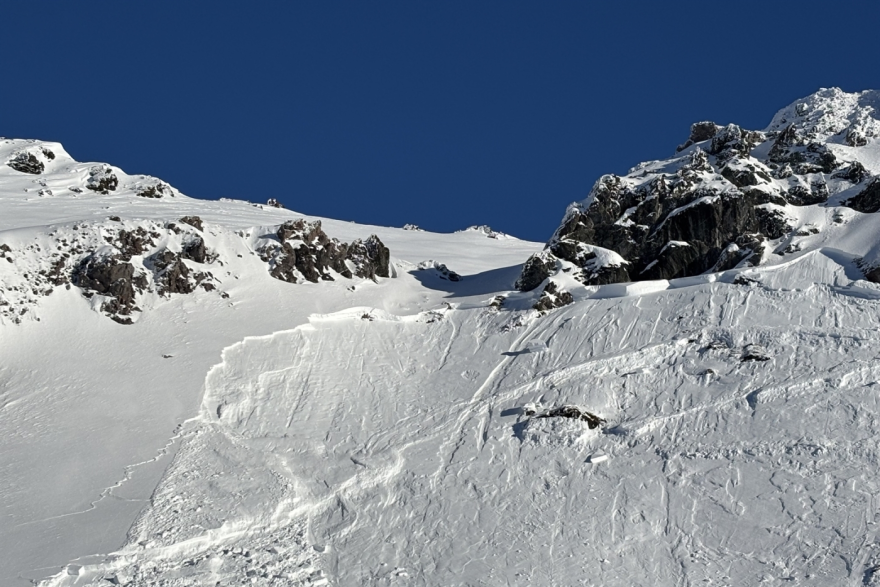
The gravity of these statistics is most acutely felt in the individual tragedies reported from the slopes. Last weekend, the skiing community mourned the loss of Federico Giubilato, a 41-year-old Italian mechanical engineer and alumnus of the University of Padua. Giubilato was skiing off-piste in the Marchkopf region of Austria with a companion when a slab avalanche was triggered.
The chronology of the rescue effort highlights the narrow margins of survival in such incidents. Giubilato’s friend, who was also caught in the slide, managed to extricate himself and immediately alerted emergency services while attempting to locate Giubilato. Two rescue helicopters arrived at the scene approximately 30 minutes after the initial call. However, the depth of the burial and the density of the debris meant that it took an additional 30 minutes of intensive digging to reach the victim. By the time Federico Giubilato was recovered, he was unresponsive and was pronounced dead at the scene.
This incident underscores a recurring theme of the 2025/2026 season: even experienced skiers with proper equipment and companions can fall victim to the "unstable snowpack" conditions that have defined the European Alps this year.
Statistical Breakdown and Regional Disparities
The distribution of fatalities across Europe has been uneven, reflecting the varied weather patterns and snow conditions experienced in different mountain ranges.
In Switzerland, the WSL reported that 244 people were caught in 171 avalanches up to the end of March. These figures are markedly higher than the 10-year average of 182 people involved in 127 accidents. Of those buried in Switzerland, none were on marked or secured ski slopes; nine were engaged in ski touring, while six were skiing in off-piste areas adjacent to resorts. The cantons of Valais, Ticino, and Graubünden were identified as the most hazardous regions.
France has also seen a high concentration of fatalities, with 31 deaths recorded so far. A notable aspect of the French data is the temporal concentration of these accidents: 30 of the 31 deaths occurred within a narrow eight-week window between December 26 and February 22. This suggests that specific weather events during mid-winter created a period of extreme, widespread instability.
Conversely, some regions have reported a remarkably safe season. As of April 1, there have been no recorded avalanche fatalities in the Czech Republic, Iceland, Sweden, or Scotland. This disparity is largely attributed to more stable snowpack developments in those northern and eastern regions compared to the volatile conditions in the central Alps.
The Science of the "Old Snow" Problem
The primary driver of the high fatality rate this winter has been identified by WSL experts as a pronounced "old snow" (Altschnee) problem. This phenomenon occurs when a specific sequence of weather events creates a structural weakness deep within the snowpack that remains active for months.
The 2025/2026 winter began with an early onset of snowfall in late November, which was followed by an extended period of dry, sunny, and cold weather throughout December and early January. This sequence is a recipe for disaster. The thin initial snow cover, exposed to cold air temperatures, underwent a process of kinetic metamorphism, transforming the snow crystals into large, angular, and "facetted" grains. This layer, often referred to as "sugar snow," has virtually no cohesive strength.
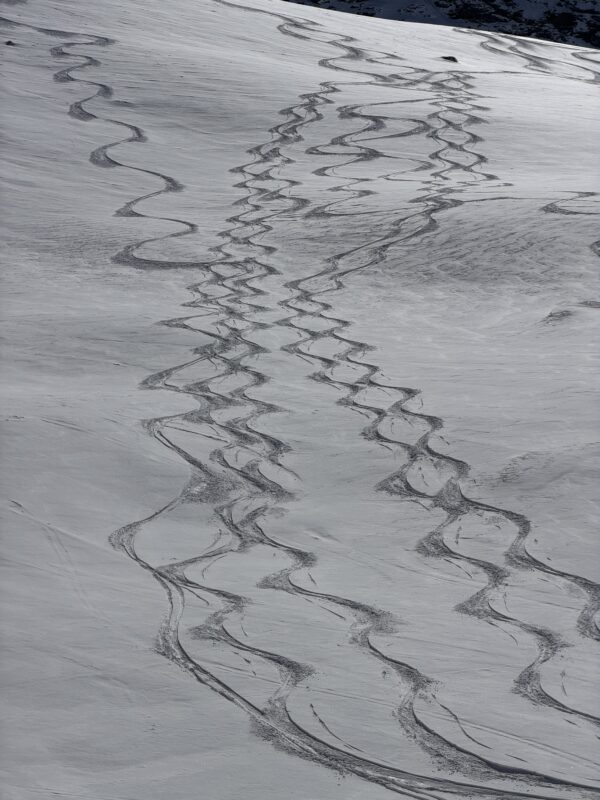
When heavy snowfalls eventually arrived in late January and February, they deposited a thick, heavy slab of snow on top of this weak, sugary base. The result was a "persistent weak layer" buried deep beneath the surface. According to the WSL, avalanches triggered in these deep layers are particularly dangerous because they involve massive volumes of snow and can be triggered by a single skier even from a distance (remote triggering).
Furthermore, the overall snow depth across Switzerland was 25% to 50% below the long-term average, with the greatest deficits in the east. Counterintuitively, a thinner snowpack is often more dangerous than a deep one, as the temperature gradient within the snow is steeper, accelerating the formation of weak, facetted crystals.
The Expert Paradox: Professionals at Risk
One of the most concerning trends noted by alpine clubs and safety organizations this winter is the number of highly experienced individuals caught in slides. The list of victims includes ski patrollers, professional mountain guides, off-piste instructors, and seasoned members of alpine clubs.
This "expert paradox" suggests that the current snowpack conditions are exceptionally deceptive. In "old snow" scenarios, the danger is not always visible on the surface. Slopes can appear stable and may have been skied multiple times without incident before a specific "sweet spot" is hit, triggering a collapse of the deep weak layer.
Safety analysts suggest that this season’s conditions have challenged traditional decision-making frameworks. When experts, who are trained to read the terrain and snow, are being caught at this frequency, it indicates a level of instability that makes reliable risk assessment nearly impossible in certain terrains.
Meteorological Trends and the Warm Winter
The 2025/2026 season has followed a pattern similar to the previous winter, characterized by temperatures that are consistently above historical norms. While "warmth" might suggest a faster stabilization of the snow, the reality is more complex. High temperatures, followed by rapid cooling, can contribute to the formation of "wind slabs"—compacted layers of snow moved by high-altitude winds—which are highly sensitive to the weight of a skier.
The vast majority of this year’s victims were caught in either these wind slab avalanches or collapses linked to the persistent weak layers. The interplay of low snow volume and high temperatures has prevented the "bridging" effect that usually occurs when a thick, stable snowpack masks underlying weaknesses.
Outlook for the Spring Touring Season
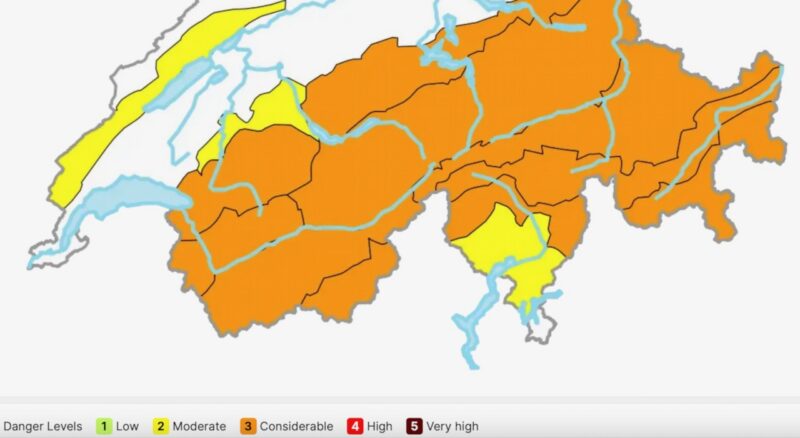
As the calendar turns to April, the traditional peak of the high-altitude ski touring season begins. Authorities are urging extreme caution, as the risks have not subsided with the arrival of spring. On Wednesday, April 1, large portions of the Alps remained under a Level 3 "Considerable" avalanche risk.
A Level 3 rating is often described by safety experts as the most dangerous level for recreationists, as the snowpack is moderately to weakly bonded on many steep slopes. In these conditions, a single skier can easily trigger a large slide. The EAWS has noted that the transition to spring brings the additional risk of "wet snow" avalanches, as rising daytime temperatures and solar radiation weaken the snowpack further.
Institutional Responses and Safety Recommendations
In response to the elevated fatality rates, mountain safety organizations are intensifying their public awareness campaigns. The WSL and various national alpine clubs have emphasized the following precautions for the remainder of the season:
- Rigorous Planning: Skiers are urged to check regional avalanche bulletins daily and to avoid any slopes that match the specific "danger profiles" mentioned (e.g., north-facing slopes or specific altitude bands).
- Conservative Terrain Choice: Given the "old snow" problem, experts recommend avoiding steep, shaded slopes where the persistent weak layer is most likely to remain active.
- Standard Safety Protocols: The importance of carrying—and knowing how to use—an avalanche transceiver, probe, and shovel remains paramount. However, authorities remind the public that these tools are for rescue, not prevention.
- Professional Guidance: For those venturing into unfamiliar or complex terrain, hiring a certified mountain guide is highly recommended, though even then, a "safety first" mindset is required.
The 2025/2026 winter serves as a stark reminder of the inherent volatility of the mountain environment. While technology and rescue capabilities have improved, the fundamental physics of snow and gravity remain unchanged. As the season winds down, the goal for authorities is to prevent the "135" figure from rising any further during the popular spring months.
