
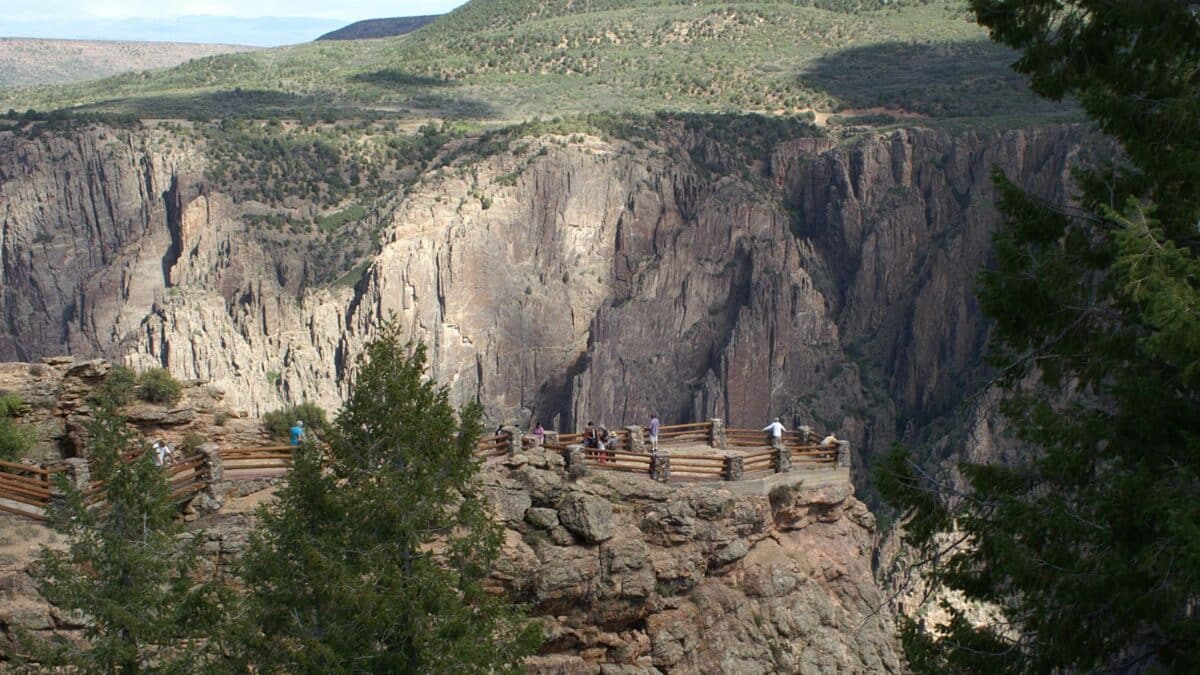
A tragic incident unfolded at the Black Canyon of the Gunnison National Park in Colorado when a Denver man, identified as 40-year-old Paul J. Shallcross, was found deceased at the base of an approximately 800-foot canyon. The discovery was made by park visitors on March 24, 2026, who reported seeing a body from the Gunnison Point Overlook on the park’s South Rim.
Discovery and Initial Response
The initial report came from concerned visitors who, while enjoying the breathtaking, albeit perilous, vistas of the Black Canyon, noticed a person unresponsive at the canyon floor. The sheer depth and rugged terrain of the Black Canyon, known for its dramatic cliffs and precipitous drops, immediately signaled the gravity of the situation.
National Park Service Rangers were promptly dispatched to the scene. Navigating the challenging topography, they meticulously made their way down to the location where the body was spotted. Upon reaching the individual, rangers confirmed the absence of any signs of life. The remote and inaccessible nature of the canyon floor necessitated a complex recovery operation, which commenced the following day. The body was eventually transported to the Montrose County Coroner’s office for further examination.
Investigation and Autopsy Results
The Montrose County Coroner’s office has confirmed the identity of the deceased as Paul J. Shallcross, a resident of Denver, Colorado. An autopsy has been completed; however, the official cause and manner of his death remain under active investigation. Authorities have not released further details regarding the circumstances that may have led to Mr. Shallcross’s fatal fall or descent into the canyon.

The Black Canyon of the Gunnison National Park, while a place of profound natural beauty, is also characterized by extreme geological features. Its narrow, steep-walled gorge plunges thousands of feet, with sheer cliffs that offer little margin for error. The Gunnison Point Overlook, a popular viewing area, provides sweeping panoramas of this formidable landscape, but also highlights the inherent dangers associated with its precipitous edges.
Background of the Black Canyon of the Gunnison National Park
Established as a National Monument in 1933 and later redesignated as a National Park in 1999, the Black Canyon of the Gunnison is renowned for its dramatic, steep walls that rise up to 2,700 feet. The park is divided into two primary districts: the South Rim and the North Rim. The South Rim, accessible year-round, offers the most developed visitor services and iconic viewpoints, including Gunnison Point Overlook. The North Rim, accessible seasonally, provides a more remote and rugged experience.
The geology of the canyon is equally fascinating, carved by the Gunnison River over millions of years. The park’s name derives from the dark, shadowy appearance of the canyon walls, which are composed of Precambrian metamorphic rocks, some of the oldest exposed rocks in North America. These geological marvels, combined with the challenging environment, draw hikers, climbers, and sightseers from around the world, but also underscore the importance of safety precautions within the park.
Safety Concerns and Park Regulations
Incidents like the one involving Paul J. Shallcross serve as a somber reminder of the inherent risks associated with exploring natural landscapes, particularly those as extreme as the Black Canyon. The National Park Service consistently emphasizes safety protocols for visitors. These typically include:
- Staying on marked trails and behind safety barriers: Overlooks and trails are designed with visitor safety in mind, and straying from these designated areas significantly increases risk.
- Maintaining a safe distance from cliff edges: The unstable nature of the terrain, especially near the rim, can lead to unexpected collapses or slips.
- Supervising children closely: The allure of the vast open spaces can be particularly tempting for younger visitors, requiring constant vigilance from adults.
- Being aware of weather conditions: Sudden changes in weather can create hazardous conditions, such as slick surfaces or reduced visibility.
- Not hiking alone in remote areas: While not always feasible, traveling with a companion can provide assistance in case of an emergency.
- Understanding personal limitations: The Black Canyon’s challenging terrain demands a high level of physical fitness and preparedness for any backcountry activities.
While the exact circumstances of Mr. Shallcross’s fall are under investigation, the sheer drop of 800 feet highlights the extreme nature of the environment. It is possible that the incident involved a misstep, a medical emergency, or an act of venturing into an unsafe area.
Potential Implications and Broader Context
The tragic death of Paul J. Shallcross is a stark reminder that even in the most awe-inspiring natural settings, human vulnerability is ever-present. For the National Park Service, such incidents prompt a review of safety measures, signage, and public awareness campaigns. While the park’s inherent dangers are a significant part of its appeal for some, ensuring that visitors are fully informed and prepared is paramount.
This event may also lead to increased dialogue within the park service and among outdoor recreation enthusiasts about responsible visitation. The balance between preserving the wild character of places like the Black Canyon and ensuring visitor safety is a constant challenge. The investigation’s findings will likely provide crucial information to understand how this tragedy occurred and what steps, if any, can be taken to prevent future occurrences.
The Montrose County Coroner’s office is expected to release further information as the investigation progresses. In the meantime, the incident serves as a poignant reminder of the profound power and unforgiving nature of the natural world, and the critical importance of respecting its boundaries. The community mourns the loss of Mr. Shallcross and extends its sympathies to his family and friends during this difficult time. The ongoing investigation aims to provide clarity and closure regarding this unfortunate event within the majestic, yet formidable, landscape of the Black Canyon of the Gunnison National Park. The park remains open to visitors, with an implicit understanding that the immense beauty it offers is intertwined with significant inherent risks that demand utmost respect and caution.
