
The peaceful observance of Easter weekend was tragically marred by a series of fatal avalanches across the European Alps, claiming four lives and pushing the winter’s total death toll to 139. This grim figure significantly exceeds the annual average of approximately 100 avalanche fatalities, highlighting the persistent dangers of winter mountain environments. The latest incidents, occurring on Good Friday, underscore the unpredictable nature of snowpack stability, even as the winter season draws to a close.
Switzerland and Austria Record Easter Fatalities
Switzerland bore the brunt of the weekend’s fatalities, with three individuals losing their lives in separate avalanche incidents. The first occurred on Good Friday near the picturesque village of Lauterbrunnen, a popular destination nestled in the Bernese Alps. A 35-year-old man was tragically buried by an avalanche on the Schwarzbirg slope in Isenfluh. The incident involved two individuals who were engaged in a descent when a substantial snow slab gave way. While fellow skiers in the vicinity swiftly responded, managing to locate the buried victim, excavate him, and administer immediate first aid, their efforts to revive him were ultimately unsuccessful. Emergency services, upon arrival, confirmed the man’s death. Authorities later identified the deceased as a resident of the canton of Bern.
In a second, distinct incident within Switzerland, a mountaineer perished on the Gross Mythen, a prominent peak in central Switzerland. This fatality occurred after the individual was swept down a rock face by an avalanche. According to the Schwyz cantonal police, two young men had embarked on a hike from Brunni towards Holzegg on Good Friday morning. From there, equipped with ropes, they proceeded with their ascent towards the Gross Mythen summit. Faced with considerable snow accumulation, they made the decision to abandon their tour shortly before 2 p.m. on their descent. It was during this retreat that the mountaineers were caught in the avalanche. The identity of the deceased has not been publicly released by the authorities.
The third Swiss fatality also occurred on Good Friday, claiming the life of a 41-year-old man in Sangernboden, located in the canton of Bern. The avalanche struck around 12:15 p.m. in Sangernboden, within the municipality of Rüschegg. The Bern cantonal police reported that the deceased, a snowboarder, was descending towards the Gantrischhütte when a snow slab broke loose on the north-east side of the Bürgle. The force of the avalanche swept the snowboarder away, leading to his burial. Despite the swift deployment of emergency services, rescue efforts proved futile, and the man was recovered deceased. The victim was identified as a 41-year-old Swiss national from the canton of Fribourg.
Austria also recorded a fatality over the Easter weekend. A 40-year-old man lost his life in an avalanche on the Plattenspitze mountain in the Salzburg region on Good Friday. The incident prompted a rescue operation, with helicopters dispatched to the scene on Saturday. Rescuers located the man’s body buried under approximately two meters of snow, according to police reports.
European Avalanche Death Toll Exceeds Expectations
The European Avalanche Warning Services report that as of October 1st of the current winter season, a total of 139 individuals have died in avalanches across Europe. This figure represents a significant increase compared to the annual average of around 100 fatalities. While the number of deaths can fluctuate annually, ranging between 60 and 140 depending on overall snowpack stability and weather patterns, this winter’s toll places it at the higher end of the expected spectrum.
Regions that have reported no avalanche fatalities this winter include The Czech Republic, Iceland, Sweden, and Scotland. However, the data from the larger alpine nations paints a more sobering picture. France, for instance, recorded 31 total fatalities, with a stark concentration of these deaths occurring within a two-month period from late December to late February. Specifically, 30 of the 31 French fatalities fell within this timeframe, from December 26th to February 22nd.
Analysis of Winter Avalanche Patterns
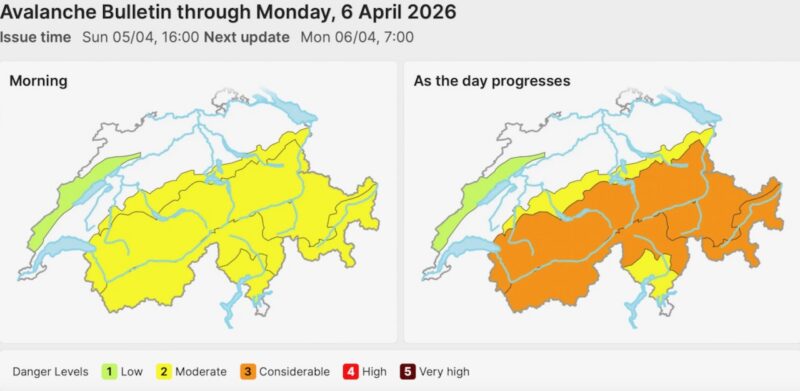
Experts at the Swiss Institute for Snow and Avalanche Research, as indicated by accompanying imagery, emphasize that the danger posed by avalanches is not always readily apparent, even to seasoned mountain professionals. The prevailing conditions that led to this season’s elevated fatality rate appear to be linked to specific snowpack structures. A significant number of victims were caught in wind slab avalanches or by collapses triggered by persistent weak layers buried deep within the snowpack. These dangerous layers are often destabilized and triggered by skiers or snowboarders navigating the terrain, particularly after periods of fresh snowfall.
A particularly noteworthy observation this winter is the number of experienced individuals who have fallen victim to avalanches. This group includes ski patrollers, mountain guides, off-piste instructors, experienced ski tourers, and members of alpine clubs. This trend suggests that even a high level of expertise and familiarity with mountain environments cannot entirely negate the inherent risks associated with unstable snow conditions. The complexity and variability of snowpack structure, influenced by factors such as temperature fluctuations, wind deposition, and precipitation events, can create treacherous situations that are difficult to predict and assess.
The Ongoing Risk as Winter Concludes
Despite the approach of spring, the risk of avalanches remains a serious concern. April marks the beginning of the primary off-piste ski touring season, a period when many enthusiasts venture into more remote and challenging terrain. Authorities are urging continued caution and adherence to safety protocols. The changing conditions in late winter and early spring can introduce new hazards. For instance, warmer temperatures can lead to increased melting and instability, particularly on sun-exposed slopes, while remaining cold nights can create icy layers that contribute to weak layers.
The European Avalanche Warning Services play a crucial role in disseminating information and issuing daily forecasts to help mitigate these risks. These services provide crucial insights into snowpack stability, weather forecasts, and observed avalanche activity, enabling mountain users to make informed decisions about their travel plans. However, official warnings are a guide, and individual responsibility for risk assessment remains paramount.
Contributing Factors to Avalanche Formation
Understanding the fundamental causes of avalanches is key to appreciating the persistent dangers. Avalanches are typically classified by their trigger mechanism and the type of snow involved. Common types include:
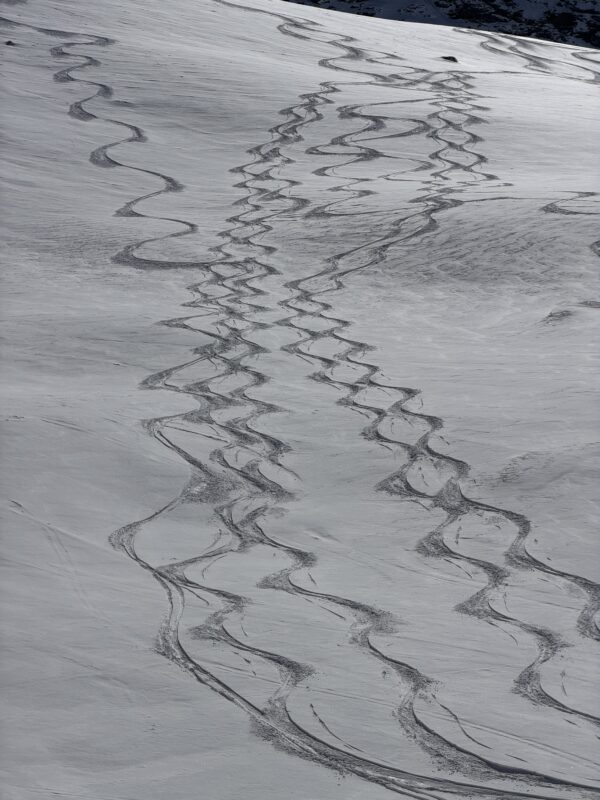
- Slab Avalanches: These occur when a cohesive layer of snow (a slab) breaks away from the underlying snowpack. Wind slabs, formed by wind depositing snow into distinct patterns, are particularly notorious and often triggered by skiers.
- Powder Snow Avalanches: These involve large volumes of loose, dry snow that can flow rapidly down slopes.
- Wet Snow Avalanches: Warmer temperatures can lead to saturation of the snowpack, making it heavier and more prone to sliding.
The formation of persistent weak layers, often buried deep within the snowpack, is a critical factor in many fatal avalanches. These layers can remain unstable for extended periods, and even a seemingly small trigger, such as a single skier, can initiate a catastrophic slide. The "persistent weak layer" phenomenon is a complex area of avalanche research, as these layers can be difficult to detect and assess.
Broader Implications and Safety Recommendations
The elevated number of avalanche fatalities this winter serves as a stark reminder of the inherent dangers in mountainous regions during the winter months. While the number is above the annual average, it falls within the historical range, emphasizing the cyclical nature of avalanche risk influenced by weather patterns and snowpack conditions.
The fact that experienced individuals are also succumbing to avalanches underscores the need for continuous education and a humble approach to mountain travel. Safety in avalanche-prone terrain relies on a multi-faceted strategy that includes:
- Education and Training: Taking avalanche safety courses (e.g., AIARE in North America, SLF in Europe) is crucial for understanding snowpack dynamics, risk assessment, and rescue techniques.
- Gear: Carrying essential avalanche safety equipment – an avalanche transceiver, a probe, and a shovel – and knowing how to use it is non-negotiable for anyone venturing into the backcountry.
- Information Gathering: Consulting daily avalanche forecasts from official warning services and local experts before heading out.
- Route Selection: Choosing routes appropriate for the current conditions, avoiding steep slopes with recent accumulations of snow or signs of instability.
- Buddy System: Never venturing into avalanche terrain alone.
- Observation: Paying close attention to snowpack conditions and any signs of instability, such as cracking in the snow or "whumpfing" sounds (the collapse of a weak layer).
As the winter season transitions into spring, the avalanche danger may change, but it does not disappear. The melting snowpack can create new and unpredictable hazards. Therefore, vigilance and a commitment to safety remain paramount for all mountain enthusiasts. The recent tragedies serve as a poignant reminder that the allure of the winter mountains demands respect and a profound understanding of their formidable power.
