
As the winter season approaches, the focus of the outdoor sports community shifts toward the slopes, bringing with it a heightened awareness of the physical demands and inherent risks of alpine skiing. While the sport offers unparalleled recreational and athletic opportunities, it remains one of the most high-risk activities in terms of musculoskeletal injury. Whether navigating the early-season "white ribbon of death" or the deep powder of peak winter, skiers are constantly exposed to hidden obstacles, variable terrain, and the physical toll of high-velocity movement. Dr. Matt Hastings, a Doctor of Physical Therapy at The Alpine Athlete, has identified five critical conditioning pillars designed to mitigate these risks: eccentric training, isometric strengthening, single-leg stability, core integration, and mobility work.
The imperative for pre-season conditioning is supported by a wealth of sports medicine data. According to the National Ski Areas Association (NSAA) and various orthopedic studies, the knee remains the most vulnerable joint for skiers, with Anterior Cruciate Ligament (ACL) tears accounting for approximately 15% to 20% of all skiing-related injuries. Furthermore, many injuries occur during the "fatigue window"—often late in the afternoon or on the third day of a multi-day trip—when muscular support fails and skeletal structures take the brunt of the force. By establishing a robust fitness routine well before the first chairlift spins, athletes can significantly improve their "neuromuscular control," a term physical therapists use to describe the body’s ability to stabilize joints during dynamic movement.
The Biomechanics of Descent: Why Eccentric Loading Matters
The most distinctive aspect of skiing is that it is a gravity-driven sport that requires the body to act as a braking system. This brings the concept of eccentric muscle contraction to the forefront of ski-specific training. In physiological terms, an eccentric contraction occurs when a muscle lengthens under tension—such as the quadriceps during the lowering phase of a squat or the descent of a hill.
When a skier navigates bumps or absorbs the impact of a landing, their muscles are not just "pushing"; they are resisting the force of gravity and the centrifugal force generated by a turn. Dr. Hastings emphasizes that training the body to handle these "descending" forces is essential for longevity on the hill. Without adequate eccentric strength, the kinetic energy of a turn is transferred directly to the ligaments and tendons of the knee and hip.
To implement this, athletes are encouraged to focus on the "tempo" of their gym movements. A standard leg press or squat should be performed with a fast, explosive upward phase and a slow, controlled four-to-six-second lowering phase. This deliberate deceleration mimics the way the legs must absorb terrain changes, effectively turning the muscles into sophisticated shock absorbers.
Isometric Stability and the Mitigation of "Quad Burn"
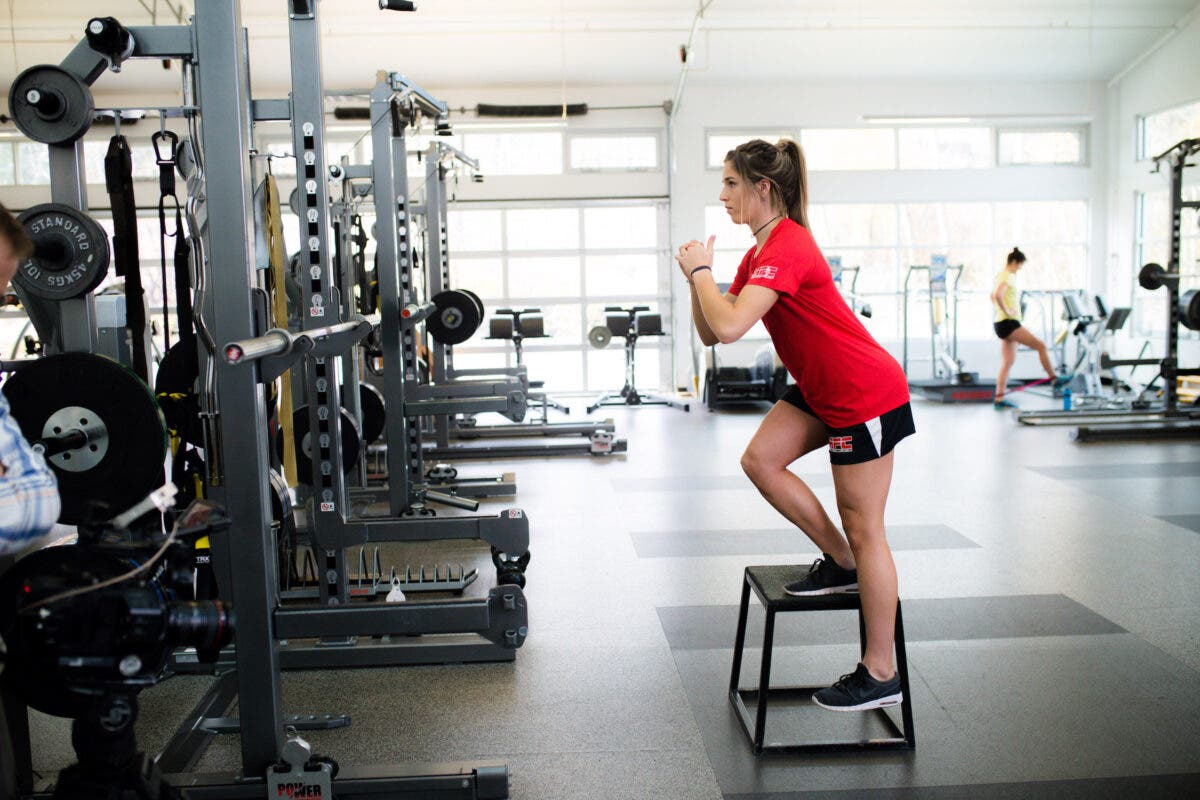
Any skier who has tackled a long, sustained groomer or a steep mogul field is familiar with the intense burning sensation in the thighs. This is a result of sustained isometric and near-isometric contractions. Unlike traditional movements where the joint moves through a range of motion, an isometric contraction involves the muscle firing while the joint remains at a stable angle.
In skiing, maintaining a tuck or holding a long-radius carved turn requires the quads and glutes to hold a specific position under immense pressure. Building isometric endurance allows a skier to maintain their form and edge control even when lactic acid begins to accumulate. Dr. Hastings suggests that the traditional "wall sit" remains one of the most effective tools for this. To progress the movement for advanced skiers, clinicians often recommend adding weighted resistance or performing the hold on an unstable surface to challenge the vestibular system.
Unilateral Strength: Addressing the Single-Leg Nature of Skiing
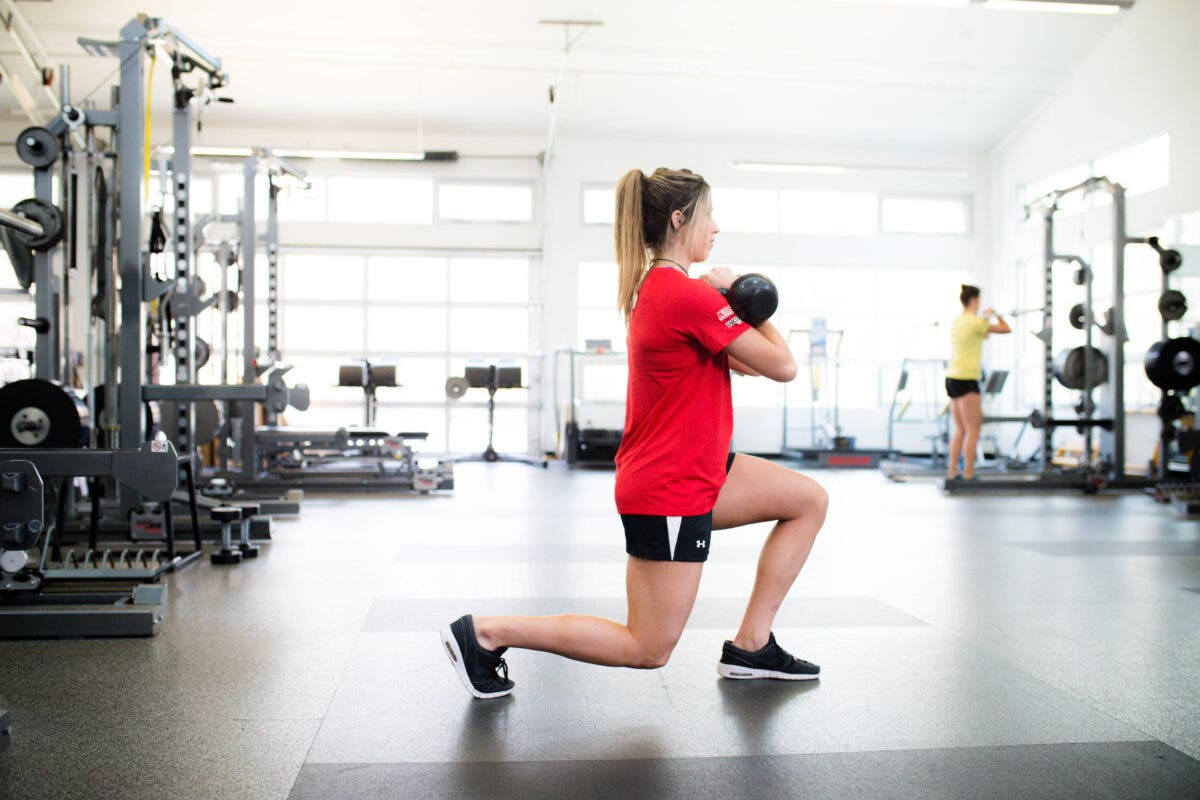
While skiing is performed with two feet attached to separate planks, the mechanics of a turn are inherently unilateral. Weight is shifted from the inside edge of the downhill ski to the outside edge of the uphill ski, often with 70% to 90% of the force concentrated on the downhill leg. This creates a high demand for single-leg stability.
Single-leg exercises, such as lunges (forward, reverse, and lateral) and single-leg deadlifts, are vital for correcting muscular imbalances. Most athletes have a dominant side; on a ski hill, this imbalance can lead to "asymmetric fatigue," where one leg tires faster than the other, increasing the risk of a fall during a turn to the weaker side. Furthermore, unilateral training engages the gluteus medius—a small but critical hip stabilizer that prevents the knee from collapsing inward (valgus), which is the primary mechanism for ACL ruptures.
The Kinetic Chain: Core Integration through Plank Variations
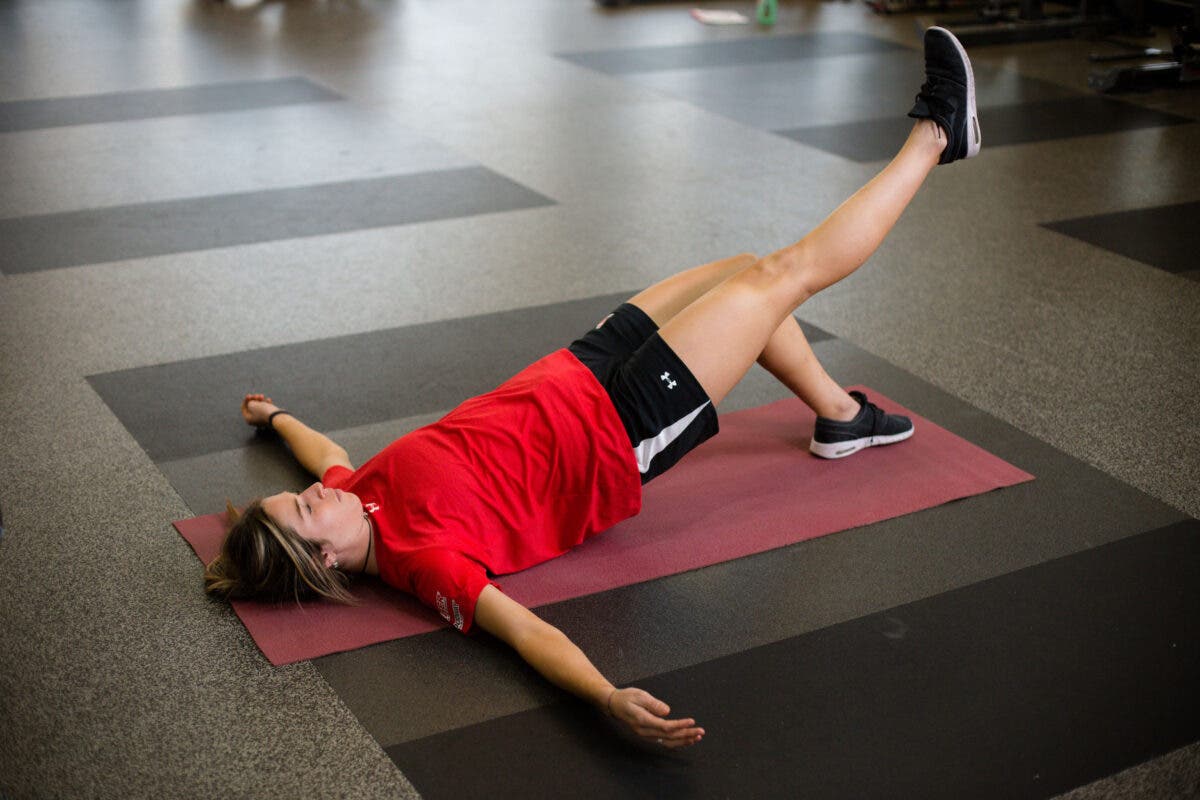
The core is often misunderstood as simply the "abs." In the context of alpine sports, the core is the bridge that connects the power of the lower body to the stability of the upper body. A skier must be able to keep their chest facing down the fall line while their hips and legs rotate beneath them. This requires exceptional rotational stability and "anti-rotational" strength.
Plank variations are the gold standard for this type of conditioning. Moving beyond the basic forearm plank, Dr. Hastings recommends side planks and "Copenhagen planks" (which target the adductors) to build a 360-degree cylinder of stability around the spine. A stable trunk allows for better force transfer; if the core is "leaky" or weak, the skier loses edge pressure and balance, forcing the legs to work harder to compensate.
The Recovery Equation: Mobility and Pre-hab
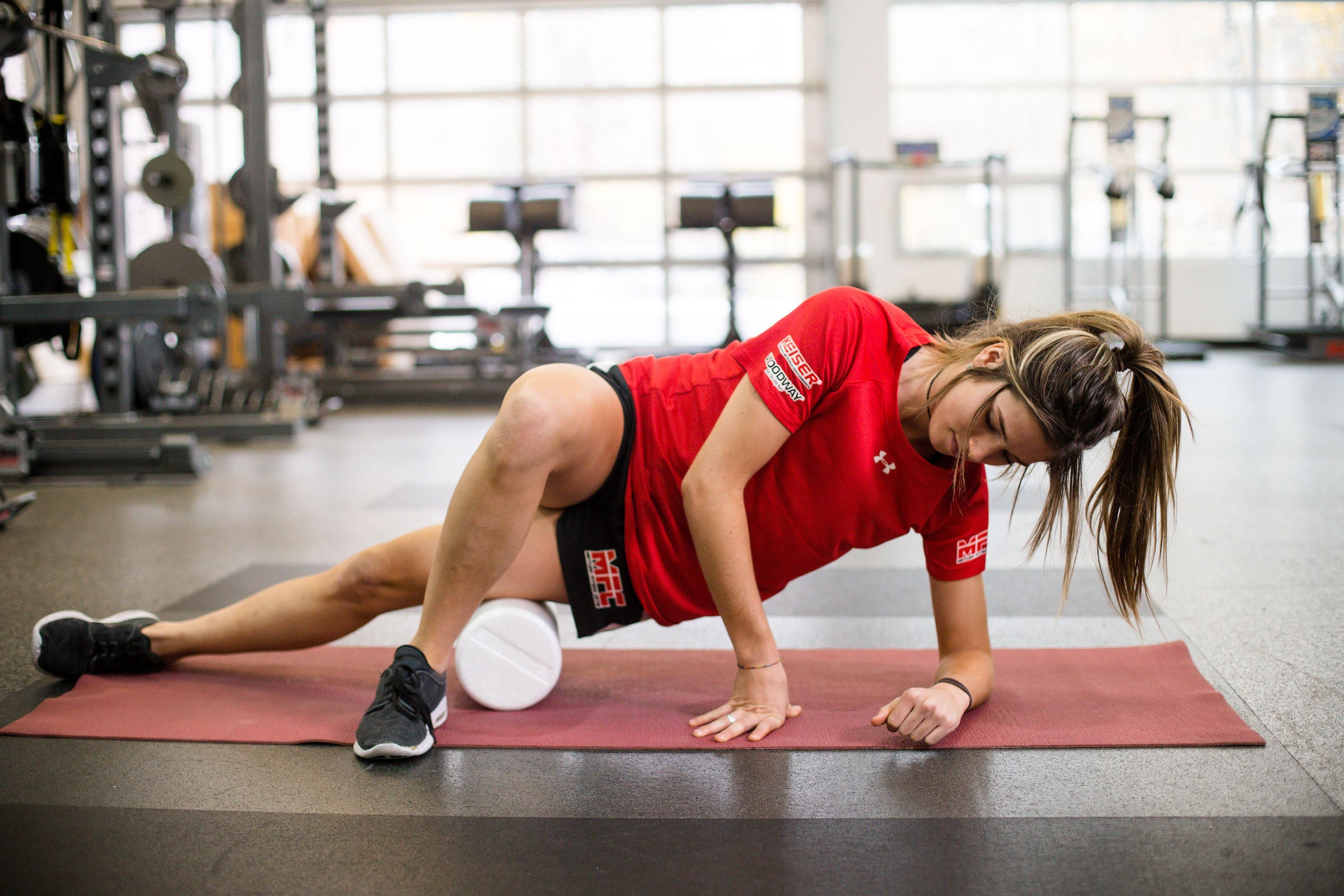
The final pillar of a professional-grade ski fitness routine is mobility. Unlike flexibility, which is the passive length of a muscle, mobility is the ability to move a joint through its full range of motion under control. Skiing requires significant range in the ankles (to drive into the front of the boot), the hips (for rotation), and the thoracic spine (for upper-body positioning).
A lack of ankle dorsiflexion, for instance, prevents a skier from getting "over their skis," leading to a back-seated position that is the leading cause of quad fatigue and knee strain. Dr. Hastings advocates for a "pre-hab" routine that includes foam rolling to address soft tissue restrictions and dynamic stretching to prime the nervous system. Using tools like massage guns or resistance bands can help maintain joint space and reduce the inflammation that follows a high-intensity day on the mountain.
Chronology of a Successful Pre-Season Build
Experts in sports periodization suggest that a ski-specific routine should follow a logical timeline to ensure peak performance by opening day:
- 12-16 Weeks Out (Late Summer): Focus on aerobic base building (cycling, hiking) and general hypertrophy to build muscle mass.
- 8-12 Weeks Out (Early Autumn): Transition to maximal strength, focusing on heavy bilateral lifts like squats and deadlifts.
- 4-8 Weeks Out (Late Autumn): Shift focus to eccentric loading and isometric holds. This is the "toughening" phase for the tendons.
- 0-4 Weeks Out (Early Winter): Introduce plyometrics (jumping) and agility drills to sharpen the brain-body connection and reaction time.
Industry Reactions and Broader Implications
The shift toward science-based conditioning has seen widespread adoption across the ski industry. Professional ski patrols and instructors, who spend upwards of 100 days a season on snow, have increasingly integrated these PT-led protocols into their mandatory training.
"The cost of a ski injury isn’t just medical; it’s the loss of the season and the long-term impact on joint health," says one sports medicine analyst. "By investing in a twelve-week conditioning program, a skier can essentially ‘buy’ themselves insurance against the most common accidents."
Furthermore, the economic impact of injuries on the ski industry is significant. Insurance premiums for resorts and the loss of lift ticket revenue from injured guests drive a corporate interest in safety education. Programs like those offered by "The Alpine Athlete" are becoming part of a broader wellness trend where skiers view themselves as "mountain athletes" rather than casual tourists.
Conclusion: The Professional Path to Longevity
Skiing will always carry a baseline of risk due to the environment and the speeds involved. However, the data is clear: a prepared body is a resilient body. By focusing on the five pillars of eccentric control, isometric endurance, unilateral stability, core strength, and mobility, skiers can do more than just prevent injury—they can improve their performance.
A stronger skier can hold a tighter line, ski longer days without fatigue, and navigate difficult terrain with greater confidence. As Dr. Matt Hastings and other orthopedic experts suggest, the work done in the gym during the off-season determines the quality of the experience on the snow. In the world of alpine sports, "fitness is safety," and a well-established routine is the best equipment a skier can bring to the mountain.
