
The Alpe d’Huez ski resort in France, renowned for its extensive and challenging terrain, has once again become the stage for an extraordinary display of skiing prowess. Marius Quast, a 32-year-old DSV Alpine Ski Instructor from Germany, has recently captivated the skiing community with his successful descent of the resort’s infamous "Tunnel Run." This iconic slope, carved into the heart of the French Alps, presents a unique and formidable challenge, combining extreme gradients with an unforgettable subterranean passage. Quast’s accomplishment highlights the enduring allure of Alpe d’Huez as a premier destination for expert skiers and snowboarders seeking the ultimate alpine adventure.
The Legendary Tunnel Run: A Test of Skill and Nerve
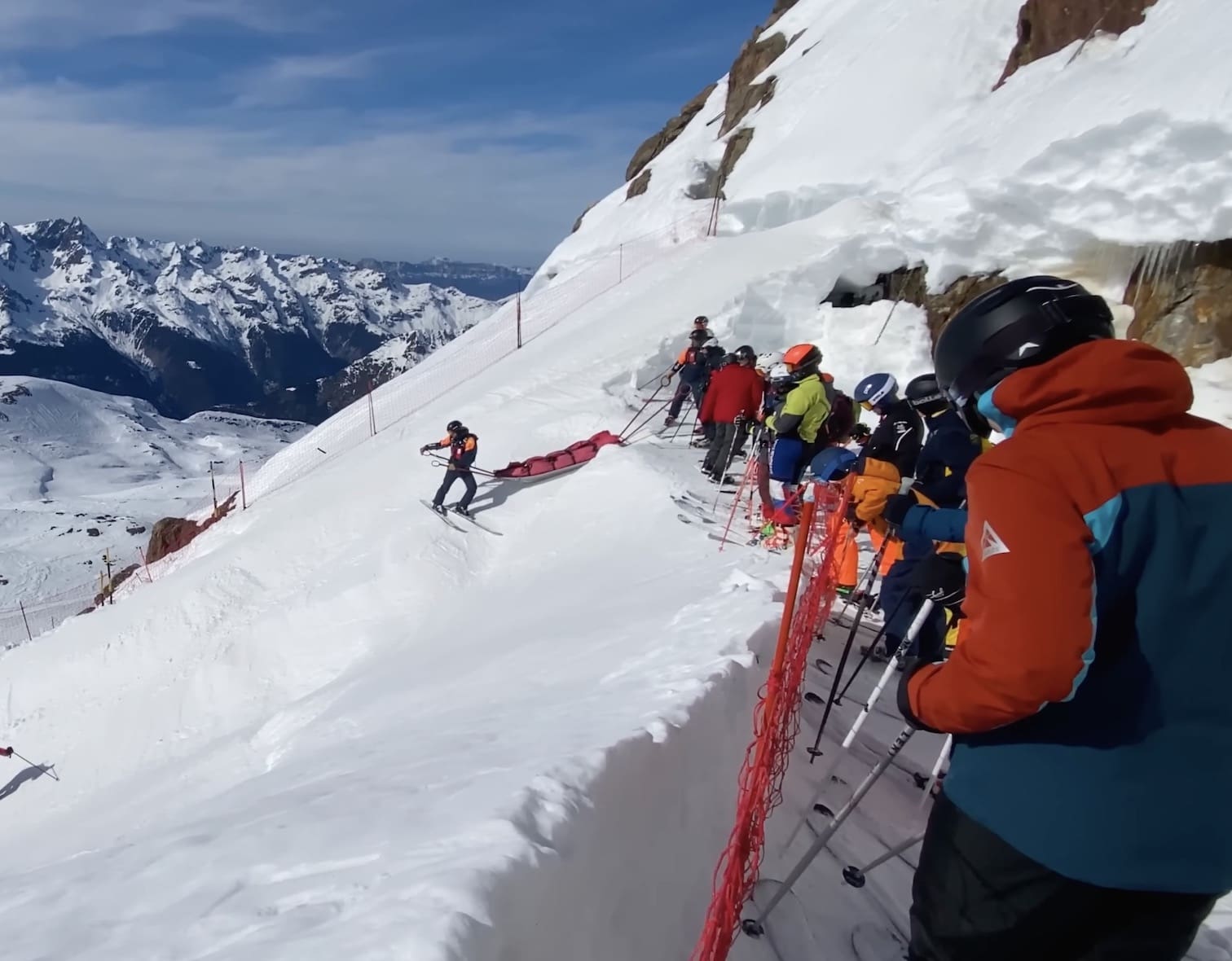
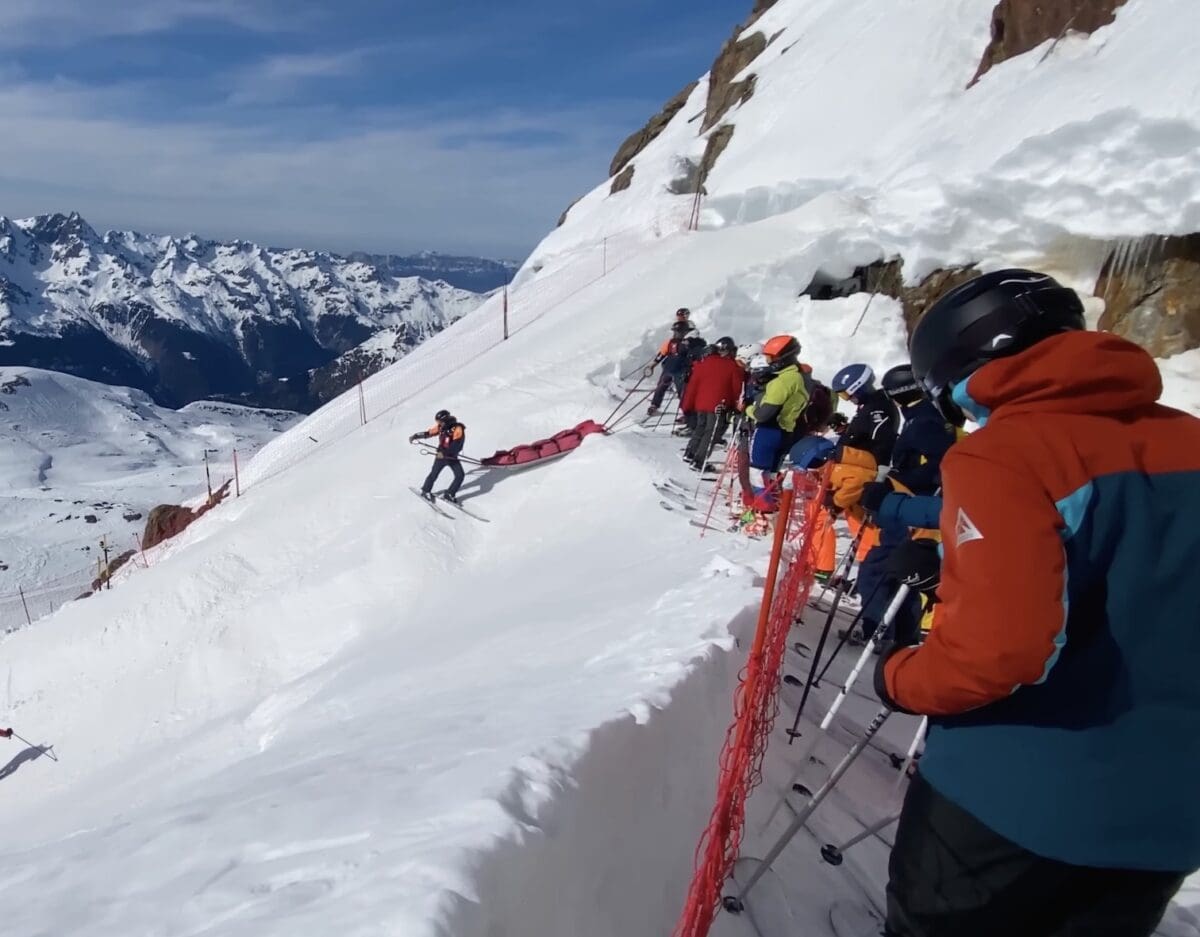
The Tunnel Run at Alpe d’Huez is not merely a ski slope; it is an experience that pushes the boundaries of what many consider possible on skis. The run begins its dramatic descent from the Pic Blanc, soaring at an impressive altitude of 10,925 feet (3,330 meters). From this lofty vantage point, skiers are treated to panoramic vistas that stretch across the Dauphiné Alps, a breathtaking prelude to the demanding course that lies ahead. The initial phase of the descent navigates through the rugged Sarenne gorges, a natural amphitheater of rock and ice, before reaching a point that sets the Tunnel Run apart from all others.
At approximately the midpoint of the run, skiers encounter a man-made marvel of engineering: a 656-foot (200-meter) tunnel bored directly through the mountainside. This unique feature necessitates a complete cessation of visibility and an abrupt change in the skiing environment. Riders are plunged into darkness, relying solely on their senses and the faint light at the tunnel’s exit to guide them. Emerging from this subterranean passage, the challenge intensifies dramatically. The tunnel spits skiers out onto what is widely considered France’s steepest mogul field. These formidable, irregular mounds of snow demand exceptional balance, control, and rapid decision-making, testing the very limits of a skier’s technical ability.
The total vertical drop over the entirety of the Tunnel Run is a staggering 7,234 feet (2,205 meters), a testament to its extreme length and gradient. This combination of a unique, almost surreal tunnel experience followed by a brutal mogul descent makes it a highly sought-after, yet exclusive, challenge. It is a run that is unequivocally reserved for advanced and expert skiers, those who possess the refined skills and mental fortitude to navigate its diverse and unforgiving characteristics.
Marius Quast: A Profile of an Expert Skier
Marius Quast, the recent conqueror of the Tunnel Run, embodies the spirit of dedication and passion that defines elite skiers. At 32 years old, the German national holds the esteemed title of DSV Alpine Ski Instructor, a certification that signifies a high level of technical proficiency and teaching expertise. His engagement with the sport extends far beyond professional instruction; Quast is an avid adventurer whose YouTube channel, @Marius_Quast, serves as a captivating chronicle of his global skiing and mountain biking escapades.
Through his online presence, Quast shares a curated selection of his most exhilarating experiences, showcasing some of the world’s most iconic mountains, challenging climbs, and thrilling descents. His videos offer viewers an intimate glimpse into the life of a professional skier who actively seeks out and conquers extreme alpine environments. The decision to tackle the Tunnel Run at Alpe d’Huez aligns perfectly with his established pattern of pursuing demanding and visually striking skiing challenges. His content consistently demonstrates a deep understanding of mountain dynamics, a respect for the inherent risks involved, and an unyielding desire to explore the frontiers of snow sports.
Alpe d’Huez: A Premier Alpine Destination
The Alpe d’Huez ski resort itself is a cornerstone of European winter tourism, attracting a global clientele with its vast skiable domain and diverse offerings. The resort is scheduled to operate for the upcoming winter season from December 6, 2025, through Sunday, April 19, 2026, a timeframe that allows ample opportunity for skiers to experience its renowned slopes. Situated strategically in the French Alps, Alpe d’Huez is remarkably accessible, located less than five hours by road from Paris, making it a feasible destination for both domestic and international travelers.
The resort’s infrastructure supports a range of visitor experiences, from luxury accommodations to more traditional mountain chalets. The permanent resident population of the village is modest, numbering just around 1,700 permanent inhabitants, which contributes to the resort’s tranquil atmosphere during off-peak times. The geographical layout of the resort is also noteworthy: the historic Huez village is nestled at an elevation of 4,657 feet (1,420 meters), while the main Alpe d’Huez resort base is situated higher, at 6,100 feet (1,860 meters), providing a significant elevation advantage for snow conditions and skiing opportunities.
Beyond the celebrated Tunnel Run, Alpe d’Huez boasts one of Europe’s longest black runs, the Sarenne. This formidable piste stretches for nearly 10 miles (16 kilometers), descending from the Pic Blanc at 10,925 feet (3,330 meters) all the way down to 4,954 feet (1,510 meters) within the Sarenne gorges. While the Sarenne is known for its sheer length and challenging gradient, the Tunnel Run holds a special place in the resort’s lore due to its unique combination of a dark, enclosed passage and an exceptionally steep, unpredictable mogul field. This duality of the Tunnel Run has cemented its reputation as a must-conquer challenge for seasoned skiers.
The Mechanics of the Tunnel Run Descent
Successfully navigating the Tunnel Run requires a confluence of specific skills and a well-prepared physical and mental state. The descent begins with controlled skiing down from the Pic Blanc, where the initial gradient is steep but manageable for experienced skiers. As they approach the tunnel entrance, a critical adjustment in technique is necessary. Skiers must anticipate the sudden loss of visual cues and prepare for the impact of entering a confined, dark space. Maintaining balance and a consistent edge becomes paramount, as the terrain within the tunnel can be uneven or icy.
Upon exiting the tunnel, the environment transforms instantaneously. The visual shock of bright sunlight after the darkness, coupled with the immediate appearance of a steep, aggressively bumpy mogul field, presents a severe test. Skiers must rapidly adapt their stance and technique. This typically involves:
- Rapid Weight Transfer: Essential for maintaining balance over the unpredictable bumps.
- Edge Control: Crucial for carving turns between moguls and avoiding loss of control.
- Pole Planting: Precise and timely pole plants aid in rhythm and balance, especially on steep pitches.
- Vision and Anticipation: Even with the visual disruption, skiers must quickly scan the terrain ahead to plan their path through the mogul field.
- Physical Endurance: The sustained effort required to manage the steepness and technical demands of the moguls can be physically taxing.
The presence of the tunnel itself adds a psychological dimension. The enforced darkness and the abrupt transition back to the open slope can be disorienting. Overcoming this psychological hurdle is as important as mastering the physical demands of the skiing.
The Broader Context: Extreme Skiing and Social Media
Marius Quast’s accomplishment, like many feats in extreme sports today, is amplified by its presence on social media platforms. YouTube, in particular, has become an indispensable tool for skiers and snowboarders to document their adventures, share their skills, and inspire others. Quast’s decision to film and upload his descent of the Tunnel Run not only showcases his personal achievement but also contributes to the growing body of visual content that highlights the extreme challenges available at resorts like Alpe d’Huez.
This trend has several implications for the skiing industry:
- Increased Resort Appeal: Viral videos of challenging runs can attract a niche segment of skiers seeking adrenaline-fueled experiences, potentially boosting tourism for resorts that offer such terrain.
- Skill Development: By observing expert skiers navigate difficult slopes, aspiring athletes can gain insights into techniques and strategies, potentially encouraging them to improve their own skills.
- Safety Awareness: While inspiring, these videos also implicitly convey the inherent dangers of extreme skiing. Responsible content creators often include disclaimers and emphasize the need for proper training and equipment, contributing to a nuanced understanding of risk.
- Community Building: Social media platforms foster a sense of community among skiers and snowboarders worldwide, allowing them to connect, share experiences, and celebrate achievements like Quast’s.
The Alpe d’Huez Tourist Office and ski patrol likely monitor and appreciate the positive exposure generated by such descents, provided they are executed safely and responsibly. They may also use such content to educate visitors about the resort’s most challenging areas and the necessary precautions.
Future Implications and Analysis
The continued popularity of extreme skiing challenges like the Tunnel Run at Alpe d’Huez underscores a persistent human desire for pushing boundaries and testing personal limits. For resorts, catering to this demographic involves a delicate balance: maintaining challenging terrain while ensuring adequate safety measures and clear communication about the risks involved. The success of skiers like Marius Quast serves as a benchmark for athletic achievement and a powerful advertisement for the unique offerings of destinations like Alpe d’Huez.
As skiing technology continues to evolve, and as more individuals gain access to high-quality recording equipment and social media platforms, the documentation and dissemination of extreme skiing feats will likely continue to grow. This trend suggests that the allure of iconic runs, whether for their historical significance, unique features, or sheer difficulty, will remain a powerful draw for skiers and snowboarders around the globe. Marius Quast’s recent conquest of the Tunnel Run is a vivid illustration of this enduring spirit of adventure in the high Alps.
