
The 2026 winter sports season in the Austrian Alps has highlighted a significant shift in premium ski tour operations, characterized by increased digital integration and a strategic focus on snow-sure high-altitude resorts. Following its designation as the Best Ski Operator 2025 by The Times & Sunday Times, Inghams has consolidated its presence in the Arlberg region, specifically within the St Anton am Arlberg sector. This report examines the operational efficacy of the 2026 season, focusing on the infrastructure of the Ski Arlberg network, the implementation of the "Inghams Choice" chalet model, and the evolving logistical support systems designed to mitigate the challenges of unpredictable Alpine weather patterns.
Strategic Significance of the Arlberg Region
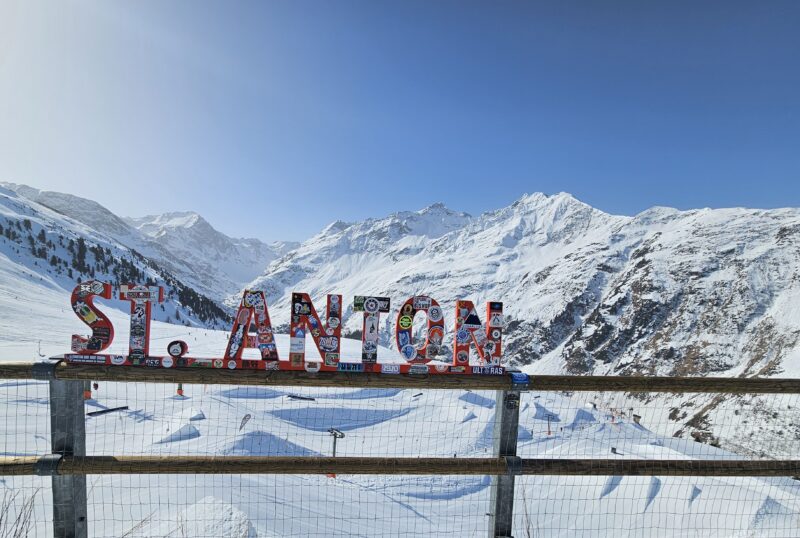
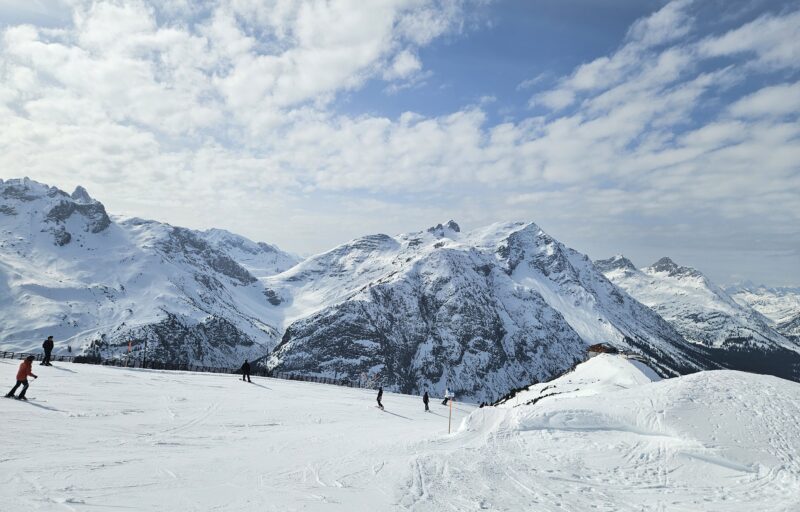
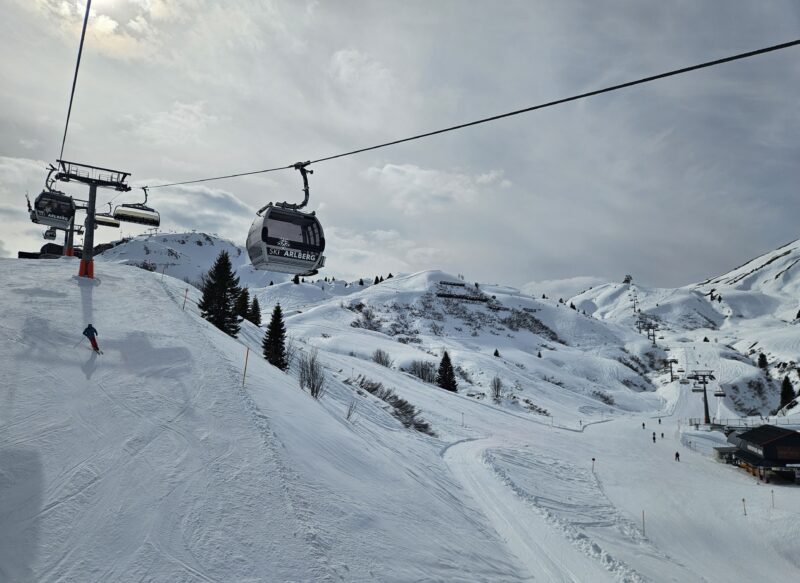
St Anton am Arlberg, situated in the westernmost province of Tyrol, serves as a primary hub for Ski Arlberg, the largest lift-linked ski territory in Austria and the fifth largest in the world. The region’s expansion, significantly bolstered by the 2016 installation of the Flexenbahn gondola, has created a contiguous skiing area spanning 300 kilometers of marked pistes and over 200 kilometers of off-piste terrain. The network encompasses several distinct municipalities, including St Anton, St Christoph, Stuben, Lech, Zürs, and Warth-Schröcken.
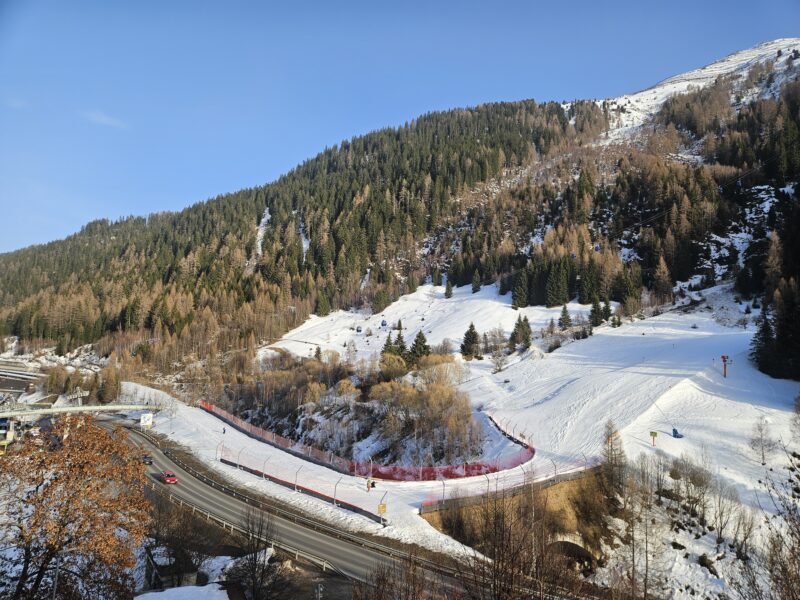
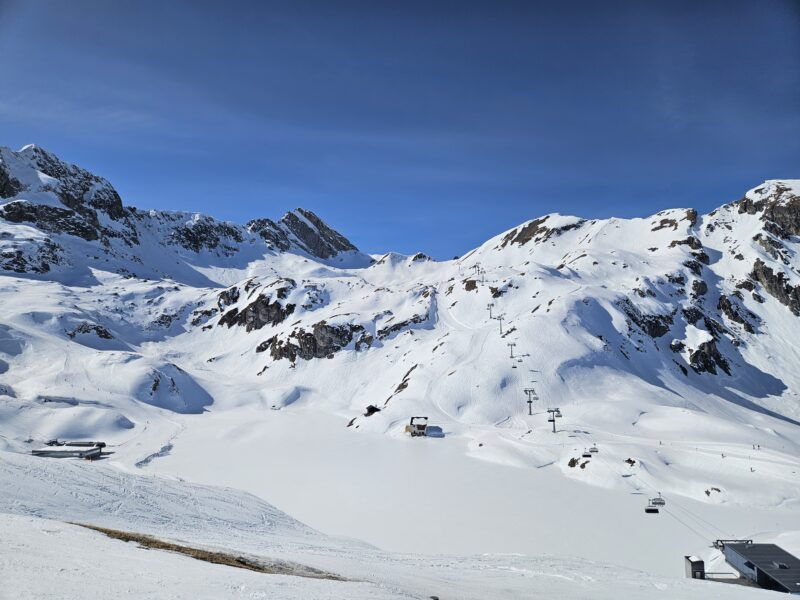
For operators like Inghams, which has maintained a presence in the European ski market since 1934, St Anton represents a critical asset due to its reputation for snow reliability. In an era where low-altitude resorts face increasing viability concerns, the Arlberg’s high-elevation slopes—reaching up to 2,811 meters at the Valluga peak—provide a necessary hedge against fluctuating temperatures. The 2026 season specifically benefited from a substantial snowfall event in late February, which ensured adequate coverage across the massif despite a subsequent rise in temperatures during the mid-March period.
The Inghams Choice Chalet Model and Operational Staffing
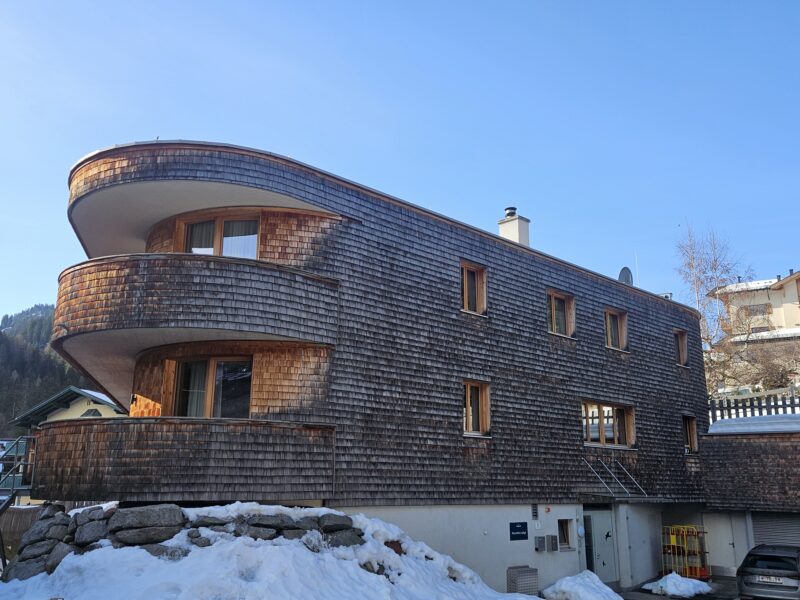
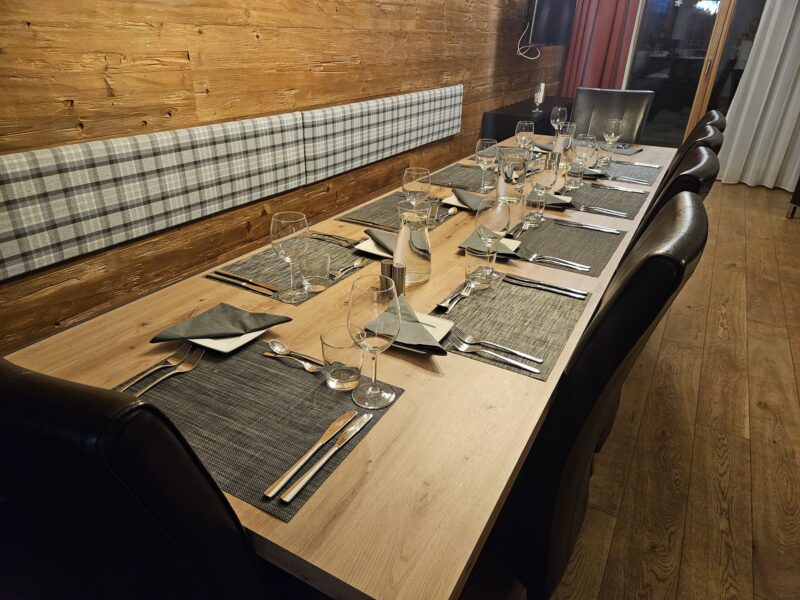
The "Inghams Choice" designation represents a curated tier of accommodation designed to offer a balance between communal chalet culture and modern amenities. In the 2026 season, the Mountain Lodge building in St Anton served as a primary site for this model, housing four individual 10-person chalets, including Chalet Albona. These units share a centralized spa facility featuring a swimming pool, sauna, steam room, and relaxation zones.
Located approximately 0.6 miles (one kilometer) from the town center, the Mountain Lodge facilities were strategically positioned to offer guests a quiet environment while maintaining proximity to the resort’s primary transport links and aprés-ski infrastructure. However, operational reports indicate that the 2026 season will be the final year for Inghams at the Mountain Lodge property, as the building has been acquired by new owners. The operator is currently in the process of finalizing its 2027 portfolio, which continues to include two other dedicated chalets and partnerships with four local hotels in St Anton.
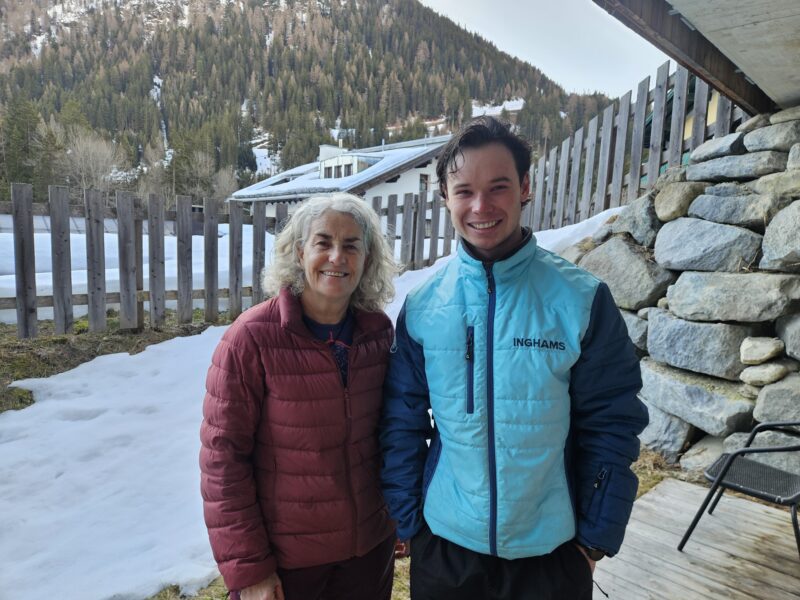
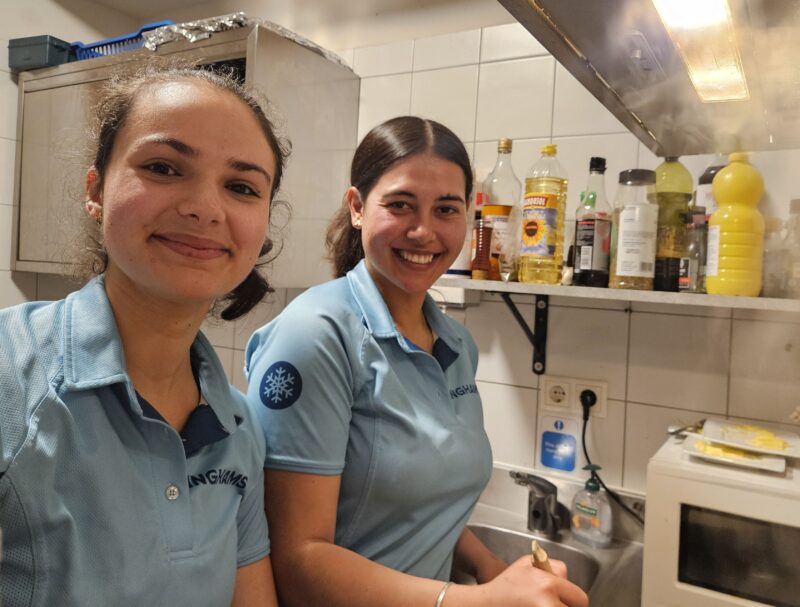
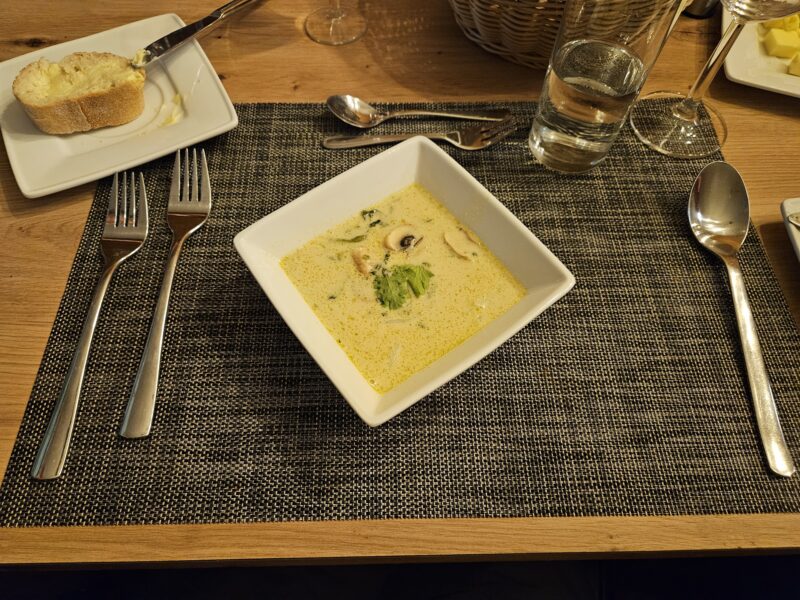
A notable development in the 2026 operational cycle is the demographic shift in resort staffing. According to Neil Murphy, Inghams Resort Manager with a ten-year tenure in St Anton, the post-Brexit labor market has necessitated a transition in recruitment strategy. The current workforce, typically aged between 18 and 26, increasingly draws from Australia, New Zealand, and Ireland. This international staffing model includes "flexi-hosts" who rotate between properties to ensure consistent service standards, particularly in the delivery of the traditional chalet board, which includes daily breakfast, afternoon tea, and six nights of four-course dinners with inclusive beverage service.
Digital Integration: The WhatsApp Community Initiative
One of the most significant logistical innovations observed during the 2026 season is the "Inghams WhatsApp Community." This digital service, managed by "Destination Experts" such as Aaron Carloss, has replaced traditional physical notice boards and scheduled "rep hours" with real-time, data-driven communication.
Every morning, guests receive detailed dispatches via WhatsApp containing:
- Accurate local weather forecasts and wind speed data at various elevations.
- Real-time lift status updates and recommended routes to avoid congestion.
- Tailored slope recommendations based on current snow quality (e.g., advising higher elevation runs in the morning and north-facing slopes in the afternoon).
- Logistical advice for non-skiers, including walking paths and alternative mountain activities.
- Curated dining recommendations across the 300km network.
This proactive information management is designed to reduce the "choice paralysis" often experienced by tourists in expansive ski areas. By guiding guests toward specific sectors—such as the Kriegerhorn or the black runs of Warth—operators can distribute the guest load more effectively across the infrastructure, enhancing the overall user experience and safety.

Environmental Resilience and the Snow Guarantee Policy
The 2026 season has underscored the necessity of robust consumer protection policies regarding snow conditions. Inghams currently maintains a "Snow Guarantee" protocol to address the volatility of Alpine winters. Under this policy, if less than 25% of a resort’s planned ski runs are operational due to lack of snow, the operator facilitates transport for guests to a nearby resort with better coverage.
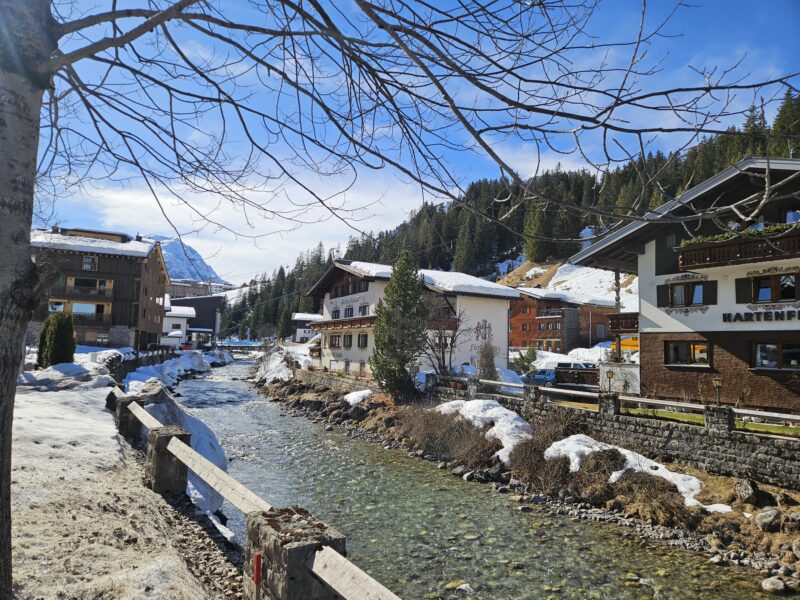
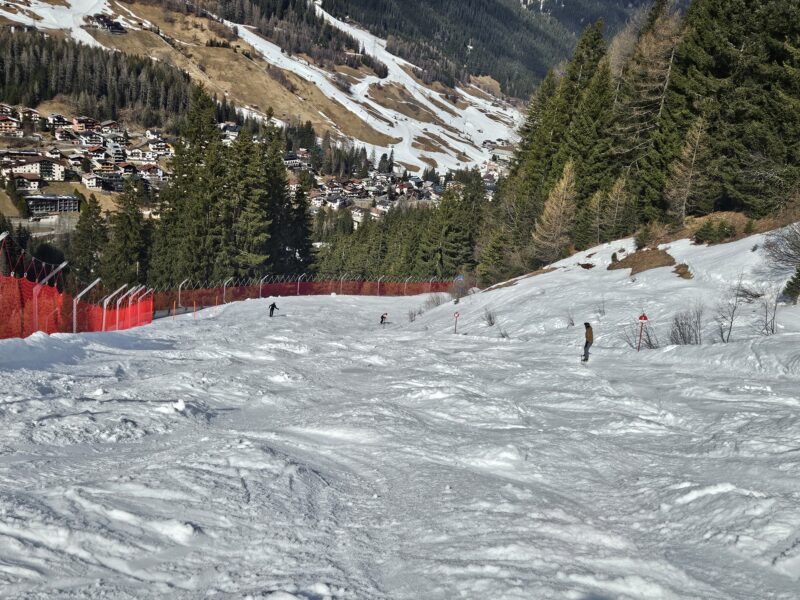
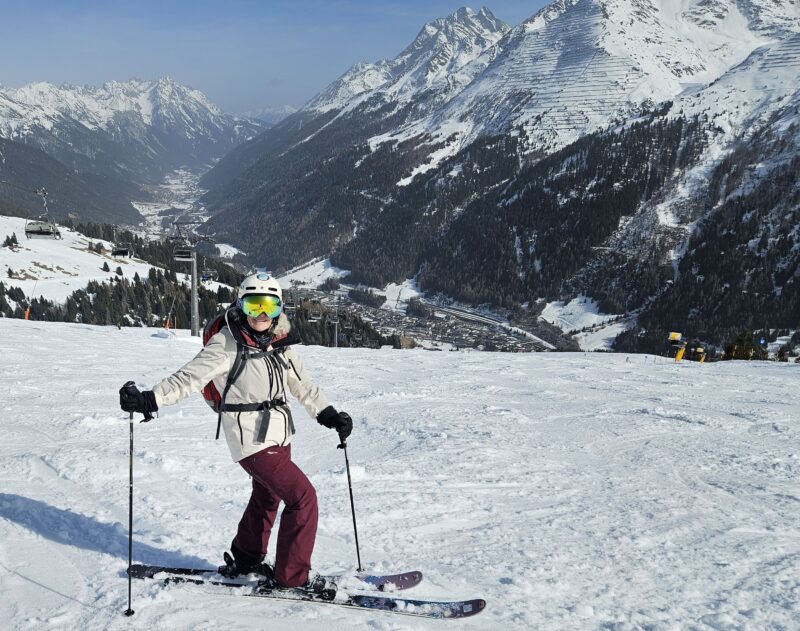
While the March 2026 period in St Anton did not trigger this guarantee, conditions were characterized by "spring skiing" dynamics. Observations from the field noted that while lower-elevation runs (such as the valley descents into St Anton) became heavy and "mogully" by midday due to solar gain, the upper-mountain pistes remained grippy and well-groomed. This variability highlights the importance of equipment selection; for instance, all-mountain skis with a wider waist (such as the Nordica Santa Ana 92) were frequently utilized by informed skiers to navigate both the firm morning corduroy and the slushier afternoon conditions.
Logistical Infrastructure and Equipment Supply Chains
The efficiency of a ski holiday is heavily dependent on the integration of equipment rental and storage. In St Anton, the partnership between tour operators and entities like Intersport Arlberg has streamlined the guest transition from arrival to the slopes.
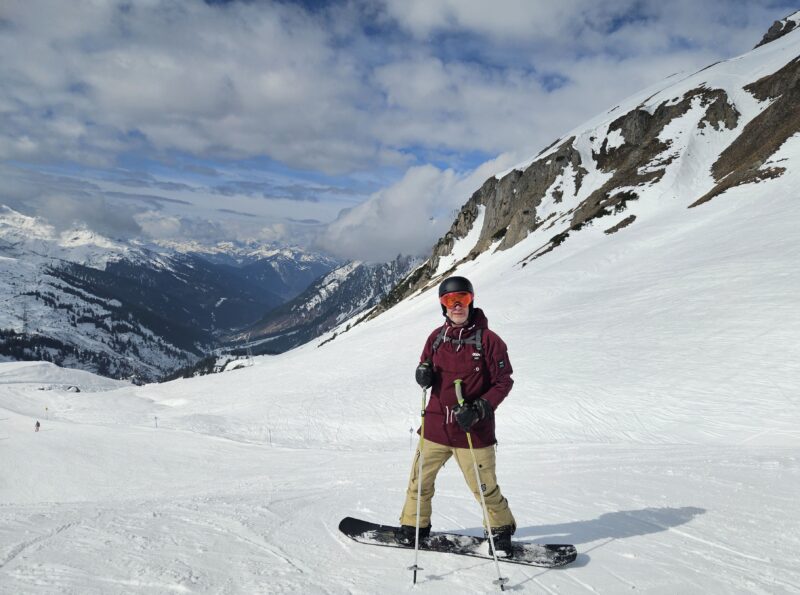
The 2026 logistical model emphasizes the use of storage depots located at primary lift stations, such as the Galzigbahn. This allows guests to store skis and boots at the foot of the mountain, eliminating the need to transport heavy equipment to and from peripheral accommodation. Furthermore, the "Superior" rental tier offered by providers like Intersport allows for unlimited equipment exchanges, enabling skiers to adapt their gear to changing snow conditions throughout the week.
Transport logistics also remain a pillar of the Arlberg’s accessibility. The 2026 season saw continued use of Innsbruck Airport as the primary gateway, with coach transfer times averaging 90 minutes. Additionally, there has been a measurable uptick in rail travel via London St Pancras to St Anton station, reflecting a broader industry trend toward lower-carbon travel options for European winter sports.

Socio-Economic Impact and Guest Demographics
The chalet model remains a significant driver of social interaction within the ski industry. Data from the 2026 season suggests that the informal environment of the 10-person chalet continues to attract a diverse professional demographic. Guest profiles in the St Anton sector included individuals from healthcare, software engineering, education, and media sectors.
The high rate of "repeat guests"—those who have visited the resort with the same operator multiple times within a single season or in consecutive years—serves as a key performance indicator for the resort’s stability. In St Anton, the combination of a legendary aprés-ski scene (including venues like the Mooserwirt and Krazy Kanguruh) and world-class technical skiing creates a dual-appeal that sustains high occupancy rates even during the shoulder weeks of March.
Conclusion and Future Outlook
As the 2026 season concludes, the operations in St Anton am Arlberg demonstrate a successful adaptation to modern tourism demands. The shift toward digital guest management via WhatsApp, the internationalization of the service workforce, and the focus on high-altitude, lift-linked networks have allowed Inghams to maintain its market-leading position.
Looking toward 2027, the industry faces the challenge of replacing key assets like the Mountain Lodge while continuing to innovate in the face of climatic uncertainty. The ongoing success of the Arlberg region will likely depend on continued investment in snow-making technology and the further refinement of the "all-in-one" logistical approach that integrates transport, accommodation, and real-time mountain guidance. For the consumer, the 2026 season has proven that even in a warming climate, strategic resort selection and professional operational support remain the most effective methods for ensuring a viable high-alpine sports experience.
