
The alpine community in the Tarentaise Valley is mourning the loss of a 43-year-old man following a catastrophic accident in the off-piste reaches of La Plagne. On the afternoon of Saturday, March 31, 2026, the individual, who has been identified as an experienced snowboarder, suffered a fatal fall of approximately 100 meters from a rocky precipice in the Bécoin sector. The incident has once again cast a spotlight on the inherent dangers of solo off-piste exploration and the treacherous conditions that can persist even as the winter season approaches its conclusion. Emergency services were alerted to the situation in the mid-afternoon, but despite a rapid response from mountain rescue teams, the victim was pronounced dead at the scene.
Detailed Chronology of the Accident and Recovery
The sequence of events began on Saturday afternoon when concerns were raised regarding the whereabouts of the snowboarder. At approximately 2:15 pm, the local emergency dispatch received a report indicating that the individual had disappeared while navigating the rugged terrain outside the marked boundaries of the resort. The 43-year-old had reportedly been snowboarding alone, a factor that complicates both immediate assistance and the subsequent search efforts in the event of an accident.
Upon receiving the alert, mountain security patrols (pisteurs-secouristes) were immediately dispatched to the Bécoin area, a sector known for its challenging topography and steep gradients. The search was intensified as rescuers combed the off-piste zones adjacent to the groomed runs. However, the discovery of the victim was eventually made by a member of the public—a passing off-piste skier who happened upon the body at the base of a significant rocky ledge.
A spokesperson for the police mountain rescue unit (Peloton de Gendarmerie de Haute Montagne – PGHM) confirmed the gravity of the fall. According to preliminary assessments, the victim is thought to have lost his footing or misjudged the edge of a rocky outcrop, resulting in a freefall of at least one hundred meters. The impact from such a height in a high-altitude environment left no chance for survival. Upon arrival, the medical team, transported via helicopter, could only certify the death. The body was subsequently airlifted from the site to a local facility for formal identification and further examination.
Geographic Context and the Bécoin Sector
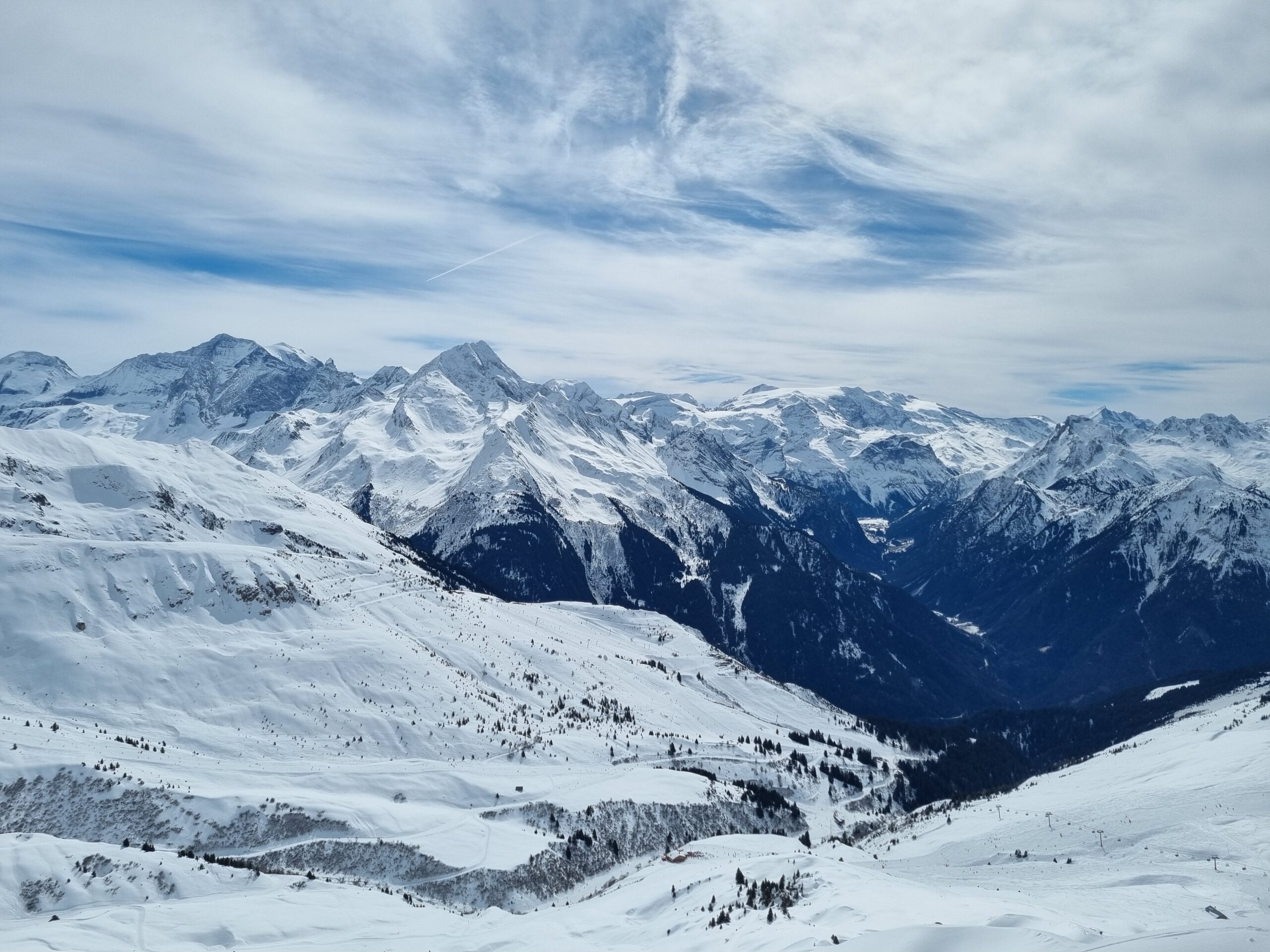
La Plagne, part of the massive Paradiski area in the French Alps, is one of the world’s most popular ski destinations, offering a vast array of terrain for all skill levels. The Bécoin area, where the accident occurred, is characterized by its proximity to the Crête des Levers and offers several technical off-piste descents that attract advanced riders seeking fresh powder and a reprieve from the crowds on the marked trails.
While the "pistes" or marked runs are meticulously managed for safety, including avalanche blasting and obstacle marking, the "hors-piste" or off-piste areas remain in a natural, wild state. In these zones, skiers and snowboarders encounter unmanaged hazards such as hidden rocks, "cliffs" or rocky ledges, and unstable snow bridges. The Bécoin sector, in particular, features several steep drops and rocky outcrops that can become obscured by shifting snow or flat light conditions, making navigation perilous for those unfamiliar with the specific micro-topography of the ridge.
Statistical Overview of a Deadly Winter Season
The death of the 43-year-old snowboarder adds to a grim tally for the 2025-2026 winter season in the French Alps. This incident marks another tragedy in a year that has been particularly unforgiving for mountain enthusiasts. Earlier this season, in January, the resort of La Plagne was the site of another high-profile fatality when a British man in his 50s was caught in an avalanche while skiing off-piste.
According to data compiled by national mountain safety organizations, 31 people have died in avalanches across France this winter alone. This figure does not include fatalities resulting from falls, collisions, or medical emergencies, suggesting that the total number of mountain-related deaths is significantly higher. The high number of avalanche-related deaths this year has been attributed to a complex snowpack, where early-season snowfall was followed by prolonged cold periods, creating a "persistent weak layer" that was easily triggered by the weight of a single skier or snowboarder.
The Role of the Local Prosecutor and Legal Framework
Following the recovery of the body, the local prosecutor’s office in Albertville launched a formal investigation into the circumstances of the death. This is a standard legal procedure in France for any fatal accident occurring in the mountains. The investigation aims to determine the exact cause of death and to rule out any third-party involvement or negligence.
The inquiry will typically involve:
- Technical Analysis: Examining the victim’s equipment (snowboard, bindings, and safety gear) to ensure no mechanical failure contributed to the fall.
- Terrain Assessment: Reviewing the snow conditions and visibility at the time of the accident to understand the environmental factors at play.
- Witness Statements: Interviewing the skier who discovered the body and any individuals who may have seen the victim earlier in the day.
Under French law, the responsibility for safety off-piste largely rests with the individual. While resorts are required to provide clear information regarding avalanche risks and weather conditions, they are generally not held liable for accidents that occur outside the marked and secured boundaries, provided that proper signaling and warnings were in place.
The Risks of Solo Backcountry Travel
One of the most critical elements of this tragedy is the fact that the snowboarder was operating alone. Mountain safety experts and organizations such as the ANENA (Association Nationale pour l’Étude de la Neige et des Avalanches) consistently advise against solo off-piste travel.
The "buddy system" is considered a fundamental safety protocol for several reasons:
- Immediate Assistance: In the event of a fall or injury, a partner can provide immediate first aid or stabilize the victim.
- Communication: If an accident occurs in an area with poor mobile reception—a common issue in deep valleys or behind ridges—a partner can move to a location where they can call for help.
- Observation: A partner can monitor the descent and provide a precise location to rescuers if a skier disappears from view or is buried in an avalanche.
In this specific case, the lack of a companion meant that the alert was only raised when the individual failed to return, and the discovery of the body was left to a chance encounter by a third party. This delay can often be the difference between life and death in less severe accidents where exposure to the elements becomes a secondary threat.
Broader Impact and Resort Safety Implications
The recurring fatalities in La Plagne and the wider Savoie region have prompted ongoing discussions regarding how resorts communicate risk to an increasingly diverse international clientele. While the allure of "powder" is a major marketing draw for the Alps, the reality of the danger is often underestimated by recreational riders.
Resorts like La Plagne have invested heavily in "Freeride Zones"—monitored but un-groomed areas where skiers can experience deep snow with a lower risk profile. However, the allure of truly wild terrain continues to lead many beyond these controlled environments. Safety advocates are calling for more robust education campaigns, emphasizing that off-piste skiing should be treated with the same respect as mountaineering, requiring transceivers, probes, shovels, and, ideally, the guidance of a professional mountain guide or instructor.
The economic impact of these tragedies is also felt by the local communities. Each fatal accident requires a massive mobilization of public resources, including the PGHM, the CRS Alpes (mountain police), and medical helicopter services (such as the Dragon 74 or SAF). Furthermore, the reputation of a resort can be affected by a high frequency of accidents, leading to a push for stricter enforcement of safety recommendations.
Conclusion and Future Outlook
As the 2025-2026 season draws to a close, the death of the 43-year-old snowboarder serves as a somber reminder of the mountains’ indifference to human presence. The combination of technical terrain, solo travel, and the inherent risks of off-piste navigation created a tragic outcome that has resonated throughout the French Alps.
Moving forward, the focus for authorities and resort management will likely remain on education and prevention. While the freedom to explore the mountains is a cherished aspect of the alpine experience, the high death toll this winter suggests a need for a shift in the culture of off-piste safety. For now, the investigation into the Bécoin accident continues, as the community reflects on another life lost to the peaks of La Plagne.
