
The United States federal government has initiated a sweeping series of policy shifts aimed at de-prioritizing renewable energy initiatives, curtailing federal climate research, and significantly expanding the footprint of fossil fuel extraction on public lands and waters. These actions, characterized by a rapid succession of executive orders and departmental directives, represent a fundamental pivot in the nation’s energy and environmental strategy. By utilizing administrative mechanisms and emergency powers, the current administration has moved to halt established clean energy projects, challenge the necessity of long-standing scientific institutions, and reverse restrictions on offshore drilling that have been in place for decades. The cumulative effect of these decisions is a comprehensive restructuring of the American energy landscape, with profound implications for economic markets, state-level climate goals, and the international standing of U.S. environmental policy.
The Suspension of Offshore Wind Development and Its Economic Fallout
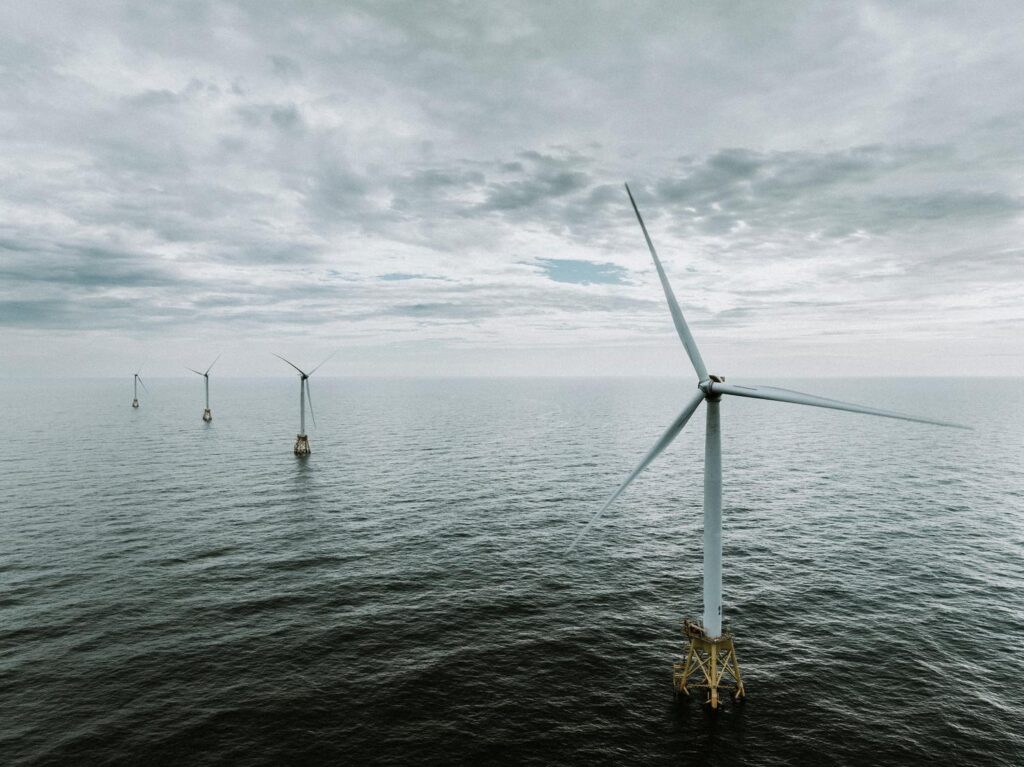
In a move that has sent shockwaves through the renewable energy sector, the Department of the Interior (DOI) recently announced the immediate halt of five major offshore wind projects currently under construction. These projects—Vineyard Wind, Revolution Wind, Coastal Virginia Offshore Wind, Sunrise Wind, and Empire Wind—represent the vanguard of the American offshore wind industry and were expected to provide several gigawatts of clean electricity to the Eastern Seaboard. The administration cited "national security concerns" as the primary justification for the suspension, classifying the specific details of these concerns to limit public and judicial scrutiny.
The suspension comes at a critical juncture for the industry. Vineyard Wind, located off the coast of Massachusetts, had already begun delivering power to the grid, while Dominion Energy’s Coastal Virginia project was poised to be one of the largest offshore wind farms in the world. Industry analysts suggest that the sudden cessation of these projects could result in billions of dollars in stranded assets. The offshore wind sector relies on long-term capital stability and complex global supply chains; by invoking national security to bypass the standard permitting and judicial review process, the administration has introduced a level of regulatory uncertainty that may deter future foreign and domestic investment.
Beyond the immediate financial losses, the halt disrupts the transition of the U.S. power grid. These five projects alone were projected to power millions of homes and create thousands of specialized maritime and engineering jobs. Labor unions, particularly those involved in the "blue economy," have expressed concern that the suspension will lead to immediate layoffs and the migration of skilled labor to European or Asian markets where offshore wind development remains a priority.

The Existential Threat to the National Center for Atmospheric Research
Simultaneous with the shift in energy production is an unprecedented challenge to the infrastructure of American climate science. The administration has proposed the potential closure or significant defunding of the National Center for Atmospheric Research (NCAR), headquartered in Boulder, Colorado. Established in 1960 and managed by the University Corporation for Atmospheric Research (UCAR) under a cooperative agreement with the National Science Foundation (NSF), NCAR is a cornerstone of global meteorological and climate study.
NCAR’s contributions extend far beyond theoretical modeling. The institution provides the foundational data used for extreme weather forecasting, wildfire behavior analysis, and aviation safety. Its supercomputing facilities, including the "Derecho" system, allow scientists to simulate complex atmospheric interactions that are vital for predicting hurricane landfalls and long-term drought cycles in the American West.
The proposal to shutter NCAR is viewed by the scientific community as a move to dismantle the evidentiary basis for climate policy. Without the high-fidelity modeling provided by NCAR, state and local governments lose the ability to plan for infrastructure resilience. For example, municipal water managers rely on NCAR’s snowpack projections to manage reservoirs, and agricultural sectors use their seasonal outlooks to determine planting cycles. The dissolution of this institution would create a data vacuum, potentially making the U.S. more vulnerable to natural disasters while removing the scientific benchmarks used to hold industrial emitters accountable.
Massive Expansion of Offshore Drilling Leases
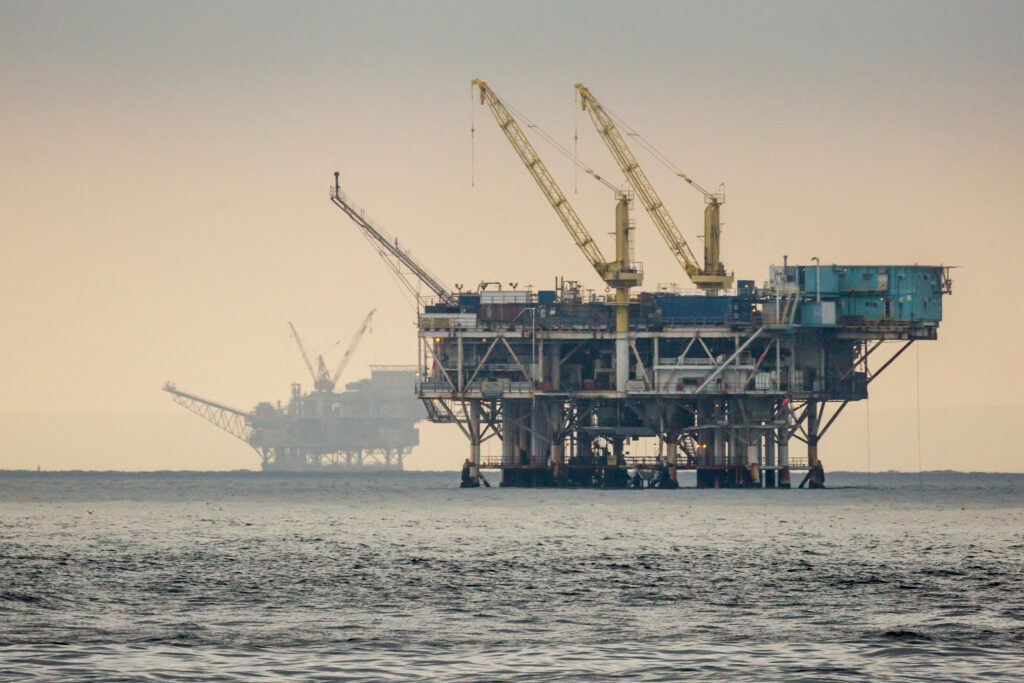
In perhaps the most expansive move toward fossil fuel prioritization, the administration has proposed opening 1.27 billion acres of the Outer Continental Shelf (OCS) to oil and gas leasing. This proposal includes vast tracts of water off the coasts of California and Florida, as well as sensitive areas in the Arctic and the Gulf of Alaska. This represents a near-total reversal of the previous administration’s five-year leasing plan, which had limited new drilling to a handful of sites in the Gulf of Mexico.
The scale of this proposal is unprecedented in modern history. By making nearly the entire U.S. coastline available for extraction, the administration aims to maximize domestic energy production and lower global commodity prices. However, the plan faces stiff opposition from a bipartisan coalition of coastal governors and representatives. Leaders in states like Florida and California have argued that the potential for oil spills poses an unacceptable risk to their multi-billion-dollar tourism and fishing industries.
Chronology of recent offshore policy:
- 2021-2023: Focus on "Wind Energy Areas" (WEAs) and limited oil leasing.
- Late 2024: Executive directives issued to prioritize "Energy Dominance."
- Current: Formal proposal of the 1.27-billion-acre lease plan, initiating a mandatory public comment period.
Environmental impact assessments indicate that a full-scale build-out of these leases would lock in decades of carbon emissions, complicating the nation’s ability to meet international climate commitments. Furthermore, the infrastructure required for offshore drilling—including pipelines and refineries—often impacts frontline coastal communities, leading to increased localized pollution and habitat fragmentation.
Federal Intervention in State Energy Markets: The Craig Generating Station
The administration’s "all-of-the-above" energy strategy has also led to direct interventions in state-level utility planning. In a notable instance in Colorado, the Department of Energy (DOE) invoked emergency authority under Section 202(c) of the Federal Power Act to force the Craig Generating Station Unit 1 to remain operational. This coal-fired plant, nearly 50 years old, was scheduled for decommissioning as part of a negotiated transition toward renewable energy and natural gas.
The DOE’s order came despite the fact that the unit had been offline due to mechanical failures and was deemed uneconomic by its operators. Federal officials argued that the plant was necessary to ensure grid reliability during peak demand periods. However, the Colorado Public Utilities Commission and independent grid analysts have disputed this claim, noting that the state’s energy transition plan included sufficient reserve margins without the aging coal unit.
The implications of this intervention are twofold:

- Economic Impact: Keeping an uneconomic plant online forces utilities to purchase more expensive power, costs which are typically passed on to ratepayers.
- Regulatory Conflict: The move asserts federal dominance over state sovereignty in energy planning, potentially setting a precedent where the federal government can override state-mandated carbon reduction targets.
For rural communities in northwestern Colorado, the order creates a period of industrial limbo. While it may temporarily preserve some jobs, it delays the transition to newer, more sustainable economic drivers and prolongs the community’s exposure to coal combustion residuals and air pollutants.
Broader Implications and Strategic Analysis
The coordinated nature of these actions suggests a strategic effort to redefine the role of the federal government in environmental management. By simultaneously attacking the production of clean energy (wind), the science that justifies it (NCAR), and the phase-out of fossil fuels (drilling and coal), the administration is attempting to create a self-reinforcing policy environment.
The use of "national security" and "emergency powers" is a key component of this strategy. These designations provide a legal shield that makes it more difficult for environmental groups or state governments to obtain injunctions in court. However, this approach also risks long-term instability. The energy sector requires decades-long horizons for planning; a "pendulum" style of governance, where energy policy is radically rewritten every four to eight years, creates a "risk premium" that may eventually drive up energy costs for all Americans.
Internationally, these moves signal a withdrawal from the leadership role the U.S. has recently sought in global climate negotiations. As other major economies, including the European Union and China, continue to invest heavily in the "green race" for battery technology and renewable infrastructure, the U.S. pivot back to traditional fossil fuels may result in a loss of competitive advantage in the emerging global energy economy.
Conclusion and Future Outlook
As the administration moves forward with these proposals, the next several months will be defined by legal and political challenges. State attorneys general from coastal and Western states have already signaled their intent to sue the federal government over the offshore drilling expansion and the forced operation of coal plants. Meanwhile, the scientific community continues to lobby Congress to protect NCAR’s funding through the appropriations process, arguing that weather and climate data are essential for national security and economic prosperity.
The conflict between federal directives and state-level energy goals is likely to reach the Supreme Court, where the limits of executive authority under the Federal Power Act and the Outer Continental Shelf Lands Act will be tested. For now, the U.S. energy landscape remains in a state of profound transition, caught between a rapidly accelerating clean energy industry and a federal administration determined to restore the primacy of fossil fuels. The outcome of this struggle will determine the nation’s environmental health, economic trajectory, and scientific legacy for decades to come.
