
The United States energy landscape is undergoing a rapid and fundamental transformation as the Trump administration executes a series of executive and departmental actions aimed at dismantling existing climate policies and prioritizing fossil fuel production. Within a compressed timeframe during and immediately following the holiday season, the administration has moved to halt major offshore wind developments, threaten the funding of premier atmospheric research institutions, propose a massive expansion of offshore drilling, and exercise rarely used emergency powers to keep aging coal-fired power plants operational. These coordinated efforts represent a significant pivot from previous federal strategies that focused on the transition to renewable energy and the mitigation of greenhouse gas emissions.
Suspension of Major Offshore Wind Projects
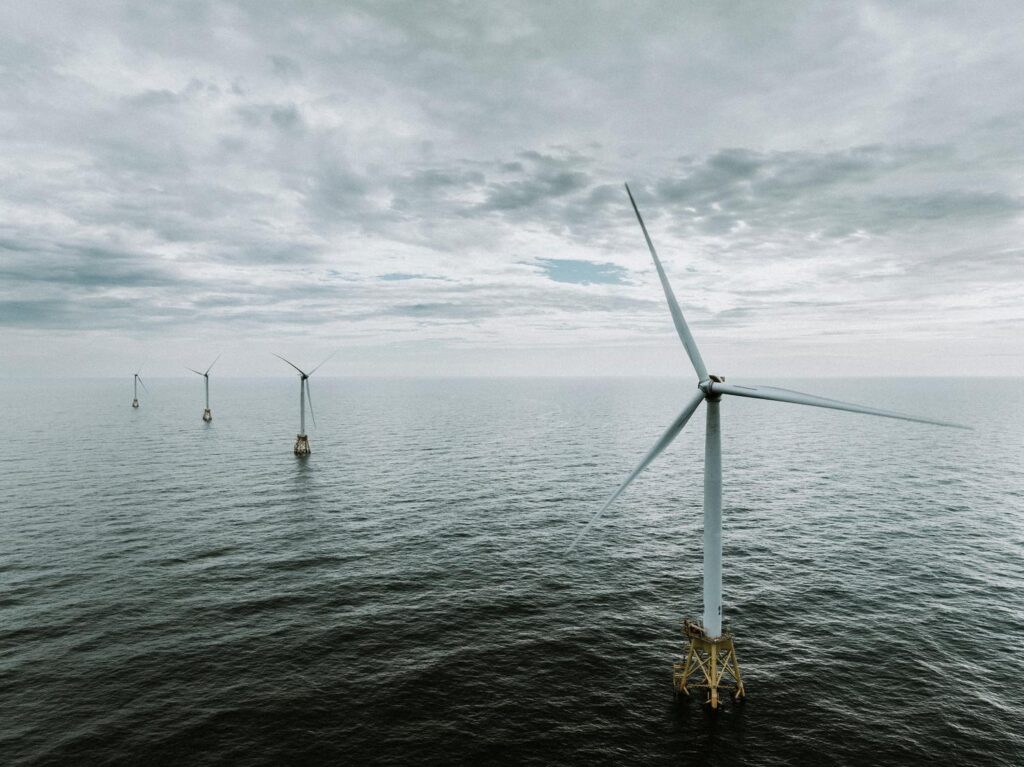
In a move that has sent shockwaves through the renewable energy sector, the Department of the Interior (DOI) recently announced the immediate suspension of five major offshore wind projects currently in various stages of construction. The affected projects—Vineyard Wind, Revolution Wind, Coastal Virginia Offshore Wind, Sunrise Wind, and Empire Wind—represent the vanguard of the American offshore wind industry. Collectively, these projects were expected to generate several gigawatts of clean electricity, enough to power millions of homes along the Eastern Seaboard.
The administration cited "national security concerns" as the primary justification for the halt, though specific details regarding these concerns remain classified. This invocation of security protocols allows the executive branch to bypass standard administrative procedures and judicial reviews that typically govern the permitting and construction of large-scale infrastructure. Industry analysts note that these projects had already secured all necessary federal and state permits and had billions of dollars in committed capital.
The suspension of Vineyard Wind, which was nearing completion off the coast of Massachusetts, is particularly notable. As the first utility-scale offshore wind farm in the United States, its success was seen as a proof-of-concept for the entire industry. By halting these projects mid-build, the administration has introduced a high level of sovereign risk into the U.S. energy market. Investors and developers now face uncertainty regarding the sanctity of federal permits, which may lead to increased borrowing costs and a potential flight of capital to more stable international markets in Europe and Asia.

The Threat to Atmospheric and Climate Research
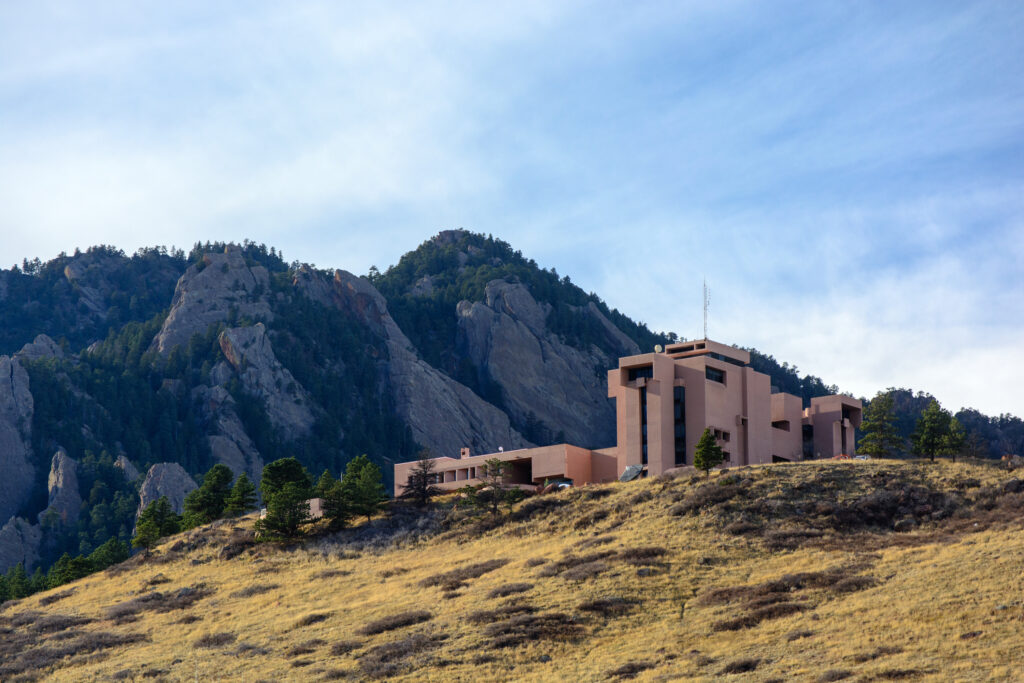
Simultaneously, the administration has signaled its intent to potentially shutter the National Center for Atmospheric Research (NCAR), located in Boulder, Colorado. Established in 1960 and managed by the University Corporation for Atmospheric Research (UCAR) under a cooperative agreement with the National Science Foundation (NSF), NCAR is a cornerstone of global climate science.
The institution provides the high-performance computing power and sophisticated modeling tools used to predict extreme weather events, track hurricane trajectories, and model long-term climate trends. The "Community Earth System Model" developed at NCAR is utilized by thousands of scientists worldwide to understand the complex interactions between the atmosphere, oceans, and land surfaces.
Critics of the proposed shutdown argue that losing NCAR would severely degrade the United States’ ability to forecast wildfires, manage water resources in the arid West, and prepare for the economic impacts of a changing climate. From a budgetary perspective, the administration has framed the move as a cost-saving measure and a reorganization of federal scientific priorities. However, members of the scientific community suggest that the move is an attempt to suppress the data that informs federal environmental regulations. The loss of NCAR’s datasets, some of which span decades, would create a significant gap in the historical record used to calibrate modern climate models.
Unprecedented Expansion of Offshore Drilling Leases
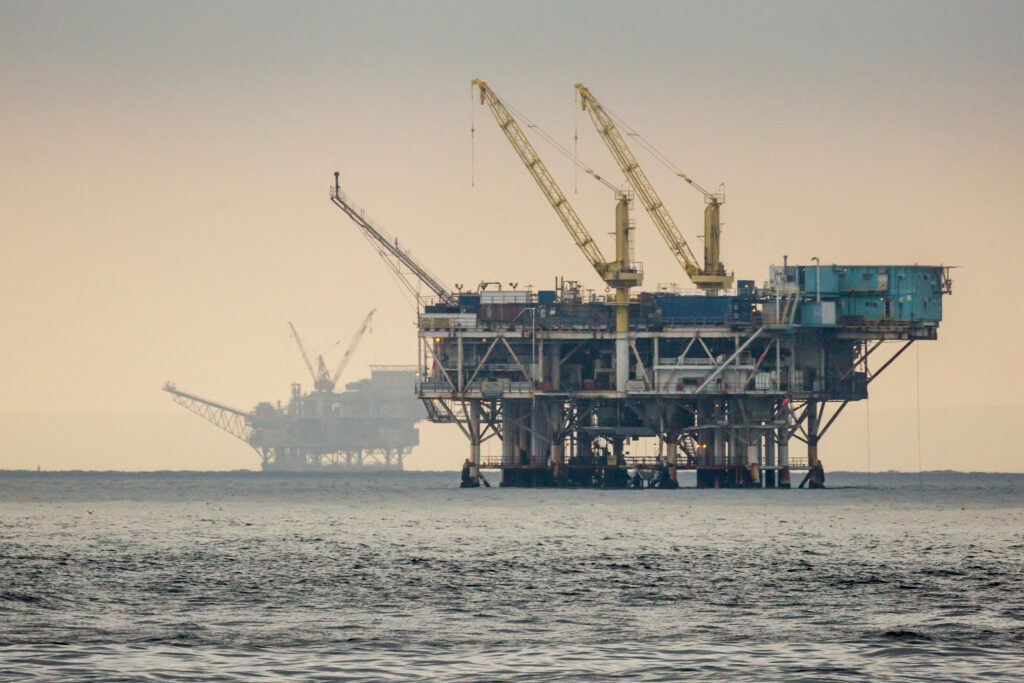
In perhaps the most expansive move toward "energy dominance," the Trump administration has proposed a new five-year leasing program that opens 1.27 billion acres of the Outer Continental Shelf to oil and gas exploration. This proposal encompasses nearly the entire U.S. coastline, including areas in the Atlantic, Pacific, and Arctic oceans, as well as the Gulf of Mexico.
This plan reverses decades of bipartisan policy that kept the Pacific and Atlantic coasts largely off-limits to drilling due to concerns over tourism, fisheries, and environmental protection. The proposal includes:
- California and the Pacific Northwest: Reopening waters that have seen no new federal leasing since the 1980s.
- Florida and the Eastern Seaboard: Challenging long-standing moratoriums supported by coastal governors who fear the impact of potential oil spills on their state economies.
- The Arctic National Wildlife Refuge (ANWR) and Beaufort Sea: Accelerating extraction in sensitive northern ecosystems.
The Bureau of Ocean Energy Management (BOEM) will oversee the public comment period, which is expected to face intense legal challenges from a coalition of coastal states. Proponents of the plan argue that expanded domestic production will lower energy prices and enhance national security by reducing reliance on foreign oil. Conversely, environmental economists point out that the global transition toward electric vehicles and renewable energy may result in these leases becoming "stranded assets" that offer little long-term economic return while posing immediate ecological risks.
Federal Intervention in the Colorado Power Grid
In the interior of the country, the Department of Energy (DOE) has taken the extraordinary step of invoking Section 202(c) of the Federal Power Act to prevent the closure of the Craig Generating Station Unit 1 in Colorado. The nearly 50-year-old coal-fired unit was scheduled for decommissioning as part of a negotiated transition toward cleaner energy sources by local utilities and state regulators.
The DOE’s emergency order mandates that the plant remain operational to ensure "grid reliability," despite the fact that the unit has recently suffered from mechanical failures and is no longer economically competitive with natural gas or renewables. Tri-State Generation and Transmission Association, the operator of the plant, had previously determined that retiring the unit was the most cost-effective path forward for its member ratepayers.
The federal intervention overrides state-level energy planning and forces utilities to maintain expensive, aging infrastructure. Analysts suggest this sets a precedent for federal "life support" for the coal industry nationwide. The economic burden of maintaining Unit 1 will likely fall on rural consumers, as the costs of coal procurement and plant maintenance for an obsolete facility are significantly higher than the cost of purchasing power from newer, more efficient sources.
Chronology of Recent Actions
The timeline of these events reflects a strategy of rapid-fire policy implementation designed to overwhelm opposition:
- Late December: Initial reports surface regarding the re-evaluation of NCAR’s federal funding and mission.
- December 28: The DOI issues "stop-work" orders for the five major offshore wind projects, citing classified security concerns.
- December 30: The DOE issues the emergency order for the Craig Generating Station just 24 hours before its scheduled shutdown.
- Early January: The formal proposal for the 1.27-billion-acre offshore drilling plan is published in the Federal Register, initiating the 60-day public comment period.
Official Responses and Stakeholder Reactions
The reactions to these policies have been sharply divided along industrial and political lines.
Industry Groups: The American Petroleum Institute (API) welcomed the offshore drilling proposal, stating that "long-term energy security requires a commitment to domestic resource development today." Conversely, the American Clean Power Association (ACP) called the wind project halts "a devastating blow to a nascent industry that has already invested billions in American ports and manufacturing."
State Leadership: Colorado Governor Jared Polis expressed concern over the federal interference at the Craig plant, noting that it disrupts the state’s carefully calibrated "Clean Energy Plan." In California, state officials have vowed to use every legal tool available, including denying permits for pipelines in state waters, to block federal drilling efforts.
Environmental and Social Advocacy: Groups such as Protect Our Winters (POW) and the Surfrider Foundation have mobilized their memberships to oppose the drilling and wind-halt measures. They argue that these policies not only accelerate climate change but also threaten the $1.1 trillion outdoor recreation economy, which relies on stable snowpacks, clean beaches, and healthy ecosystems.
Analysis of Broader Implications
The administration’s actions represent a shift toward centralized federal control over energy markets that were previously moving toward decentralization and decarbonization. By using "national security" and "emergency authority" as justifications, the executive branch is testing the limits of its power to steer the economy toward fossil fuels.
The long-term implications are multi-faceted:
- Market Volatility: The abrupt cancellation of permitted projects creates a "chilling effect" on renewable energy investment, potentially ceding leadership in green technology to international competitors.
- Scientific Erosion: Dismantling institutions like NCAR could leave the U.S. "blind" to the increasing frequency of climate-driven disasters, leading to higher insurance premiums and disaster-relief costs.
- Economic Strain: Forcing the continued operation of uneconomic coal plants and opening vast areas to drilling may lead to a surplus of carbon-heavy assets that are inconsistent with global market trends toward ESG (Environmental, Social, and Governance) standards.
As the 2026 midterm elections approach, these energy policies are likely to become a central point of contention. The legal battles over offshore drilling and the procedural challenges to the wind farm halts will wind through federal courts for years, creating a period of prolonged uncertainty for the American energy sector. In the interim, the administration’s focus remains steadfast on maximizing traditional energy production, even as the scientific and economic consensus continues to emphasize the necessity of a transition to a low-carbon future.
