
The United States federal government has officially initiated the first of five mandated oil and gas lease sales in the National Petroleum Reserve-Alaska (NPR-A), marking a significant milestone in a century-long struggle over the future of the nation’s largest block of public land. The sale, which opened on March 18th, involves millions of acres in the Western Arctic, a region that serves as both a massive potential energy storehouse and one of the most ecologically sensitive environments on the planet. This move follows a complex series of executive and legislative actions that have sought to balance national energy security with the preservation of an intact ecosystem that is currently warming three to five times faster than the global average.
At over 22.8 million acres, the NPR-A represents a landscape roughly the size of Indiana. The recent leasing activity is the result of federal mandates requiring an "expeditious program of competitive leasing" within the reserve. However, the move has reignited intense debate among policymakers, environmental scientists, and industry stakeholders regarding the long-term viability of fossil fuel extraction in a region that serves as a critical habitat for millions of migratory birds and several of the world’s last great caribou herds.
A Century of Strategic Designation: The Evolution of the NPR-A
The administrative history of the Western Arctic is inextricably linked to the United States’ transition into a global industrial power. In 1923, President Warren G. Harding signed an executive order establishing "Naval Petroleum Reserve No. 4." The decision was driven by the U.S. Navy’s transition from coal to oil and the discovery of oil seeps along the Arctic coast by early geologists. At the time, Alaska was viewed largely as a resource colony, and the land was withdrawn from public entry to ensure a steady supply for the military.
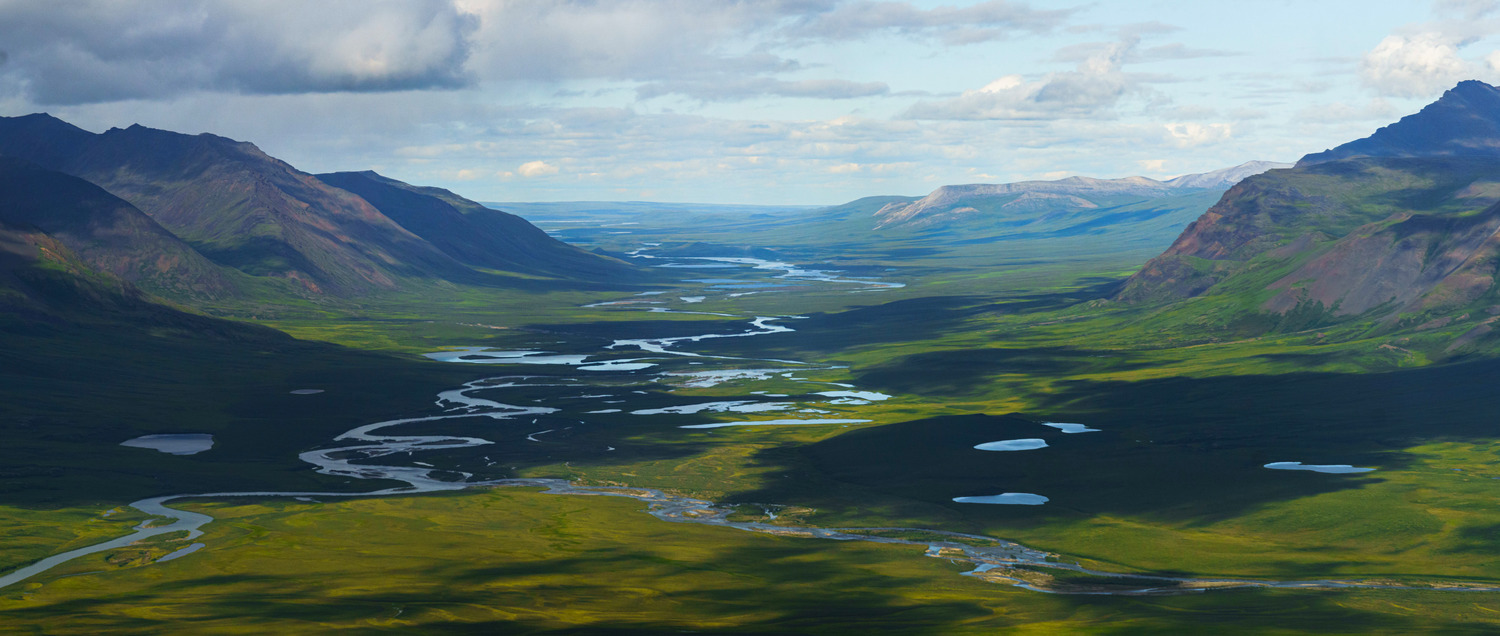
The identity of the region shifted in 1976 when Congress passed the Naval Petroleum Reserves Production Act. This legislation transferred management from the Navy to the Department of the Interior, specifically the Bureau of Land Management (BLM). While the transfer moved the land into civilian hands, the name was merely updated to the National Petroleum Reserve-Alaska (NPR-A), reinforcing its primary bureaucratic purpose as an energy cache.
This historical designation has become a double-edged sword in modern legal battles. While environmentalists argue that the region’s ecological value far outweighs its mineral potential, proponents of development point to the 1976 Act as a clear congressional mandate for energy production. The tension is further complicated by the legacy of the Harding administration itself, which was famously marred by the Teapot Dome scandal involving bribes for oil leases on similar reserves in Wyoming, highlighting the long-standing controversy surrounding the intersection of public land and private resource extraction.
Chronology of Modern Arctic Policy and Leasing
The trajectory of the Western Arctic has been shaped by fluctuating federal priorities over the last two decades. To understand the current lease sales, a timeline of recent administrative actions is essential:
- 2013: The Obama administration implemented a management plan that protected roughly 11 million acres (about half of the reserve) from development, including the sensitive Teshekpuk Lake area.
- 2017-2020: The Trump administration moved to open the vast majority of the NPR-A to leasing, including previously protected "Special Areas." This era saw the aggressive promotion of the Willow Project and the opening of the Arctic National Wildlife Refuge (ANWR) to the east for potential drilling.
- 2021-2023: The Biden administration initially paused oil and gas leasing on federal lands but later faced legal challenges. In 2023, the administration approved a scaled-back version of the Willow Oil Project while simultaneously proposing new protections for 13 million acres of the NPR-A to balance carbon emissions.
- March 18th Sale: The commencement of the first of five lease sales represents the execution of federal law that mandates regular competitive auctions, highlighting the "legal scaffolding" that persists regardless of the sitting administration’s environmental rhetoric.
Ecological Significance of the Western Arctic Wetlands
The NPR-A is not merely a "petroleum reserve"; it is an interconnected ecosystem of global importance. The region is home to an estimated 5.4 million aquatic birds each season, representing species that migrate from six different continents. For many of these birds, the Western Arctic is the primary nesting and molting ground.
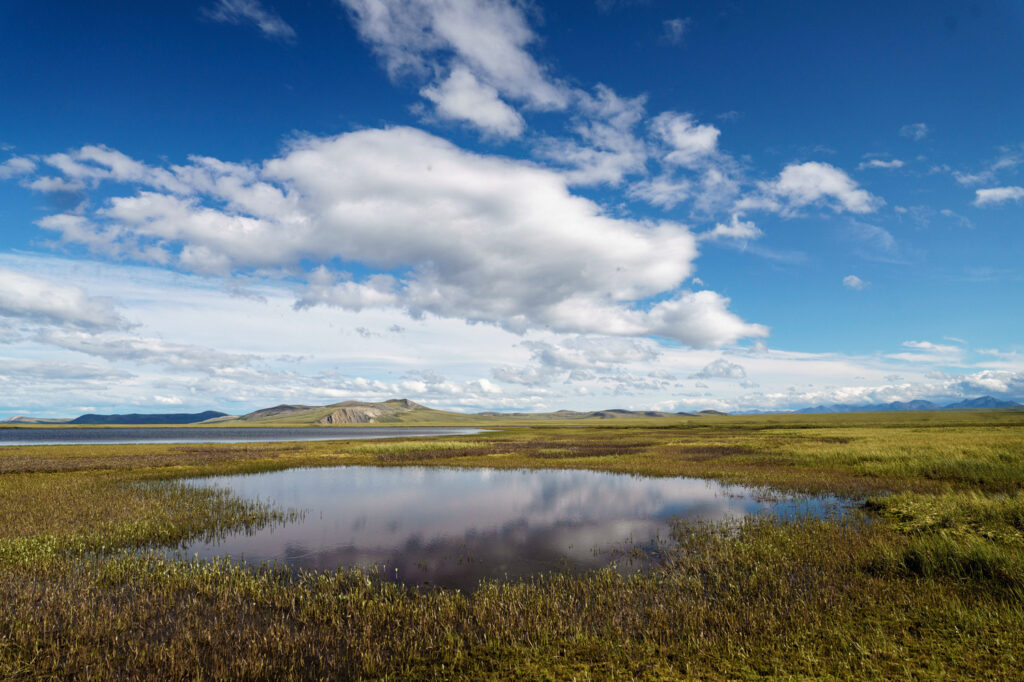
The Teshekpuk Lake wetlands, a focal point of the current leasing controversy, are considered a globally critical habitat. The lake is the single most important molting site in the Arctic for migratory waterfowl, including various species of geese and ducks that populate backyards and wetlands across the lower 48 states. Furthermore, the area serves as the primary calving ground for the Teshekpuk Lake caribou herd, which is vital for the subsistence of Indigenous communities on the North Slope.
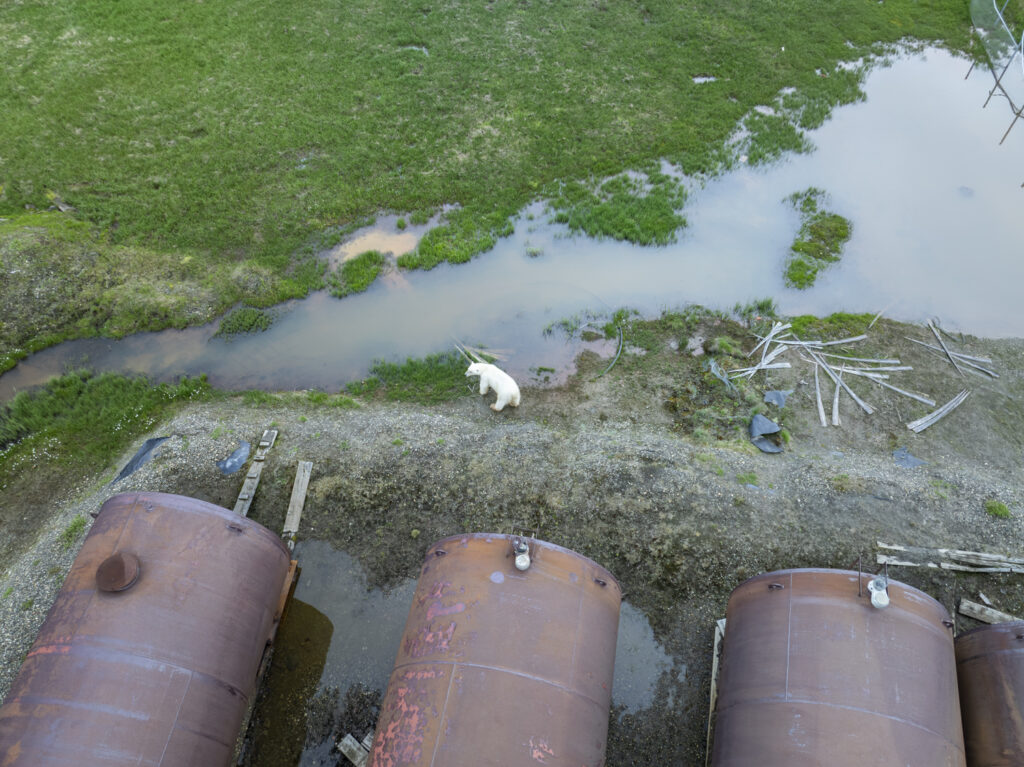
Biologists warn that the fragmentation of this land—through the construction of roads, pipelines, and drilling pads—could disrupt migration routes and nesting patterns that have existed for millennia. Unlike the contiguous United States, where "wildness" is often confined to small, disconnected parks, the Arctic remains an intact landscape where ecological processes occur on a continental scale.
Economic Data and Resource Potential
The economic argument for developing the NPR-A is centered on the sheer volume of undiscovered resources. According to estimates by the United States Geological Survey (USGS), the Northern Alaska region may contain nearly half of all undiscovered, technically recoverable oil on federal lands in the country.
- Conventional Oil: The NPR-A alone is estimated to hold approximately 897 million barrels of technically recoverable conventional oil.
- Natural Gas: The region also contains significant natural gas reserves, estimated at 52.8 trillion cubic feet.
- The Willow Project: Led by ConocoPhillips, this project is expected to produce roughly 600 million barrels of oil over its 30-year lifespan, with a peak production of 180,000 barrels per day.
However, these figures are tempered by the high cost of Arctic operations. Extracting oil in the Western Arctic is significantly more expensive than in the Permian Basin or other domestic sources due to the extreme climate, the lack of existing infrastructure, and the necessity of building seasonal ice roads. Critics point out that Arctic development often requires substantial public subsidies and that the long-term capital horizons (often 30 years or more) make these investments risky in a rapidly decarbonizing global economy.
Official Responses and Stakeholder Perspectives
The opening of these lease sales has drawn diverse reactions from across the political and social spectrum.
State of Alaska and Industry Groups:
State officials often advocate for expanded drilling to bolster the state’s anemic budget. The Alaska Oil and Gas Association (AOGA) argues that the NPR-A is essential for the continued viability of the Trans-Alaska Pipeline System (TAPS). They contend that responsible development provides high-paying jobs and tax revenue that supports public services across the state.
Indigenous Communities:
Perspectives among Alaska Native groups are nuanced. Some regional corporations and community leaders support development for the economic opportunities and infrastructure it brings to remote villages. Conversely, many sovereign tribal governments and subsistence hunters express deep concern that industrial activity will drive away caribou and contaminate the water and air, threatening a way of life that has sustained them for generations.
Environmental Advocacy Groups:
Organizations such as Protect Our Winters (POW) and Trustees for Alaska argue that the "petroleum reserve" name is an archaic vestige of the 1920s. They assert that the true value of the land lies in its ability to act as a carbon sink and a refuge for biodiversity. These groups are increasingly focusing on the "social unacceptability" of Arctic drilling, framing it as an uneconomic and environmentally catastrophic venture.
Broader Impact and Fact-Based Analysis of Implications
The decision to proceed with lease sales in the Western Arctic carries implications that extend far beyond Alaska’s borders. As the global community grapples with the targets set by the Paris Agreement, the development of "carbon bombs"—large-scale fossil fuel projects—presents a significant challenge to climate goals.
The Arctic is currently a frontline for climate change. The melting of permafrost not only threatens the stability of new infrastructure like the proposed 200-mile Ambler Mining District road but also releases methane, a potent greenhouse gas. Furthermore, the "arithmetic of the landscape" changes with every mile of road built. An intact ecosystem provides resilience against climate shifts; once that land is fragmented by industrial corridors, its ability to support large-scale migrations diminishes.
In conclusion, the March 18th lease sale represents more than just a bureaucratic milestone. It is a manifestation of a century-old policy meeting the reality of a 21st-century climate crisis. While the legal mandate for leasing remains in place, the future of the Western Arctic will likely be determined by the intersection of political will, financial viability, and the growing recognition of the region as the "last whole place" in the American wilderness. The names given to this land a hundred years ago—"Petroleum Reserve No. 4"—continue to dictate its use today, but the geological and biological reality of the Arctic remains a factor that no executive order can fully domesticate.
