
The United States energy and environmental landscape is undergoing a rapid and fundamental transformation as the Trump administration executes a series of executive actions designed to dismantle renewable energy initiatives, restrict climate research, and maximize domestic fossil fuel production. In a coordinated effort that spans multiple federal agencies, the administration has moved to halt major offshore wind developments, threaten the closure of the nation’s premier atmospheric research center, and open nearly the entire U.S. coastline to oil and gas exploration. These maneuvers represent a significant departure from previous federal policies focused on decarbonization and reflect a robust pivot toward an "energy dominance" strategy centered on traditional carbon-based resources.
Suspension of Major Offshore Wind Developments
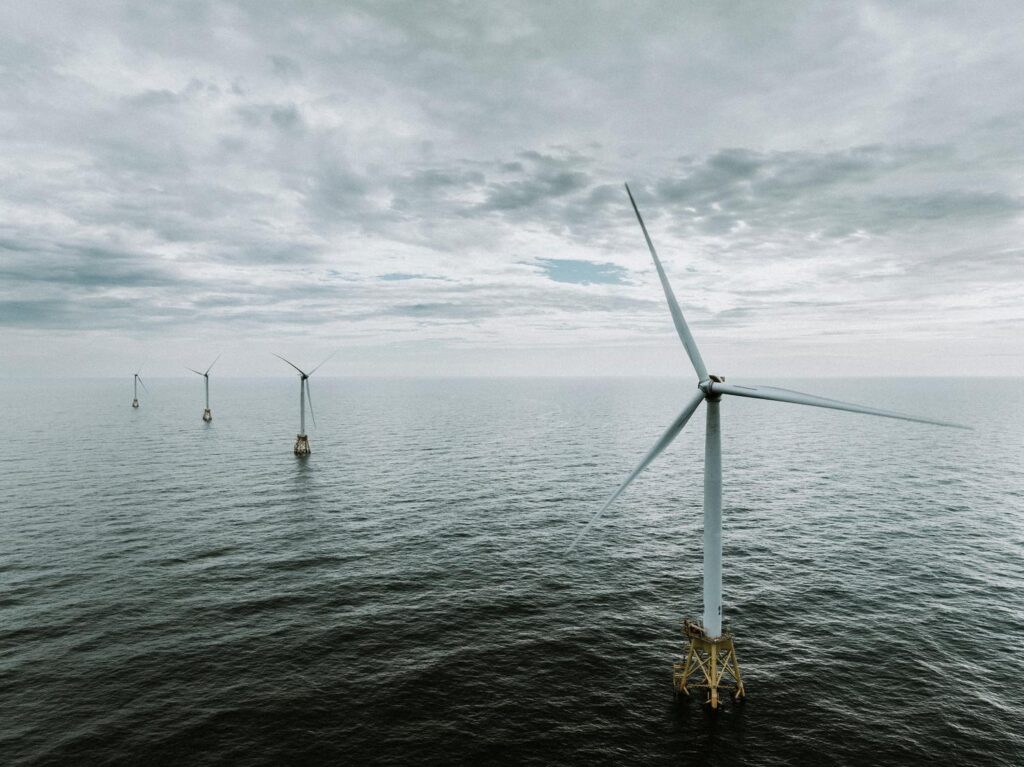
The Department of the Interior (DOI) has issued orders to immediately halt five fully permitted offshore wind projects that were already in various stages of construction. The affected projects—Vineyard Wind (Massachusetts), Revolution Wind (Rhode Island/Connecticut), Coastal Virginia Offshore Wind (Virginia), Sunrise Wind (New York), and Empire Wind (New York)—represent the vanguard of the American offshore wind industry. Together, these projects were expected to generate several gigawatts of clean electricity, enough to power millions of homes while supporting thousands of specialized maritime and construction jobs.
The administration has justified the work stop orders by citing "national security" concerns. While the specific details of these claims remain classified, federal officials suggested that the placement of turbines could interfere with radar systems, maritime navigation, or underwater surveillance arrays. However, industry analysts and former energy officials note that these projects had already undergone years of rigorous multi-agency review, including assessments by the Department of Defense and the U.S. Coast Guard, to ensure they did not compromise military readiness or sovereign security.
The halt creates immediate economic uncertainty for the renewable energy sector. Vineyard Wind, for instance, had already begun delivering power to the New England grid. Suspending construction mid-build leaves partially completed infrastructure exposed to the elements and triggers "force majeure" clauses in multi-billion-dollar contracts. Financial analysts warn that weaponizing national security language to bypass established permitting processes could deter future domestic and international investment in U.S. infrastructure, as the regulatory environment becomes increasingly unpredictable.

Threat to the National Center for Atmospheric Research
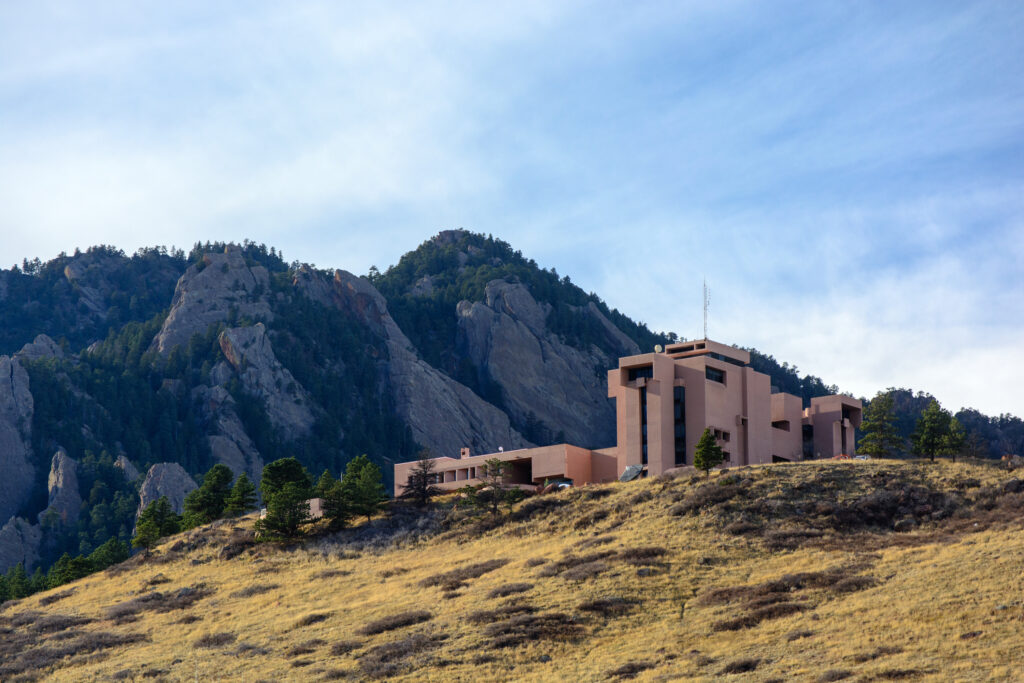
In a move that has sent shockwaves through the global scientific community, the administration has proposed the potential shutdown of the National Center for Atmospheric Research (NCAR). Located in Boulder, Colorado, and managed by the University Corporation for Atmospheric Research (UCAR) under a cooperative agreement with the National Science Foundation (NSF), NCAR has been a cornerstone of global climate and weather science since its founding in 1960.
NCAR provides the high-performance computing power and sophisticated modeling tools—such as the Community Earth System Model (CESM) and the Weather Research and Forecasting (WRF) model—that underpin much of the world’s understanding of atmospheric dynamics. These tools are not only used for long-term climate projections but are also vital for short-term extreme weather forecasting, aviation safety, wildfire behavior prediction, and solar storm monitoring.
The administration’s rationale for targeting NCAR appears to be rooted in a broader skepticism of climate modeling and a desire to redirect federal funding toward other priorities. Critics of the proposal argue that dismantling NCAR would result in a "scientific dark age" for the United States, leaving the country dependent on foreign nations for critical weather and climate data. For industries ranging from agriculture and insurance to outdoor recreation and municipal planning, the loss of NCAR’s data would mean a significant decrease in the ability to manage risks associated with drought, floods, and shifting snowpacks.
Expansion of Offshore Drilling to 1.27 Billion Acres
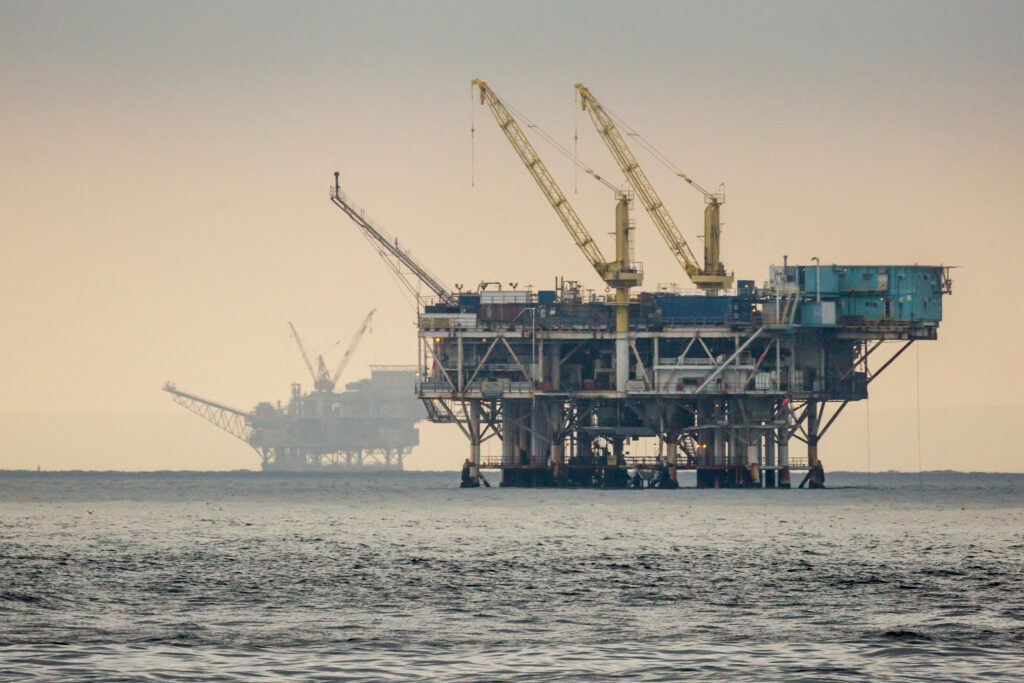
The administration has unveiled a sweeping proposal to open 1.27 billion acres of the Outer Continental Shelf (OCS) to oil and gas leasing. This plan covers nearly the entire U.S. coastline, including the Atlantic and Pacific shores, the Eastern Gulf of Mexico, and vast swaths of the Arctic’s Beaufort and Chukchi Seas. This proposal effectively reverses decades of protections and standing bans on drilling in many of these ecologically sensitive areas.
Under the Outer Continental Shelf Lands Act, the Secretary of the Interior is required to prepare a five-year leasing program. The new proposal seeks to replace the current, more restrictive 2024–2029 plan with one that maximizes lease sales. Proponents of the expansion argue that increased offshore production will lower energy prices, enhance national security by reducing reliance on foreign oil, and generate billions of dollars in federal revenue through royalties and bid bonuses.
However, the proposal faces intense opposition from a broad coalition of coastal governors, the tourism industry, and environmental organizations like the Surfrider Foundation. Opponents point to the 2010 Deepwater Horizon disaster as a cautionary tale, emphasizing that the risks of oil spills to coastal economies—including fishing, tourism, and real estate—far outweigh the potential benefits of new extraction. Furthermore, climate scientists note that opening vast new oil frontiers is incompatible with international goals to limit global warming, as the resulting carbon emissions would further accelerate the degradation of the cryosphere and ocean health.
Federal Intervention in Colorado Coal Plant Retirement
In a rare use of emergency powers, the U.S. Department of Energy (DOE) has ordered the Craig Generating Station Unit 1 in Colorado to remain operational, despite its scheduled retirement. The nearly 50-year-old coal-fired unit was slated to close on December 31, 2025, as part of a transition plan agreed upon by utilities and state regulators to move toward cheaper, cleaner energy sources.
The DOE invoked Section 202(c) of the Federal Power Act, which allows the government to mandate the operation of power plants during times of war or "grid emergencies." The administration argued that the closure of the plant would jeopardize the reliability of the regional power grid, particularly during peak winter demand. This intervention occurred even though the unit was already offline due to mechanical failures and its owners had determined it was no longer economically viable to repair or operate.
The decision has been met with resistance from Colorado state leaders and utility providers, who maintain that the regional grid is stable and that the forced operation of the plant will lead to higher electricity bills for consumers. Operating an aging coal plant is significantly more expensive than utilizing modern wind, solar, and battery storage assets. Furthermore, the decision locks in high levels of carbon dioxide and sulfur dioxide emissions in a region already grappling with deteriorating air quality and shrinking snowpacks due to regional warming.
Chronology of Policy Implementation
The current shift in policy is the result of a rapid succession of executive orders and departmental directives issued since the beginning of the current term:
- Early November: The administration signaled its intent to review all standing renewable energy permits issued by the previous administration, citing a need for "regulatory streamlining."
- December 15: The Department of the Interior issued the formal halt on the five major offshore wind projects, citing the classified national security review.
- December 22: The Office of Management and Budget (OMB) released a memorandum questioning the "continued utility" of federally funded atmospheric research centers, specifically naming NCAR.
- December 30: The Department of Energy issued the emergency order to the Craig Generating Station, less than 24 hours before its planned decommissioning.
- January 5: The formal proposal for the 1.27-billion-acre offshore leasing program was published in the Federal Register, initiating a public comment period.
Broader Economic and Environmental Implications
The cumulative impact of these actions suggests a strategic effort to realign the American economy with fossil fuel production while sidelining the burgeoning green energy sector. The offshore wind halt alone threatens to disrupt a supply chain that includes steel manufacturing in the Rust Belt, specialized shipbuilding in the Gulf Coast, and port redevelopment in the Northeast.
From a scientific perspective, the targeting of NCAR and the expansion of fossil fuel extraction represent a two-pronged challenge to climate resilience. By simultaneously increasing the drivers of climate change (emissions) and decreasing the capacity to monitor its effects (science), the administration is fundamentally altering how the United States interacts with its environment.
The outdoor recreation industry, which contributes nearly $1 trillion to the U.S. GDP, is particularly vulnerable. Organizations such as Protect Our Winters (POW) have highlighted that these policies directly threaten the "winter economy." Reduced snowpack, increased wildfire frequency, and rising sea levels—all exacerbated by continued fossil fuel reliance and a lack of scientific oversight—threaten the viability of ski resorts, coastal tourism, and inland fisheries.
Official Responses and Legal Outlook
State governments and environmental advocacy groups have already begun preparing legal challenges. California, Massachusetts, and New York have indicated they will sue to block the offshore drilling plan, citing the lack of adequate environmental impact assessments. Regarding the offshore wind halt, developers are exploring legal avenues to protect their investments, arguing that the "national security" claims lack a transparent factual basis and violate the Administrative Procedure Act.
In Colorado, the move to keep the Craig coal plant online is being challenged by utility commissioners who argue that federal overreach is interfering with state-level energy planning. "This is an unprecedented use of emergency powers to prop up a failing, uneconomic asset at the expense of Colorado ratepayers," said one state official in an anonymous briefing.
As these battles move to the courts, the 2026 midterm elections are increasingly viewed as a referendum on the administration’s energy platform. For now, the United States remains at a crossroads, with federal policy pulling toward a traditional carbon-intensive past while market forces and state-level mandates continue to push toward a renewable future. The resolution of these conflicting forces will determine the trajectory of the American energy grid, the health of its ecosystems, and its standing in the global scientific community for decades to come.
