
The indefinite suspension of summer skiing operations on the Horstman Glacier at Whistler Blackcomb marks a definitive turning point for the North American winter sports industry, signaling an era where climate change has transitioned from a future projection to an immediate operational reality. For Mike Douglas, a professional skier and Salomon brand ambassador often referred to as the "Godfather of Freeskiing," the loss of this iconic training ground is both a personal blow and a professional catalyst. Having spent the 1990s honing his skills on the glacier’s permanent snowpack, Douglas has witnessed a three-decade transformation that has seen the once-reliable ice field retreat to the point of functional obsolescence. This environmental shift has prompted a fundamental realignment within the outdoor gear sector, as major manufacturers like Salomon and advocacy groups such as Protect Our Winters (POW) move beyond awareness campaigns toward systemic changes in manufacturing, supply chain logistics, and legislative lobbying.
A Chronology of Change: The Decline of the Horstman Glacier
To understand the gravity of the current situation, one must look at the historical significance of the Horstman Glacier. In the late 20th century, the glacier served as the epicenter of the freestyle skiing revolution. During the 1990s, it provided a year-round training venue that allowed athletes like Douglas to push the boundaries of the sport during the summer months. At its peak, the summer ski season on Whistler Blackcomb was a global draw, attracting national teams and amateur enthusiasts alike.
However, the timeline of the glacier’s decline has been accelerating. By the mid-2000s, glaciologists began noting significant mass loss across the Coast Mountains of British Columbia. By the 2010s, the operational window for summer skiing began to shrink, often closing weeks earlier than in previous decades due to exposed rock and thinning ice. In 2020, the impact of the COVID-19 pandemic coincided with increasingly difficult maintenance conditions, leading to a temporary halt. In 2023, the decision was made to suspend summer skiing operations indefinitely. This move was not merely a reaction to a single bad season but a recognition of a long-term trend: the Horstman Glacier had lost too much mass to support the heavy machinery and safety infrastructure required for public skiing.
According to data from the University of Northern British Columbia, glaciers in Western Canada are losing mass at some of the highest rates globally. Projections suggest that many glaciers in the region could lose up to 70% of their volume by the year 2100 if current warming trends continue. For the ski industry, this represents an existential threat to the "shoulder seasons" and the high-altitude terrain that has traditionally guaranteed snow.
The Evolution of the Athlete Advocate: The Case of Mike Douglas
Mike Douglas’s transition from a performance-focused athlete to a climate advocate mirrors the broader shift in the outdoor community. In the early stages of his career, the focus was primarily on athletic progression and the development of new equipment, such as his pivotal role in designing the first twin-tip ski, the Salomon 1080. Today, Douglas utilizes his platform to bridge the gap between high-performance sport and environmental stewardship.
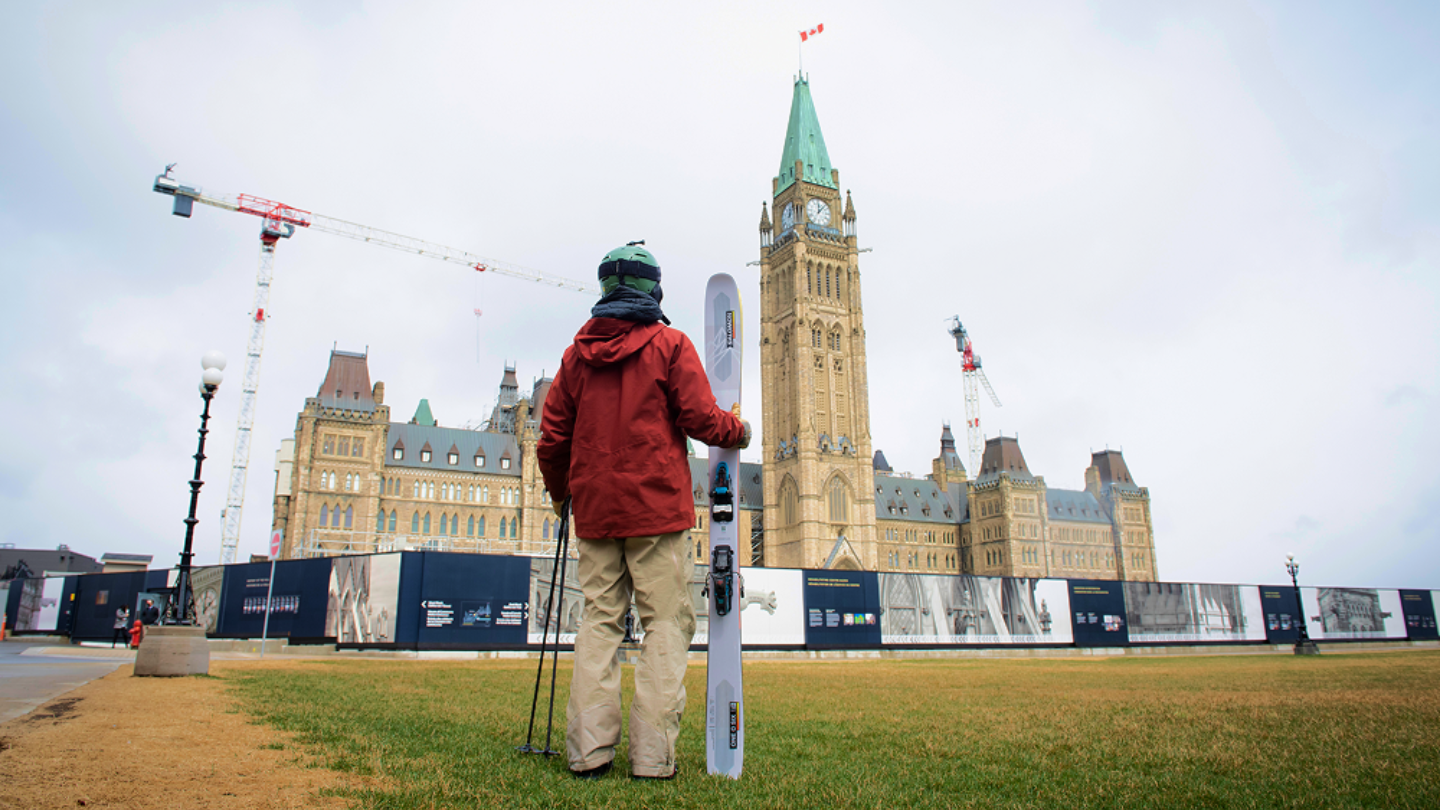
Since joining the Protect Our Winters Canada Alliance in 2018, Douglas has integrated climate advocacy into his professional identity. He serves as a vital link between the corporate headquarters of Salomon in Annecy, France, and the practical, on-the-ground realities of the mountains. His work involves more than just public speaking; it includes collaborating with production companies to create films that highlight environmental issues and participating in "Quality Ski Time" tours that educate the public on sustainable practices.
Douglas’s role highlights a new requirement for professional athletes in the 21st century: the responsibility of witness. Athletes are often the first to notice subtle changes in snow quality, glacier height, and weather patterns. By documenting these changes, Douglas and his peers provide a human face to the abstract data of climate science, making the stakes of the crisis tangible for the global skiing community.
Corporate Responsibility and the Salomon Sustainability Framework
For a global manufacturer like Salomon, the challenge of climate change is two-fold: the brand must mitigate its own environmental footprint while adapting to a market where the very activity its products are designed for is under threat. Salomon has responded by implementing a comprehensive sustainability strategy that targets various stages of the product lifecycle.
A primary focus of this strategy is responsible manufacturing. The traditional model of "take-make-waste" is being replaced by circular economy principles. This is evidenced by the development of products like the Index.01 and Index.02 running shoes, which are designed to be fully disassembled and recycled at the end of their lifespan. In the hardgoods sector, Salomon is exploring the use of bio-based materials and recycled plastics in ski boots and bindings, aiming to reduce the carbon intensity of its heavy manufacturing processes.
Furthermore, Salomon has committed to transparency in its supply chain. The company is working toward reducing its absolute carbon emissions by 30% by 2030, in line with the Science Based Targets initiative (SBTi). This involves not only changing how products are made but also how they are moved. Logistics and shipping account for a significant portion of the outdoor industry’s carbon footprint; optimizing these routes and shifting toward lower-emission transport methods is a critical component of the brand’s "Change Our Play" program.
The Strategic Partnership with Protect Our Winters (POW)
The partnership between Salomon and Protect Our Winters (POW) represents a shift from corporate philanthropy to strategic advocacy. POW, founded by professional snowboarder Jeremy Jones in 2007, has become the leading climate advocacy group for the outdoor sports community. The organization focuses on "non-partisan climate transitions," targeting systemic change through policy and legislation rather than just individual consumer choices.
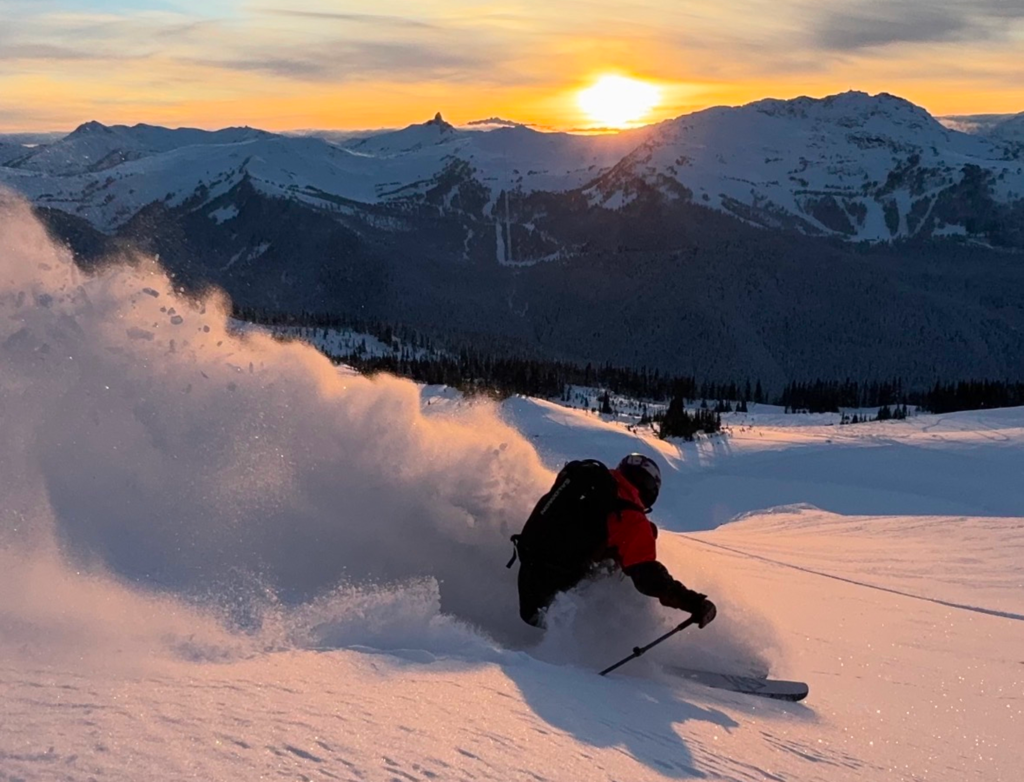
Salomon’s support of POW includes funding for athlete advocacy training. This training equips individuals like Mike Douglas with the communication tools and scientific literacy needed to engage with policymakers effectively. The goal is to leverage the cultural influence of the outdoor industry—a sector that contributes billions of dollars to the global economy—to push for clean energy policies and carbon pricing.
Industry analysts note that this form of "corporate activism" is becoming increasingly necessary. As the impacts of climate change become more visible, consumers are demanding that brands take a public stand. By aligning with POW, Salomon is not only fulfilling a moral obligation but also protecting its long-term commercial interests by advocating for the preservation of the winter season.
Supporting Data: The Economic Stakes of a Warming Climate
The motivation for these changes is underscored by the economic importance of the winter sports industry. In the United States alone, the outdoor recreation economy accounts for approximately 2.2% of the national GDP, generating over $1 trillion in economic output. A significant portion of this is tied to snow sports, which support hundreds of thousands of jobs in rural mountain communities.
A study commissioned by POW and conducted by the University of New Hampshire found that during low-snow years, the ski industry in the U.S. sees an average decrease in value of over $1 billion and a loss of approximately 17,400 jobs compared to high-snow years. These figures demonstrate that climate change is not just an environmental issue but a profound economic one.
In British Columbia, the closure of summer skiing on the Horstman Glacier has direct implications for the local economy of Whistler. While the resort remains a premier winter destination, the loss of year-round skiing options affects the town’s identity as a four-season mountain mecca and impacts the revenue generated from summer camps and specialized training programs.
Broader Impact and the Path Forward for the Industry
The situation at Whistler Blackcomb is a microcosm of a global phenomenon. From the thinning ice of the European Alps to the shrinking snowpacks of the Japanese highlands, the outdoor industry is facing a period of forced adaptation. The lessons learned from the Salomon and POW partnership offer a blueprint for how other brands might navigate this transition.

The future of the industry likely rests on three pillars:
- Innovation in Materials: Continued investment in "green" chemistry and recyclable materials to decouple growth from carbon emissions.
- Political Engagement: Moving beyond brand-level sustainability to industry-wide lobbying for climate-positive legislation.
- Cultural Adaptation: Reframing the outdoor experience to emphasize stewardship and "quality time" over pure consumption and high-impact travel.
As Mike Douglas emphasizes, the window for effective action is narrowing. The "indefinite" closure of the Horstman Glacier serves as a stark reminder that the natural resources the industry depends on are finite and fragile. The transition from the 1990s—a decade of exploration and expansion—to the 2020s—a decade of mitigation and advocacy—reflects the new reality of the mountains.
In conclusion, the collaboration between athletes, brands, and advocacy groups is no longer a luxury but a fundamental requirement for the survival of winter sports. The story of Mike Douglas and the Horstman Glacier is a cautionary tale, but it is also a call to action. By integrating integrity, character, and scientific reality into their business models, companies like Salomon are attempting to restore a balance that has been tilted for decades. Whether these efforts will be enough to save the remaining glaciers and the culture built around them remains to be seen, but the shift toward collective responsibility is now undeniably underway.
