
The landscape of elite women’s biathlon is facing a potential seismic shift as German star Janina Hettich-Walz, who experienced a significant breakthrough two years ago, has openly discussed the possibility of retiring from the sport. In a candid interview with SWR Sport, the 29-year-old biathlete reflected on a challenging recent season, culminating in what she described as a "huge disappointment" at the Olympic Games. This introspection comes after a period of significant personal change, including becoming a mother for the first time, and raises questions about the future of German biathlon and the increasing complexities of balancing elite athletic careers with family life.
Hettich-Walz’s career trajectory has been marked by a remarkable ascent. Her international breakthrough arrived at the 2024 World Championships in Nove Mesto, where she secured a silver medal in the individual 15km race. This achievement placed her firmly in the elite echelon of the sport, setting high expectations for her future performances. The following year, 2025, marked a profound personal milestone as she welcomed her first child, a daughter named Kalotta, into the world. This joyous event necessitated a temporary departure from the World Cup circuit, with Hettich-Walz opting to miss the entire 2025-2026 season to focus on her family. Her ambition, however, remained undimmed: a return to competition with the ultimate goal of an Olympic medal in the subsequent winter Games.
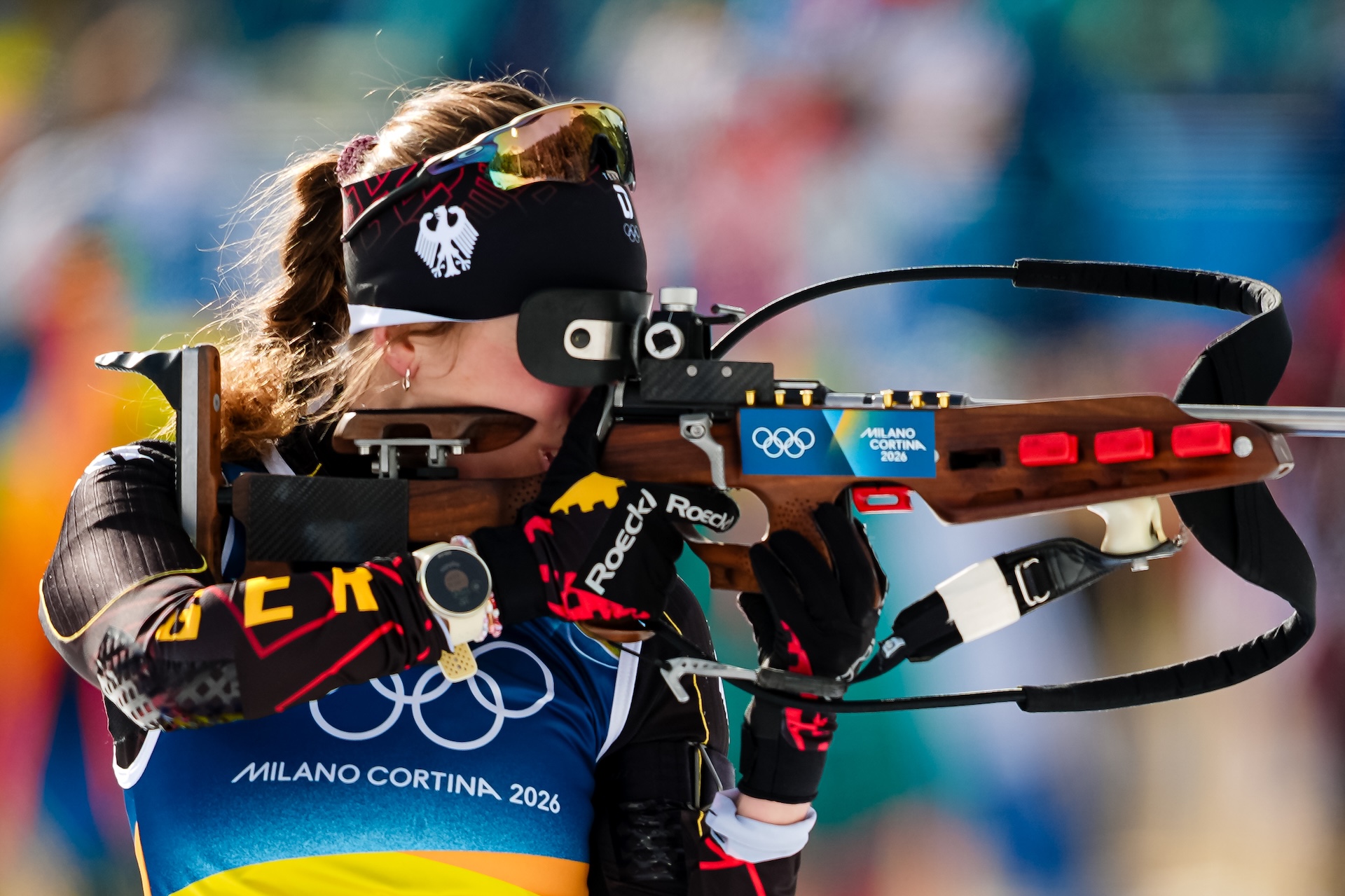
The Olympic campaign, however, did not unfold as Hettich-Walz had envisioned. Despite her dedication and the sacrifices made to return to peak condition, her best individual result was an eighth-place finish in the individual 15km race. She also contributed to the German relay team’s fourth-place finish and placed 17th in the mass start event. These results fell short of her aspirations and left her with a sense of unfulfilled potential. "The Olympics were a huge disappointment," Hettich-Walz stated in her interview. "It has been difficult to swallow that I haven’t fulfilled my career dream." This sentiment underscores the immense pressure and personal investment that elite athletes place on major competitions, particularly after a significant personal event like childbirth.
The prospect of Hettich-Walz’s retirement, if realized, would represent a significant loss for German biathlon. She is not the only prominent figure to consider stepping away from the sport; Franziska Preuss, the overall World Cup winner from the previous season, also announced her retirement following the Olympic Games in February. The departure of such established athletes creates a void that will require a new generation of talent to fill, posing a challenge for the German Ski Association (DSV) in maintaining its competitive edge on the international stage.
Hettich-Walz’s considerations are deeply rooted in her desire to expand her family. She has expressed a clear aspiration to have another child, a goal she believes is incompatible with the demands of a professional biathlon career at the World Cup level. "I want to have another child one day, and with two children, it will simply be impossible [to continue]," she explained. This statement highlights a fundamental tension for many female athletes: the desire to balance personal life and family with the rigorous, time-consuming commitment required for elite sport. The physiological and logistical challenges associated with motherhood in professional sports are considerable, and Hettich-Walz’s reflections offer a poignant insight into these realities.
The Journey Back: From Motherhood to the World Cup Circuit
Hettich-Walz’s return to competition following the birth of her daughter was a testament to her resilience and determination. She had openly declared her intention to be a pioneer for mothers in German biathlon, aiming to demonstrate that a successful elite athletic career could indeed be reconciled with family life. "In German biathlon, there are no female athletes in recent times who have had children and then returned to the top level," Hettich-Walz had stated in autumn 2024 when she revealed her pregnancy. "Now I want to be a pioneer for this in Germany." She drew inspiration from international examples such as Justine Braisaz-Bouchet, who has achieved significant success post-childbirth, fueling her belief that such a comeback was feasible.
However, the reality of balancing these demands proved more intricate than anticipated. Despite substantial support, including her place on the elite team being held for her, a leave of absence from her position in the German armed forces, and the crucial assistance of her husband and grandparents as childcare providers, the return was arduous. Hettich-Walz identified two primary obstacles: the physical demands of regaining peak fitness after pregnancy and childbirth, and the critical lack of consistent competition training. These are challenges that male athletes, while still significant, do not typically face to the same extent when becoming fathers. "It becomes a season where you don’t get to compete. Men have it easier in that respect," Hettich-Walz observed, pointing to a disparity in the logistical and physical considerations for parents in the sport.
Her comeback season saw her return to competition in autumn. She opened with a fifth-place finish at the new Loop One festival in Munich in October and an eighth-place finish at the World Cup opener in Östersund. Throughout the winter World Cup season, her best individual results included two third-place finishes in relays and a fourth-place finish in the sprint. While these are respectable achievements, they do not quite reflect the medal-contending status she had previously achieved, further contributing to her current introspection about her career’s trajectory.
A Legacy of Success and a Future of Choices
Janina Hettich-Walz made her World Cup debut in 2019 and has since competed in 140 World Cup races. Her career has been punctuated by consistent performance and significant accolades. She has stood on the World Cup podium 11 times, including one victory. Her World Championship record is particularly impressive, with three medals: two silver and one bronze. These achievements solidify her position as one of Germany’s most accomplished biathletes of the current generation.
The decision to potentially step away from such a successful career is a profound one, driven by a desire to prioritize family and personal well-being. Hettich-Walz’s reflections offer a valuable perspective on the evolving dynamics of elite sports, particularly for women. As sports federations and governing bodies increasingly strive for gender equality and support for athletes with families, her experience provides crucial insights into the practical challenges and the emotional toll involved. The potential retirement of Hettich-Walz, while a personal choice, also serves as a broader commentary on the evolving priorities of athletes and the societal shifts that influence career longevity and life choices in the demanding world of professional sport. The coming months will reveal whether Hettich-Walz will continue for one or two more seasons, as she suggested, or if she will choose to focus entirely on her family life, marking the end of an era for German biathlon.
