
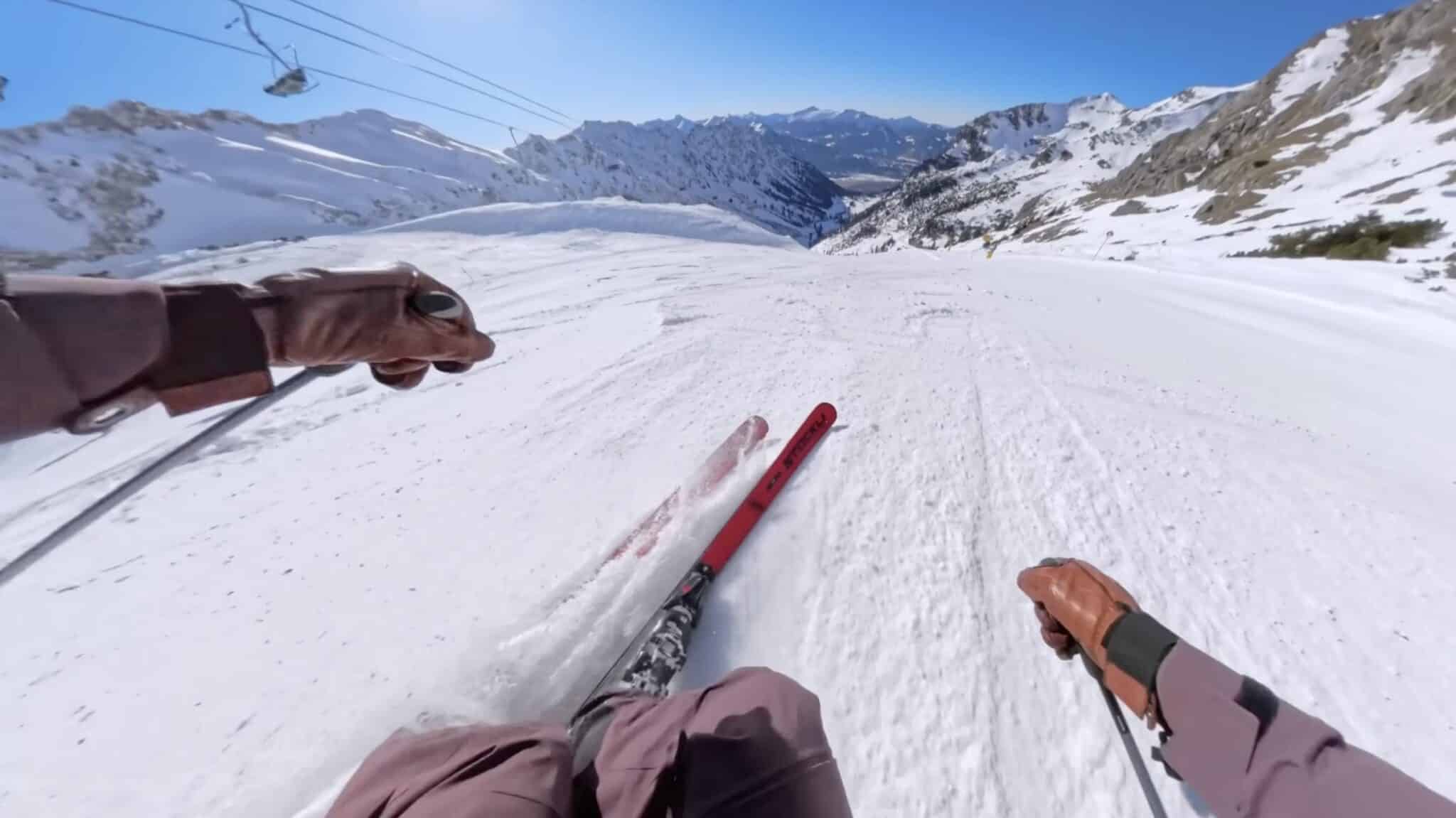
The Nebelhorn ski area in Oberstdorf Kleinwalsertal, Germany, is a jewel in the crown of the nation’s largest interconnected ski region, offering an unparalleled experience for skiers seeking the ultimate downhill challenge. While not the most expansive in terms of sheer piste count within its larger collective, Nebelhorn distinguishes itself by hosting Germany’s longest continuous valley run, a spectacular descent that promises an unforgettable journey from summit to base. This remarkable run measures an impressive 7.5 kilometers (approximately 4.7 miles) and boasts a dramatic vertical drop of 1,400 meters (around 4,593 feet). Recent documentation of this epic run, captured in a continuous, uncut video by European ski instructor Marius Quast, underscores its extraordinary length and challenge, with the full descent taking over nine minutes to complete.
The Majesty of Nebelhorn
Perched at an altitude of approximately 7,296 feet, the Nebelhorn summit station serves as the starting point for this iconic ski run. From this vantage point, skiers are immediately greeted by the breathtaking panorama of the Bavarian Alps. The initial phase of the descent is characterized by wide, sweeping slopes, offering a sense of freedom and expansive beauty. As skiers progress, the terrain evolves, introducing a more demanding section. Here, a steep black run challenges even experienced skiers, demanding precision and control. This intermediate segment transitions into a long, gracefully flowing valley run that guides skiers to the base, a final, enjoyable stretch that encapsulates the diverse nature of the Nebelhorn experience. This varied terrain, blending panoramic vistas with technical challenges and sustained cruising, positions the Nebelhorn’s longest run among the most exceptional ski descents in all of Europe.
A Record-Breaking Descent: The Numbers Behind the Experience
The statistics associated with Germany’s longest ski run are as impressive as the run itself. The total length of 7.5 kilometers translates to nearly five miles of continuous skiing. The vertical drop of 1,400 meters is a significant figure, equivalent to descending from the height of many skyscrapers. To put this into perspective, a typical Olympic ski jumping hill has a vertical drop of around 100-130 meters. This substantial elevation change necessitates a sustained period of skiing, a fact highlighted by Marius Quast’s video, which clocked in at over nine minutes for a non-stop run. This duration is considerably longer than the average ski run, which typically lasts between one and three minutes. The average speed on such a run, depending on the skier’s ability and the snow conditions, could range from 40 km/h to over 80 km/h, allowing for a substantial distance covered in a short time.
Historical Context and the Evolution of Ski Tourism in Oberstdorf
The Nebelhorn has been a significant destination for winter sports enthusiasts for decades, contributing to Oberstdorf’s reputation as a premier alpine resort. The development of the Nebelhorn cable car, which began operations in the mid-20th century, was a pivotal moment in making the summit accessible to a wider audience. This infrastructure investment not only facilitated skiing but also opened up the stunning alpine scenery to hikers and sightseers year-round. The Oberstdorf Kleinwalsertal region has a rich history of alpine tourism, with the area first gaining prominence in the late 19th and early 20th centuries. The establishment of interconnected ski areas, including Nebelhorn, has been a strategic move to enhance the competitiveness and appeal of the region in the global ski market. The focus on offering unique experiences, such as the longest valley run, is a testament to the area’s commitment to innovation and catering to diverse skier preferences.
The Making of a Long Run: Geological and Infrastructural Considerations
The existence of such a long and sustained downhill run is a product of both natural geography and significant human engineering. The geological formation of the Allgäu Alps, where Nebelhorn is situated, provides the necessary elevation and consistent gradient for such a descent. The mountains are characterized by their imposing limestone formations, sculpted over millennia by glacial activity, which create dramatic slopes and valleys.
The infrastructure supporting this run is equally critical. The Nebelhorn cable car system is a marvel of engineering, designed to transport skiers efficiently and safely to the summit. The construction and maintenance of the ski pistes themselves involve extensive work, including snow grooming, avalanche control, and piste preparation to ensure optimal skiing conditions. The creation of a "valley run" implies a carefully planned route that navigates natural obstacles and maintains a skiable gradient all the way to the lower elevations. This often involves significant terracing and snow management, especially in the lower, less consistently snow-covered sections. The development of such a run also requires careful consideration of environmental impact, with modern ski resorts striving for sustainable practices.
European Ski Instructor Marius Quast’s Perspective
The recent video documenting the Nebelhorn’s longest run, shared by European ski instructor Marius Quast, provides valuable insight into the experience. Quast, a seasoned professional with extensive knowledge of European ski resorts, likely chose to highlight this run due to its exceptional characteristics. His decision to film a "start-to-finish, non-stop and uncut" video serves to authenticate the run’s length and continuous nature. The duration of over nine minutes suggests a sustained period of engaging skiing, requiring endurance and a consistent rhythm. Quast’s expertise would also mean that the video likely captures not just the physical act of skiing but also the changing scenery, the feel of the snow, and the overall ambiance of the descent. His commentary, if available, would further illuminate the technical aspects of the run, such as the optimal lines, potential challenges, and the varied snow conditions encountered. Such documentation is invaluable for potential visitors, offering a realistic preview and a benchmark for their own experiences.
Analyzing the Implications: Economic and Tourism Impact
The presence of Germany’s longest ski run has significant implications for the Nebelhorn ski area and the broader Oberstdorf Kleinwalsertal region.
- Attracting Tourists: Unique selling propositions like "Germany’s longest ski run" are powerful marketing tools. They attract skiers specifically looking for extended descents and a sense of achievement. This can lead to increased visitor numbers, particularly among dedicated skiers and adventure seekers.
- Economic Boost: A rise in tourism translates directly into economic benefits. This includes increased revenue for ski lift operators, local hotels, restaurants, and retail businesses. It also supports employment in the hospitality and tourism sectors.
- Competitive Advantage: In a competitive global ski market, having standout features like the Nebelhorn’s long run provides a distinct advantage. It differentiates the region from other ski destinations and can help it maintain its appeal against newer or more hyped resorts.
- Winter Sports Promotion: Such records can also contribute to the promotion of winter sports in general. By showcasing the exhilarating possibilities of alpine skiing, it can inspire new participants and encourage existing skiers to explore new challenges.
- Infrastructure Investment Justification: The success of a feature like this can justify ongoing investment in infrastructure maintenance and development, ensuring the long-term viability and appeal of the ski area. This might include upgrades to lift systems, snow-making capabilities, and piste grooming.
- Branding and Reputation: The Nebelhorn’s status as home to Germany’s longest ski run solidifies its reputation as a serious ski destination. This positive branding can attract a loyal customer base and foster word-of-mouth marketing.
Future Prospects and Potential Enhancements
While the Nebelhorn already offers a world-class experience, there are always potential avenues for enhancement and future development.
- Technological Integration: Advanced snow reporting, real-time piste condition updates via mobile apps, and perhaps even augmented reality features on the slopes could further enhance the visitor experience.
- Sustainability Initiatives: Continued focus on eco-friendly operations, such as renewable energy for lifts, waste reduction programs, and responsible land management, will be crucial for long-term appeal and regulatory compliance.
- Event Hosting: The unique characteristics of the Nebelhorn run could make it an ideal venue for specialized ski events, such as endurance races or freeride competitions, further boosting its profile.
- Cross-Promotion: Strengthening partnerships with other attractions and activities in the Oberstdorf Kleinwalsertal region can create more comprehensive holiday packages, encouraging longer stays and diverse experiences.
- Data Analytics for Snow Management: Utilizing advanced data analytics to optimize snow grooming and piste preparation could lead to even more consistent and enjoyable skiing conditions throughout the season.
The Nebelhorn ski area, with its spectacular longest valley run, stands as a testament to the enduring allure of alpine skiing. It offers not just a physical challenge but also a profound connection with the majestic beauty of the German Alps. As the region continues to evolve, the commitment to providing exceptional experiences, supported by robust infrastructure and a forward-thinking approach, ensures that the Nebelhorn will remain a coveted destination for skiers for generations to come. The legacy of this epic descent is etched not just in kilometers of snow, but in the memories created by those who dare to conquer it.
