
At the remote southern extremity of the planet, a specialized team of glaciologists is grappling with a question that carries profound implications for the future of global civilization: how long can the Antarctic ice shelves maintain their structural integrity? Dr. Ali Banwell, a Research Scientist at the University of Colorado Boulder and a Professor of Glaciology at Northumbria University, recently concluded a grueling six-week field season on the McMurdo Ice Shelf. As a prominent member of the Protect Our Winters (POW) Science Alliance, Dr. Banwell’s work transcends academic curiosity; it is a vital effort to quantify the stability of the continent’s coastal defenses against a backdrop of accelerating climate change.
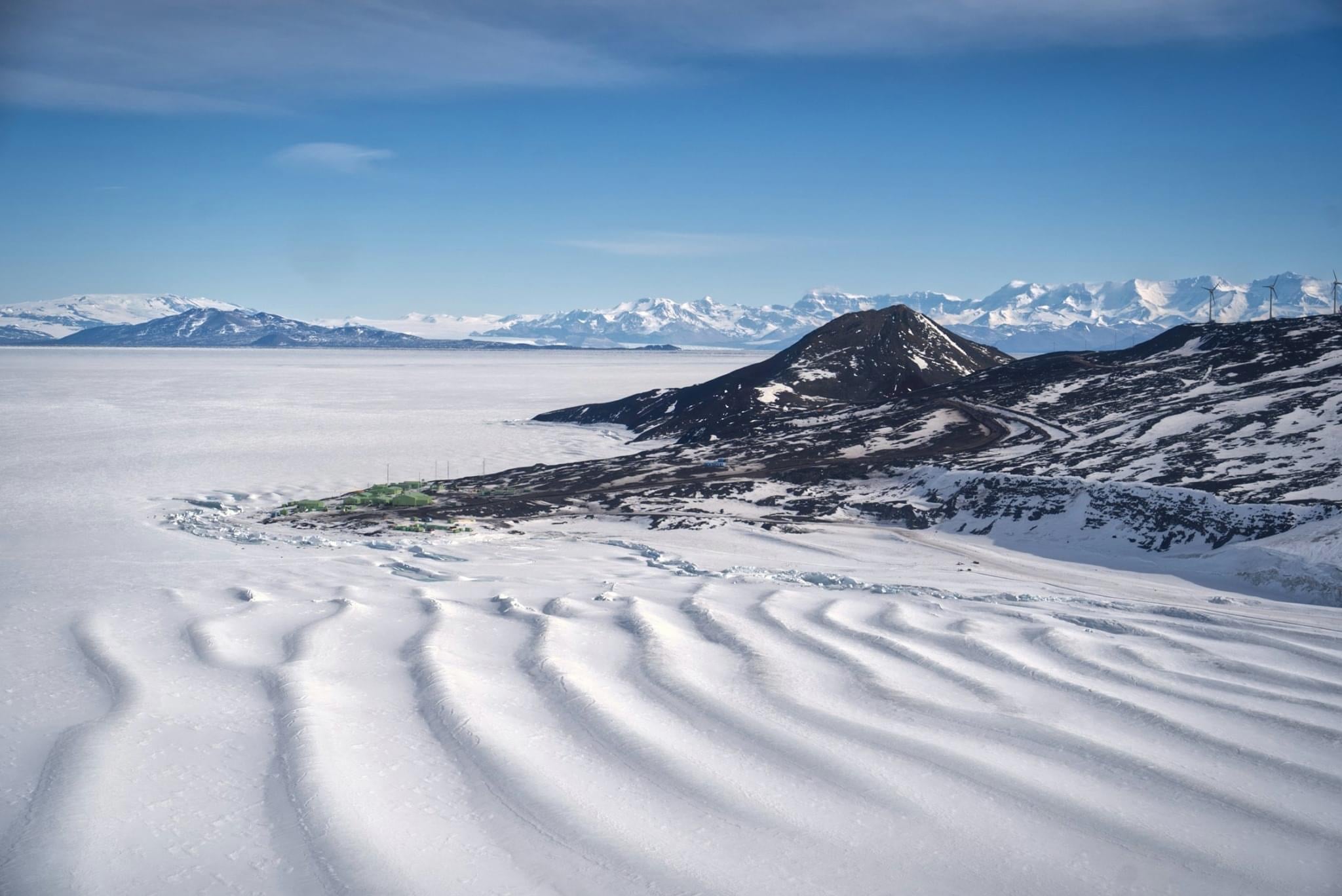
The stakes of this research are underscored by a singular, staggering statistic provided by the scientific community. If the entire Antarctic Ice Sheet—a mass of ice larger than the contiguous United States and Mexico combined—were to melt completely, global sea levels would rise by approximately 190 feet. While such a total collapse is not projected in the immediate future, the mechanisms that could trigger large-scale instability are already in motion. Dr. Banwell’s research focuses on the "last line of defense": the floating ice shelves that ring 75% of the Antarctic continent.
The Mechanics of Glacial Buttressing
To understand the urgency of Dr. Banwell’s mission, one must first understand the physics of glacial "buttressing." Antarctica is composed of two primary components: the grounded ice sheets that rest on the continental bedrock and the floating ice shelves that extend from those sheets into the Southern Ocean. These shelves act as massive structural dams. By providing resistance against the seaward flow of grounded ice, they effectively "hold back" the glaciers on land.
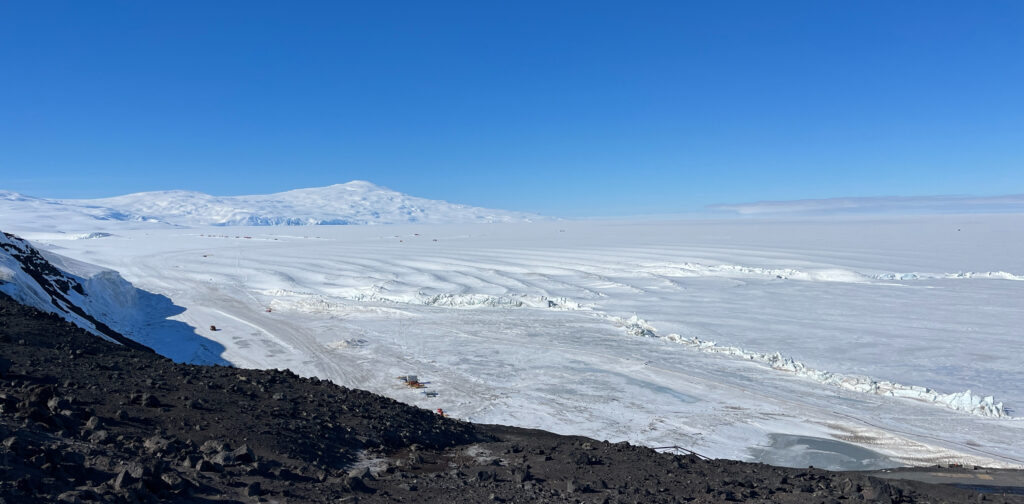
When an ice shelf thins or collapses, this resistance is lost. Without the buttressing effect, the glaciers behind them accelerate their march toward the sea. This process directly contributes to sea-level rise, as ice that was previously resting on land enters the water. The McMurdo Ice Shelf, located near the United States’ McMurdo Research Station on Ross Island, serves as a critical laboratory for studying these dynamics. However, the McMurdo shelf is exhibiting behavior that challenges traditional glaciological models.
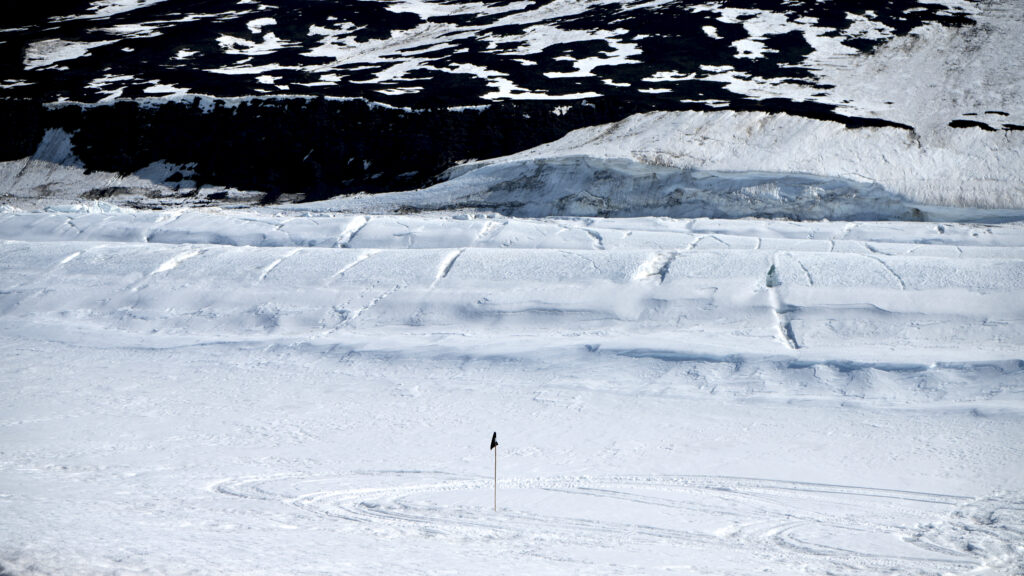
Typically, ice shelves are expected to flow outward toward open water. At McMurdo, however, sections of the ice are being forced into land masses. This compression causes the ice to buckle and "crumple," creating features known as "ice shelf rumples." These wave-like ridges, which can span miles across the surface, represent areas of intense internal stress. The central objective of Dr. Banwell’s National Science Foundation (NSF)-funded project is to determine whether these rumples act as a stabilizing anchor for the shelf or if the fractures they create make the entire system more prone to catastrophic failure.
Chronology of the Field Season: Six Weeks in the Perpetual Sun
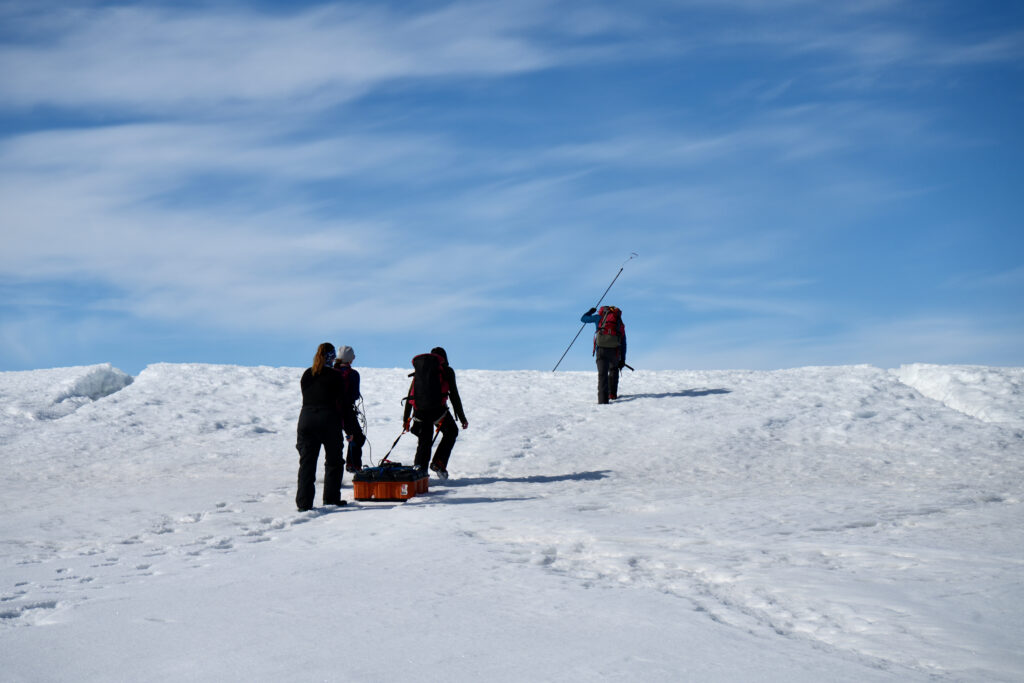
The expedition, led by Dr. Banwell as Principal Investigator (PI), included Co-PI Dr. Ryan Cassotto and PhD students Allie Berry and Michela Savignano. The team’s deployment lasted six weeks during the Antarctic summer, a period characterized by 24-hour daylight and extreme environmental volatility.
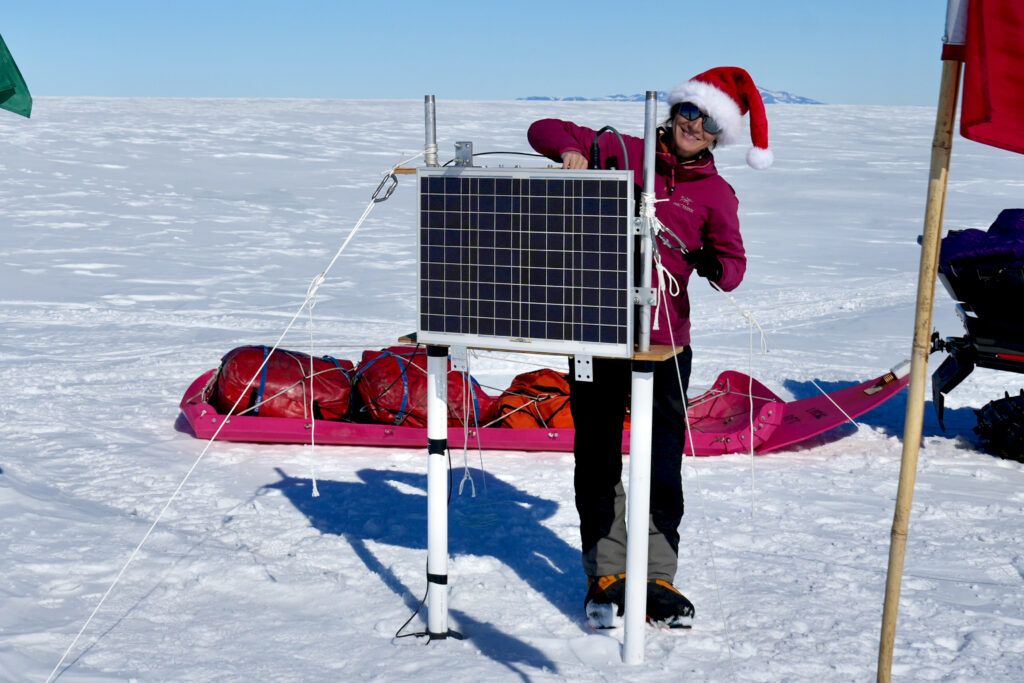
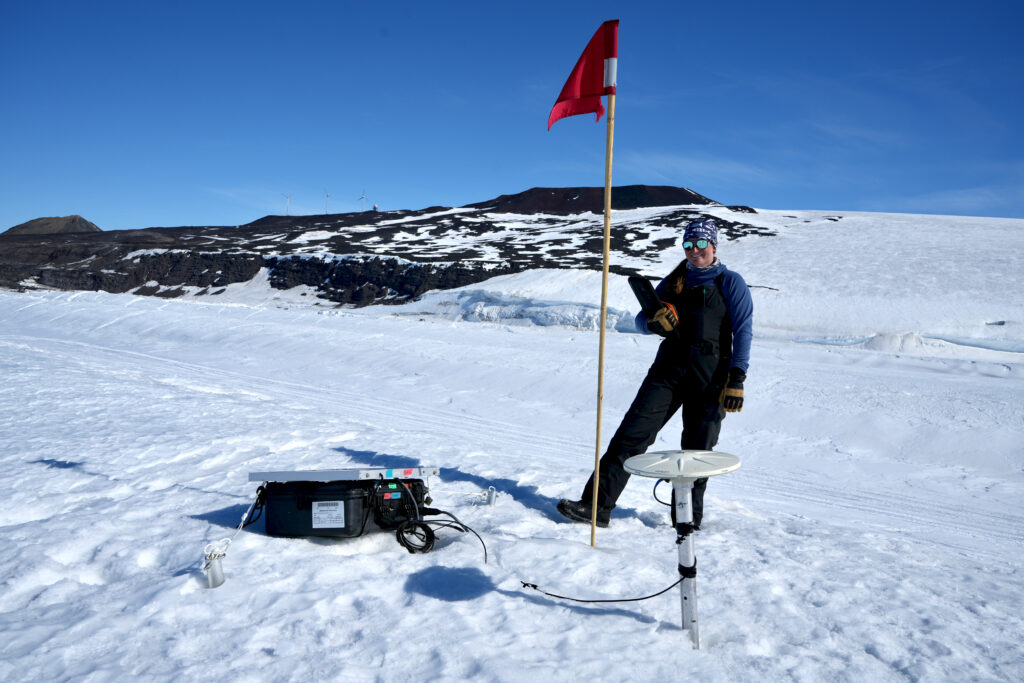
The daily routine involved traveling by snowmobile from the research hub across the vast, otherworldly expanse of the ice shelf. The landscape, while beautiful, is treacherous. Navigating a "rumple zone" requires constant vigilance, as the compression of the ice creates hidden crevasses—deep fissures that can swallow equipment or personnel. The team’s chronology was defined by the systematic installation of a high-tech monitoring network designed to "listen" to the ice.
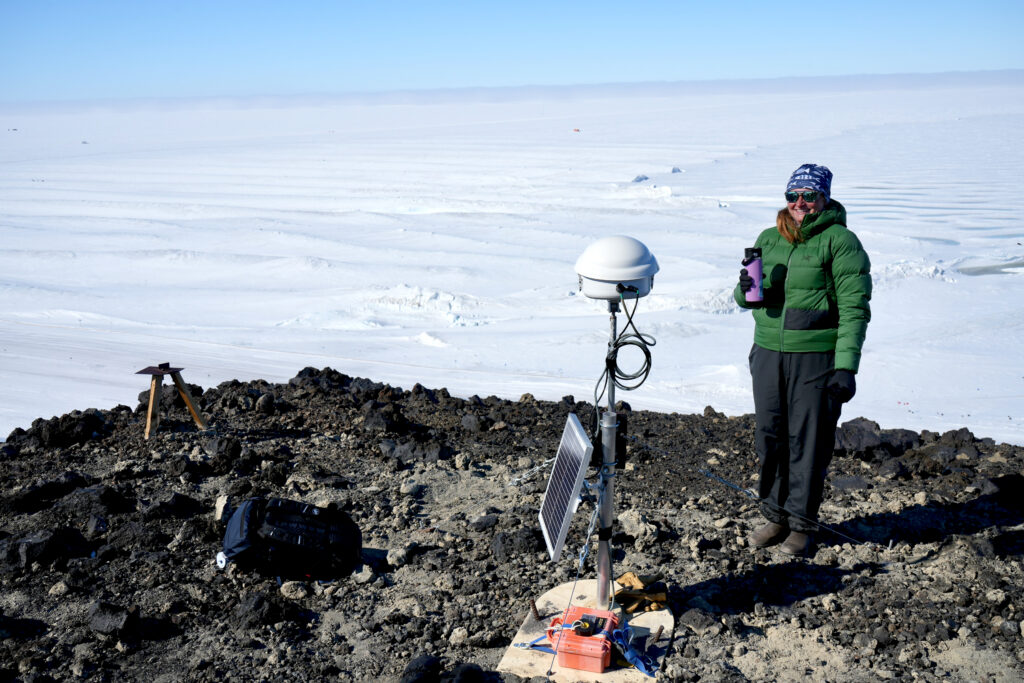
Over the course of the first three weeks, the team established a grid of instruments across the most active sections of the rumples. These included:
- Seismometers: Sensitive enough to detect the minute "pops" and "cracks" of internal ice deformation.
- High-Precision GPS: Units capable of measuring ice movement to the centimeter, tracking how the shelf shifts in real-time.
- Phase-Sensitive Radar (pRES): Systems used to measure the internal thinning of the ice and how it deforms from within.
- Automated Weather Stations: To correlate ice movement with local atmospheric changes.
- Time-Lapse Cameras: Positioned to capture images every 30 minutes, providing a visual record of surface changes through the dark Antarctic winter.
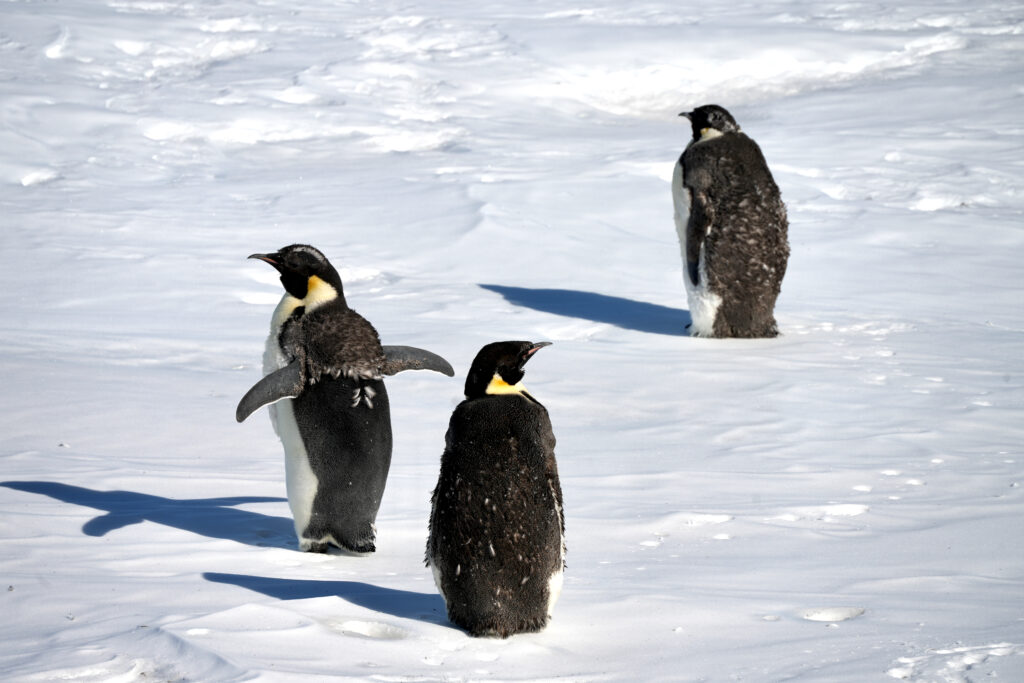
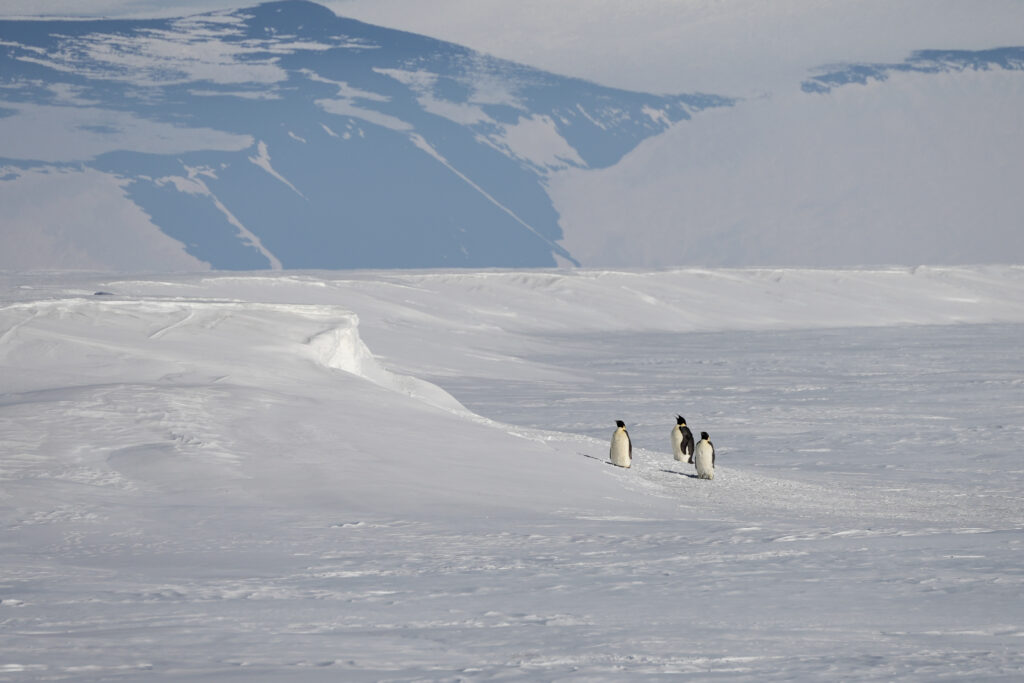
By the midpoint of the expedition, the team observed an unusual ecological phenomenon. Three emperor penguins, in the midst of their annual molt, took up residence near the field site. Because penguins are unable to swim while molting—having lost their waterproof feathers—they remained stationary for weeks. These iconic birds became silent witnesses to the scientific work, highlighting the delicate intersection of Antarctic biology and glaciology.
Preliminary Findings and Climate Anomalies
While the full dataset will not be available until the team returns to retrieve their instruments next season, early observations have already raised alarms. Dr. Banwell noted that the ice was moving significantly faster than anticipated, averaging one to two feet per day. In the context of glaciology, this is a dynamic and rapid pace, indicating a highly active system under significant stress.
Furthermore, the 2023-2024 field season was marked by record-breaking warmth. Dr. Banwell, a veteran of seven Antarctic summers, reported that this was the warmest season she had ever experienced on the continent. This heat led to an early snowmelt, which stripped away the "firn" (the protective layer of multi-year snow) and exposed a heavily fractured surface.
"The team encountered more crevasses than anticipated," Dr. Banwell reported, noting that the increased visibility of these fractures was a sobering reminder of the shelf’s vulnerability. The presence of surface meltwater is particularly concerning to glaciologists; when water fills crevasses, it acts like a wedge, a process known as hydrofracturing, which can cause an entire ice shelf to disintegrate in a matter of days.
Broader Implications: The Global Cost of 190 Feet
The research conducted at the McMurdo Ice Shelf is a microcosm of a much larger global crisis. The Intergovernmental Panel on Climate Change (IPCC) and other scientific bodies currently project a sea-level rise of one to three feet by the end of this century. While this may sound manageable, the socio-economic implications are catastrophic.
A three-foot rise in sea level would threaten the homes and livelihoods of tens of millions of people worldwide. Low-lying coastal cities such as Miami, New York, Mumbai, and Bangkok would face chronic flooding and saltwater intrusion into freshwater supplies. In the United States alone, billions of dollars in coastal infrastructure—including ports, power plants, and naval bases—are at risk.
The data Dr. Banwell’s team is currently collecting will be cross-referenced with satellite observations from NASA’s ICESat-2 and the European Space Agency’s CryoSat-2. By combining ground-level precision with "bird’s-eye" satellite views, scientists hope to create more accurate predictive models. These models are essential for coastal planners and policymakers who must decide how to defend shorelines or when to begin the process of managed retreat from the coast.
Analysis: The Future of Antarctic Stability
The work of Dr. Banwell and her colleagues represents a shift in how scientists view Antarctica. For decades, the continent was seen as a slow-moving giant, largely insulated from the rapid changes seen in the Arctic. However, the recent trend of record-low sea ice and the accelerating thinning of West Antarctic glaciers suggest that the "sleeping giant" is waking up.
The "rumples" of the McMurdo Ice Shelf are a critical piece of this puzzle. If these features are found to be structural weak points, it suggests that other ice shelves with similar topography may be closer to collapse than previously thought. Conversely, if they are found to be stabilizing anchors, they may offer a temporary reprieve, buying humanity more time to reduce carbon emissions and stabilize the global climate.
Conclusion and Next Steps
As the Antarctic winter sets in, Dr. Banwell’s instruments remain on the ice, quietly recording the shelf’s groans and shifts in total darkness. The team is scheduled to return in the next field season to retrieve the hardware and begin the painstaking process of data analysis.
The mission of the POW Science Alliance and researchers like Dr. Banwell is to bridge the gap between complex geophysics and public awareness. In Antarctica, small numbers—one foot of movement, one degree of temperature change—carry the weight of global consequences. By drilling into the cold and listening to the ice, these scientists are providing the essential data needed to navigate an uncertain future, reminding us that what happens at the bottom of the world will eventually reach every shore on Earth.
