
In the evolving landscape of elite cross-country skiing, where sophisticated training methodologies like controlled Zone 3 efforts and lactate management have become commonplace, 18-year-old prodigy Halvor Sellesbakk is making a bold statement. The young Norwegian talent is actively pushing back against what he terms "porridge training," opting instead for a rigorous and uncompromising approach that has propelled him to the forefront of his age group and is now drawing attention from senior competitors. Sellesbakk’s philosophy centers on pushing limits, embracing discomfort, and eschewing what he perceives as a diluted training trend.
Sellesbakk, already a standout athlete from Byåsen, has demonstrated remarkable dominance. He recently secured his second consecutive overall Norgescup victory for the 2026 season, a feat that underscores his consistent performance and upward trajectory. His success at this level has led to comparisons with the legendary Johannes Høsflot Klæbo, with many suggesting Sellesbakk could be the next skiing sensation to emerge from Norway. His performances are not confined to junior circuits; he is already challenging senior elite athletes and even World Cup stars, signaling a readiness to compete at the highest echelons of the sport.
Challenging the Dominant Training Paradigm
The prevailing wisdom in many endurance sports, including cross-country skiing, often emphasizes sustained efforts within specific heart rate or power zones, particularly Zone 3, to build aerobic capacity. This approach, proponents argue, allows for higher training volume while managing fatigue and optimizing physiological adaptations. However, Sellesbakk expresses strong reservations about this methodology, viewing it as potentially undermining the development of true grit and maximal effort capabilities.
"I feel there’s been a new trend with a lot of Zone 3 intervals," Sellesbakk stated in a recent interview with Langrenn.com. "I’m not a fan of it, and I don’t believe in it." His critique targets what he perceives as an overemphasis on moderate intensity training at the expense of the raw, all-out efforts that define competitive racing. He argues that this "porridge training," a colloquial term implying a bland and uninspired approach, fails to adequately prepare athletes for the decisive moments of a race.
The "Hell Zone" Philosophy and the Bråtestesten
Sellesbakk’s training philosophy is diametrically opposed to the nuanced, data-driven approach favored by many. Instead, he advocates for a stark dichotomy in training intensity: absolute rest when appropriate, and absolute maximum effort when pushing limits. This translates to what he describes as "Zone Hell" intervals, a stark contrast to the controlled Zone 3 efforts.
"I want it to be calm when it’s calm, and all-out ‘Zone Hell’ when it’s hard," Sellesbakk explained. "You should be feeling it, right after the second-to-last interval." This philosophy means embracing the lactic acid burn and the intense discomfort that comes with pushing the body to its absolute limits. He believes that consistently exposing oneself to these high-intensity efforts is crucial for developing the mental fortitude and physiological resilience required to excel in demanding race conditions.
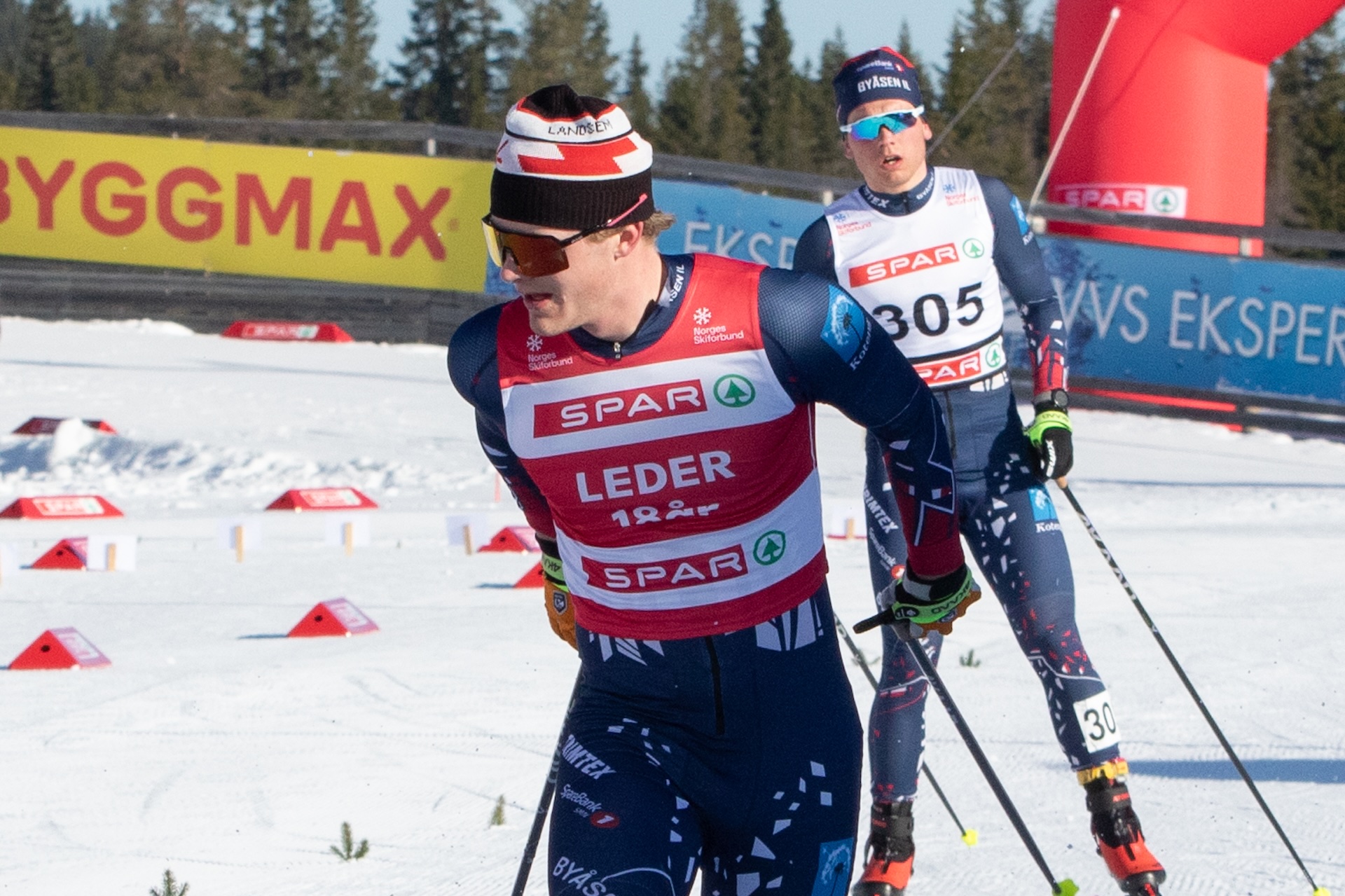
His preferred training sessions reflect this ethos. The four cross-country running races in Nilsbyen and the infamous Bråtestesten (Bråsen test) are highlights of his off-season training. The Bråtestesten, a notoriously steep uphill running race held annually in Byåsen, is a benchmark for local athletes and has previously seen even established stars like Johannes Høsflot Klæbo face significant challenges. Sellesbakk’s affinity for these demanding tests underscores his commitment to a training regimen that prioritizes raw power and endurance over more conservative approaches. The fact that he thrives on the "blood taste" – a colloquialism for the metallic taste of blood in the mouth during extreme exertion – further illustrates his comfort with pushing beyond perceived limits.
The "Holy Monday" and the Importance of Rest
While Sellesbakk’s training is characterized by its intensity, it is equally defined by its strategic implementation of rest. One of his most distinctive training principles is his "holy Monday" – a dedicated day of complete rest. This deliberate inclusion of a regular, non-negotiable rest day is a cornerstone of his recovery strategy and, he believes, essential for maximizing the effectiveness of his training week.
"I feel like Monday has become a bit holy," Sellesbakk admitted. "I just relax, and I think that’s important. I train one to two sessions every day from Tuesday to Sunday, with a regular interval session on Tuesdays, so it’s good to have a day completely off." This disciplined approach to rest, which he adopted independently several years ago based on his own physical feedback, sets him apart from many athletes who might feel pressured to train daily. He estimates he adheres to this rest day 50 out of 52 Mondays per year, highlighting its significance in his routine.
This emphasis on strategic rest aligns with a principle championed by other successful Norwegian athletes. Einar Hedegart, a biathlete who transitioned to cross-country skiing and achieved Olympic gold, also highlighted the crucial role of rest days in his training regimen. Hedegart’s success, achieved through a comprehensive approach that included dedicated recovery, lends further credibility to Sellesbakk’s belief in the power of scheduled downtime. The consistent application of such principles across different disciplines suggests a universal truth about the delicate balance between exertion and recovery in elite athletic performance.
The Power of a Positive Training Culture and Coaching
Beyond the physical demands of his training, Sellesbakk attributes a significant portion of his success to the positive training environment and culture within his club and school. He emphasizes the importance of camaraderie, quality training sessions, and a supportive atmosphere where athletes can both push themselves and enjoy the process.
"We have an incredibly good training environment, both at school and in the club," Sellesbakk stated. "We have quality in all sessions and a good atmosphere in the locker room. It’s important not to be so serious that you can’t have a laugh." This balance between intense focus and lightheartedness is crucial for long-term athlete development and motivation, preventing burnout and fostering a sustainable passion for the sport.
He also singles out his coach, Martine Lorgen Øvrebust, for her instrumental role in his development. Their collaboration, which began in the autumn, has proven highly effective, with Sellesbakk crediting her guidance and expertise for his recent surge in performance. The synergy between athlete and coach, built on trust and mutual understanding, is a critical component of success in any sport.

The Byåsen Phenomenon: A Cohort of Talent
Sellesbakk’s success is not an isolated incident. There is a striking number of high-achieving athletes from Byåsen in his age group and competitive category. This concentration of talent has led to discussions about a specific "Byåsen phenomenon" within Norwegian cross-country skiing. Sellesbakk attributes this to a strong, long-standing cohort of athletes born in 2008 who have trained and competed together since childhood.
"Yes, the 2008 cohort has always been a large cohort, so many have shown up for training and had fun together since we were little," Sellesbakk explained. The shared history and established relationships among these athletes foster a competitive yet supportive environment. Many of these athletes now attend the same secondary school, Heimdal videregående, further strengthening their bonds and providing a consistent training group.
The impact of this concentrated talent pool is evident in competition results. In the mass start event at the Norwegian Championships (NM del two) in Lygna, four of the top five finishers were from Byåsen, including the winner and the runner-up. Similarly, in the overall Norgescup standings, Byåsen athletes occupy three of the top four positions, with Sellesbakk and another Byåsen skier taking first and second place respectively. This collective success suggests that the Byåsen region has cultivated a unique environment that nurtures elite cross-country skiing talent, potentially serving as a model for other clubs and regions.
Looking Ahead: Embracing the Challenge
Halvor Sellesbakk’s unwavering commitment to his rigorous training philosophy, coupled with his remarkable success, positions him as a compelling figure in the future of cross-country skiing. His willingness to challenge established training norms and his dedication to pushing personal boundaries are indicative of an athlete with immense potential. His experiences at events like the Toppidrettsveka in 2025, where he competed against World Cup stars, have further fueled his ambition. He plans to return to such elite competitions, seeking to test himself against the best and continue his rapid ascent.
Sellesbakk’s approach serves as a reminder that while data and scientific methodologies are vital in modern sports, individual intuition, a strong work ethic, and a commitment to pushing beyond comfort zones remain indispensable elements of athletic greatness. As he continues to refine his "brutal success formula," the cross-country skiing world will undoubtedly be watching to see if his unconventional methods can indeed rival and surpass the more mainstream training trends. His journey is a testament to the diverse paths that can lead to elite performance, highlighting the enduring importance of grit, dedication, and a willingness to embrace the challenge, even when it means venturing into the "hell zone."
