
Les Menuires, situated at a base elevation of 1,850 meters in the Tarentaise Valley, has solidified its reputation as a premier destination for high-altitude spring skiing as the 2026 winter season enters its final phase. With a skiable domain extending to over 2,800 meters, the resort offers a snow-sure environment that remains viable well into April, a factor increasingly critical as climate variability impacts lower-altitude European destinations. As of late March 2026, the resort reports excellent piste conditions and a robust schedule of events designed to capitalize on longer daylight hours and more stable meteorological patterns. The scheduled closing date for the current season is April 17th, marking a full winter cycle of operations that has seen a notable shift in visitor demographics and a surge in international interest.

Geographical Advantages and Snow Reliability
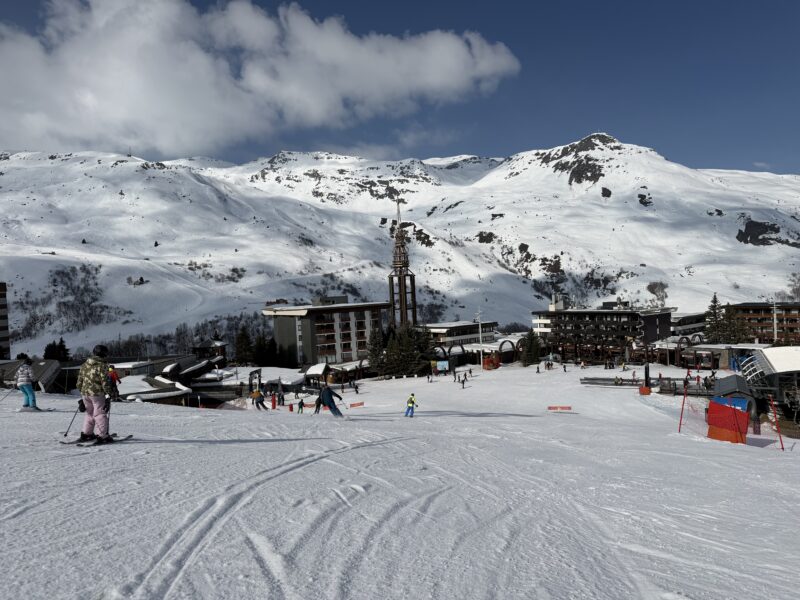
The strategic positioning of Les Menuires within the Saint-Martin-de-Belleville commune provides a unique microclimate conducive to late-season snow retention. The resort’s local ski area encompasses 160 kilometers of slopes distributed across two distinct mountain faces, ensuring variety for different skill levels and sun exposures. One of the primary focal points of the domain is La Masse, a high-altitude sector that serves as a cornerstone for the resort’s "snow-sure" guarantee.
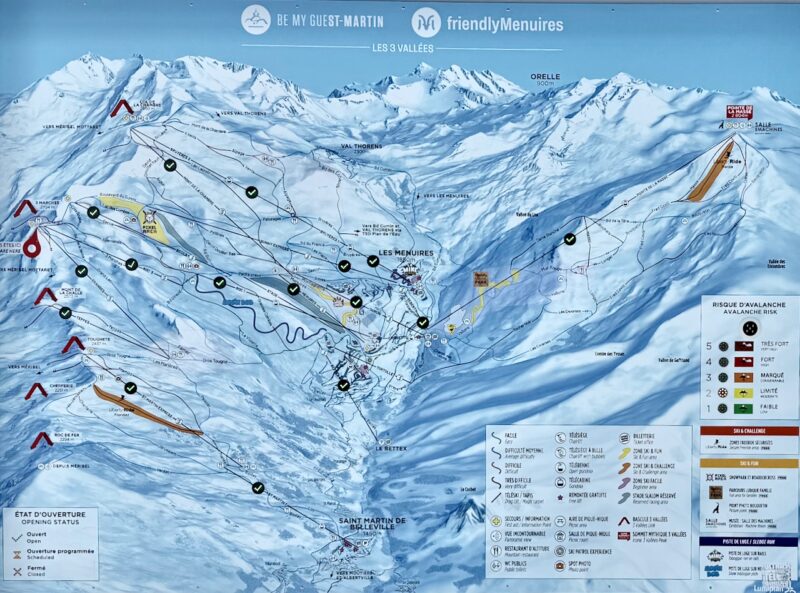
Current reports from late March indicate full snow coverage across the primary runs, extending down to the 1,450-meter level in the linked village of St Martin de Belleville. While base areas at lower elevations typically experience softer, "slushy" conditions during the afternoon hours—a standard characteristic of spring skiing—the upper reaches of the domain, particularly those above 2,500 meters, maintain a firm, winter-like pack.
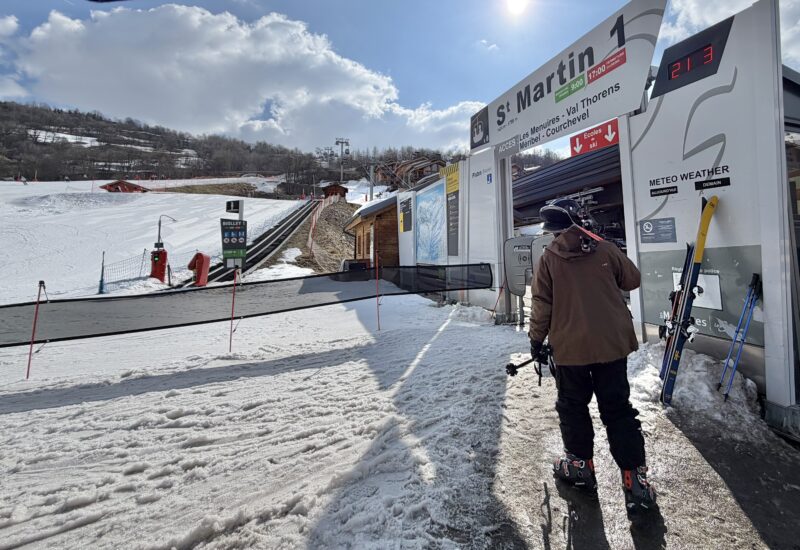
Beyond its local borders, Les Menuires serves as a vital artery within Les 3 Vallées, the world’s largest linked ski area. Holders of the full area pass gain access to over 600 kilometers of interconnected slopes, including the neighboring Val Thorens, which reaches altitudes of 3,200 meters, as well as the world-renowned sectors of Méribel and Courchevel. This connectivity allows skiers to follow the sun or seek out higher-elevation north-facing slopes as temperatures rise throughout the day.

Event Chronology and Spring Programming
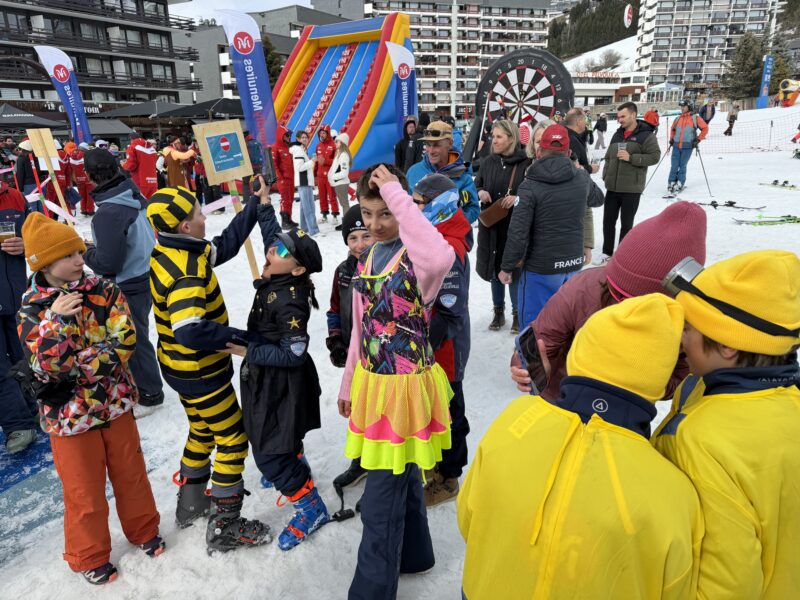
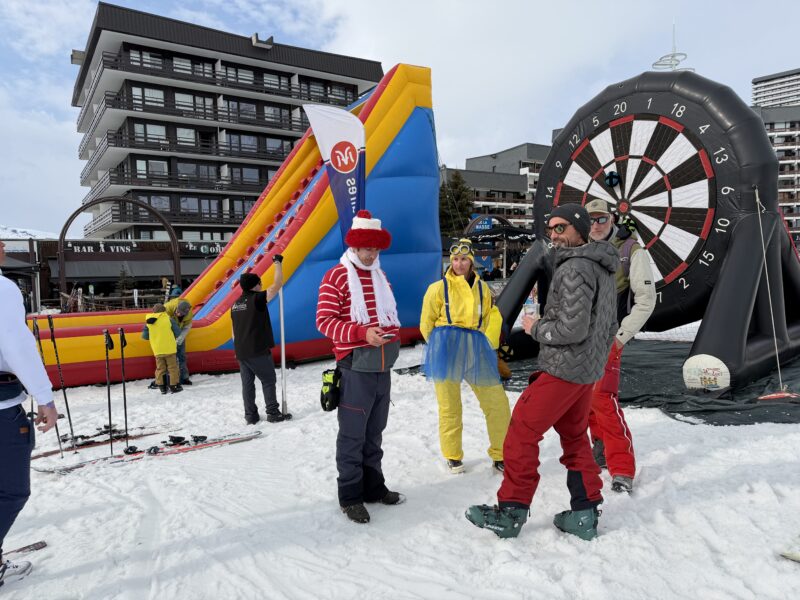
The 2026 spring season has been marked by a diversification of on-mountain activities aimed at broadening the resort’s appeal beyond traditional downhill skiing. A primary highlight of the March calendar was the fourth edition of "Completely La Masse," an event that has rapidly evolved into the resort’s signature spring festival.
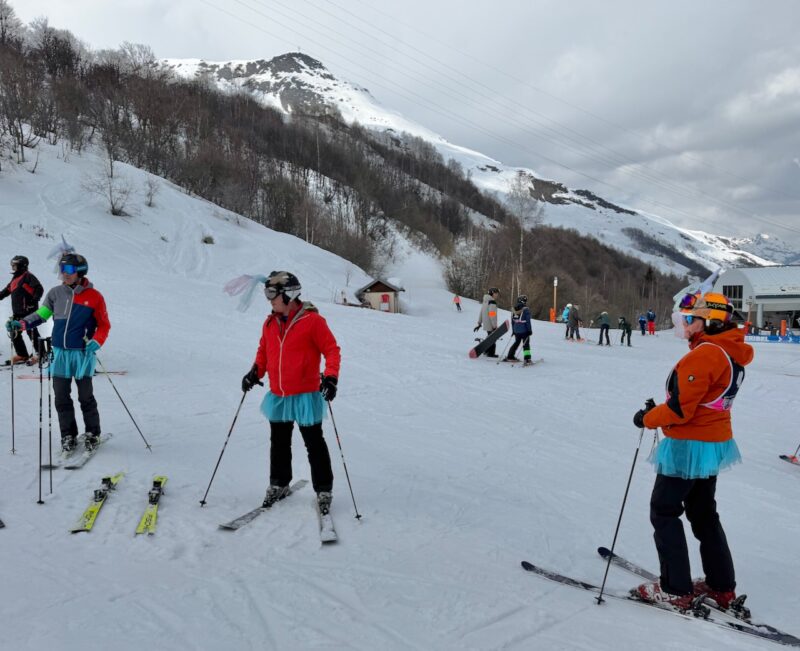
Completely La Masse: A Case Study in Resort Engagement
Held during the penultimate weekend of March, the event attracted 400 participants, a 33% increase from the 300 entrants recorded during the previous season. The competition is structured as a "slalom with a difference," featuring a 1,000-meter vertical drop and a five-kilometer course integrated with various challenges. Unlike professional FIS races, "Completely La Masse" is designed for inclusivity, encouraging fancy dress and catering to all ability levels. The growth of this event reflects a broader industry trend toward "experiential skiing," where social atmosphere and unique challenges are prioritized alongside athletic performance.
Wellness and the Yogiski Initiative
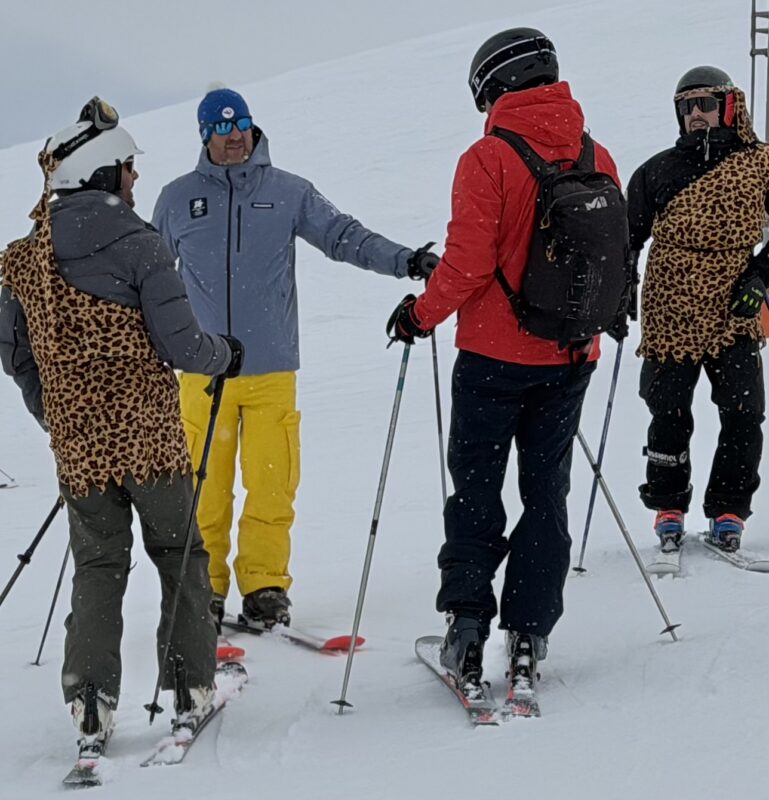
Parallel to the high-energy slalom events, Les Menuires has continued its decade-long commitment to wellness through the "Yogiski" program. This week-long initiative invites visitors to participate in outdoor yoga sessions, fitness workshops, and well-being seminars at high altitudes. By integrating "unrolling the mat" with the traditional ski holiday, the resort has successfully tapped into the growing wellness tourism market, which remains particularly popular among late-season visitors seeking a holistic alpine experience.
Shifting Demographics and the "Epic Pass" Effect
One of the most significant developments of the 2025–2026 season is the changing composition of the resort’s international clientele. While the British remain the largest foreign contingent, followed closely by Belgian and Dutch tourists, there has been a dramatic uptick in visitors from the United States.
According to Marlene Giaconetti, Head of the Les Menuires Tourist Office, the number of American visitors has trebled over the past two years. In the 2023–2024 season, the resort hosted approximately 1,000 US-based skiers; that figure has risen to 3,000 for the current winter. This growth is largely attributed to the resort’s inclusion in the "Epic Pass" program offered by Vail Resorts. The pass allows North American skiers to utilize their season memberships at select European partner resorts, significantly lowering the barrier to entry for trans-Atlantic ski travel.
"It is a significant and somewhat surprising growth market," Giaconetti noted. She further emphasized that strategic marketing efforts, including hosted press trips for US-based journalists, have played a crucial role in increasing the resort’s visibility across the Atlantic. This internationalization is viewed as a necessary hedge against a declining domestic market. Statistical data indicates that 16 years ago, approximately 12% of the French population participated in skiing; today, that figure has contracted to 7%, with further declines projected.
Architectural Heritage and Local Resistance
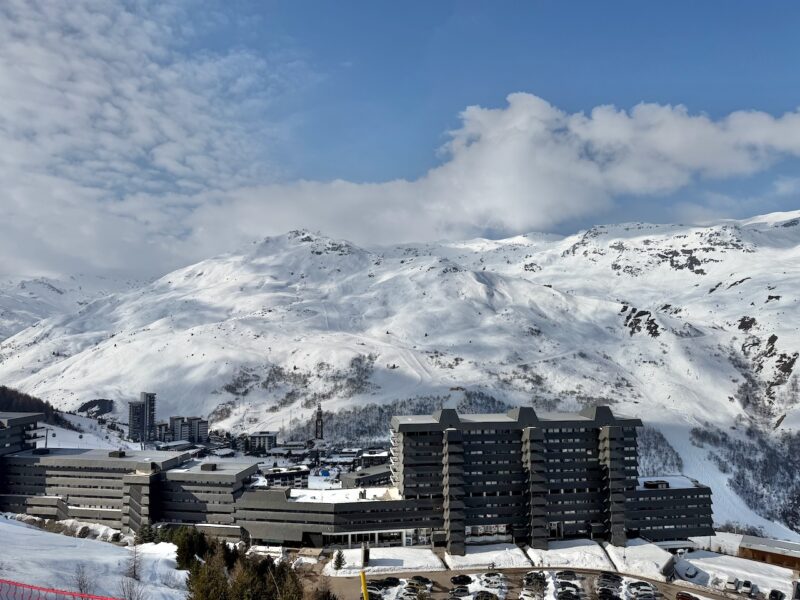
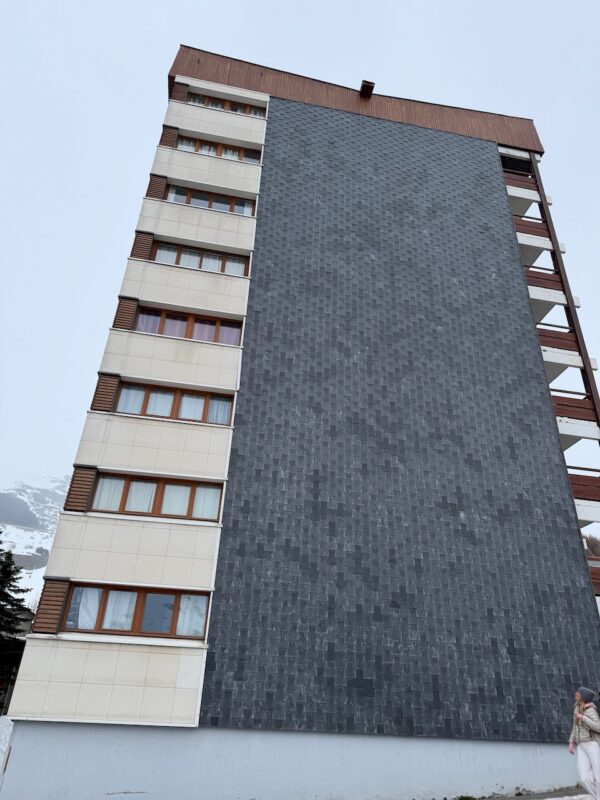
Les Menuires is often defined by its distinctive modernist architecture, a stark contrast to the traditional chalets found elsewhere in the Alps. The resort was established in 1964 as part of the "Plan Neige," a French government initiative to develop purpose-built, high-altitude ski centers. Much of the resort’s aesthetic was shaped by architect Philippe Douillet, whose work continues to evoke strong reactions from visitors and critics alike.
The Brelin: A Vessel in the Snow
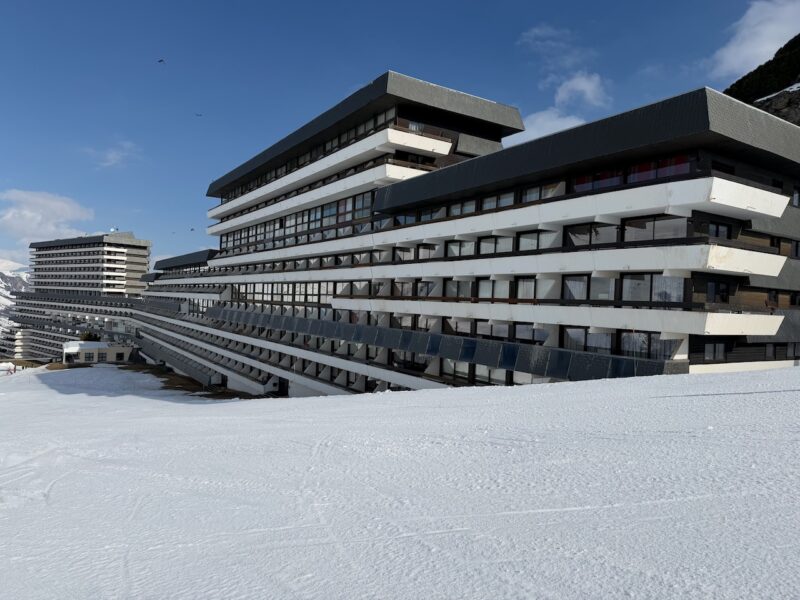
The most iconic structure in the resort is the Brelin, a massive, boat-shaped residential complex that houses 3,000 of the resort’s 27,000 total beds. Designed to resemble a vessel floating in a "white sea" of snow, the Brelin is a protected heritage site, representing the height of 1960s alpine urbanism.
The Boyes Farm: An Anomalous Survival
A notable historical footnote in the resort’s development is the story of the Boyes family. During the initial land acquisition phase in the early 1960s, the regional government purchased vast tracts of farmland from local residents. However, the Boyes family famously refused to sell their holdings. Consequently, the modern resort was constructed around their working farm. Today, the farm remains operational in the center of the resort, located just beyond the primary chairlifts. In the summer months, livestock can be seen grazing on slopes that serve as busy ski pistes during the winter, providing a rare link to the valley’s pre-tourism agricultural roots.
Economic Outlook and Infrastructure Investment
To maintain its competitive edge within Les 3 Vallées, Les Menuires is undergoing a significant phase of reinvestment. The resort has identified the need to modernize its lift infrastructure and upgrade its accommodation offerings to meet the expectations of an increasingly affluent international clientele.
The €55 Million Gondola Project
A major infrastructure project currently underway is the construction of a new €55 million (£48 million) gondola lift. This state-of-the-art system will connect the main town area directly to the Col de la Chambre at 2,850 meters. The new lift is designed to replace two aging chairlifts—the Doron and the Mont de la Chambre—drastically reducing transit times and improving the flow of skiers toward Méribel and Val Thorens. This investment represents one of the largest single-lift expenditures in the resort’s history.
Upscaling the Hospitality Sector
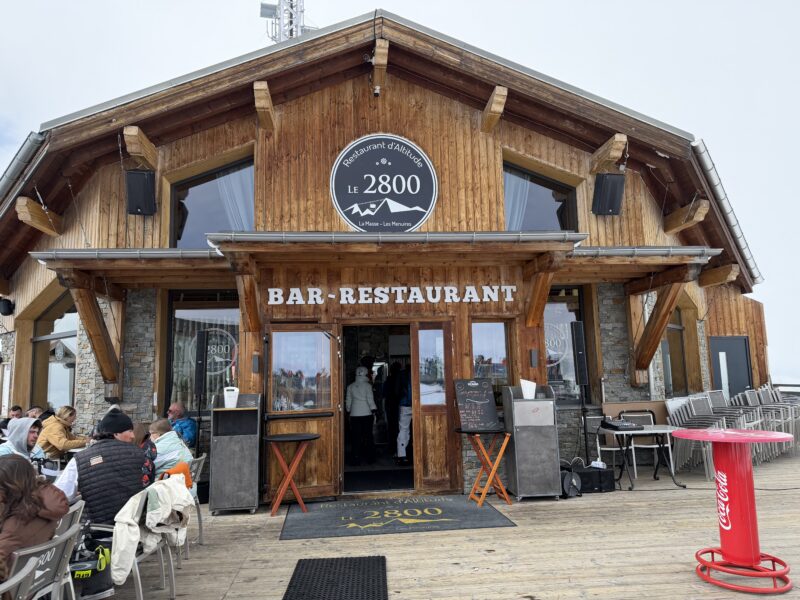
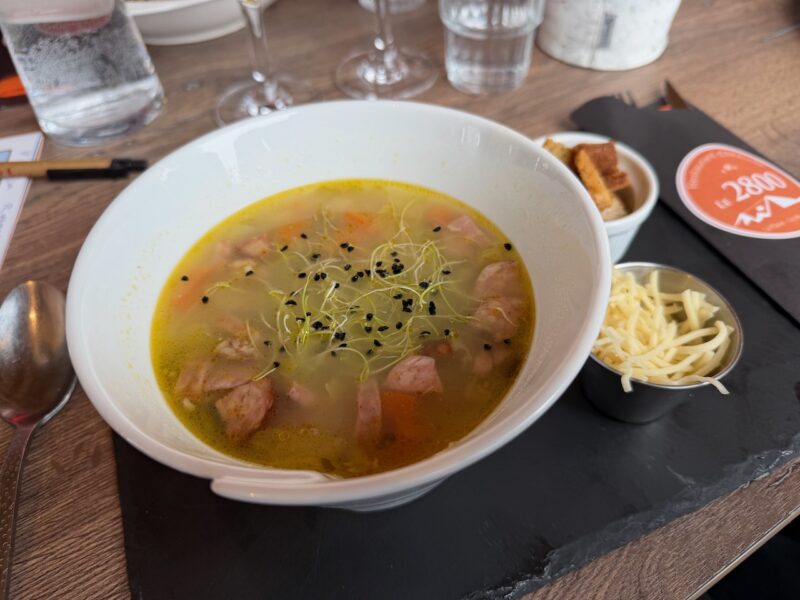
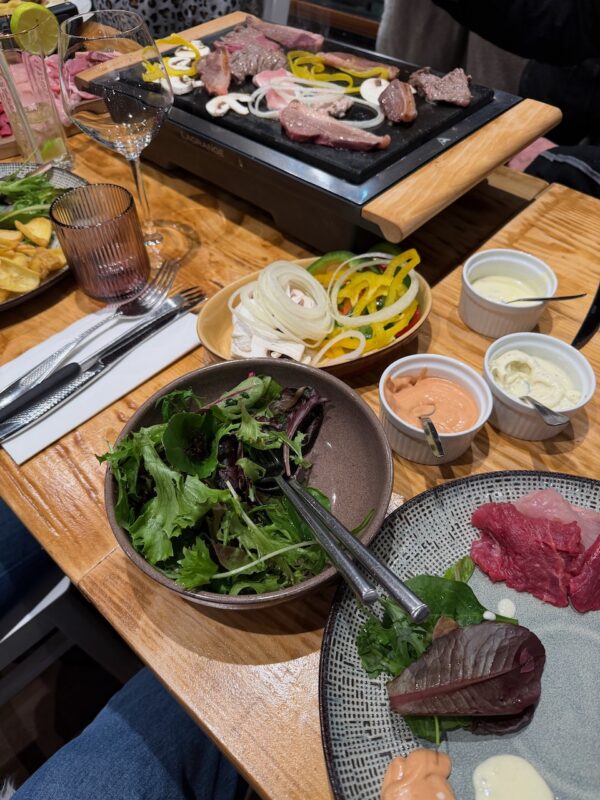
In addition to lift upgrades, the resort is expanding its luxury accommodation sector. A new four-star hotel is slated to open next winter, reflecting a strategic shift toward the "premium-family" market. Despite these upgrades, Les Menuires remains a more cost-effective alternative to its neighbors, Courchevel and Méribel. For example, local mountain dining options, such as the "Le 2800" restaurant, offer high-quality cuisine at price points significantly lower than those found in the more "glitzy" sectors of the 3 Vallées.
Comparison with St Martin de Belleville
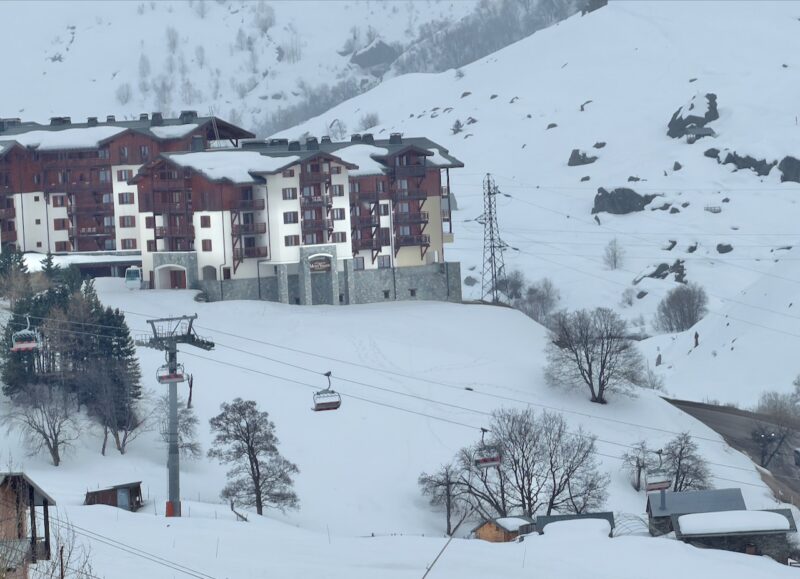
The dual identity of the region is further emphasized by the contrast between Les Menuires and its lower-altitude neighbor, St Martin de Belleville. While Les Menuires serves as a functional, high-capacity hub, St Martin offers a "polar opposite" experience characterized by old-world alpine charm and traditional stone-and-wood architecture.
For many visitors, St Martin de Belleville serves as the preferred base for those seeking a quieter, more authentic Savoyard atmosphere, while still enjoying direct high-speed access to the 3 Vallées circuit via the Tougnète gondola. The relationship between the two villages is symbiotic, allowing the commune to cater to both the budget-conscious family market and the luxury-seeking traditionalist.
Conclusion and Broader Implications
As the 2026 season draws to a close, Les Menuires stands as a testament to the resilience of high-altitude alpine resorts. By balancing its modernist heritage with aggressive infrastructure investment and a diversified events calendar, the resort has successfully navigated the challenges of a changing climate and shifting global demographics. The surge in North American visitors and the continued loyalty of the British market underscore the resort’s status as a key player in the European ski industry. With the early arrival of Easter in 2026, the resort anticipates a strong finish to the season, as families flock to the Tarentaise to experience the unique combination of spring sunshine and high-altitude snow reliability. The ongoing €55 million investment ensures that Les Menuires is well-positioned to remain a cornerstone of the world’s largest ski area for decades to come.
