
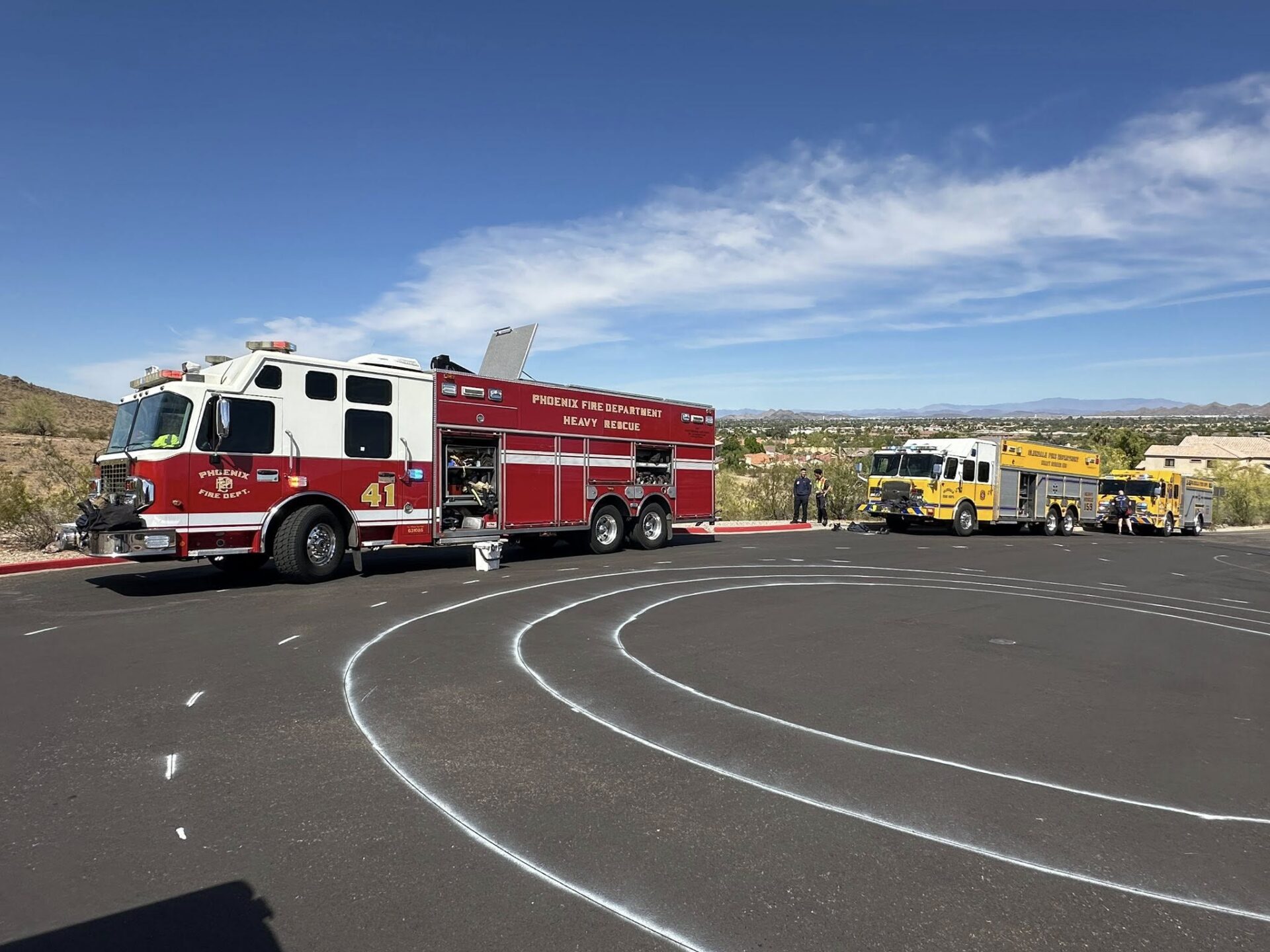
Phoenix, AZ – A routine hike on Lookout Mountain turned into a life-threatening ordeal on April 4th when an adult male hiker was airlifted to a local hospital after suffering an estimated 100 bee stings. Technical rescue teams from Phoenix and Glendale Fire Departments responded to the scene around 10:00 AM, finding the hiker in critical condition near the mountain’s summit, unable to descend on his own. The incident highlights the potential dangers lurking in Arizona’s natural landscapes and underscores the importance of preparedness and awareness for outdoor enthusiasts.
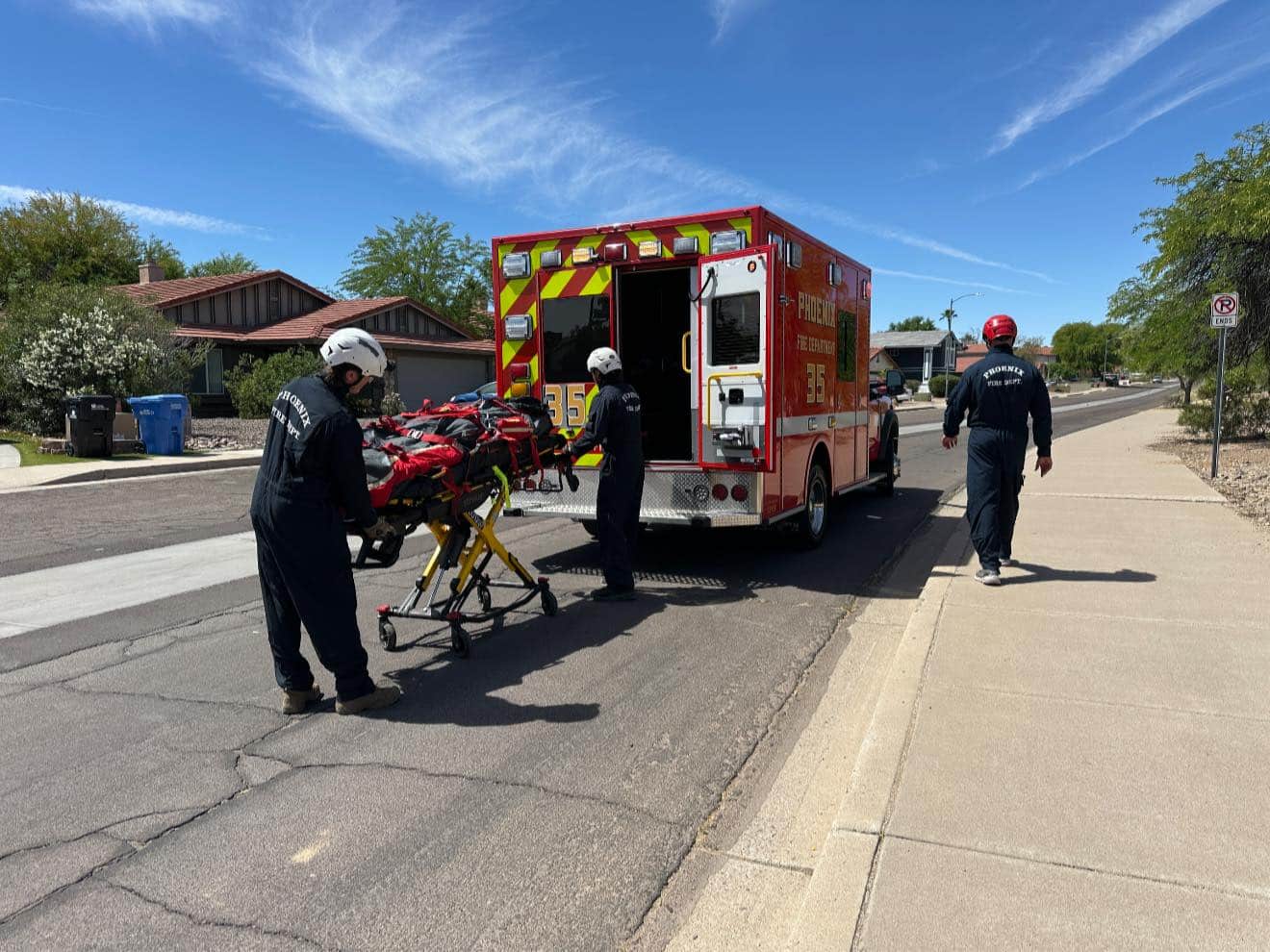
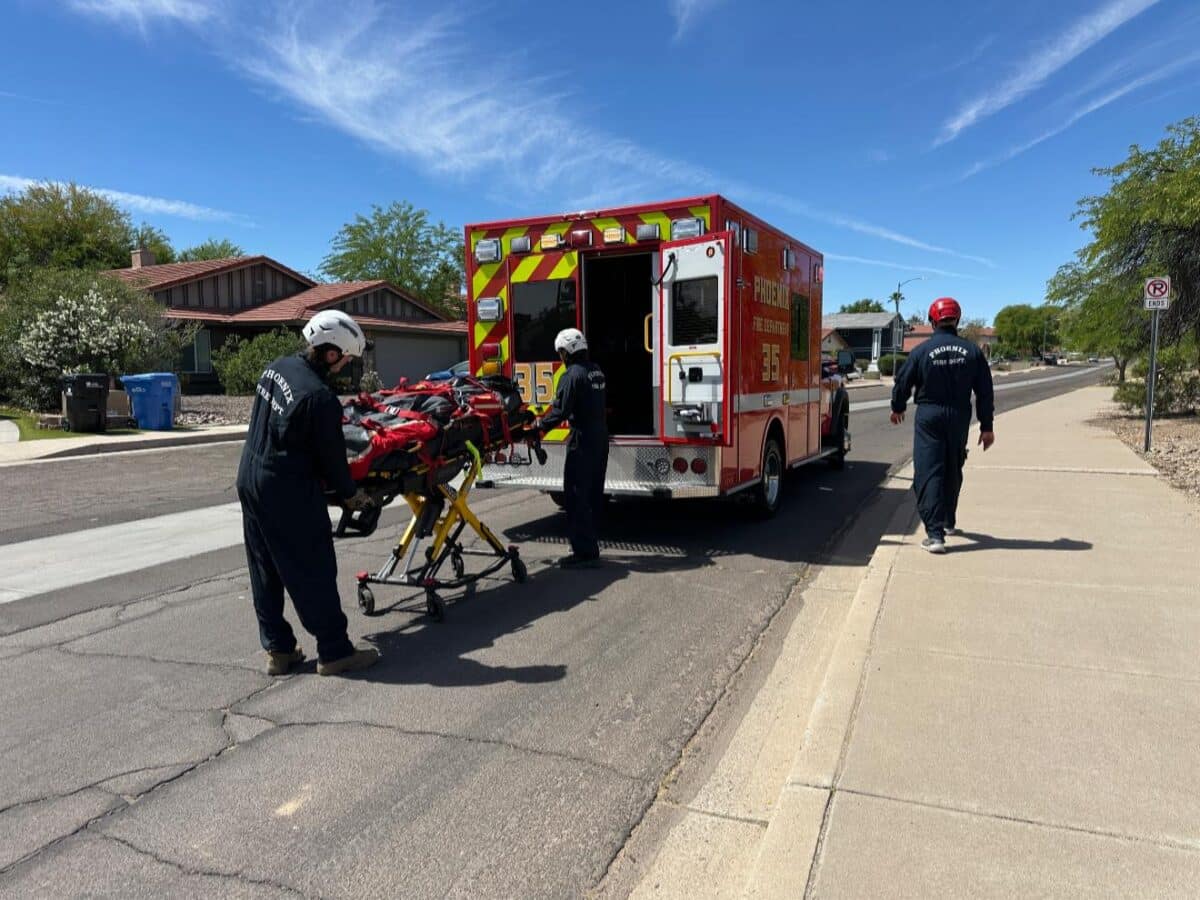
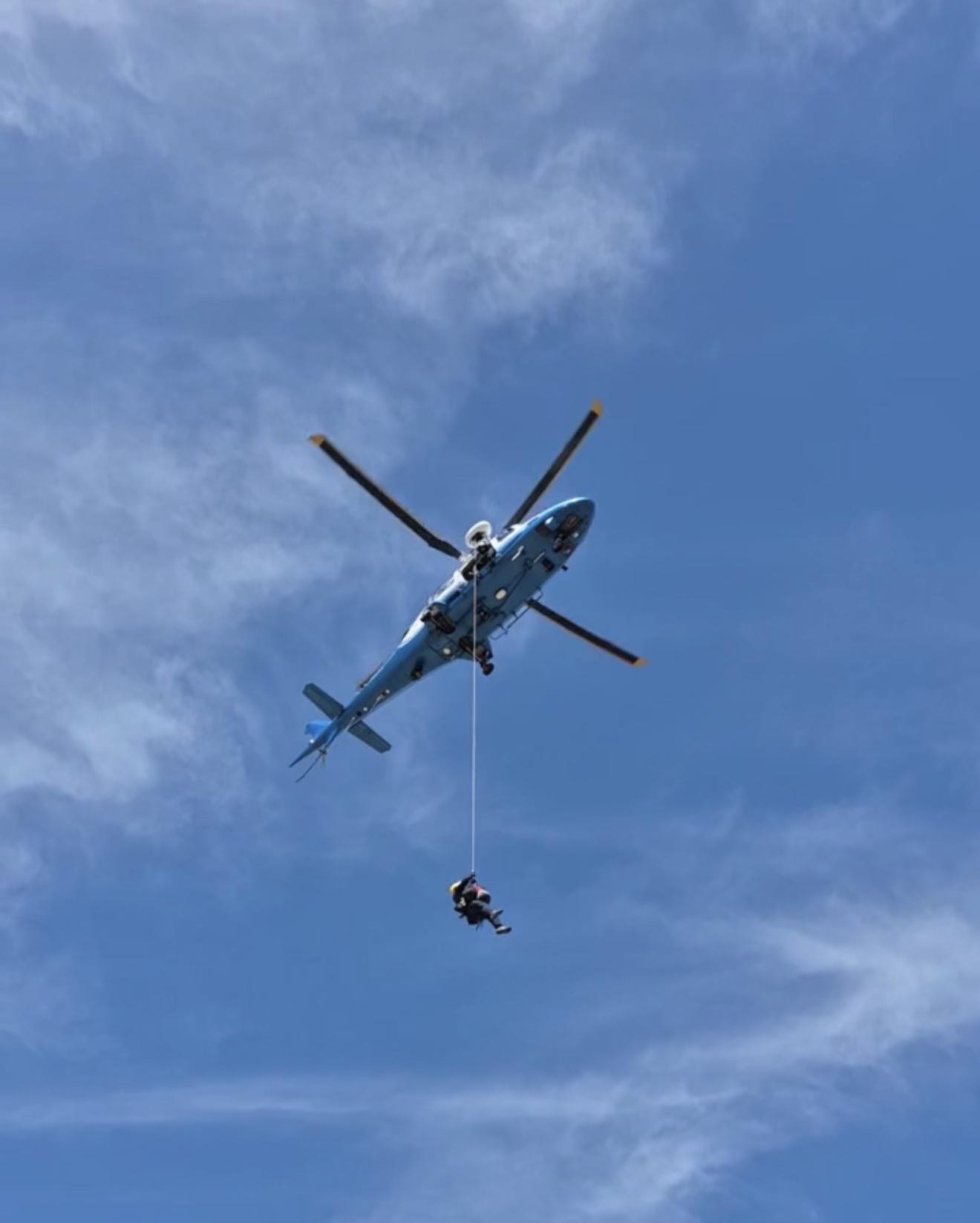
The initial report of a hiker in distress was received by emergency services, prompting a swift mobilization of specialized units. Given the hiker’s location on Lookout Mountain and his deteriorating medical state, a complex aerial extraction was deemed necessary. Firebird 10, a helicopter operated by PHX Fire, was dispatched to the scene. Rescue personnel skillfully coordinated a hoist operation, successfully lifting the individual from the rugged terrain to safety. Upon reaching the trailhead, the hiker was immediately transferred to an awaiting ambulance and transported to a nearby hospital in critical condition. The severity of his injuries, stemming from a massive bee envenomation, necessitated urgent medical attention.
The Onset of the Attack: A Rapidly Escalating Emergency
The timeline of events indicates a rapid escalation from a pleasant hike to a medical emergency. The hiker, whose identity has not been released, was reportedly on Lookout Mountain during the mid-morning hours. While specific details of the encounter remain scarce, it is understood that the hiker inadvertently disturbed a bee hive, triggering a defensive swarm. The sheer number of stings—estimated to be over one hundred—suggests a prolonged and aggressive attack. Bee venom, particularly in such high doses, can lead to severe systemic reactions, including anaphylaxis, which can be fatal if not treated promptly. Symptoms can range from localized pain and swelling to difficulty breathing, dizziness, and loss of consciousness. The hiker’s inability to move or call for help further compounded the urgency of the rescue operation.
Lookout Mountain: A Popular Destination with Hidden Hazards
Lookout Mountain, situated in the north of Phoenix, is a popular destination for hikers, offering panoramic views of the city and surrounding desert landscape. Its accessibility and scenic beauty draw a significant number of visitors daily, particularly during the cooler months. However, like many natural environments, it is also home to various wildlife, including insects. Bee populations, particularly Africanized honeybees, are common in Arizona and are known for their aggressive defense of their hives. These bees are a hybrid of European honeybees and various African subspecies, exhibiting a heightened defensiveness and a tendency to swarm in larger numbers when threatened. Encounters with these bees, while not uncommon, can have severe consequences, especially for individuals who are unaware of their presence or inadvertently provoke them.
The Rescue Operation: A Testament to Emergency Services’ Capabilities
The successful extraction of the hiker was a testament to the advanced training and specialized equipment employed by the Phoenix and Glendale Fire Departments. Technical rescue operations, particularly those involving aerial hoists in challenging terrain, require meticulous planning and execution. The use of the Firebird 10 helicopter allowed rescuers to reach the patient efficiently and safely, minimizing further risk. The coordination between ground crews, air support, and medical personnel was crucial in ensuring the best possible outcome for the hiker. The swift response and effective execution of the hoist operation likely played a significant role in the hiker’s survival, given the potentially life-threatening nature of such a massive bee sting event.

Understanding Bee Envenomation and Risks
Bee stings are a common occurrence, but the severity of the reaction can vary greatly depending on the individual and the number of stings. For most people, a single bee sting results in localized pain, redness, and swelling. However, for individuals with allergies, a single sting can trigger a severe anaphylactic reaction, a medical emergency requiring immediate treatment with epinephrine. In cases of mass envenomation, such as the one experienced by the hiker on Lookout Mountain, the sheer volume of venom injected can overwhelm the body’s systems, even in individuals without a known allergy. This can lead to a condition known as venom toxicity, which can cause a range of serious symptoms, including:
- Cardiovascular Effects: Rapid heart rate, low blood pressure, and irregular heart rhythms.
- Neurological Effects: Dizziness, confusion, seizures, and even coma.
- Renal Effects: Kidney damage due to the breakdown of muscle tissue.
- Hematological Effects: Blood clotting abnormalities.
The estimated 100 bee stings represent a significant venom load, making the hiker’s critical condition entirely understandable. The venom contains a complex mix of proteins and enzymes, including melittin, phospholipase A2, and hyaluronidase, which contribute to pain, inflammation, tissue damage, and allergic reactions.
Prevention and Safety: Essential Precautions for Hikers
This incident serves as a stark reminder for all outdoor enthusiasts to take precautions to avoid encounters with stinging insects. PHX Fire, in its reporting of the event, emphasized several key safety measures:
- Avoid Disturbing Hives: Be observant of your surroundings, particularly in areas where bees are known to be active. If you see evidence of a hive, steer clear and do not attempt to investigate or disturb it.
- Minimize Attractants: Scented products, such as perfumes, colognes, and even strongly fragranced lotions, can attract bees. Opt for unscented or lightly scented personal care products when hiking.
- Wear Appropriate Clothing: Light-colored clothing is generally less attractive to bees than dark colors. Loose-fitting clothing can also provide a physical barrier against stings.
- Know How to React to a Swarm: If you encounter a swarm of bees, the most critical action is to move away quickly and calmly. Protect your head and face by covering them with your hands or arms. Running in a straight line away from the swarm is advisable. Seeking shelter indoors or in a vehicle can provide immediate protection.
Broader Implications and Community Awareness
The incident on Lookout Mountain has broader implications for community safety and awareness regarding the natural environment. It highlights the need for:
- Public Education Campaigns: Increased public awareness about the potential dangers of Africanized honeybees and best practices for avoiding encounters. This could involve signage in popular hiking areas, public service announcements, and educational materials distributed through local outdoor recreation groups.
- Emergency Preparedness: Ensuring that emergency services are adequately equipped and trained to handle specialized rescue operations in remote or challenging environments. The successful hoist operation demonstrates the effectiveness of current preparedness measures.
- Hiker Responsibility: Emphasizing that enjoying Arizona’s natural beauty comes with a responsibility to be informed and prepared. This includes understanding local wildlife, carrying essential safety gear, and informing others of your hiking plans.
While the immediate focus remains on the recovery of the injured hiker, the incident serves as a critical learning opportunity for the entire community. By understanding the risks and implementing preventative measures, outdoor enthusiasts can continue to enjoy the abundant natural beauty of Arizona while minimizing the chances of a similar, potentially tragic, encounter. The swift and professional response by PHX Fire and Glendale Fire Departments undoubtedly made a critical difference in this life-threatening situation.
