
The global action sports community is poised to witness a transformative milestone this Thursday, March 12, as the inaugural 2026 MoonPay X Games League (XGL) Draft takes place at Cosm Los Angeles in Hollywood Park. This event represents the first professional team draft in the history of action sports, signaling a fundamental shift from the individual-centric competition model that has defined the industry for three decades toward a structured, year-round league format. Streaming live from 6:30 to 8:30 p.m. PT, the draft will see 50 of the world’s elite athletes gather in person as four founding clubs select 40 competitors to form the backbone of the league’s first summer season.
The broadcast will be accessible to a global audience via a multi-platform distribution strategy including the ESPN App in the United States, and worldwide through The Roku Sports Channel, X Games on YouTube, Kick.com, and the X Games TV FAST Channel on Amazon. This wide-reaching digital footprint underscores the league’s intent to modernize action sports consumption, moving beyond traditional linear television to meet a younger, tech-savvy demographic on their preferred platforms.
The Genesis of the MoonPay X Games League
The MoonPay X Games League marks the most significant evolution of the X Games brand since its inception in 1995. Traditionally, the X Games operated as a series of standalone "tentpole" festivals—major events in summer and winter that drew massive crowds but offered little continuity for fans between competitions. The XGL addresses this by introducing a global, team-based format that extends the brand’s presence throughout the calendar year.
The inaugural summer 2026 season is scheduled to launch in June, focusing on skateboarding and BMX disciplines. Plans are already in motion to expand the league into winter disciplines—including skiing and snowboarding—beginning in 2027. Each X Games Club (XC) will consist of 10 athletes: five men and five women. This 50-50 gender split is a central pillar of the league’s structure, reflecting a broader industry trend toward gender parity and providing a permanent platform for female athletes to compete alongside their male counterparts in a unified professional setting.
Strategic Selection: The Four Founding Clubs
For the first season, the league has established four clubs representing major global hubs of action sports culture. These "anchor cities" were chosen for their deep historical ties to skateboarding and BMX, as well as their potential for local fan base cultivation.
- XC Los Angeles: Managed by Sharalee “Haze” Hazen, this club represents the spiritual home of skateboarding. With the draft taking place in Hollywood Park, XC Los Angeles is expected to leverage its local connection to attract top-tier talent familiar with the Southern California circuit.
- XC New York: Led by Steve Rodriguez, a legendary figure in East Coast skateboarding, this club brings a gritty, urban identity to the league. Rodriguez’s deep roots in the New York City scene suggest a strategic focus on technical street prowess.
- XC São Paulo: Managed by Bob Burnquist, one of the most decorated X Games athletes in history, this club taps into the massive Brazilian action sports market. Brazil has become a dominant force in professional skateboarding over the last decade, and Burnquist’s leadership is expected to draw high-caliber South American talent.
- XC Tokyo: Under the guidance of Harumi Suzuki, XC Tokyo represents the burgeoning Asian market. Following the success of Japanese athletes at recent Olympic Games, Tokyo has emerged as a powerhouse of young, technical talent, particularly in park and street disciplines.
Draft Mechanics and the Selection Process
The draft process has been meticulously designed to ensure competitive balance across the four teams. The pool of eligible athletes consists of 180 professionals who opted into the league system. From this pool, only 40 will be selected during Thursday’s live event, joining the pool of athletes already associated with the brand to round out the 10-person rosters.
The draft will consist of five rounds, with eight selections per round. The order of selection was determined earlier this month through a randomized lottery conducted with the general managers. XC New York secured the coveted first overall pick, followed by XC Los Angeles, XC Tokyo, and XC São Paulo. This "snake draft" or fixed-order format ensures that each team has an equitable opportunity to secure franchise-level talent.
The stakes for the athletes are high. Beyond the prestige of being a first-round pick, the XGL introduces a "team purse" system. Unlike traditional events where athletes compete solely for individual prize money, XGL competitors will earn points for their clubs. The team with the highest cumulative score at the end of the season will be awarded the league title and a significant financial bonus, fostering a new sense of camaraderie and collective stakes previously unseen in the sport.
High-Profile Athlete Prospects
The draft pool includes a mix of seasoned veterans and rising stars, many of whom have already achieved legendary status in individual competitions. Among the notable names expected to be in the mix are:

- Nyjah Huston: A 15-time X Games gold medalist and arguably the most famous street skateboarder in the world. Huston’s consistency and high-scoring potential make him a likely top-three pick.
- Arisa Trew: The teenage skateboarding phenom from Australia who has recently dominated the international circuit. Trew represents the next generation of female athletes and is a priority for any GM looking to secure long-term dominance in the park discipline.
- Tom Schaar: Known for his versatility across park and mega-ramp competitions, Schaar is a "utility" athlete who can provide high scores in multiple formats.
- Hannah Roberts: A two-time X Games BMX Park gold medalist and Olympic silver medalist. Roberts is the gold standard for women’s BMX and will be a foundational piece for whichever club selects her.
- Kevin Peraza: One of the most creative and versatile BMX riders in the industry, Peraza’s ability to excel in both dirt and park events makes him a strategic asset for the team-based format.
Venue and Technological Integration
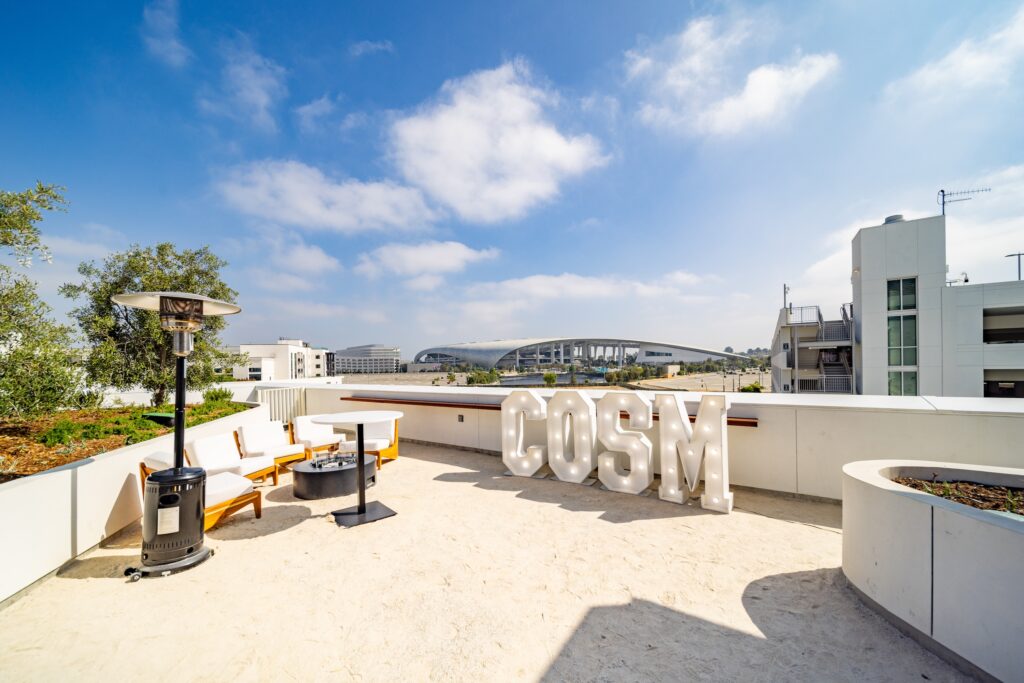
The choice of Cosm Los Angeles as the draft venue is a deliberate move to showcase the intersection of sports and technology. Cosm’s "Shared Reality" technology features a massive LED dome that provides an immersive experience, allowing attendees to feel as though they are sitting front-row at a live event. This high-tech environment serves as a fitting backdrop for the MoonPay X Games League, which is heavily invested in digital innovation.
Title partner MoonPay, a leader in Web3 infrastructure, is working with the league to integrate digital ownership and fan engagement tools. This partnership aims to bridge the gap between physical events and digital experiences, potentially including athlete-based collectibles or blockchain-verified voting for fan-favorite awards. Founding partners like Monster Energy and Stake, along with brands such as Exodus and Kraken Rum, further solidify the league’s commercial foundation.
The 2026 Summer Season Timeline
The draft is merely the prologue to an intensive summer schedule. Following the formation of the teams, the league will embark on a three-stop tour to determine the first-ever XGL champion:
- June 26 – Sacramento, California: The season opener will serve as the first test of team dynamics and the new scoring system.
- July 4–5 – X Games Japan: The league moves to Chiba for a mid-season international showcase, highlighting the global nature of the XC Tokyo and XC São Paulo rosters.
- July 24–26 – League Championship, New Orleans: The season concludes inside the Caesars Superdome. This championship event will crown the inaugural league winner, distributing the team purse and establishing the hierarchy for the 2027 season.
Analysis of Industry Implications
The shift to a league model is a calculated response to the changing landscape of professional sports. For years, action sports have struggled with fragmented schedules and a lack of narrative continuity. By grouping athletes into city-based teams, the X Games is adopting a proven strategy used by the NFL, NBA, and more recently, the LIV Golf circuit and the World Surf League (WSL).
This structure creates "home team" loyalties, which are essential for driving long-term fan engagement and merchandise sales. Furthermore, the coed requirement ensures that the league is positioned as a leader in modern sports values. In an era where brands and broadcasters are increasingly prioritizing women’s sports, the XGL’s integrated format provides a unique selling proposition for sponsors.

The professionalization of the sport through the XGL also provides athletes with more stability. The team-based model often includes better support systems, including coaching, travel logistics, and consistent media exposure, which can extend the careers of athletes who might otherwise struggle to maintain individual sponsorships.
As the 2026 MoonPay X Games League Draft approaches, the action sports world stands on the precipice of a new era. The transition from individual glory to team-based triumph represents more than just a change in rules; it is a bid for mainstream sports legitimacy and a sustainable future for the world’s most daring athletes. Thursday night in Hollywood Park will be the moment these ambitions begin to take a tangible, competitive form.
