
While the primary ski season for most enthusiasts spans only five to six months of the year, sports medicine experts and professional trainers increasingly emphasize the necessity of maintaining "ski shape" through a disciplined year-round regimen. The physical demands of navigating deep powder, negotiating high-impact moguls, and maintaining edge control on icy terrain require a specialized physiological foundation that cannot be built in the weeks immediately preceding the first snowfall. By implementing a strategic off-season conditioning program, athletes can develop the muscular endurance and core stability required to excel during the winter months while significantly reducing the risk of musculoskeletal injuries.

The transition from the sedentary habits of the off-season to the high-intensity environment of the slopes often leads to "early season fatigue," a primary contributor to late-day accidents. To combat this, a comprehensive approach involving baseline strength assessment and targeted functional exercises is essential. This methodology focuses on the kinetic chain—the interconnected system of joints and muscles—ensuring that the hips, trunk, and lower extremities work in concert to absorb the eccentric loads characteristic of alpine skiing.
The Biomechanical Demands of Alpine Skiing
Skiing is a unique sport that requires mastery across multiple planes of motion. Unlike running or cycling, which primarily occur in the sagittal plane (forward and backward), skiing demands exceptional strength in the frontal plane (side to side) and the transverse plane (rotational). As a skier initiates a turn, the core must stabilize the spine against centrifugal force, while the hips and legs manage the pressure of the snow against the edges of the skis.
Data from sports traumatology reports indicate that lower-extremity injuries, particularly those involving the Anterior Cruciate Ligament (ACL) and the Medial Collateral Ligament (MCL), account for approximately 30% to 40% of all skiing-related injuries. Many of these incidents are attributed to a lack of neuromuscular control and muscular imbalances, where the quadriceps overpower the hamstrings or the hip abductors are too weak to prevent the knees from collapsing inward (valgus stress). Consequently, off-season training must prioritize "prehabilitation"—the practice of strengthening vulnerable areas before an injury occurs.
Baseline Assessment: The Side Plank Strength Test
Before embarking on a rigorous training cycle, athletes must establish a baseline to identify functional weaknesses. The side plank test is a critical diagnostic tool used to measure the endurance of the lateral core stabilizers, including the obliques, the quadratus lumborum, and the gluteus medius. These muscles are responsible for maintaining a level pelvis and a stable torso during the rapid weight shifts required in downhill skiing.
Executing the Side Plank Test Protocol
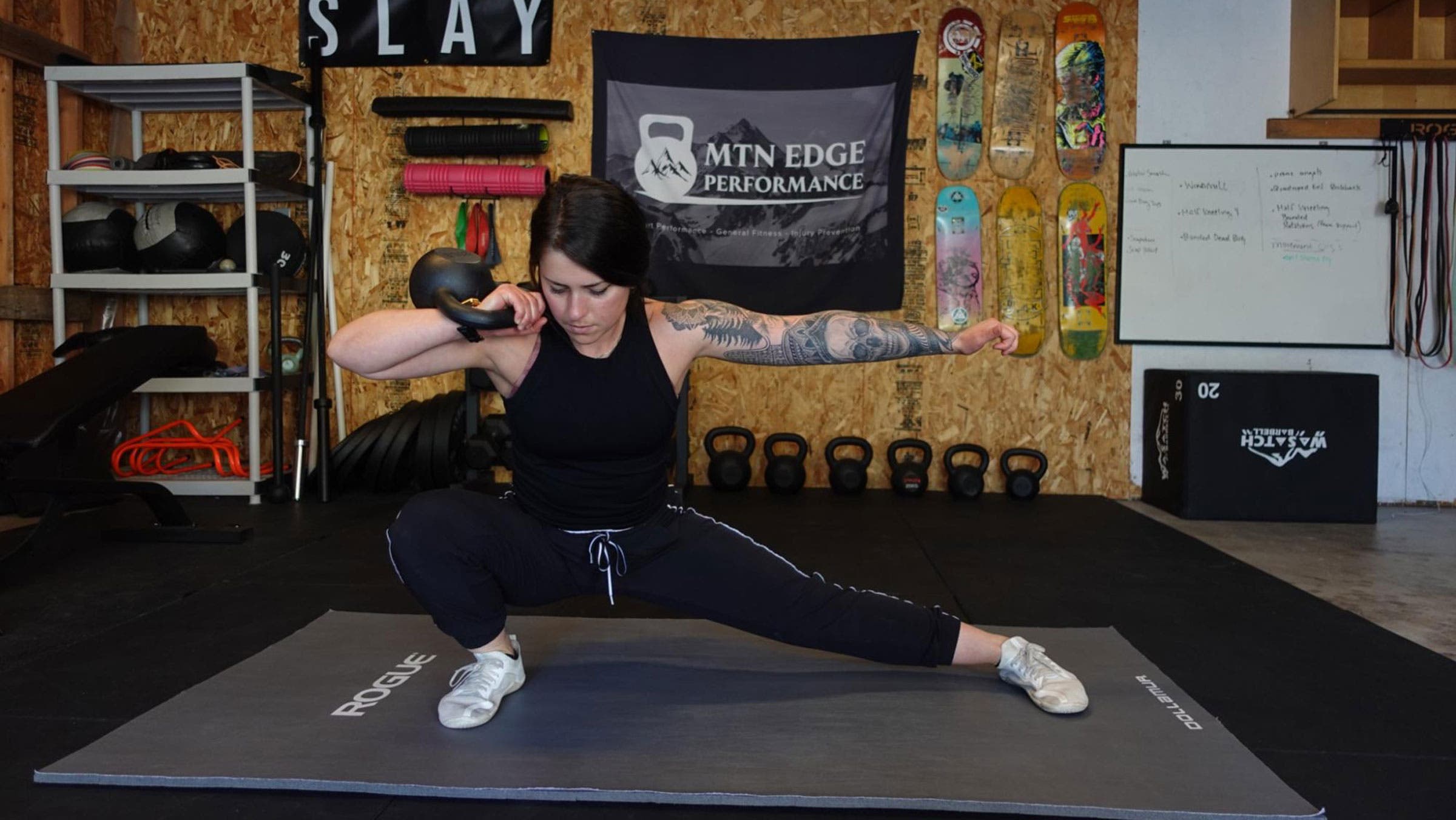
To perform the assessment, the athlete lies on their side with the elbow positioned directly beneath the shoulder. The legs are stacked, and the hips are lifted until the body forms a straight line from head to toe. To test active stability, the athlete flexes the top foot and lifts it to hip height, holding the position briefly before lowering it with control.
The test concludes when the athlete can no longer maintain a neutral spine, if the hips sag toward the floor, or if the shoulder complex loses its structural integrity. While a recreational skier typically manages five controlled repetitions per side, the benchmark for a well-conditioned athlete is 10 to 15 reps. Discrepancies between the left and right sides are particularly noteworthy, as they indicate bilateral imbalances that could lead to asymmetrical skiing technique and localized strain.
Five Essential Exercises for Off-Season Development
Following the assessment phase, the integration of functional movements that mimic the demands of the sport is paramount. The following five exercises are designed to build a robust physical foundation, focusing on unilateral strength, explosive power, and anti-rotational stability.
1. Lateral Lunges for Frontal Plane Stability
Lateral lunges are indispensable for skiers because they target the adductors and abductors of the hip, which are crucial for edge pressure and lateral weight transfer. By moving sideways, the athlete strengthens the muscles required to push off the downhill ski and maintain balance on steep inclines.
To perform a lateral lunge, stand with feet hip-width apart. Take a wide step to one side, keeping the trailing leg straight while hinging at the hips and bending the leading knee. The chest should remain upright, and the weight should be centered in the heel of the working leg. Return to the starting position by driving through the foot. For increased intensity, athletes may hold a kettlebell in the "goblet" or "front rack" position, which further challenges the anterior core.
2. Step-Ups for Unilateral Power and Eccentric Control
Skiing is essentially a series of unilateral movements; at any given moment during a turn, one leg is bearing significantly more load than the other. Step-ups address this by isolating each leg, eliminating the "cheating" that often occurs in bilateral squats where the stronger leg compensates for the weaker one.
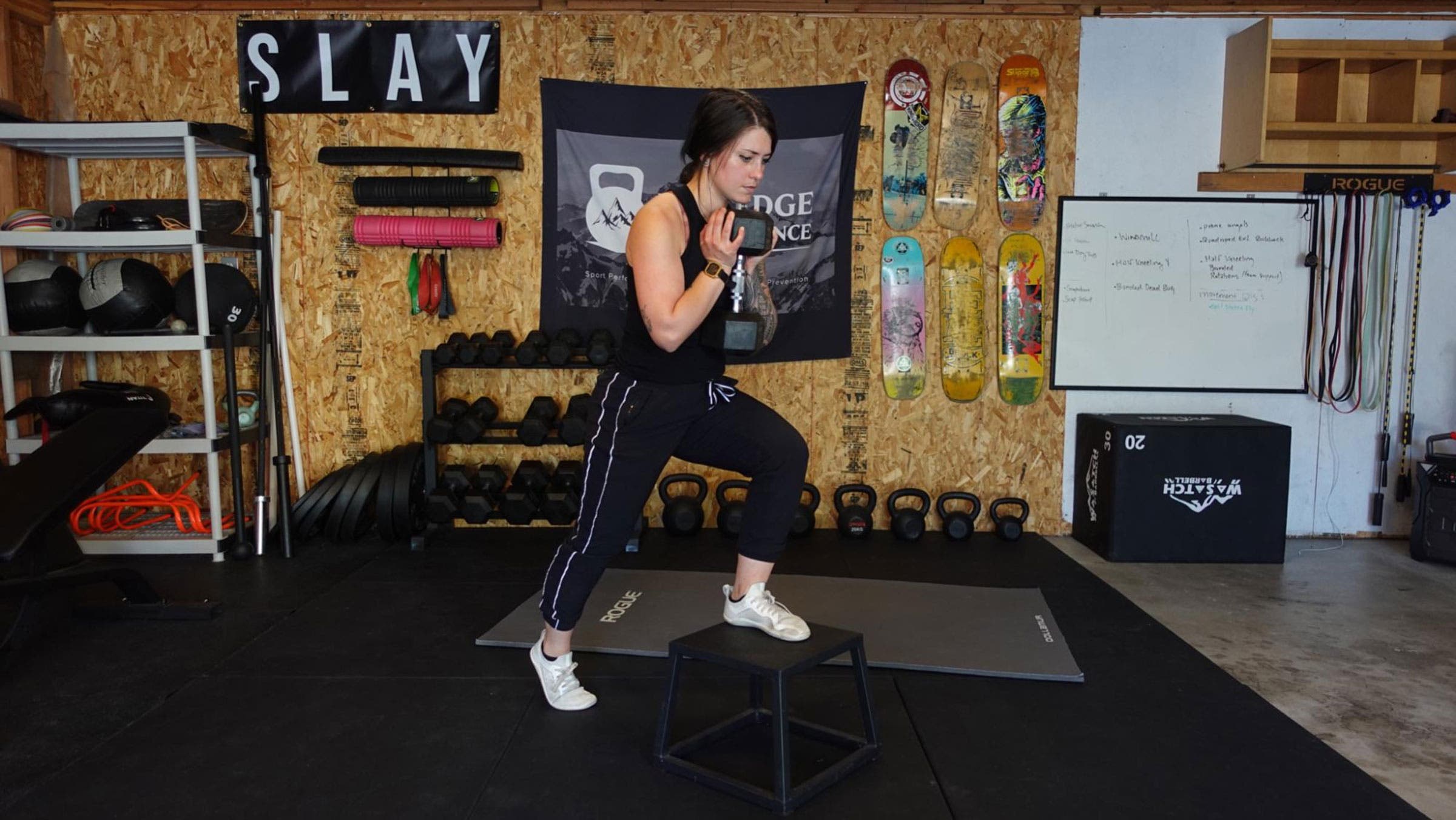
Using a box or bench at knee height, the athlete places one foot firmly on the surface and drives upward, fully extending the hip at the top. The descent is equally important; a slow, controlled return to the ground builds eccentric strength in the quadriceps and glutes, which is the exact type of muscular contraction needed to absorb the shock of bumps and compressions on the hill.
3. The Gorilla Row: Strengthening the Posterior Chain
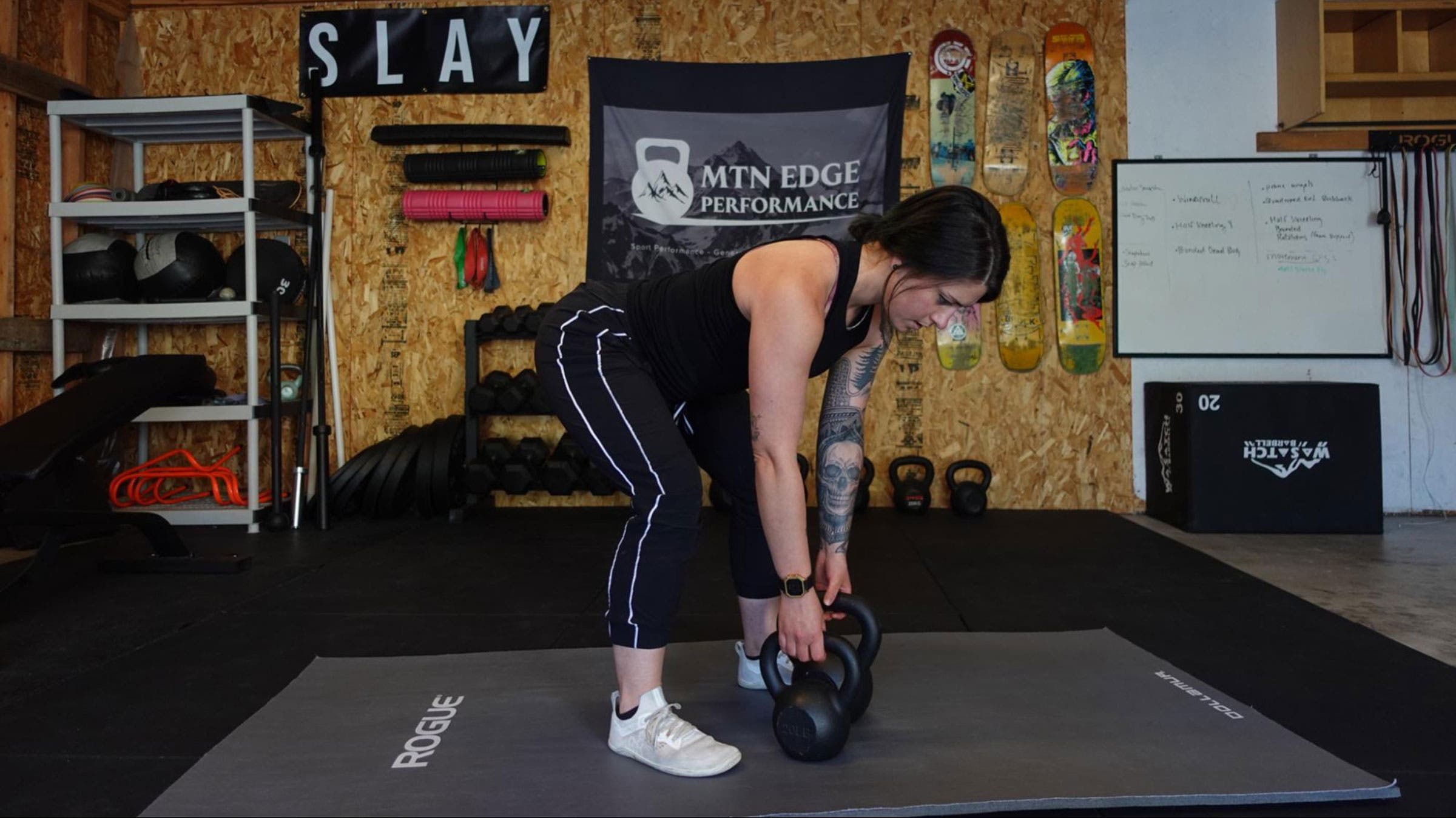
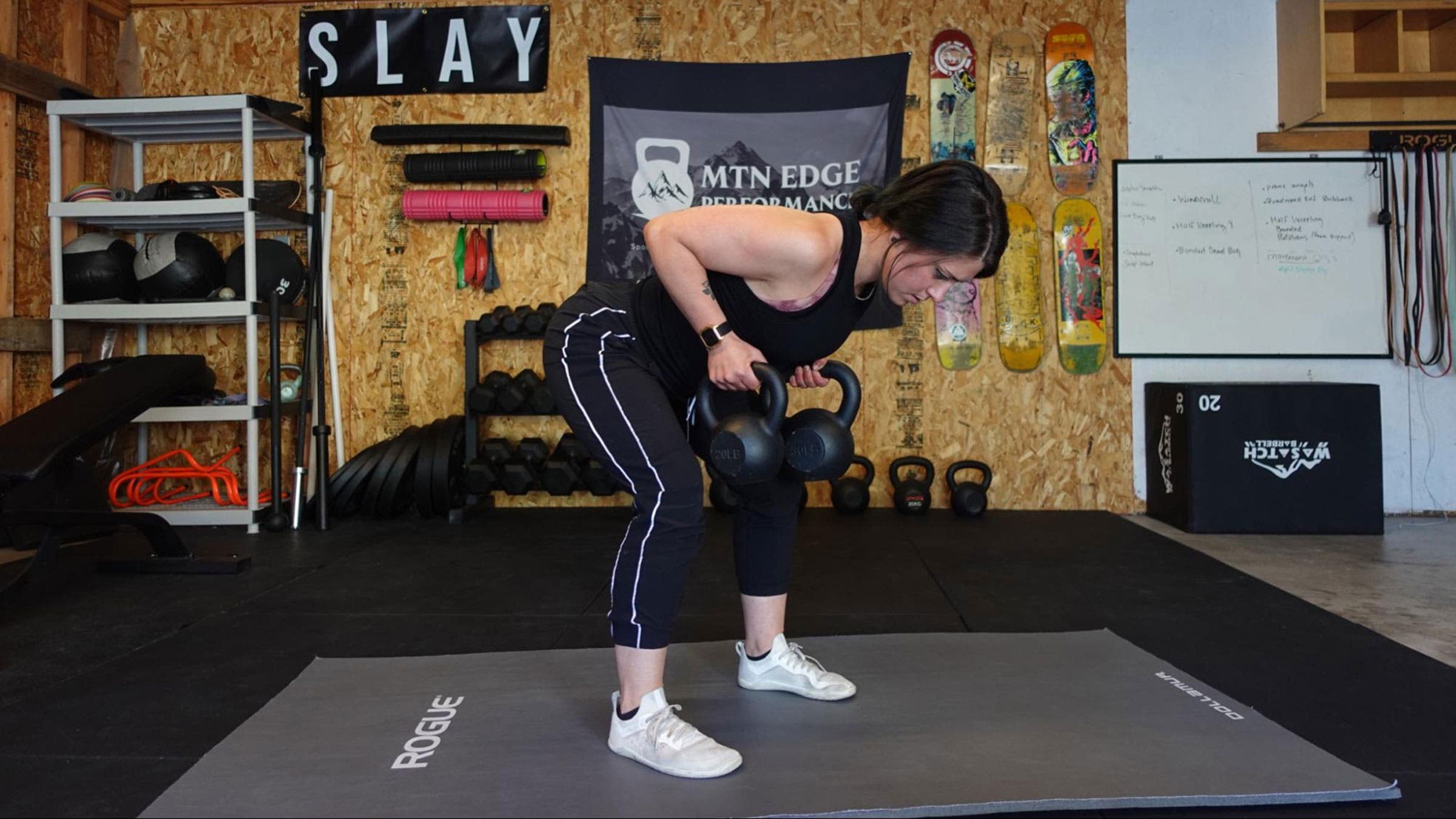
The "skiing stance"—a sustained semi-squat with a slight forward lean—places immense stress on the lower back and the erector spinae. The Gorilla Row is a compound movement that targets these deep back muscles while also engaging the core to resist rotation.
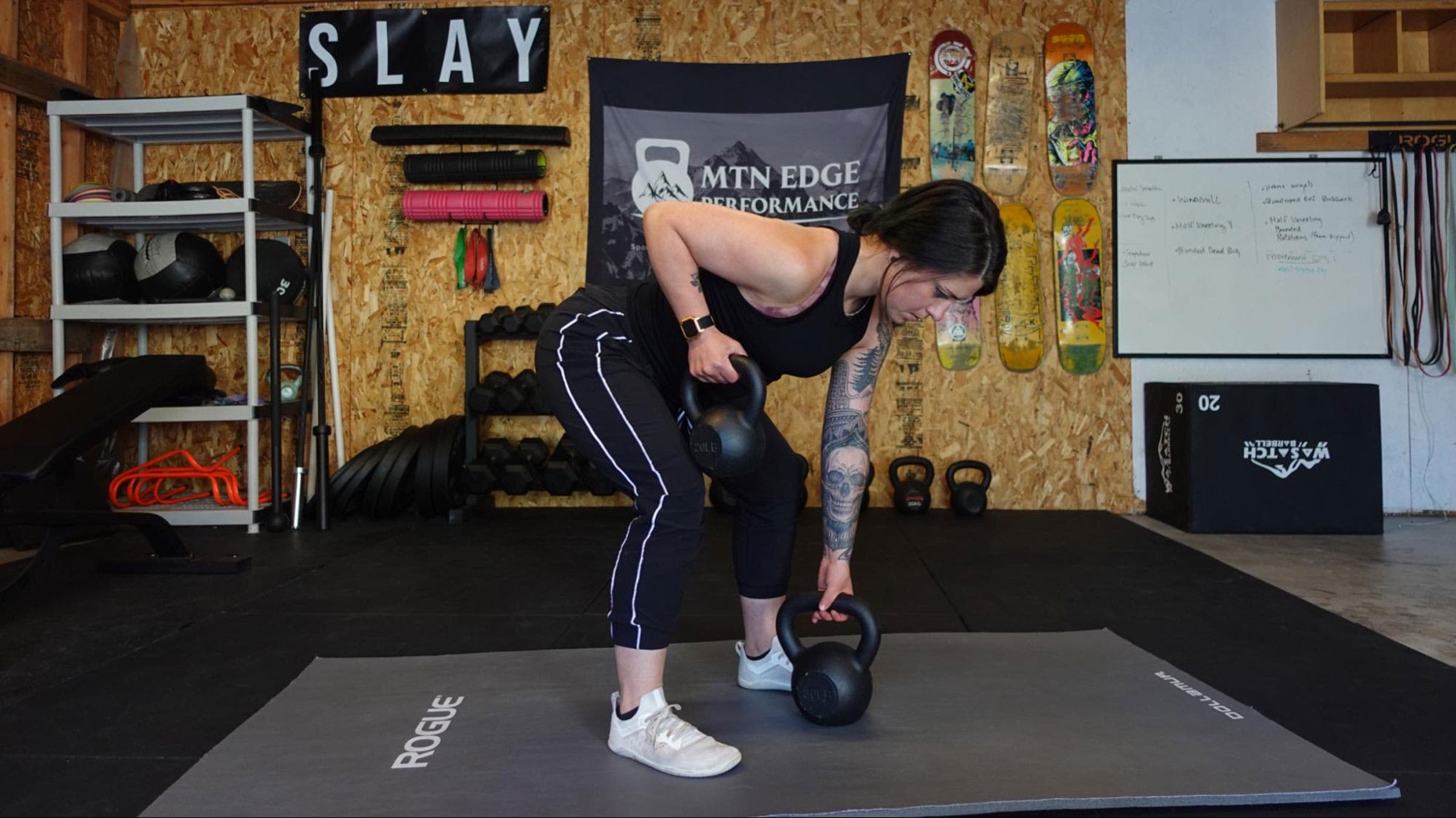
In a wide, athletic stance, the athlete hinges forward until the torso is nearly parallel to the floor, holding a pair of kettlebells. While maintaining a flat back, they row one weight toward the hip while the other remains grounded or held in tension. This movement trains the body to remain stable and powerful while in a hinged position, mirroring the "ready" stance used by high-performance skiers.
4. The Suitcase March: Developing Anti-Lateral Flexion
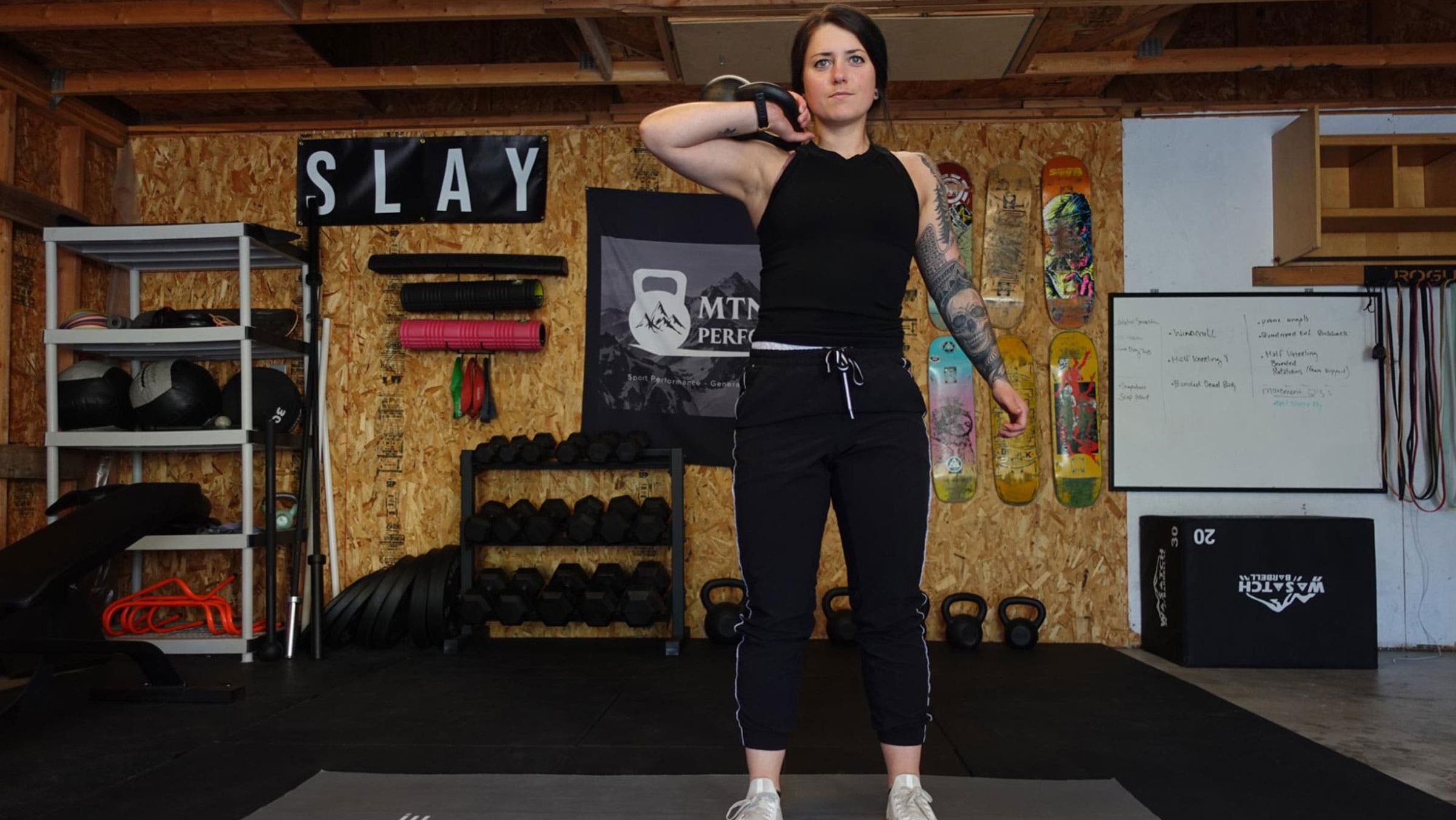
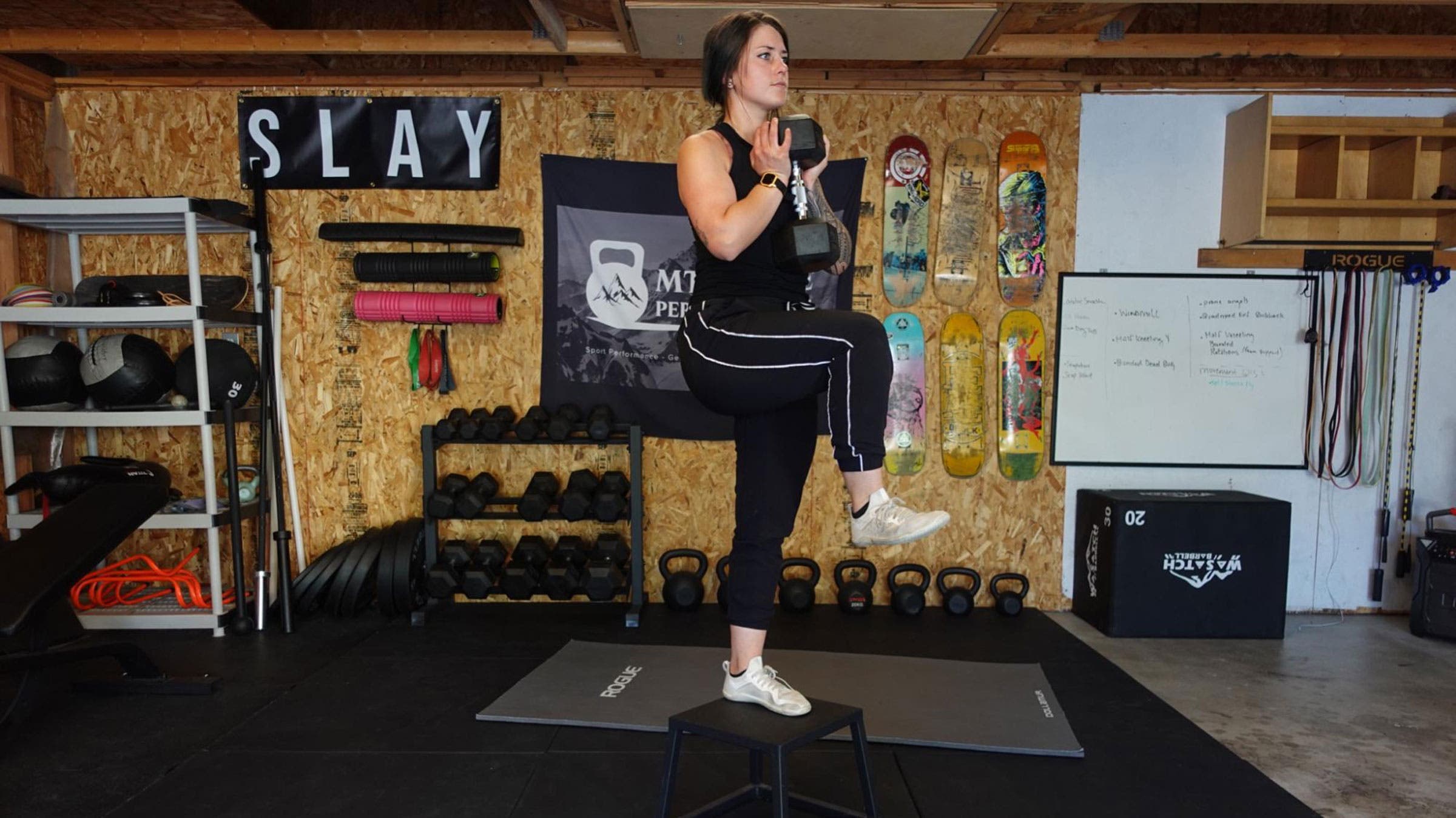
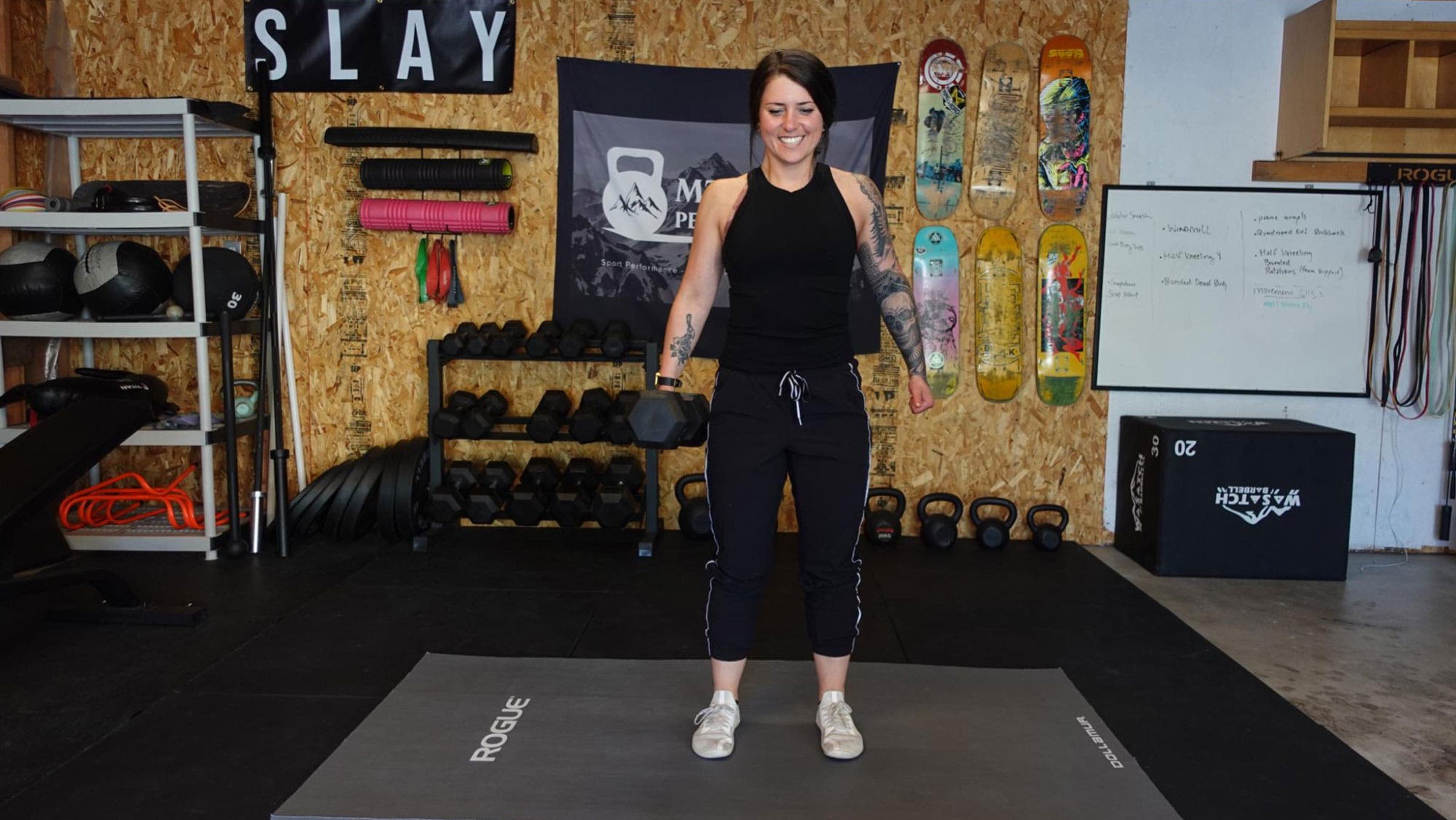
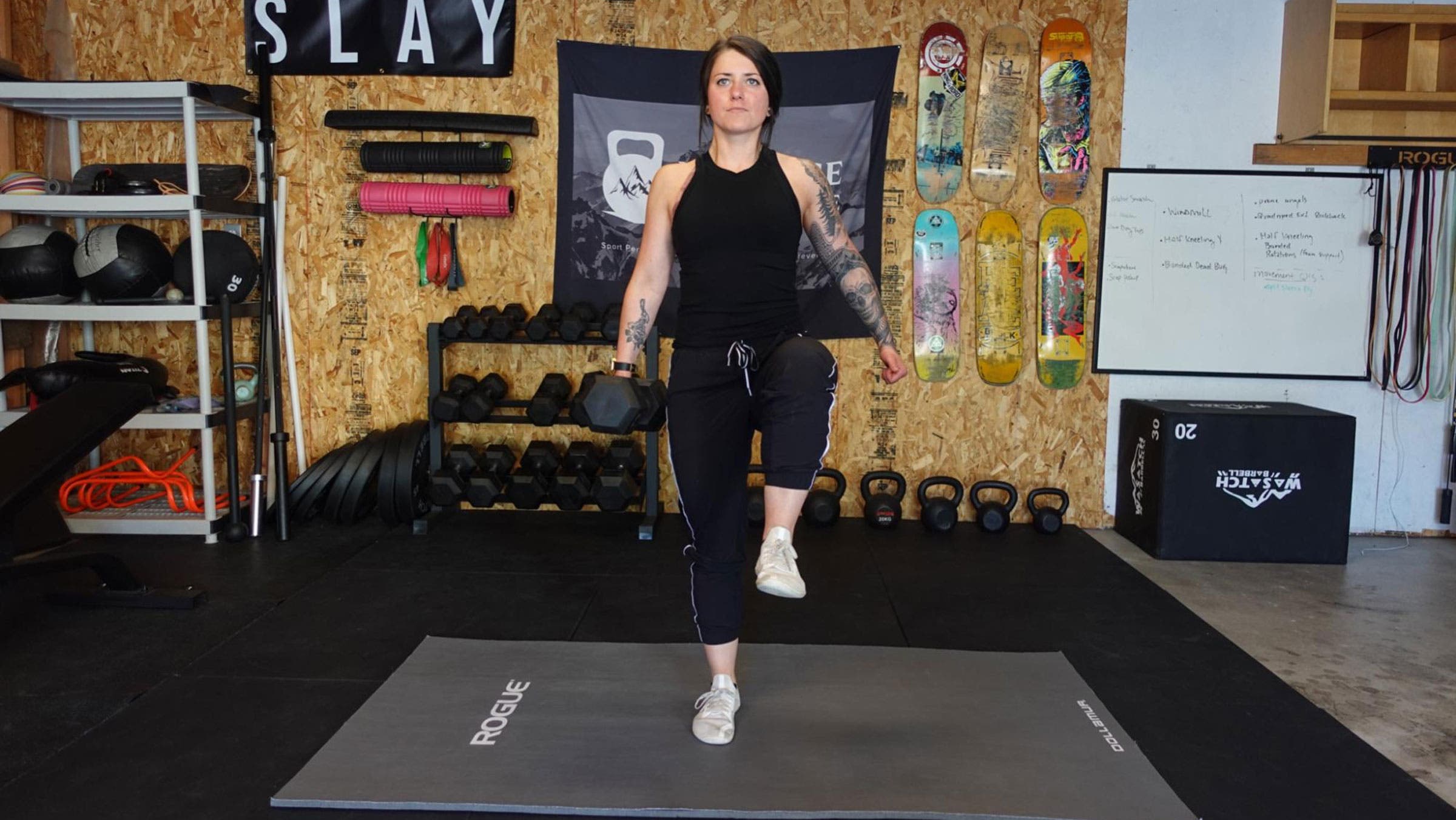
The Suitcase March is a deceptively simple "loaded carry" variation that builds the deep stabilizer muscles of the trunk. By carrying a heavy weight in only one hand while marching in place, the athlete forces the contralateral (opposite side) obliques to work overtime to keep the torso upright.
This exercise is vital for preventing the "breaking" of the waist during high-speed turns. When a skier hits a rut or experiences a sudden change in snow consistency, these stabilizer muscles prevent the upper body from being tossed off-balance. The goal is to maintain a perfectly vertical posture for 30 to 60 seconds per side, resisting the weight’s pull.
5. Plank Pull-Throughs for Dynamic Core Integrity
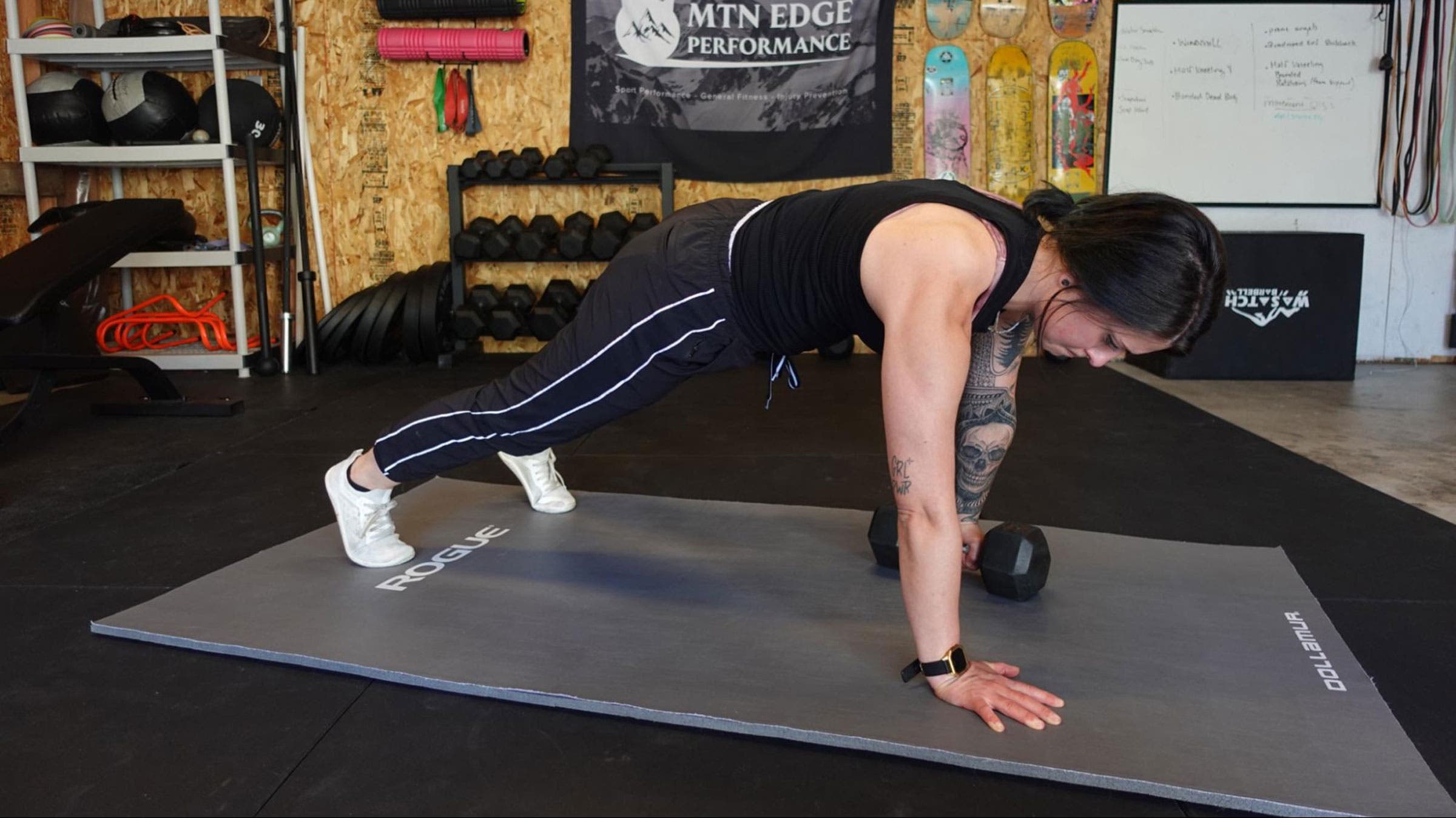
Traditional planks are static, but skiing is dynamic. The Plank Pull-Through adds a movement component to the standard plank, requiring the athlete to maintain a level pelvis while moving a weight from one side of the body to the other.
Starting in a high plank position (on the hands) with a dumbbell placed behind one wrist, the athlete reaches across with the opposite hand to pull the weight through to the other side. This movement challenges the transverse abdominis to resist the rotation of the hips. A stable core allows for better separation between the upper and lower body, a hallmark of advanced skiing technique.
Chronology of an Elite Off-Season Training Cycle
To maximize the benefits of these exercises, sports scientists recommend a periodized approach to training:
- May – July (Hypertrophy and Foundation): Focus on higher repetitions (12-15) with moderate weights to build muscle volume and joint resilience.
- August – September (Maximal Strength): Transition to lower repetitions (5-8) with heavier loads to increase the force-production capabilities of the legs and core.
- October – November (Power and Agility): Incorporate plyometrics (jumping) and high-velocity movements to prepare the nervous system for the explosive nature of the sport.
- December (Maintenance): Shift to a lower-volume program designed to preserve gains without inducing excessive fatigue during the active season.
Statistical Context and Expert Analysis
The shift toward functional off-season training is backed by significant clinical evidence. A study published in the American Journal of Sports Medicine found that athletes who engaged in structured neuromuscular training programs experienced a 50% reduction in the incidence of non-contact ACL injuries. Furthermore, data from the National Ski Areas Association (NSAA) suggests that physical exhaustion is a factor in over 60% of injuries occurring after 2:00 PM.
"The goal of off-season training isn’t just to get ‘stronger’ in a general sense," notes Dr. Elizabeth Myers, a specialist in sports physical therapy. "It’s about building ‘resilience.’ When a skier has the hip stability to keep their knees tracked properly and the core strength to protect their spine, they aren’t just faster—they’re safer. We see far fewer catastrophic knee injuries in athletes who prioritize lateral and rotational strength during the summer months."
Broader Impact on the Skiing Community
The implications of year-round conditioning extend beyond individual performance. From an economic perspective, injuries on the slopes result in millions of dollars in healthcare costs and lost productivity annually. By promoting a culture of fitness within the skiing community, resorts and equipment manufacturers can foster a more sustainable environment for the sport.
As the industry evolves, there is a growing trend toward "mountain-ready" fitness programs offered by ski academies and local gyms. This shift reflects a broader understanding that skiing is an elite athletic endeavor that requires more than just high-end gear; it requires a body capable of meeting the mountain’s demands. For the dedicated skier, the off-season is no longer a time of rest, but a critical window of opportunity to build the foundation for a lifetime of pain-free, high-performance skiing.
