
The adrenaline-fueled world of freestyle motocross (FMX) and street moto has once again been captivated by a dramatic incident involving rider Jason Borosky. In the opening segment of his latest video part, titled "TODAY," Borosky experienced a severe crash that resulted in a broken T8 vertebra. Despite the gravity of the injury, Borosky himself has characterized the event as "the gnarliest and luckiest crash that ill hopefully ever have," a sentiment underscoring the inherent risks and the thin line between disaster and survival in extreme sports. This incident not only highlights Borosky’s daring approach to the sport but also sparks a broader conversation about the evolution of street moto, its parallels with traditional BMX, and the extraordinary resilience of its athletes.
The Incident and Immediate Aftermath
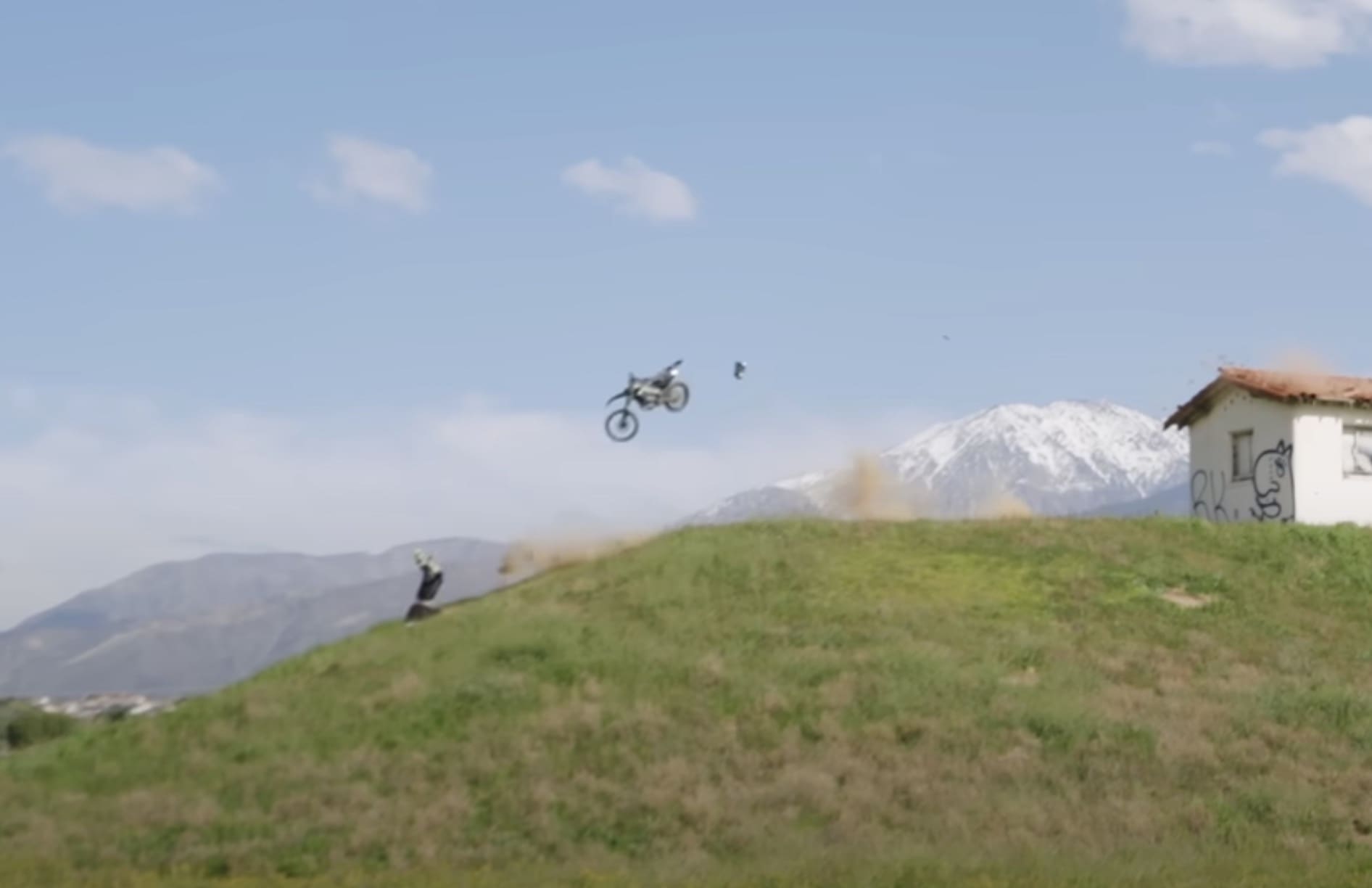
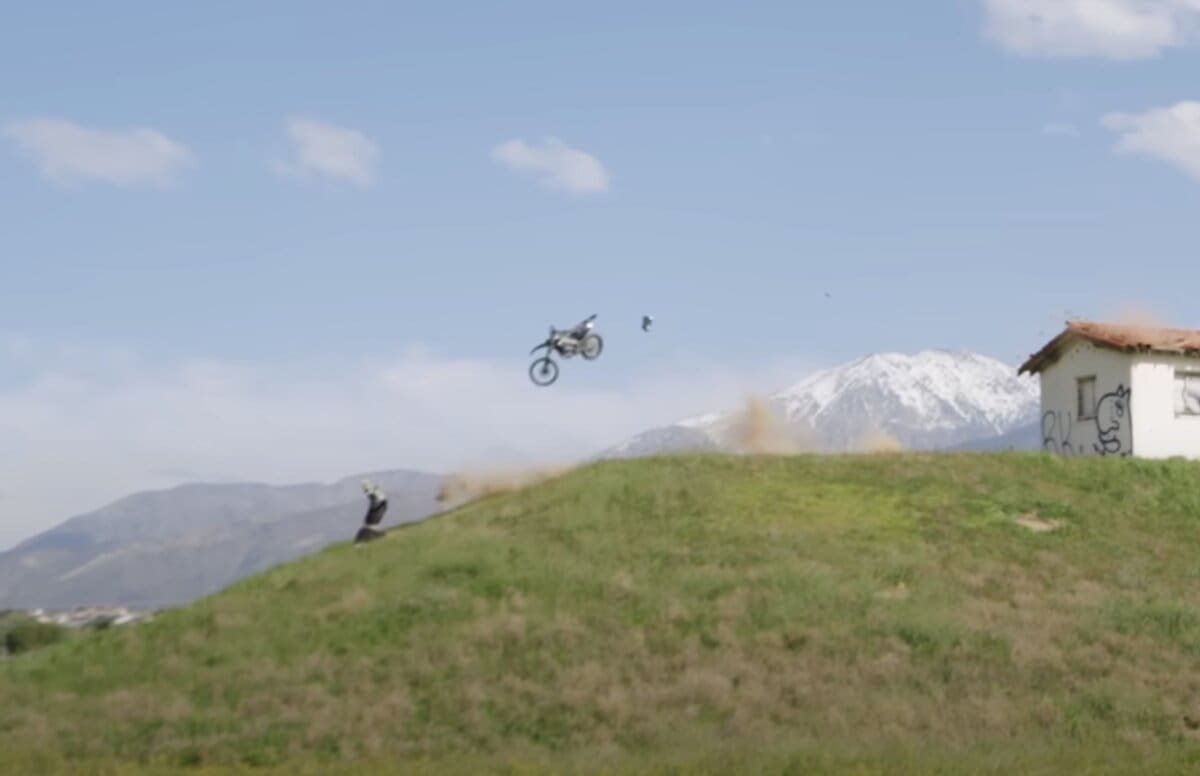
The exact date and location of the crash, while not explicitly detailed in the initial report, occurred during the filming of Borosky’s new video part. The visual evidence, captured in the accompanying screenshot, suggests a high-impact event. The immediate aftermath saw Borosky sustaining a significant spinal injury, specifically a fracture of his T8 vertebra. This type of injury, located in the thoracic region of the spine, can range in severity and impact mobility. However, Borosky’s swift recovery and return to riding, described as "like a maniac," speaks volumes about his dedication and the advanced rehabilitation protocols available to professional athletes.
The phrase "luckiest crash" is particularly telling. In extreme sports, a "gnarly" crash implies a high degree of danger and potential for severe, life-altering consequences. Borosky’s designation of it as "lucky" suggests that despite the broken vertebra, he avoided more catastrophic injuries, such as spinal cord damage, which could have led to paralysis. This highlights the razor-thin margins within which these athletes operate.
The Evolution of Street Moto and its BMX Roots
Borosky’s video part, "TODAY," and the incident within it, serve as a potent illustration of the burgeoning discipline of street moto. This niche within freestyle motocross blurs the lines between traditional FMX, which often takes place in controlled arenas or dirt parks, and the urban exploration inherent in BMX street riding. Borosky’s work aims to translate the creativity, technicality, and urban aesthetic of BMX street riding into the larger-scale world of motorcycles.
The connection is undeniable. BMX street riders navigate urban environments, utilizing stairs, rails, ledges, and other architectural features as their obstacles and ramps. They perform complex tricks requiring immense skill, balance, and timing. Street moto takes this ethos and amplifies it with the power and suspension capabilities of a motorcycle. While the mechanics differ – a motor replaces pedals, and full suspension can absorb impacts far beyond what a BMX bike can – the stylistic inspiration and the fundamental approach to problem-solving within an urban landscape remain strikingly similar.
Borosky’s ability to "dial up the amplitude" while maintaining "style inspo" from BMX is a key aspect of this evolution. He is not merely performing large jumps; he is integrating the nuanced trick vocabulary and the creative use of terrain that has been a hallmark of BMX for decades. This fusion allows for tricks that would be physically impossible on a BMX bike, yet it retains the raw, inventive spirit of its pedal-powered predecessor.
Supporting Data and Risk Management in Extreme Sports
The inherent danger in sports like freestyle motocross and street moto is often quantified by the frequency and severity of injuries. While comprehensive statistical data specifically for street moto is limited due to its niche status, broader FMX statistics offer insight. Professional FMX riders, even in controlled environments, face a significant risk of injuries including fractures, dislocations, concussions, and ligament tears. A broken vertebra, as experienced by Borosky, is among the more serious potential injuries.
The concept of "risk management" in this context is not about avoiding risk entirely, but about mitigating it through rigorous training, advanced equipment, meticulous planning, and a profound understanding of one’s own capabilities and limitations. Athletes like Borosky dedicate years to honing their skills, building physical strength, and developing the mental fortitude required to perform under immense pressure. Their decision-making process during a trick involves a complex calculation of trajectory, speed, angle, and landing surface, all while assessing potential hazards.
The fact that Borosky is "back on his bike riding like a maniac" after such an injury is a testament to several factors:
- Athlete Resilience: The human body’s capacity for healing and adaptation is remarkable, especially when supported by dedicated rehabilitation.
- Advancements in Medical Care: Modern sports medicine offers sophisticated diagnostic tools and therapeutic interventions that accelerate recovery and improve outcomes.
- Psychological Fortitude: Overcoming the fear and trauma associated with a severe crash requires immense mental strength. Borosky’s immediate return to aggressive riding suggests a powerful drive and a belief in his ability to overcome the incident.
- Technological Support: While not explicitly mentioned, the safety gear worn by moto athletes, including helmets, protective vests, and specialized boots, plays a crucial role in minimizing injury severity.
Broader Impact and Future Implications
Jason Borosky’s experience and his subsequent video release have several broader implications for the sport:
- Legitimizing Street Moto: High-profile incidents, even those involving injury, often bring increased attention to a sport. Borosky’s willingness to share his experience, including the crash, demystifies the risks and showcases the dedication required. This can attract new fans and participants, further legitimizing street moto as a distinct and challenging discipline.
- Inspiring the Next Generation: For aspiring riders, seeing athletes like Borosky push boundaries and then recover from significant setbacks can be incredibly inspiring. It reinforces the idea that dedication and resilience can overcome adversity.
- Technological and Safety Innovations: Injuries in extreme sports often serve as catalysts for innovation. The analysis of crashes can lead to improvements in bike design, safety equipment, and training methodologies. For instance, understanding the forces involved in Borosky’s T8 fracture might inform future developments in spinal protection.
- The Symbiotic Relationship Between BMX and Moto: Borosky’s work highlights the ongoing cross-pollination of ideas and techniques between BMX and FMX. As street moto continues to evolve, we can expect to see even more creative exchanges, with riders from both disciplines influencing each other’s progression. This can lead to entirely new trick concepts and riding styles.
- A New Benchmark for Risk and Reward: Borosky’s description of the crash as both "gnarliest" and "luckiest" encapsulates the high-stakes nature of his endeavors. It serves as a stark reminder to the audience that while the rewards—the thrill, the creativity, the spectacle—are immense, the potential costs are equally profound. This narrative adds a layer of depth to the perception of these athletes, portraying them not just as daredevils, but as individuals who meticulously weigh and manage extraordinary risks.
The video "TODAY" itself, and particularly its opening sequence, is a powerful piece of content that goes beyond mere spectacle. It is a narrative of ambition, risk, consequence, and ultimately, recovery. Borosky’s commitment to his craft, evidenced by his return to riding with undiminished intensity, cements his position as a significant figure in the evolving landscape of motorcycle-based extreme sports. His ability to blend the raw, urban spirit of BMX with the power and scale of moto riding promises to push the boundaries of what is considered possible, while simultaneously underscoring the paramount importance of athlete resilience and the ever-present specter of risk.
