
The Austrian Ski Association (ÖSV) has formally announced the appointment of Johannes Zöchling as the new head coach for its formidable women’s alpine ski team, a move confirmed by the federation this week. Zöchling, a seasoned figure within the national skiing ecosystem, is slated to officially commence his duties on May 1, 2026, succeeding the long-serving Roland Assinger. This leadership transition marks a pivotal moment for the ÖSV, signalling a renewed strategic focus on reclaiming consistent top-tier performance on the highly competitive FIS World Cup circuit and at major international championships. The decision underscores the federation’s commitment to nurturing talent and achieving sustained excellence in a sport deeply embedded in Austria’s national identity.
The appointment of the 46-year-old Zöchling is not merely a change in personnel but a calculated strategic manoeuvre. His extensive experience, accumulated over more than 14 years within various capacities at the ÖSV, positions him as a deeply knowledgeable insider. During his tenure, Zöchling has traversed multiple echelons of athlete development, from grassroots programmes to high-performance squads, cultivating a robust reputation for identifying, developing, and ultimately fostering high-performing skiers. This profound understanding of the Austrian system, its unique challenges, and its inherent strengths, is expected to provide a seamless yet invigorating transition for the women’s team. His track record suggests a coach who understands the intricate balance between technical mastery, physical conditioning, and the psychological fortitude required to excel at the elite level of alpine racing.
A Blend of Domestic Expertise and International Acumen
One of the most compelling aspects of Zöchling’s profile is his recent international engagement. Prior to this appointment, he served as a coach for the highly regarded Norwegian women’s technical team. This experience abroad is particularly noteworthy, as it injects a valuable international perspective into his coaching philosophy. Norway, a nation renowned for its systematic approach to sports science and its consistent production of top-tier alpine talent, especially in technical disciplines, would have exposed Zöchling to alternative training methodologies, innovative tactical approaches, and different team dynamics. The integration of these fresh insights with his deep-rooted understanding of Austrian skiing culture is anticipated to bring a hybrid approach that could prove transformative for the ÖSV women’s squad. This blend of domestic wisdom and external innovation is precisely what ÖSV leadership believes is necessary to propel the team forward in an increasingly competitive global landscape.
The timing of this announcement, almost a year before Zöchling formally takes the reins, allows for a comprehensive handover period and strategic planning. Roland Assinger, whose tenure has been marked by dedication and significant contributions, will oversee the team through the remainder of the current season and into the initial post-season evaluation. While Assinger’s time as head coach has seen its share of successes and challenges, the ÖSV leadership often seeks new impetus and fresh perspectives to maintain competitive edge, especially as teams navigate the cycles between Olympic Games and World Championships. The decision to make this change now provides clarity for athletes and staff, enabling them to prepare mentally and physically for the upcoming shift in leadership.
The ÖSV’s Illustrious Heritage and Current Imperatives
Austria holds an unparalleled position in the annals of alpine skiing, a sport that transcends mere athletics to become a fundamental part of the nation’s cultural fabric. The ÖSV, as the governing body, carries the immense responsibility of upholding this legacy. Historically, Austrian women’s alpine skiing has produced legends such as Annemarie Moser-Pröll, Petra Kronberger, and Renate Götschl, who dominated their respective eras and set benchmarks for excellence. The expectations placed on the current generation of athletes and their coaching staff are therefore immense, fueled by a passionate fan base and a rich tradition of success.
In recent seasons, while the Austrian women’s team has remained a strong contender on the World Cup circuit, securing numerous podium finishes and individual race victories, there has been a perceived desire within the federation to elevate the team’s overall consistency and dominance across all disciplines. Competing against powerhouses like the United States, Switzerland, Italy, and indeed, Norway, demands continuous evolution and adaptation. The World Cup circuit is a relentless proving ground, where marginal gains can mean the difference between victory and falling off the podium. The goal under Zöchling’s leadership is not just to win races, but to consistently challenge for the overall crystal globes and to deliver medal-winning performances at every major championship. This requires a comprehensive strategy encompassing athlete development, injury prevention, technological advancements, and a finely tuned competitive psychology.
Endorsement from ÖSV Leadership and Strategic Alignment
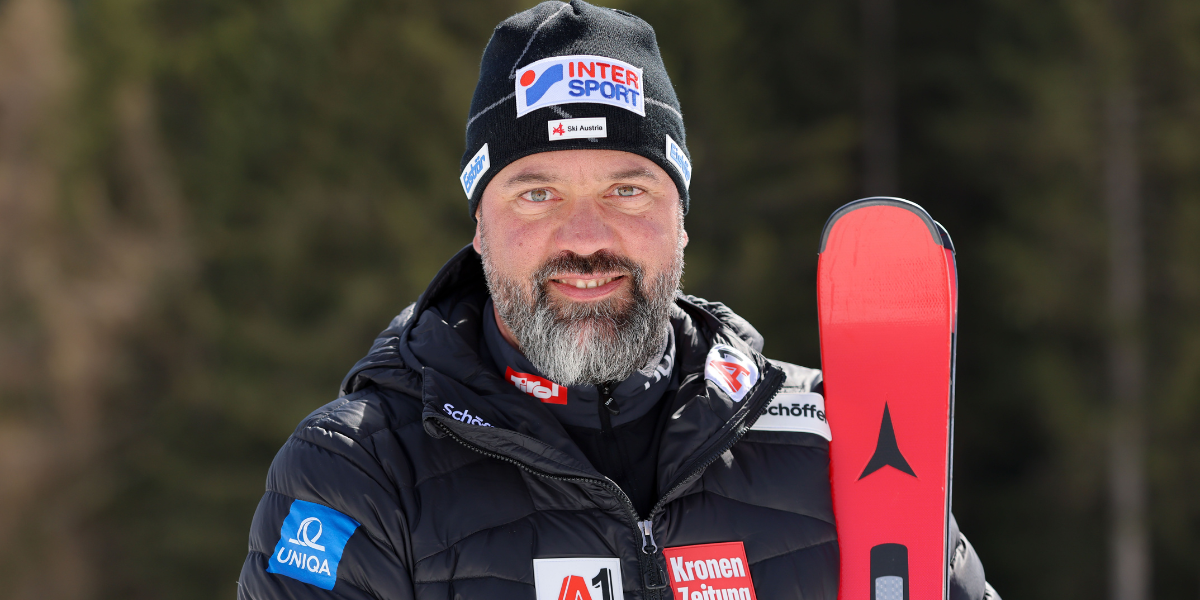
Mario Stecher, the Sports Director of the ÖSV, articulated the federation’s strong confidence in Zöchling’s appointment. "With Johannes Zöchling, we have gained a coach who has proven over many years that he can successfully develop female athletes," Stecher stated. This endorsement from Stecher, a decorated former Nordic Combined athlete himself, carries significant weight. Stecher’s own transition from elite athlete to high-level sports administrator provides him with a unique perspective on the demands and intricacies of top-tier sports management. His faith in Zöchling is rooted in the new coach’s tangible track record and his deep understanding of the athlete pathway within the Austrian system.
The ÖSV’s decision aligns with a broader strategic objective to ensure the long-term competitiveness of its alpine programmes. The federation is constantly evaluating its structures, methodologies, and personnel to stay ahead in a sport that is continuously evolving in terms of equipment, training science, and competitive strategies. Zöchling’s appointment is viewed as a key component of this ongoing evolution, a deliberate step towards harnessing proven domestic expertise while integrating the benefits of international exposure. The hope is that his leadership will not only elevate the performance of established athletes but also accelerate the development of emerging talents, creating a sustainable pipeline of champions for years to come.
A Critical Juncture for Austrian Women’s Skiing
Johannes Zöchling assumes his role at what is undeniably a critical juncture for the Austrian women’s team. The pursuit of consistent podium contention on the World Cup circuit is an ongoing challenge, requiring meticulous planning, unwavering dedication, and a clear vision. The blend of Zöchling’s extensive domestic experience and his valuable international coaching exposure is expected to be instrumental in shaping the team’s future direction, both tactically and culturally. His mandate will likely extend beyond immediate results to include fostering a resilient team spirit, optimizing individual athlete performance across different disciplines, and potentially refining the talent identification and development pathways within the ÖSV.
The current landscape of women’s alpine skiing is characterized by exceptional individual talents such as Mikaela Shiffrin, Lara Gut-Behrami, Federica Brignone, and Petra Vlhova, among others. For the Austrian team to consistently challenge these athletes and reclaim overall dominance, Zöchling will need to implement strategies that enhance technical precision, improve mental toughness, and ensure peak physical conditioning. This will involve a holistic approach, working closely with sports scientists, physiotherapists, and mental coaches to create an optimal high-performance environment. The emphasis will be on developing athletes who can excel across the full spectrum of alpine disciplines, from the explosive speed events of Downhill and Super-G to the technical demands of Giant Slalom and Slalom.
What Lies Ahead: Building the Future
As Zöchling prepares to transition into his new role, the coming weeks and months will be crucial for laying the groundwork for the 2026/2027 season and beyond. Further announcements are anticipated regarding the precise structure of the coaching staff, including the appointment of assistant coaches, technical specialists, and support personnel. These decisions will reflect Zöchling’s vision for the team and his strategy for optimizing its performance. Additionally, details about preseason preparation, including training camp locations, intensity, and specific focus areas, will emerge. These early strategic choices will set the tone for Zöchling’s tenure and provide the first tangible indications of his operational philosophy.
The Austrian alpine skiing community, from athletes and support staff to passionate fans and media, will be keenly observing Zöchling’s initial steps. The challenge is significant, but the potential for renewal and sustained success is equally compelling. Zöchling’s deep understanding of Austrian skiing, combined with fresh perspectives from his international experience, positions him as a leader capable of guiding the women’s team through its next chapter, aiming to re-establish Austria at the absolute pinnacle of global alpine skiing. His appointment represents more than just a coaching change; it embodies the ÖSV’s enduring ambition and its proactive approach to ensuring the continued prosperity of its cherished national sport.
Source: ORF Sport; skinews.ch; Austrian Ski Association (ÖSV)
