
On Wednesday, April 1st, a scene unfolded on Interstate 78 East in Union Township, New Jersey, that drew the attention of state troopers and, subsequently, the public. Troopers from Troop B, Perryville Station, responded to a call regarding a solitary black bear cub found in a roadside ditch near milepost 12.2. The discovery of such a young wild animal in a highly trafficked area presented an immediate concern for its safety and well-being.
An Unusual Call for State Police
The initial report indicated a lone cub, a creature typically found in the company of its mother, was stranded in a precarious location. State Police received the call and dispatched officers to assess the situation. Upon their arrival, the troopers confirmed the presence of the young bear, which appeared to be alone and in need of intervention. The cub’s presence so close to a major highway, with its inherent dangers from vehicular traffic and potential human interaction, necessitated a prompt and careful response.
The Rescue Operation
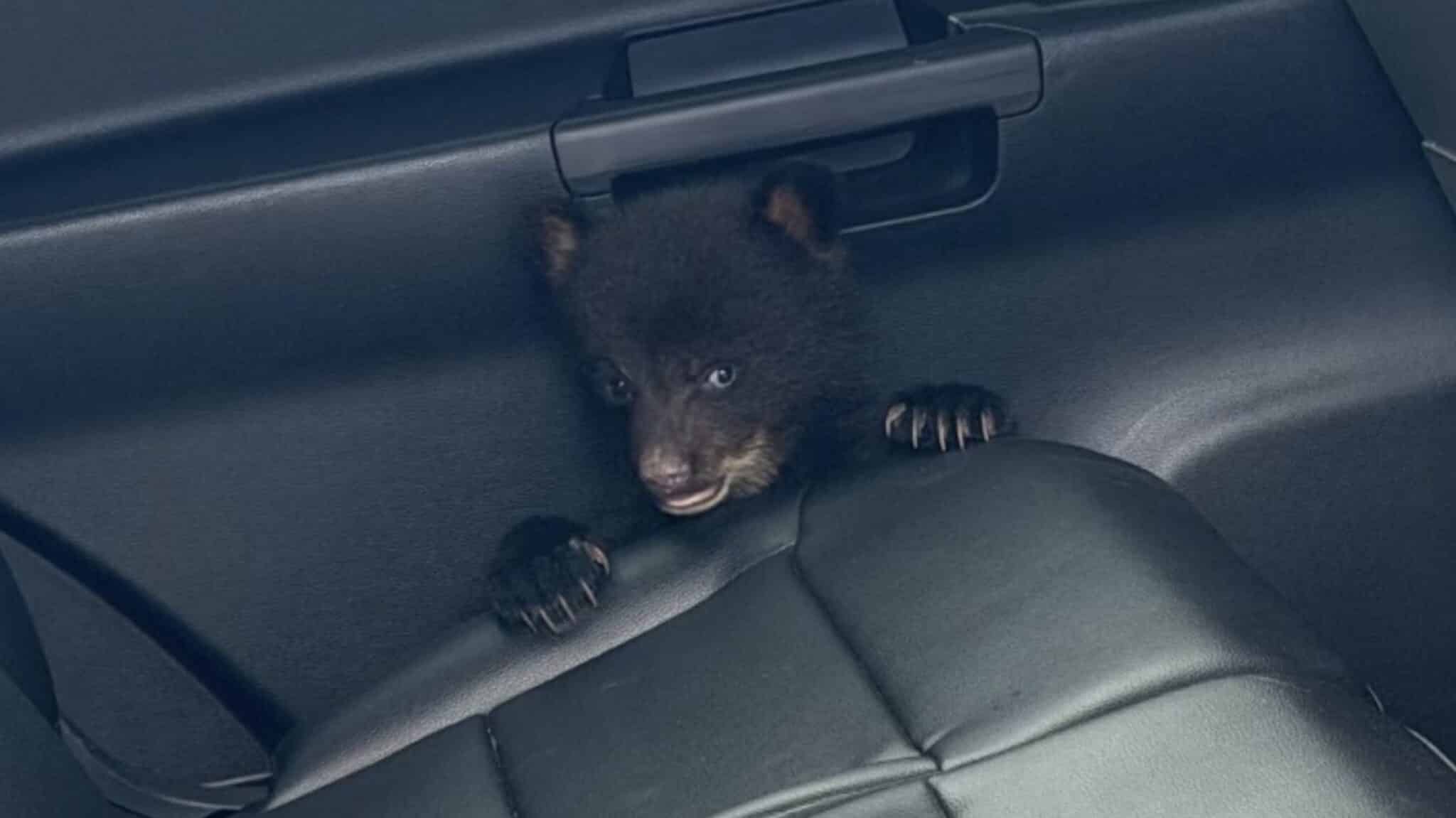
The troopers acted with a measured approach to ensure the safety of both themselves and the cub. They were able to safely secure the distressed animal. The exact circumstances leading to the cub’s separation from its mother remain unclear, but its solitary status in such an exposed environment suggested it was vulnerable. Following its apprehension, the cub was transported back to the State Police barracks. This temporary relocation provided a secure environment while arrangements were made for its long-term care and assessment.
Transition to Wildlife Authorities
Ultimately, the rescued bear cub was transferred to the custody of the New Jersey Department of Environmental Protection (DEP). This agency is equipped with the expertise and resources necessary for the rehabilitation and care of displaced or injured wildlife. The DEP’s involvement ensures that the cub will receive appropriate veterinary attention, nutrition, and eventual reintroduction into a suitable habitat if possible. The collaboration between law enforcement and environmental agencies highlights a coordinated effort to protect the state’s wildlife population.
Body Cam Footage Captures the Rescue
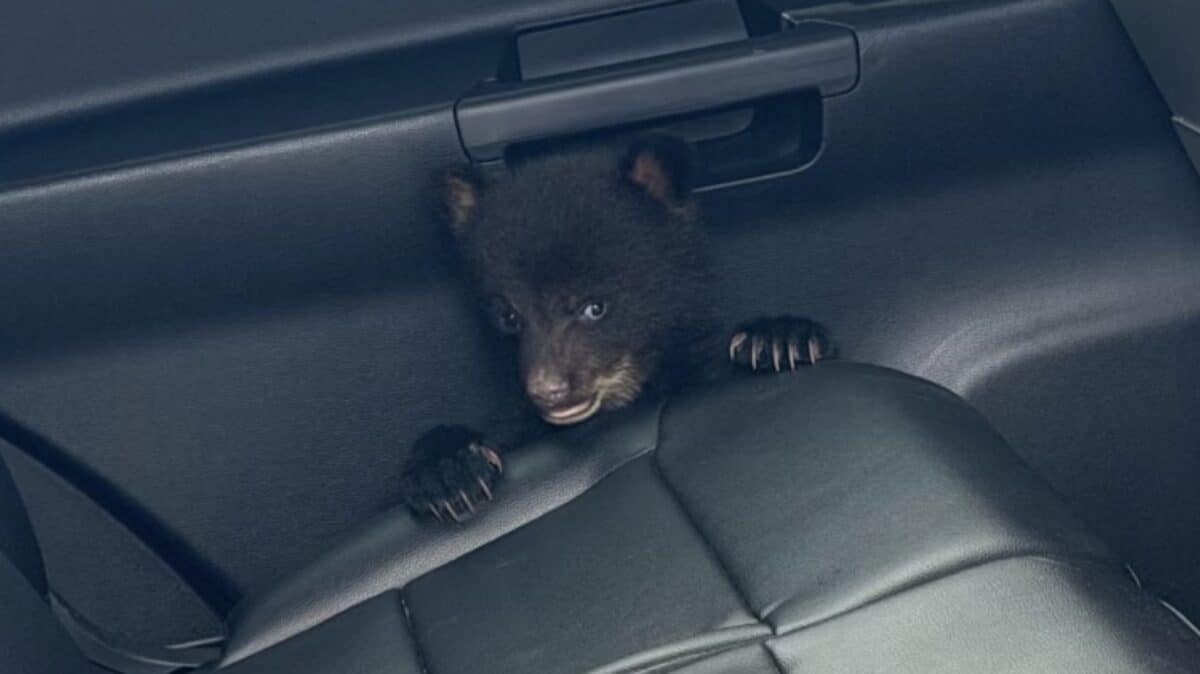
The New Jersey State Police later released body camera footage documenting the rescue operation. The video offered a candid glimpse into the encounter, capturing the cub’s somewhat reluctant acceptance of assistance. While the footage showcased the troopers’ professional and compassionate handling of the situation, it also revealed the cub’s instinctual, albeit mild, resistance to being handled. This element of the footage resonated with viewers, underscoring the wild nature of the animal even in its vulnerable state. The release of this video aimed to inform the public about the incident and acknowledge the efforts of the responding officers.
The Significance of a Lone Cub
The presence of a lone black bear cub raises questions about its origins and the reasons for its separation from its mother. Black bear cubs typically stay with their mothers for approximately 18 months to two years, learning essential survival skills. Separation can occur due to various factors, including the death of the mother, abandonment, or human interference. In this instance, the cub’s location on the highway embankment suggests it may have become disoriented or separated during a foraging trip or while attempting to navigate the landscape. The New Jersey Division of Fish and Wildlife notes that bear populations have been steadily increasing in the state, leading to more frequent encounters between humans and bears, particularly in areas adjacent to their natural habitats. According to data from the DEP, bear sightings have been on the rise across several counties, necessitating increased awareness and education for residents.
Broader Implications for Wildlife Management
This incident serves as a reminder of the growing proximity between human development and wildlife habitats in New Jersey. As bear populations expand and adapt to changing landscapes, encounters like this are likely to become more common. Effective wildlife management strategies are crucial to ensure the safety of both the public and the animals. This includes public education on how to coexist with bears, such as proper food storage, waste management, and maintaining a safe distance from wildlife. The DEP plays a vital role in monitoring bear populations, conducting research, and implementing conservation efforts. Their work, in conjunction with agencies like the State Police, is essential for mitigating potential conflicts and promoting the long-term health of New Jersey’s wildlife.
Public Reaction and Appreciation
The story of the rescued bear cub garnered positive attention, with many commending the troopers for their dedication and humane approach. The release of the body camera footage allowed the public to witness the rescue firsthand, fostering a sense of connection and appreciation for the officers’ work. Social media platforms and local news outlets highlighted the heartwarming nature of the event, emphasizing the importance of wildlife conservation and the role of law enforcement in protecting vulnerable animals. The quick and effective response by the State Troopers underscores their commitment to serving the community in all capacities, including those that involve the welfare of the natural world.
The Role of the Department of Environmental Protection
The New Jersey Department of Environmental Protection is the primary agency responsible for managing and protecting the state’s natural resources, including its diverse wildlife. Their wildlife biologists and rehabilitation specialists are trained to handle a wide range of animals, from small birds to larger mammals like black bears. When an animal is rescued, the DEP assesses its condition, provides necessary medical treatment, and determines the best course of action for its recovery and potential return to the wild. For young animals like the cub found on I-78, this often involves ensuring they are physically able to survive on their own or, if necessary, providing care until they reach an age where they can be released. The DEP also works on long-term strategies to minimize human-wildlife conflict and promote the ecological health of the state.
Analyzing the Event’s Context
The April 1st discovery occurred during a period when black bear activity typically increases as the weather warms and bears emerge from their dens. This seasonal shift often leads to increased foraging and, consequently, a greater likelihood of encounters with human environments. New Jersey’s landscape, with its mix of suburban development, agricultural areas, and forested regions, provides habitat for black bears. The state has seen a notable resurgence in its bear population over the past few decades, with bears now inhabiting areas that were once considered outside their historical range. This demographic shift necessitates ongoing adaptation from both wildlife management agencies and the public.
Future Considerations for Wildlife Coexistence
The incident on I-78 highlights the ongoing challenge of balancing human needs with the preservation of wildlife. As New Jersey’s human population continues to grow and develop, the interfaces between human and animal habitats become more pronounced. Proactive measures, such as maintaining wildlife corridors, implementing stricter land-use planning that considers animal movement, and continuing public education campaigns, are essential. The success of such initiatives relies on the collaboration of various state agencies, local communities, and concerned citizens. The well-being of individual animals like the rescued cub is a microcosm of the larger effort to ensure a healthy and sustainable environment for all inhabitants of New Jersey.
The successful rescue of the black bear cub from the perilous environment of Interstate 78 is a testament to the vigilance and dedication of the New Jersey State Police. It also underscores the critical role of the Department of Environmental Protection in ensuring the proper care and management of the state’s valuable wildlife resources. This event serves as a poignant reminder of the interconnectedness of human and natural worlds and the shared responsibility to protect the delicate balance of our ecosystem. The future of wildlife in New Jersey, much like the future of the young cub, depends on continued efforts toward informed coexistence and conservation.
