
Matt Georges, a name synonymous with innovation in winter sports photography, has spent over two decades crafting a distinct visual language that transcends mere documentation. His work, instantly recognizable yet wildly varied, stands as a testament to a relentless desire for experimentation, blending a rich French photographic tradition with the dynamic, free-spirited culture of snowboarding. From the chemical processes of Louis Daguerre in the 1830s to the modern digital age, Georges has consistently pushed boundaries, employing diverse photographic and processing techniques not as an end in themselves, but as a profound means of creating a mood that often conveys more about a moment than a faithful photographic recreation ever could.
A French Legacy: Roots in Experimental Photography
Georges’ artistic lineage can be traced back to a formidable French tradition of experimental photography. While Louis Daguerre’s pioneering work with Daguerreotypes laid the groundwork for photographic realism, subsequent generations of French artists embraced photography as a medium for artistic expression and conceptual exploration. This heritage of challenging conventions, visible in movements from pictorialism to avant-garde practices, resonates deeply in Georges’ approach. He views the camera not just as a recording device, but as an instrument for interpretation, a philosophy cultivated early in life.
His formative years in Saint-Hilaire-du-Touvet, a modest ski resort near Grenoble, were pivotal. "I grew up in a small ski resort near Grenoble called Saint-Hilaire-du-Touvet—just four T-bars and a €5 day pass," Georges recounts, painting a picture of humble beginnings deeply rooted in mountain culture. It was here, as a teenager, that his parents gifted him his first film camera, sparking a lifelong passion. This early exposure to both the raw beauty of the mountains and the burgeoning snowboard scene instilled in him an appreciation for the sport’s visual appeal and its accompanying counter-culture. The late 1990s and early 2000s, when Georges was coming of age, represented a critical juncture for both snowboarding and photography, as analogue dominance began to yield to the digital revolution. This period of transition profoundly shaped his omnivorous artistic tastes, compelling him to master both traditional darkroom techniques and cutting-edge digital workflows.
From Graphic Design to Senior Photographer: A Career Trajectory
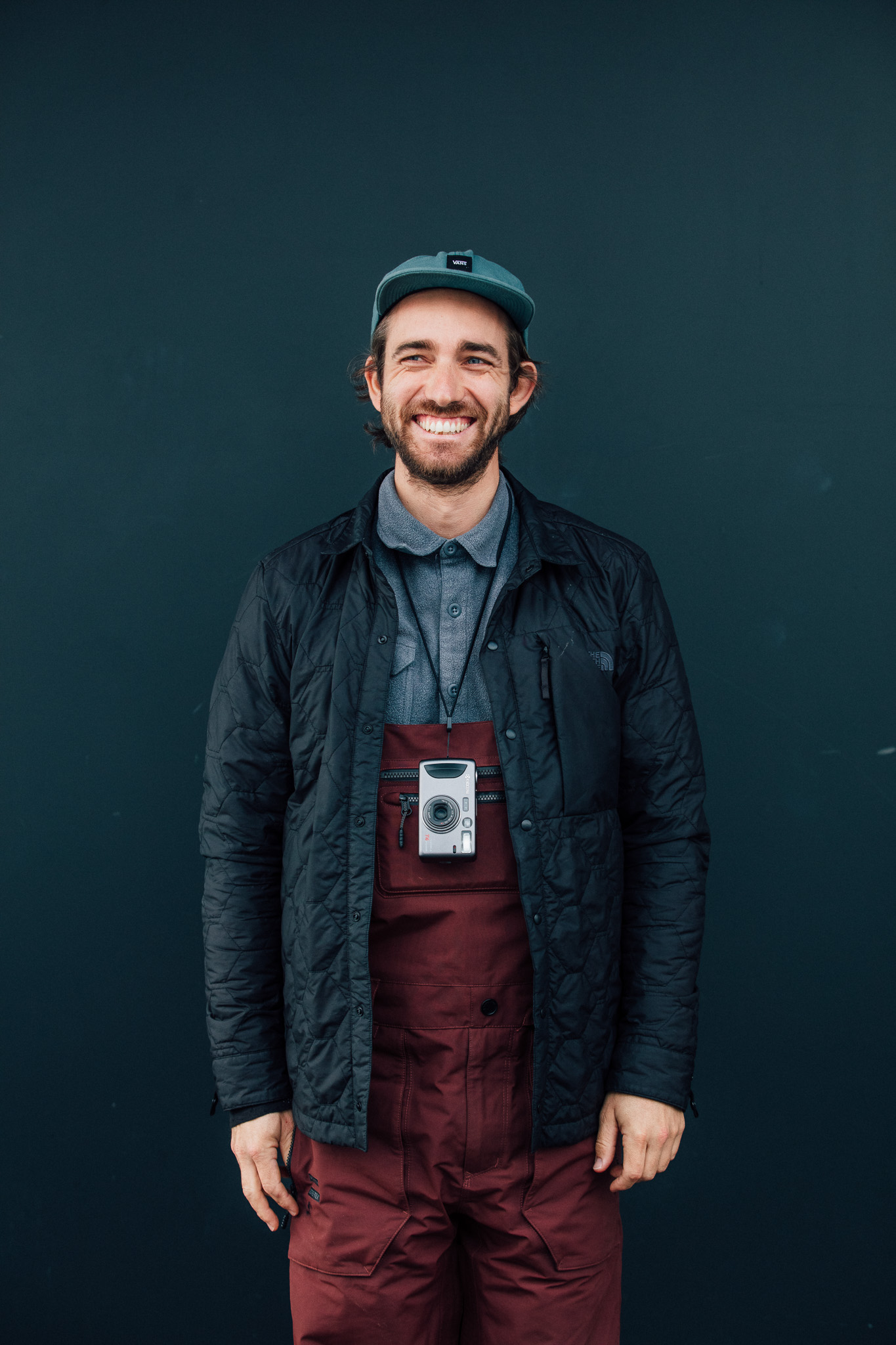
Georges’ professional journey reflects a strategic blend of creative roles that further honed his photographic eye. His stints as a graphic designer at the influential snowboard magazine Method provided invaluable insights into visual composition, layout, and the narrative power of imagery. Method, known for its edgy aesthetic and deep connection to core snowboarding, allowed Georges to understand how images function within a larger editorial context. This experience was followed by a significant tenure as a senior photographer at the pan-European magazine Onboard. Though Onboard has since ceased publication, in its time it was a cornerstone of European snowboard media, offering a broad platform for Georges to develop his unique style and travel extensively, capturing the sport’s most iconic athletes and breathtaking landscapes.
These editorial roles were crucial in establishing his reputation, allowing him to cultivate relationships with riders and industry figures, and to understand the demanding pace of professional action sports photography. Now 41, Matt Georges has transitioned from these editorial pillars to spearhead his own multimedia creative studio, Club Sandwich, based in Montpellier, where he resides with his wife and three daughters. Despite the demands of running a business and family life, he continues to embark on expeditions and shoots regularly, maintaining his connection to the mountains and the sport that defined his early career.
The Art of Experimentation: Blending Analogue and Digital Realms
Georges’ distinguishing characteristic is his unwavering commitment to experimentation, a trait that sets him apart in a field often dominated by technical perfection. He is equally at home developing film in a darkroom as he is manipulating pixels in front of a screen, testament to his mastery of diverse techniques. His repertoire includes embracing the unpredictable "light bleed" on vintage Hasselblad film, which can create ethereal and painterly effects, to the tactile process of skimming ink off Polaroids for a distorted, abstract quality. These methods are not mere stylistic quirks; they are deliberate choices aimed at evoking a specific mood or emotional resonance that a pristine, digitally perfect image might miss.
This philosophical approach to photography challenges the traditional notion of the camera as an objective recorder. Georges leverages the imperfections and unique characteristics of different mediums to tell a more nuanced story. For instance, the soft, organic grain of film often imbues his images with a timeless quality, while the inherent unpredictability of analogue processes ensures that each shot carries a unique signature. In an era where digital cameras offer unparalleled precision and instant gratification, Georges’ dedication to analogue processes, and his inventive manipulation of them, serves as a powerful reminder of photography’s artistic potential beyond mere capture. His work begs the question: what story does the medium itself tell, alongside the subject?
Beyond the Action: Capturing Mood and Narrative
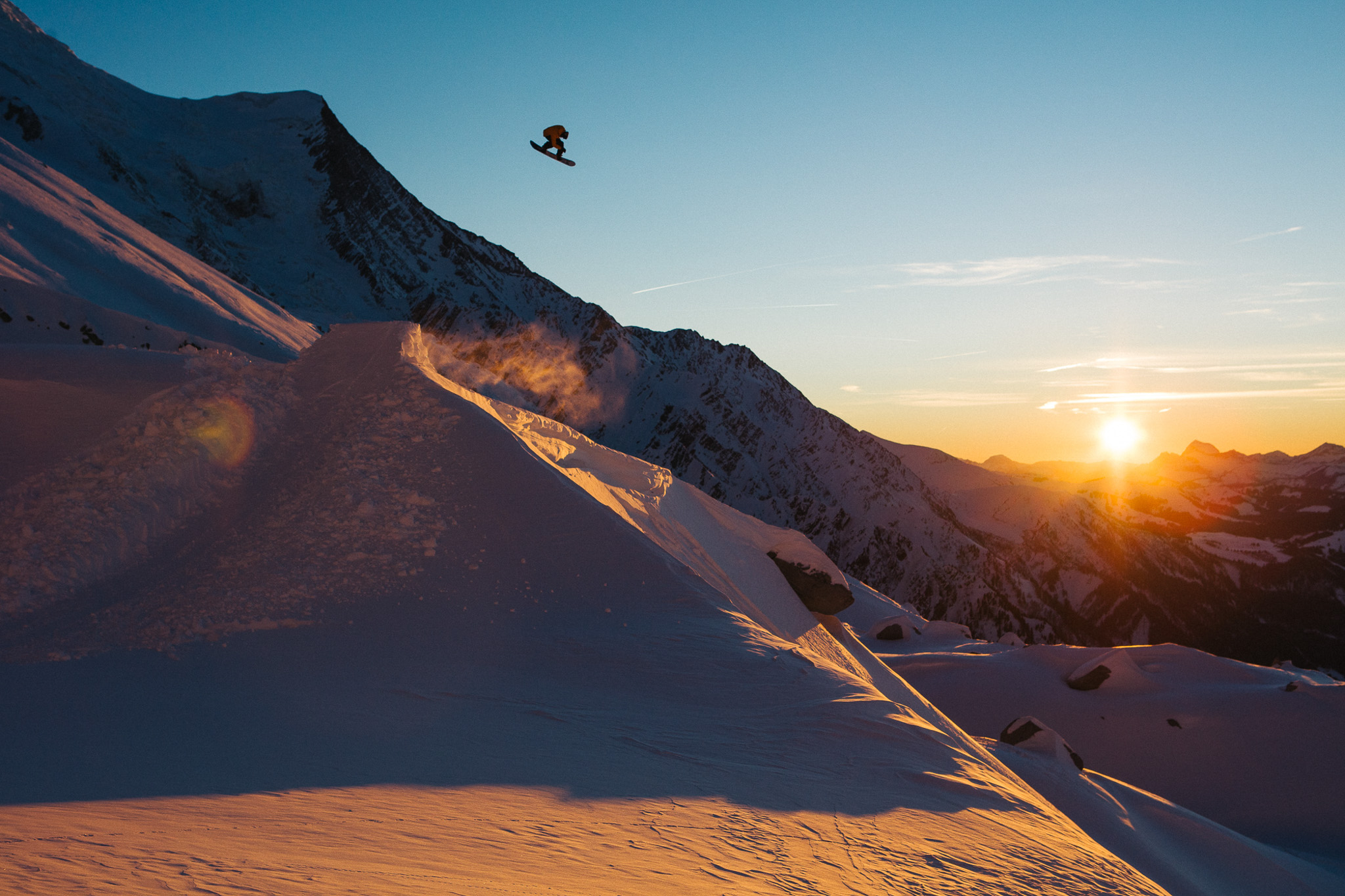
While much of action sports photography focuses on peak performance and dynamic action, Georges often finds profound narratives in the quieter, more atmospheric moments. His caption for "HOME RUN," featuring Arthur Longo, illustrates this perfectly. Despite Longo’s nonchalant "just a quick ollie," Georges’ instinct to keep shooting, knowing the rider’s caliber, resulted in a powerful image. This anecdote highlights his ability to anticipate, but also his understanding that the true essence of a moment often lies beyond the explicit action, in the raw energy and unspoken communication between athlete and environment.
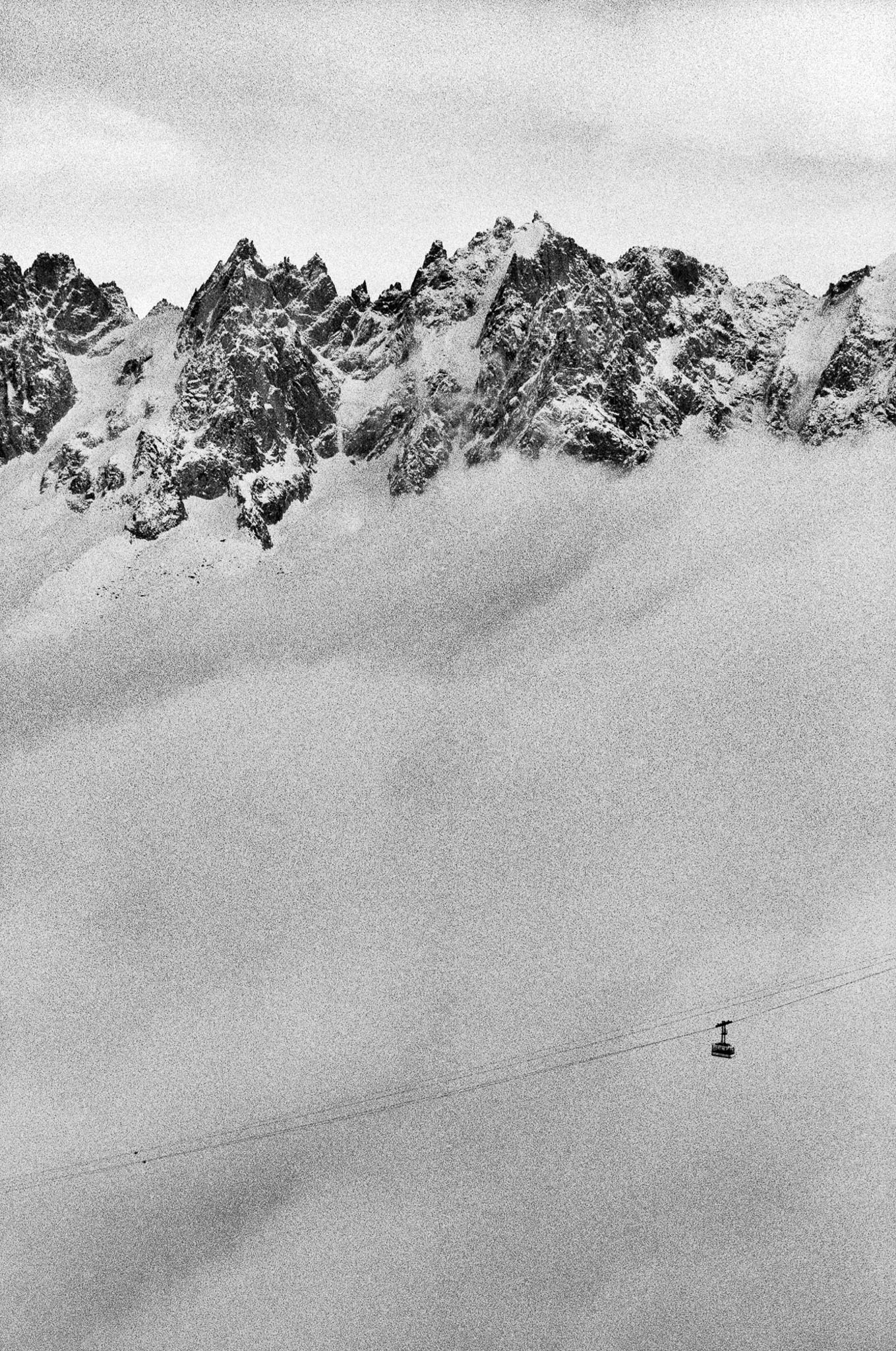
Similarly, his "FLOATING ON AIR" shot from Chamonix, captured on a cloudy day with a Nikon FM2 and TMax 400 film, exemplifies his philosophy that challenging conditions often yield the most compelling results. "You never really know what to expect with this kind of weather, but I’ve been shooting for almost 20 years now, and in my experience it’s always these days where you get some of the best stuff," he notes. This statement encapsulates his proactive approach to adverse conditions, turning potential setbacks into opportunities for unique visual narratives. The black and white film choice further abstracts the scene, emphasizing texture and form over color, creating a dramatic, almost painterly effect that enhances the sense of floating.
Challenges and Realities of a Snowboard Photographer
The life of a professional winter sports photographer, while often romanticized, is fraught with significant challenges, a reality Georges candidly acknowledges. "It really is the best job in the world, but so much depends on who you’re traveling with and who the client is," he states, underscoring the human element and the variable dynamics of team expeditions. Stress can mount rapidly due to unpredictable weather, suboptimal snow conditions, or interpersonal friction within a crew. Logistical hurdles in remote mountain environments, from equipment transportation to safety protocols, add layers of complexity often unseen by the public.
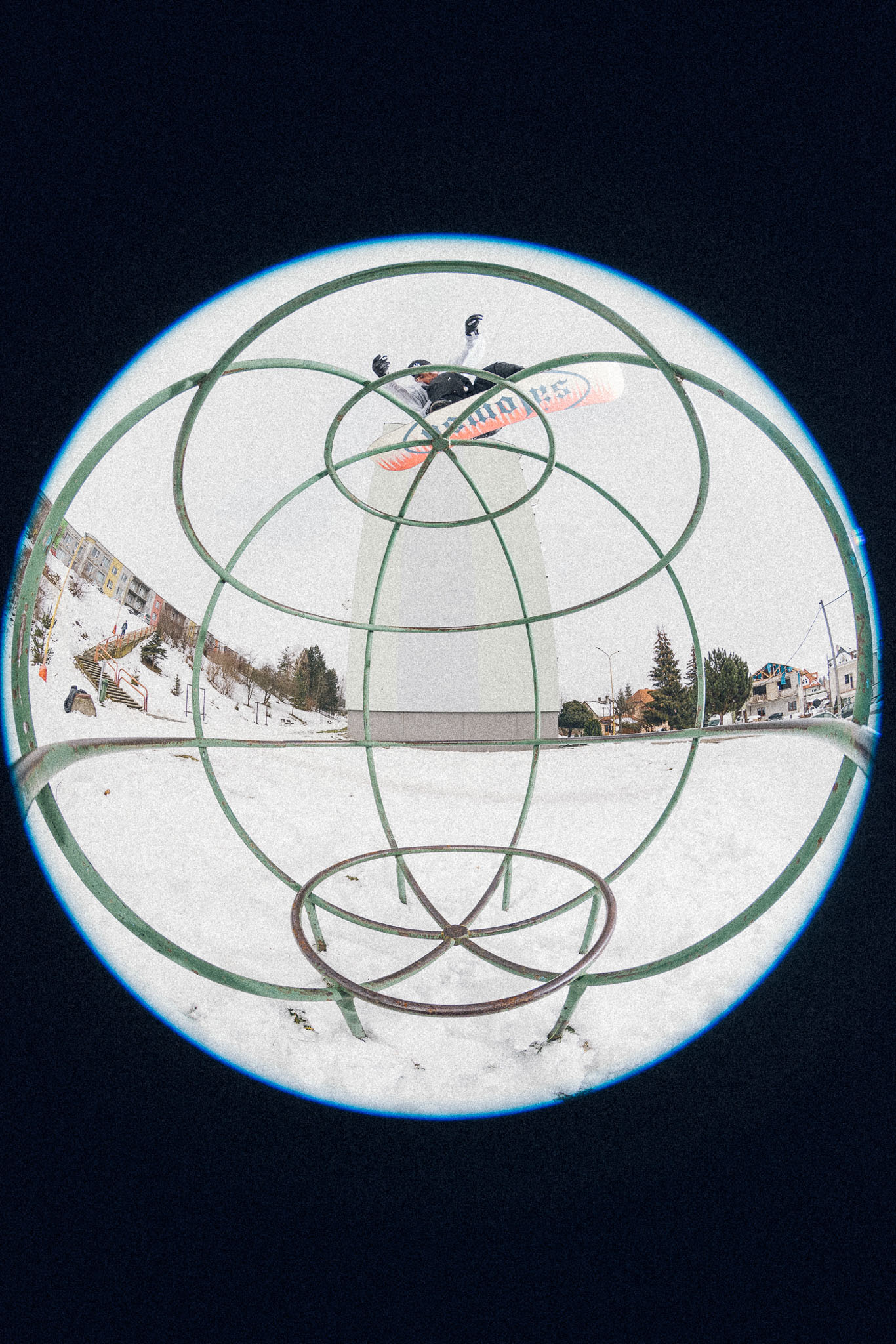
His "JIBBING THE ATOM" photograph of Sebi Springeth in Slovakia vividly illustrates the unique difficulties of street snowboarding photography. "People just don’t get it—they yell at you, they treat you like a kid who never grew up, call the police, and do everything they can to shut you down," Georges recounts. This friction between the creative pursuit and public perception highlights the guerilla nature of street photography, where the quest for a unique shot often involves navigating public disapproval and legal obstacles. Yet, the satisfaction of capturing an exceptional image, like Springeth’s trick in a playground, makes the "bad vibes… instantly forgotten," affirming the deep passion that drives his work. This demonstrates the resilience and dedication required to excel in this niche, demanding field.
Influences and the Power of Visual Storytelling
Georges’ influences extend beyond the traditional confines of winter sports, drawing heavily from the skateboarding world. He cites skate photographers like Brian Gaberman, Sem Rubio, French Fred, and Mike O’Meally, noting, "For some reason, I’ve always felt more connected to skate photographers." This connection is understandable, as both skateboarding and snowboarding share a common ethos of individuality, creativity, and unconventional interaction with urban and natural landscapes. Skate photography often emphasizes raw energy, environmental context, and the subtle narratives of street culture, elements that resonate deeply with Georges’ own artistic vision.
Beyond these established figures, his close friends Carlos Blanchard, Aaron Schwartz, and Silvano Zeiter have also profoundly impacted him. The long-standing relationships and mutual respect within this peer group underscore the collaborative and community-driven aspect of action sports photography. When asked about a single photo he wished he had taken, Georges immediately points to J. Grant Brittain’s iconic image of Tod Swank pushing under a bridge. This photograph, with its masterful use of shadow and composition, has become a seminal work, inspiring generations with its simplicity and evocative power. It’s a testament to the enduring influence of images that transcend their immediate subject matter to become cultural touchstones.
Club Sandwich Studio: Nurturing Board Culture and Independent Publishing
In 2019, Matt Georges co-founded Club Sandwich Studio with fellow snowboard photographer Perly. This venture represents a significant evolution in his career, moving beyond individual photographic commissions to establish an independent publishing house and creative agency. Club Sandwich Studio focuses primarily on photography, design, and their shared board culture, aiming to curate and publish projects that might not find a home in mainstream media. This initiative fills a vital gap in the industry, providing a platform for artists and stories that embody the authentic spirit of snowboarding and skateboarding.
As an independent publisher, Club Sandwich Studio plays a crucial role in preserving and promoting the visual history and contemporary art of board sports. They not only publish numerous projects annually but also operate as a creative agency, collaborating with brands to curate exhibitions and set up pop-up bookstores. This multi-faceted approach ensures a dynamic engagement with the creative community, fostering new talent and offering fresh perspectives. Georges’ involvement here signifies a commitment to the broader cultural ecosystem of board sports, demonstrating a dedication to creating lasting legacies beyond his own photographic output. It’s a full-time endeavor, as he succinctly puts it: "Our days are definitely full—there’s no time to fuck around!"
The Camera’s Eye: A Philosophical Perspective on Truth
The adage "the camera never lies" is a notion Georges critically examines, offering a nuanced and philosophical perspective. "It’s always an interesting and tricky question to answer, because what you see isn’t necessarily what others see," he explains. He posits that the camera, far from being an objective truth-teller, is merely a tool that reflects the photographer’s choices, perspectives, and even deliberate distortions. This insight is particularly relevant in an age of pervasive visual media, where images are often consumed without critical scrutiny.
Georges elaborates on how various factors—lens type, perspective, lighting, exposure, and framing—can profoundly alter the emotional and informational impact of an image. A photographer’s decision on what to include and exclude within the frame inherently creates a narrative, which can be biased. He offers a compelling example: "A photo could make a protest look violent if it focuses on a single clash—but the same protest could appear peaceful if the photo showed the wider crowd sitting quietly." This underscores his belief that photography is an act of interpretation, not just documentation, and that viewers should always approach images with a critical eye, questioning the story being told and the angle from which it is presented. This perspective is a cornerstone of his artistic integrity and his commitment to meaningful visual communication.
A Continuing Journey: The Future of Matt Georges’ Vision
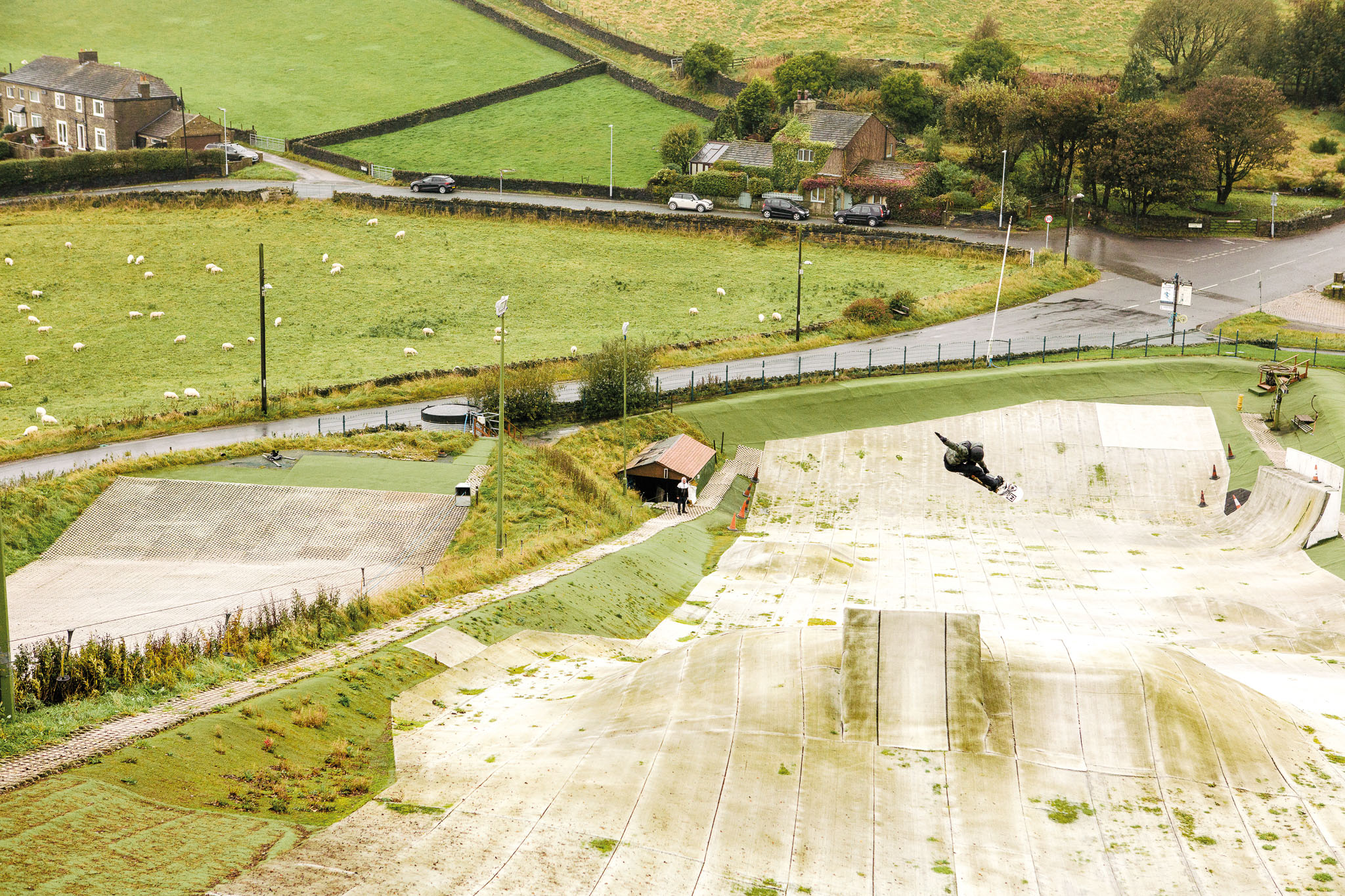
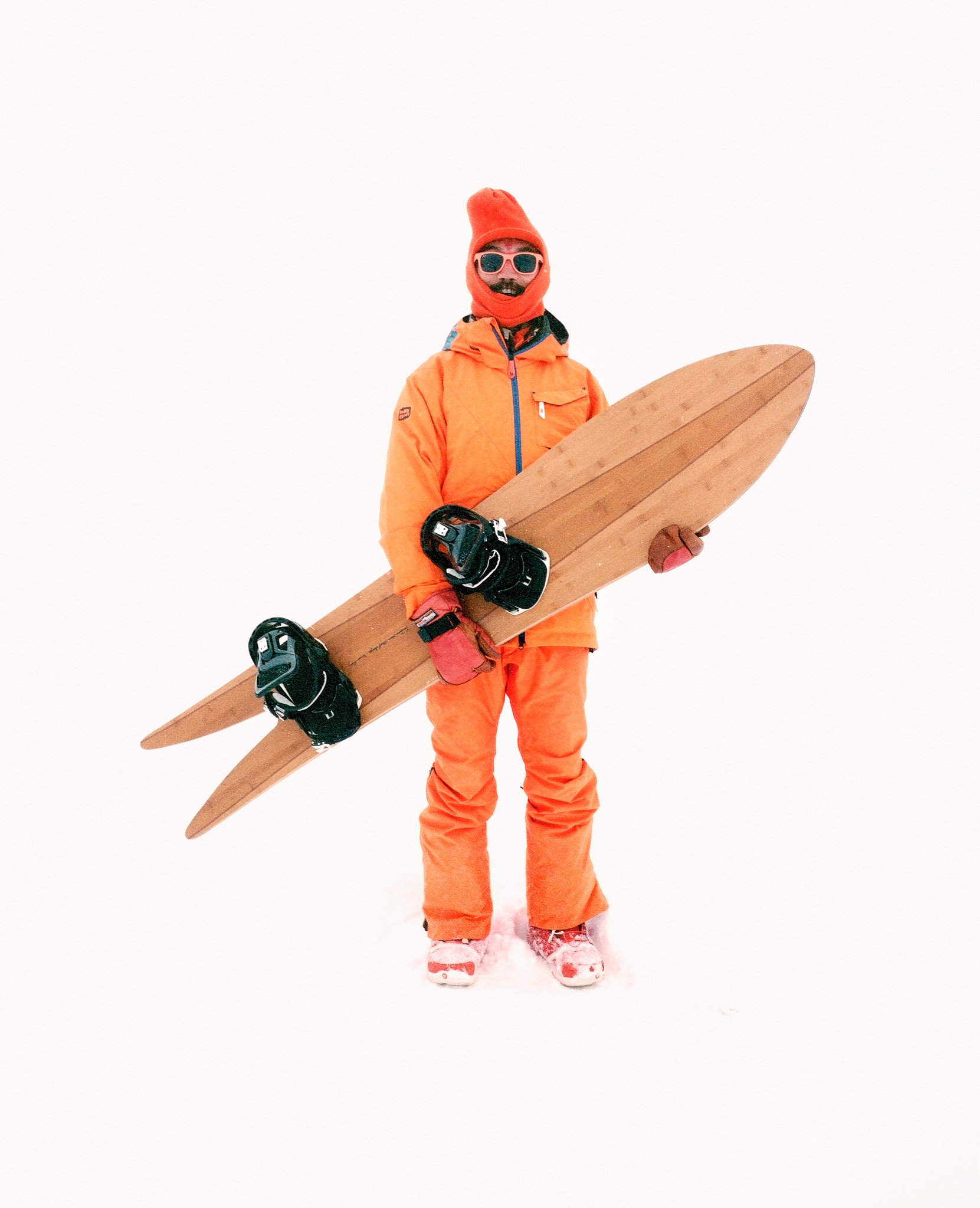
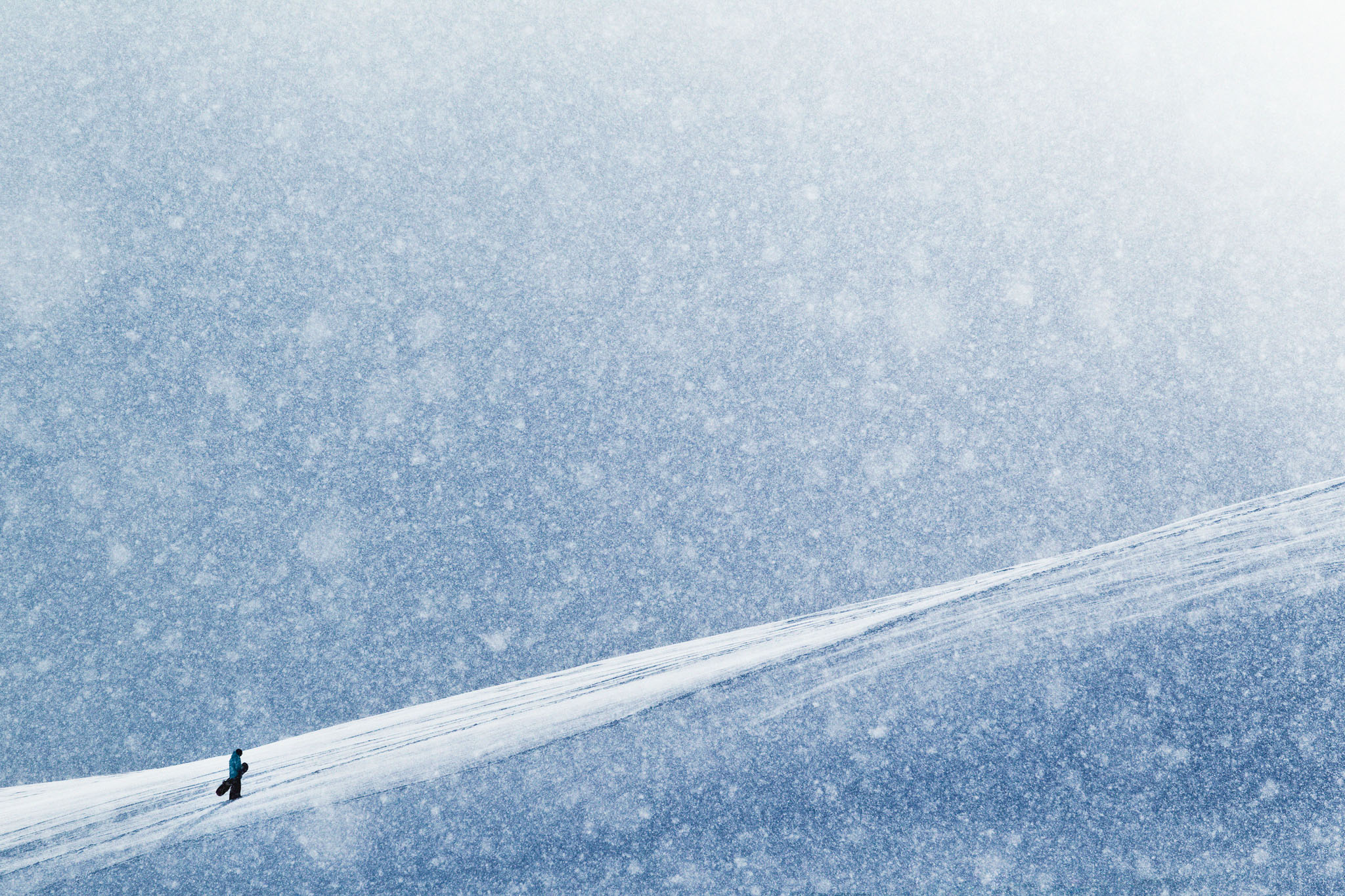
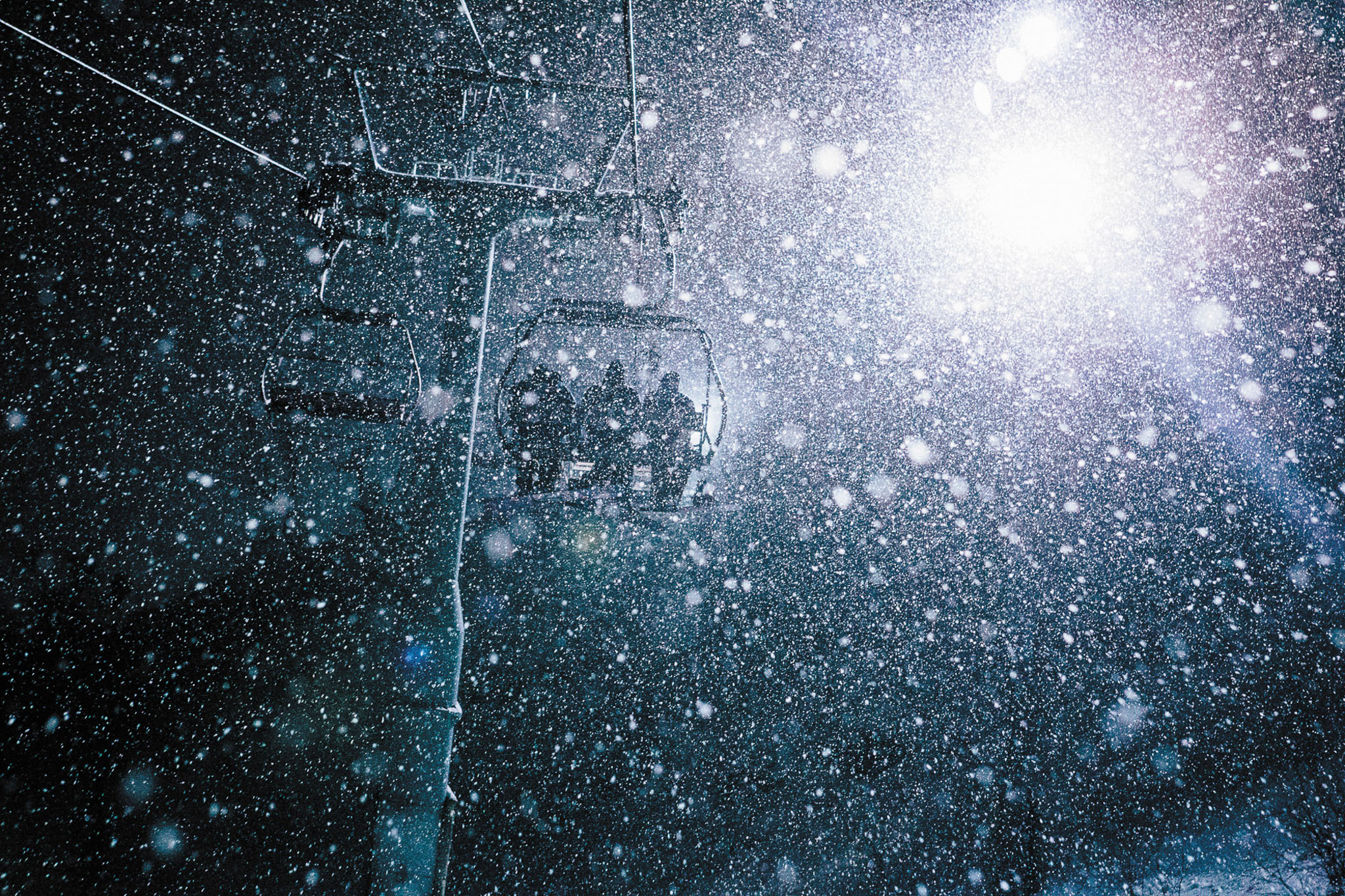
Matt Georges’ journey through winter sports photography is a rich tapestry woven with technical mastery, artistic experimentation, and a deep-seated passion for the culture he documents. From the challenging conditions of the Halifax Dryslope in Yorkshire, where he captured Olympians Jamie Nicholls and Katie Ormerod learning to ride in pouring rain, to the ethereal night riding in Japan, described as "pure therapy for the mind," his portfolio is a testament to diverse experiences and a relentless pursuit of unique moments. His "ORANGE CRUSH" portrait of Kazushi Yamauchi, the "Orange Man" of Hokkaido’s Car Danchi Crew, sleeping in his bright orange camper, highlights his ability to find compelling human stories within the broader snowboard narrative. Even a seemingly simple shot like "LOOK ON THE BRIGHT SIDE," featuring Matt Schaer looking up a slope in Riksgränsen, became his best-selling print, proving that mood and contemplative moments can resonate just as powerfully as high-octane action.
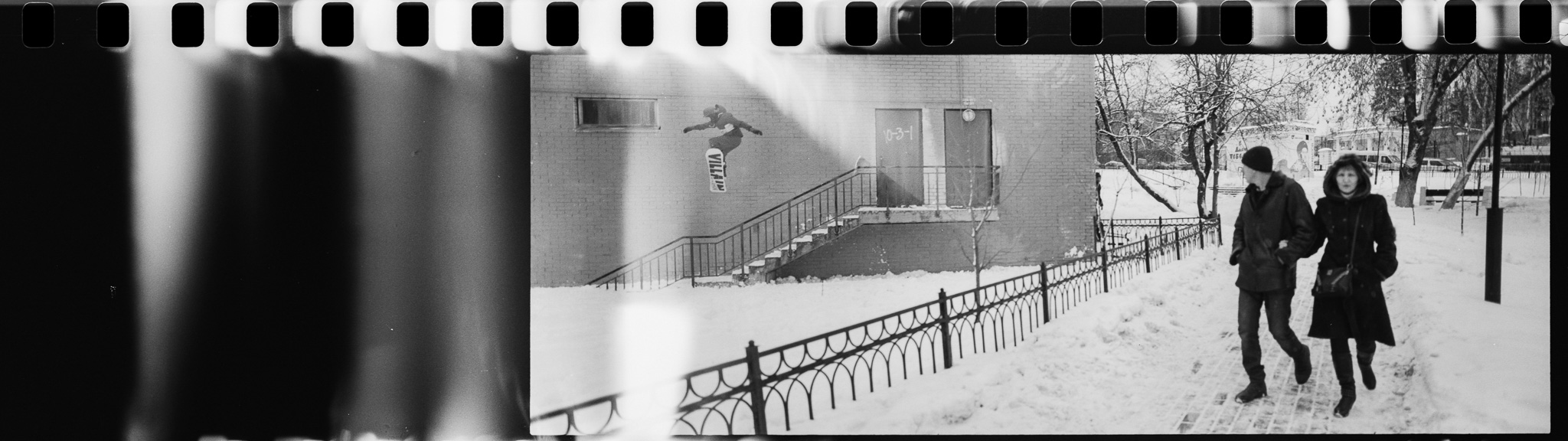
The header image, "A WALK IN THE PARK," featuring Will Smith in Moscow, encapsulates much of Georges’ ethos. Shot on a Hasselblad X-PAN with TMax 400 film and intentional light leaks, it speaks to his experimental spirit and his ability to navigate challenging environments—even those requiring "paying off the cops." It’s a vivid illustration of how he embraces the unpredictability of both his medium and his surroundings to create truly unique imagery.
Through his individual work and his leadership at Club Sandwich Studio, Matt Georges continues to shape the visual landscape of winter sports. His legacy is not just in the iconic images he has produced, but in his enduring philosophy that photography is an art of interpretation, mood, and storytelling, constantly evolving and forever pushing the boundaries of what a camera can reveal. He invites both practitioners and viewers to engage more deeply with the photographic process, to look beyond the surface, and to appreciate the profound impact of intentional visual choices. His work serves as an ongoing inspiration for those who seek to capture the essence of adventure, culture, and the human spirit in the wild, beautiful world of winter sports.
