
Renowned French photographer Matt Georges stands as a distinctive voice in the realm of winter sports imagery, celebrated for a style that masterfully blends experimental techniques with a profound connection to his subjects. His work transcends mere documentation, delving into the emotional and atmospheric essence of the moment, a characteristic that has solidified his reputation within the global snowboarding community and beyond. Georges’ artistic signature is instantly recognizable yet remarkably fluid, reflecting a continuous desire to push the boundaries of photographic expression.
A Legacy of Light and Chemistry: French Photographic Heritage
Georges’ unique approach to photography can be traced back to a rich French tradition of experimental and artistic innovation, a lineage that extends to figures like Louis Daguerre. In the 1830s, Daguerre, alongside Nicéphore Niépce, revolutionized visual representation with the invention of the Daguerreotype, the first commercially successful photographic process. This chemical-based method, which produced highly detailed images on silver-plated copper sheets, laid the groundwork for modern photography and instilled a spirit of scientific and artistic inquiry in French visual arts. Georges, whether consciously or not, embodies this historical pursuit of new methods and evocative results. While he hasn’t ventured into Daguerre’s original chemical concoctions, his embrace of techniques like manipulating film light bleed on vintage Hasselblads or skimming ink from Polaroids echoes a similar inventive spirit. This dedication to process as a means to enhance narrative rather than merely record it sets his work apart, allowing him to create moods and convey feelings that a purely factual image might miss.
From Grenoble Slopes to Global Lenses: The Early Journey
Matt Georges’ journey into photography began amidst the snow-capped peaks of the French Alps. He grew up in Saint-Hilaire-du-Touvet, a modest ski resort near Grenoble, characterized by its intimate scale—"just four T-bars and a €5 day pass," he recalls. This early immersion in mountain culture fostered a deep appreciation for the environment that would later become a central subject in his professional life. His parents provided him with his first film camera during his teenage years, igniting a passion that would soon define his career.
A pivotal influence emerged from an unexpected source: the father of his best friend, who operated a small photo lab in his basement. This informal apprenticeship introduced Georges to the fundamental principles of film development and black-and-white printing. At 14 or 15, he began photographing his skateboarding friends, documenting their travels across France for competitions. This early exposure to action sports photography, with its demands for quick reflexes and an eye for dynamic composition, provided a robust foundation for his future endeavors in snowboarding. The raw energy and free spirit of skateboarding culture mirrored the nascent snowboarding scene, naturally drawing him to its visual appeal and rebellious ethos.
Navigating the Digital Divide: A Career Forged in Transition
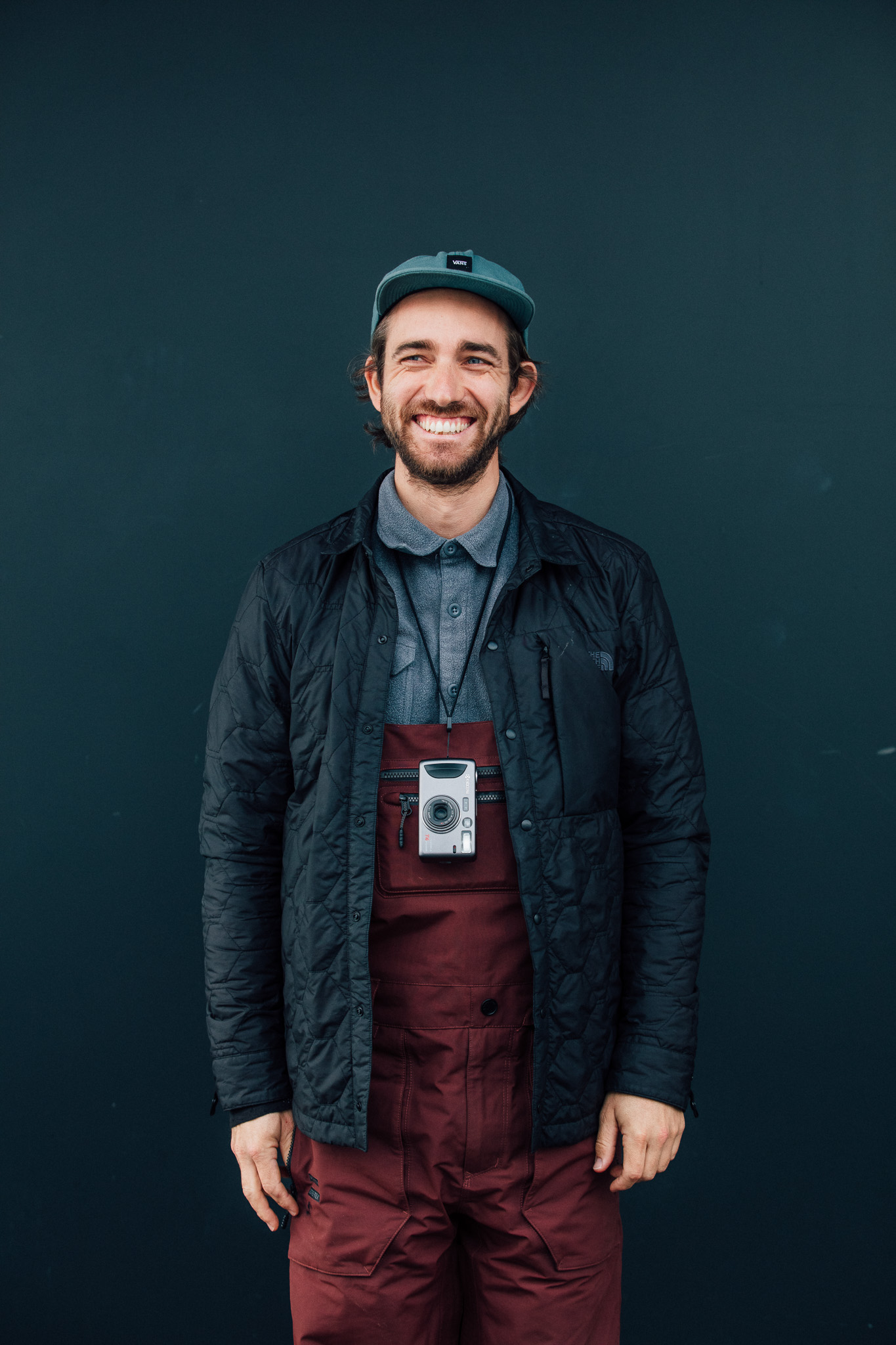
Georges’ professional trajectory unfolded during a transformative period in photography—the shift from analogue to digital. This transition, which began in earnest in the late 1990s and accelerated into the 2000s, profoundly influenced his artistic development, cultivating what he describes as "omnivorous artistic tastes." He gained invaluable experience as a graphic designer at Method magazine, a prominent European snowboarding publication, where he honed his understanding of visual storytelling and layout. Later, he served as a senior photographer at Onboard, another influential pan-European magazine that, while now sadly shuttered, played a crucial role in shaping the aesthetic of snowboarding photography for a generation.
The closure of Onboard, like many print publications in the digital age, highlighted the seismic shifts occurring within media. As advertising revenues migrated online and content consumption habits changed, traditional print media faced immense pressure. For photographers like Georges, this necessitated adaptability, not only in terms of adopting new technologies but also in redefining their roles within a rapidly evolving industry. Rather than abandoning his analogue roots, Georges embraced both worlds, becoming equally adept in the darkroom and in front of a digital screen. This duality allowed him to leverage the spontaneity and cost-effectiveness of digital while retaining the tactile quality and unique aesthetic of film, a blend that continues to characterize his diverse portfolio. Now 41, Georges resides in Montpellier with his family and manages his own multimedia creative studio, Club Sandwich, continuing to undertake regular expeditions and shoots globally.
The Art of Experimentation: Beyond Mere Documentation
At the core of Matt Georges’ photographic philosophy is an unwavering commitment to experimentation. His work is not merely about capturing a moment but about interpreting it, imbuing it with a mood and a narrative that transcends literal representation. He achieves this through a wide array of techniques, from allowing light bleed on vintage Hasselblad film to deliberately skimming ink off Polaroids. These are not gimmicks but calculated artistic choices designed to evoke a deeper emotional response.
This experimental approach stands in stark contrast to purely documentary photography, where the objective is often to present an unvarnished, factual record. Georges argues that a faithful photographic recreation, while accurate, might fail to convey the true feeling or energy of a moment. By manipulating the medium, he seeks to create an image that resonates more profoundly, offering a subjective yet potent glimpse into the experience. His portfolio reflects this "wildly varied and impossible to pin down" style, showcasing everything from gritty, intimate street snowboarding shots with fisheye lenses to expansive, ethereal mountainscapes captured on medium format film. Each technique is chosen specifically to serve the story, whether it’s the raw immediacy of a digital shot capturing a rapid trick or the timeless quality of film lending an epic feel to a vast landscape.
The Call of the Wild: Mountains, Adventure, and the Snowboarding Spirit
Georges’ enduring fascination with mountains as a subject is inextricably linked to the free-spirited culture of snowboarding itself. He finds himself continually drawn to the sport’s inherent sense of adventure and the breathtaking visual appeal of its natural backdrops. "I don’t think I would take photos if it weren’t for the adventure," he states, emphasizing that the thrill of exploration, whether in the mountains or distant lands, fuels his creative drive. The mountains offer not only unparalleled aesthetic beauty but also a profound sense of quietude and escape from the everyday.
For a snowboard photographer, the mountains are both studio and muse. They present ever-changing canvases of light, shadow, and texture, demanding an intimate understanding of natural elements and an ability to adapt to unpredictable conditions. The culture surrounding snowboarding, with its emphasis on freedom, individuality, and a deep respect for nature, aligns perfectly with Georges’ own artistic values. It’s a community that celebrates pushing boundaries, both physically and creatively, providing a constant source of inspiration for his unique vision.
Behind the Lens: The Realities of a Dream Job
While shooting snowboarding often appears to be a dream job, Matt Georges candidly acknowledges the complex reality behind the lens. He describes it as "always a mix of feelings," oscillating between the immense privilege of his profession and the inherent stresses. "It really is the best job in the world," he affirms, yet quickly adds that success is heavily dependent on factors such as travel companions and client expectations. The unpredictable nature of mountain weather, the demanding physical conditions, and the need for seamless teamwork can quickly elevate stress levels.
The public perception of action sports photography often overlooks the arduous work involved. Beyond the glamorous travel and stunning visuals, there are countless hours of planning, scouting, waiting for the perfect light, navigating challenging terrain, and enduring harsh weather. "Most people don’t really realize what it takes to get a good photo or a video clip," Georges points out. This includes technical mastery, physical endurance, and exceptional problem-solving skills, all while maintaining a creative vision under pressure. Despite these challenges, the unique opportunity to explore the world and capture its beauty, coupled with the camaraderie forged on expeditions, consistently outweighs the difficulties, making complaining, as he puts it, "suck!"
A Pantheon of Visionaries: Influences and Inspirations
Matt Georges’ photographic influences are eclectic, reflecting his broad artistic tastes. He expresses a particular affinity for skate photographers, whose work often prioritizes raw energy, unique perspectives, and a deep understanding of urban environments. Figures like Brian Gaberman, known for his gritty, authentic portrayal of skate culture; Sem Rubio, with his sharp compositions and evocative lighting; French Fred, celebrated for his distinctive cinematic style; and Mike O’Meally, whose powerful imagery has defined eras of skateboarding, have all left an indelible mark on Georges’ approach. Their ability to capture fleeting moments of intense action within often mundane or challenging settings resonates deeply with the demands of snowboarding photography.
Beyond these legends, Georges also credits his close friends and contemporaries—Carlos Blanchard, Aaron Schwartz, and Silvano Zeiter—as significant sources of inspiration. Their ongoing work continues to impress him, highlighting the importance of peer influence and shared journeys within the tight-knit world of action sports photography.
When asked about a single photo he wished he had taken, Georges immediately cites J. Grant Brittain’s iconic image of Tod Swank pushing under a bridge, with a massive shadow stretching across the frame. This photograph, a cornerstone of skateboarding photography, is revered for its minimalist composition, dramatic lighting, and timeless quality. It perfectly encapsulates the solitary, determined spirit of skateboarding and has, as Georges notes, "inspired—and continues to inspire—so many generations," demonstrating the profound cross-pollination of creative ideas between skate and snow cultures.
Chronicles from the Edge: Global Expeditions and Iconic Shots
Georges’ extensive career is punctuated by countless expeditions to some of the world’s most remote and visually striking locations, each yielding unforgettable images and stories. While he humorously dismisses the cliché, he admits that "it’s often more about the people you share the journey with than the destination itself." Yet, places like Svalbard, Kamchatka, and Chile stand out as particularly "amazing to experience," offering unparalleled backdrops for his lens.
His portfolio is a testament to these adventures:
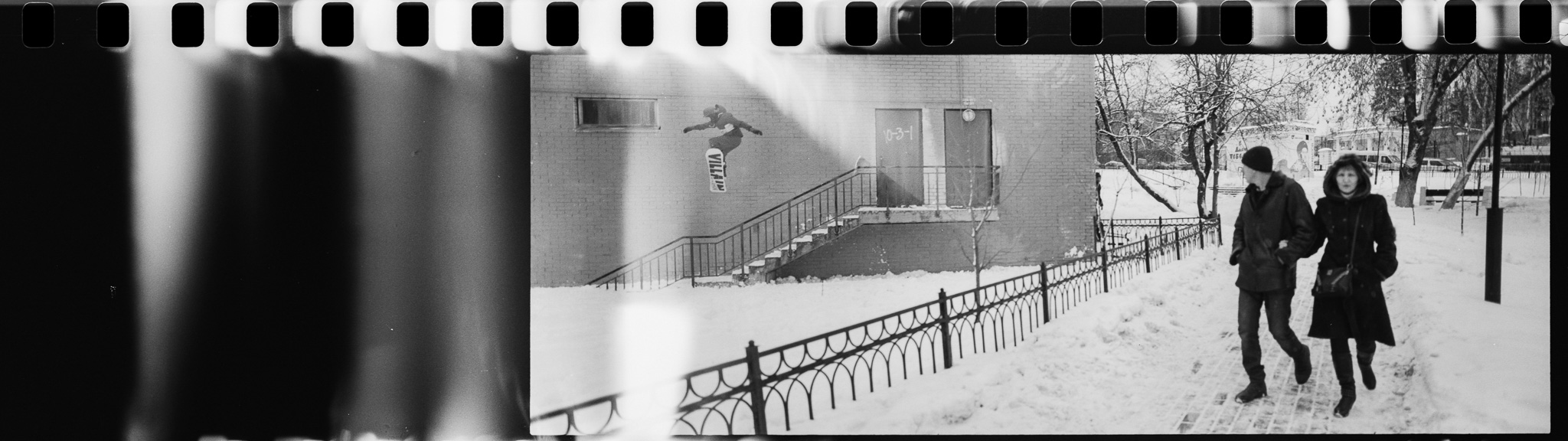
- A Walk in the Park (Will Smith, Moscow): Captured on a Hasselblad X-PAN with TMax 400 film, this image of Will Smith executing a gap to boardslide to boardslide in Moscow epitomizes Georges’ experimental spirit. The unique panoramic format and the "light leaks" on the film add a gritty, reportage feel, perfectly suiting the urban environment and the fleeting nature of street snowboarding, where "as long as you pay off the cops, you’re good."
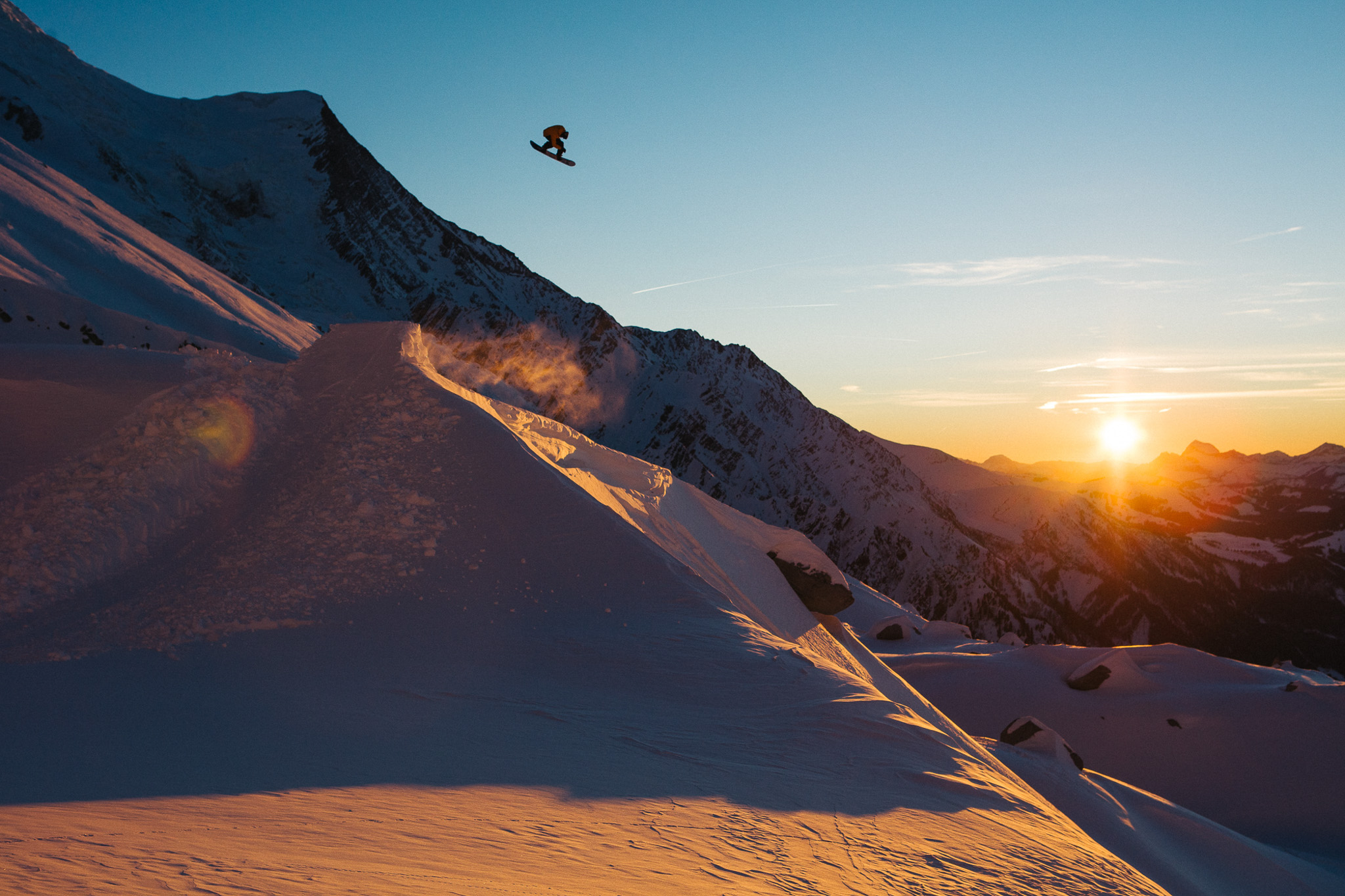
- Home Run (Arthur Longo, Chamonix): This shot of Arthur Longo, captured at dusk in Chamonix with a Canon 5DS R, highlights Georges’ readiness. Despite Longo’s casual "don’t shoot" remark during a quick ollie, Georges knew the potential for magic. The resulting image captures the athlete in a moment of effortless grace against a dramatic alpine backdrop, a testament to the photographer’s intuition.
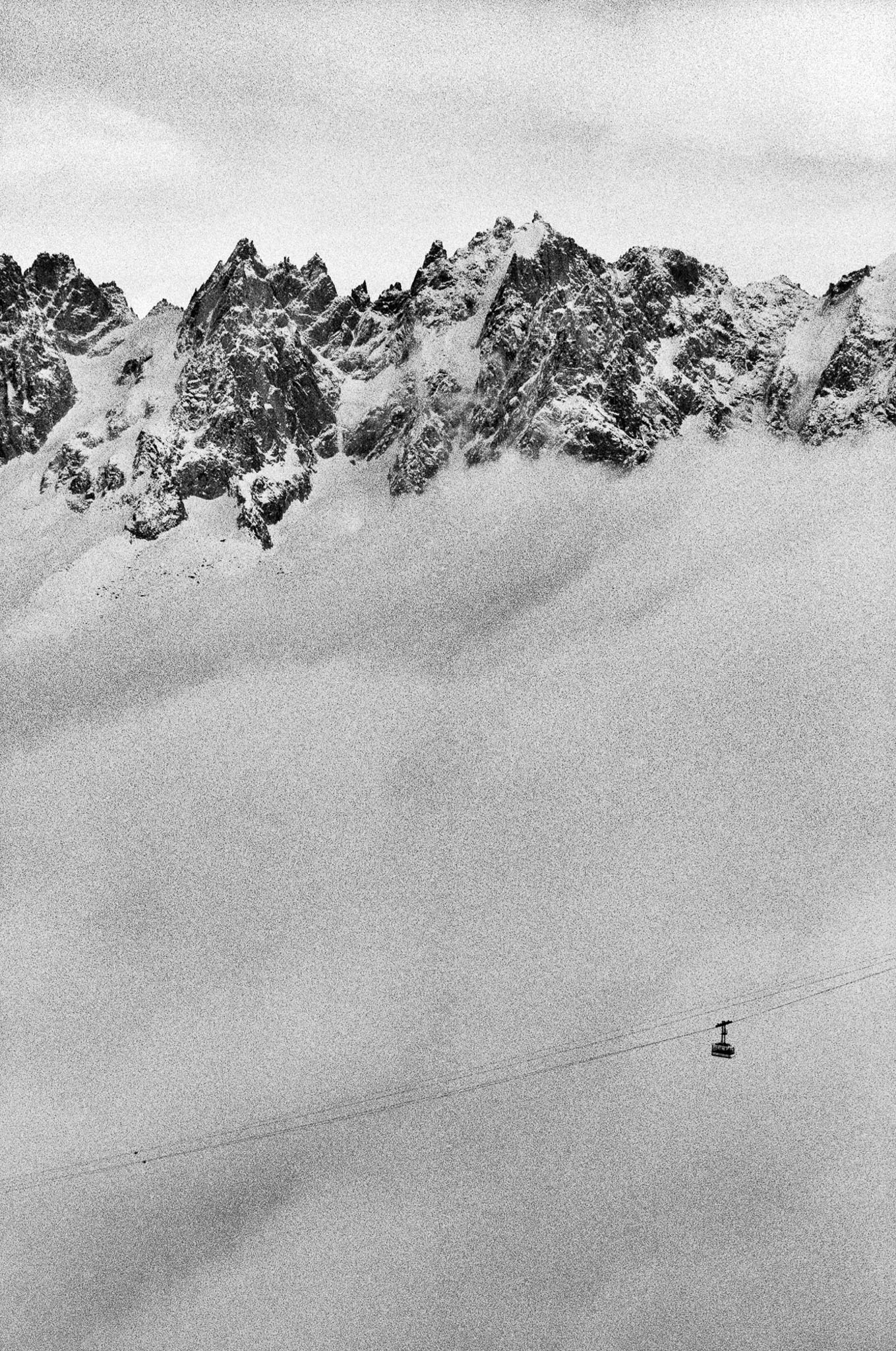
- Floating on Air (Chamonix, Brevent sector): An ethereal black-and-white image taken with a Nikon FM2 and TMax 400 film, this photograph from the Brevent sector of Chamonix showcases the unpredictable beauty of mountain weather. Georges’ experience teaches him that "it’s always these days where you get some of the best stuff," demonstrating his ability to find beauty in challenging conditions.
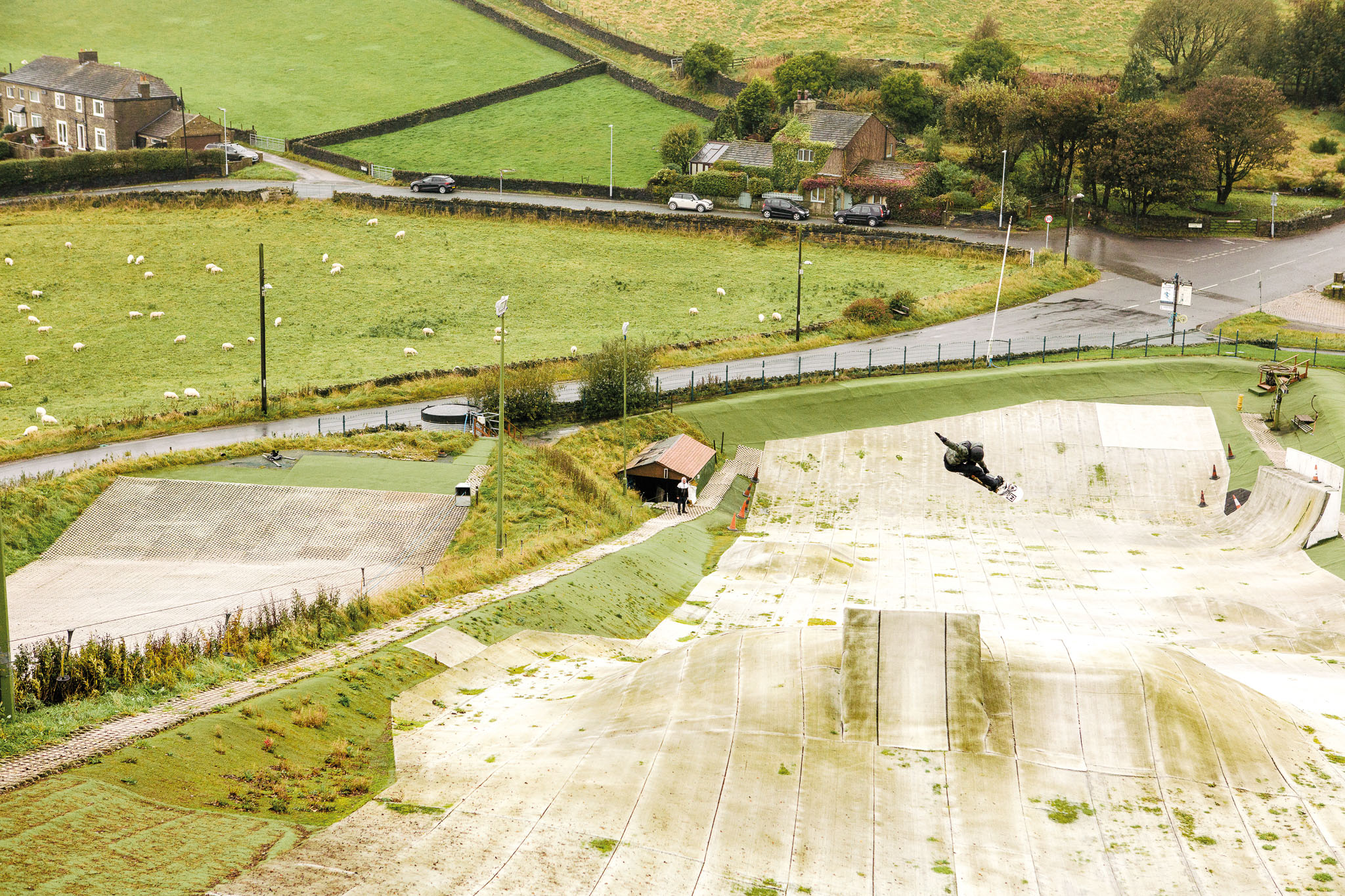
- The Grass Is Always Greener (Jamie Nicholls, Halifax Dryslope): This memorable trip to the Halifax Dryslope in Yorkshire, UK, with Olympians Jamie Nicholls and Katie Ormerod, defied expectations. Despite the "classic UK weather – pouring rain," Georges found profound beauty in the unusual setting. The image, taken with a Canon 5DS R, captures the unique spirit of British snowboarding, far removed from the pristine Alps.
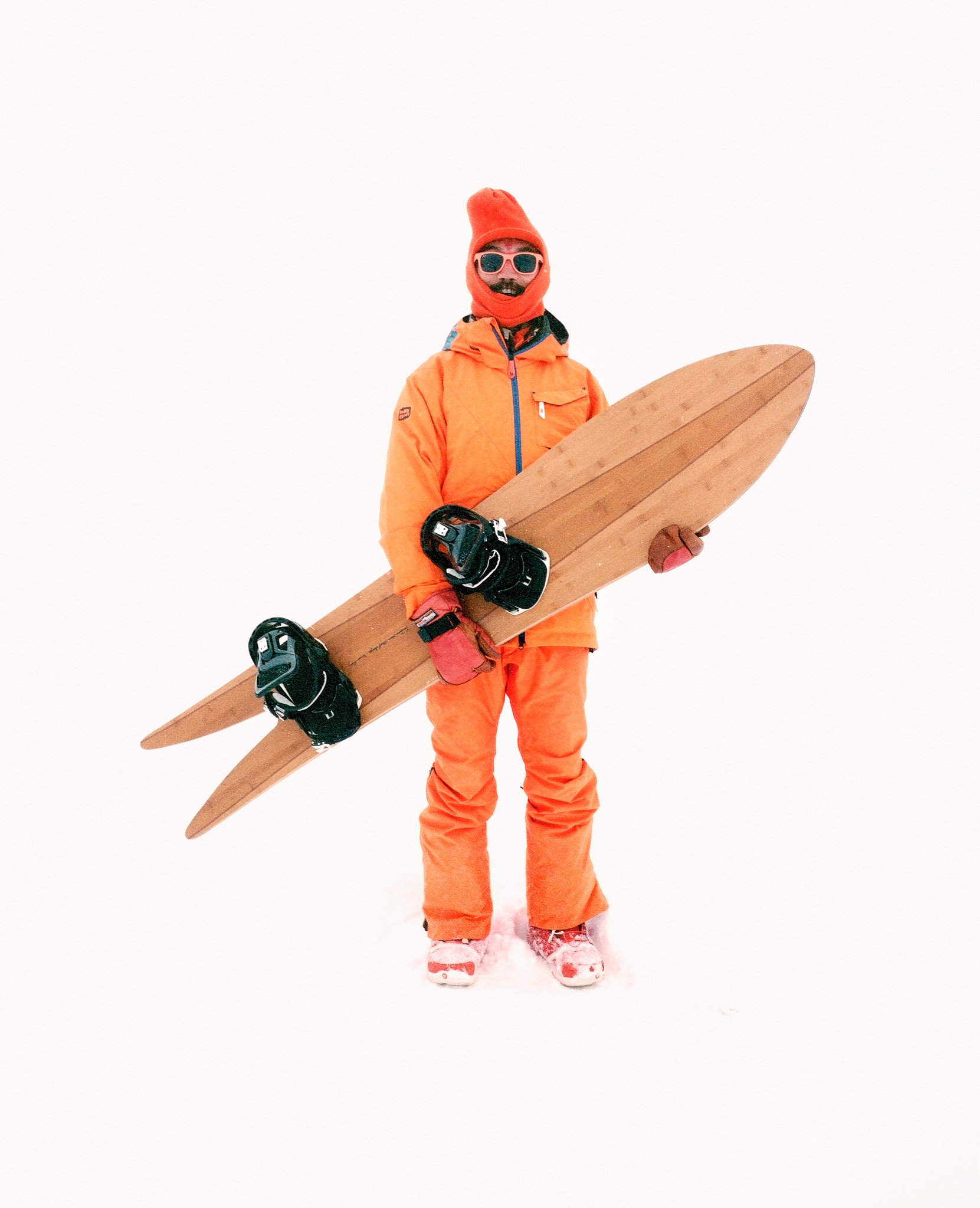
- Orange Crush (Kazushi Yamauchi, Hokkaido): Using a Mamiya II and Portra 400 film, Georges captured Kazushi Yamauchi, the "Orange Man" of Hokkaido’s Car Danchi Crew. This portrait embodies the nomadic, powder-chasing lifestyle of Japanese snowboarders who live in their brightly colored campers, highlighting the cultural aspects of the sport.
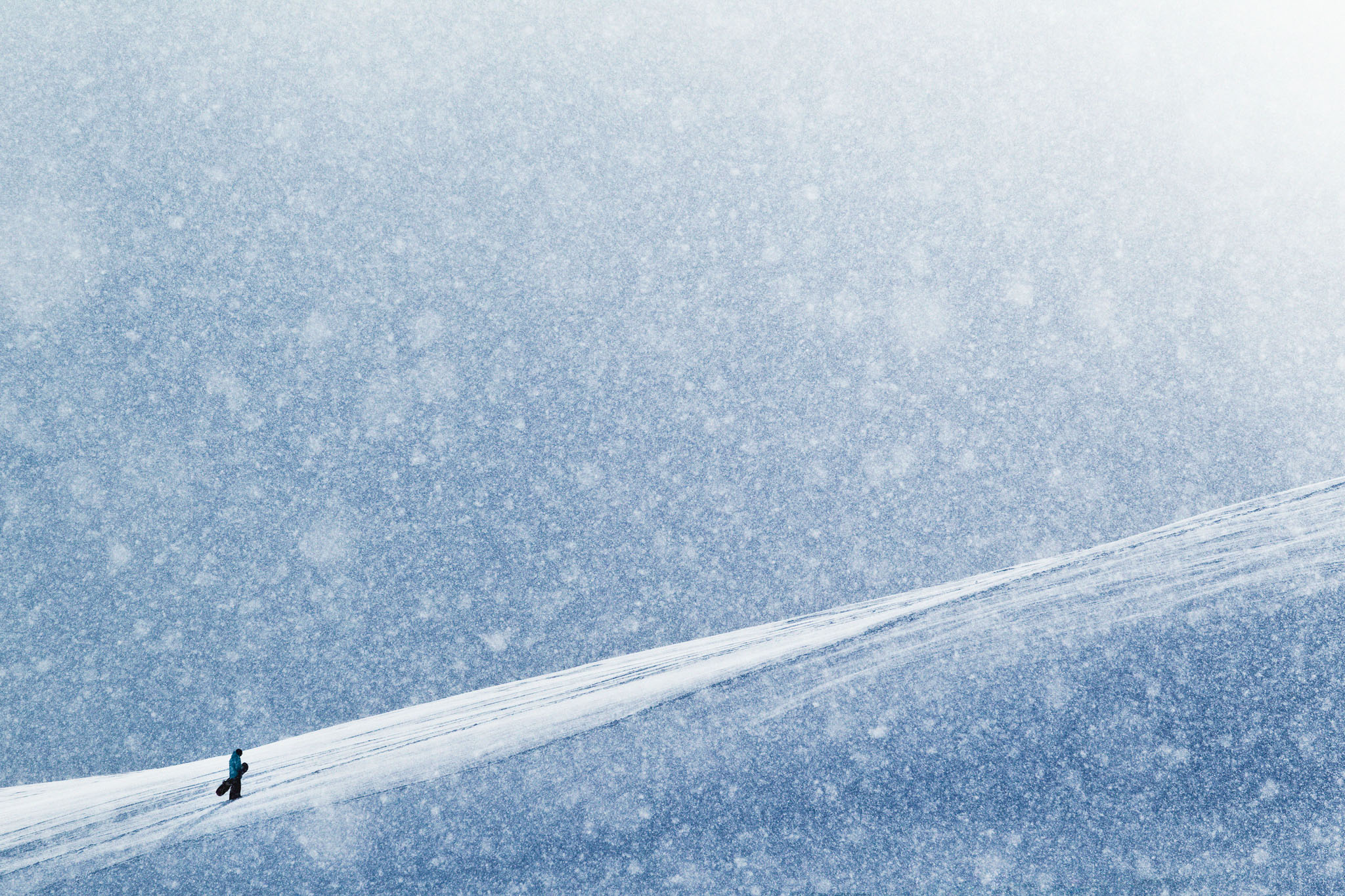
- Look on the Bright Side (Matt Schaer, Riksgränsen): This Canon EOS 1D Mark IV shot of Matt Schaer in Riksgränsen became Georges’ best-selling print, despite no action being captured. It’s a powerful image of anticipation and connection to the environment, proving that "lifestyle stuff makes for better shots than the action itself."
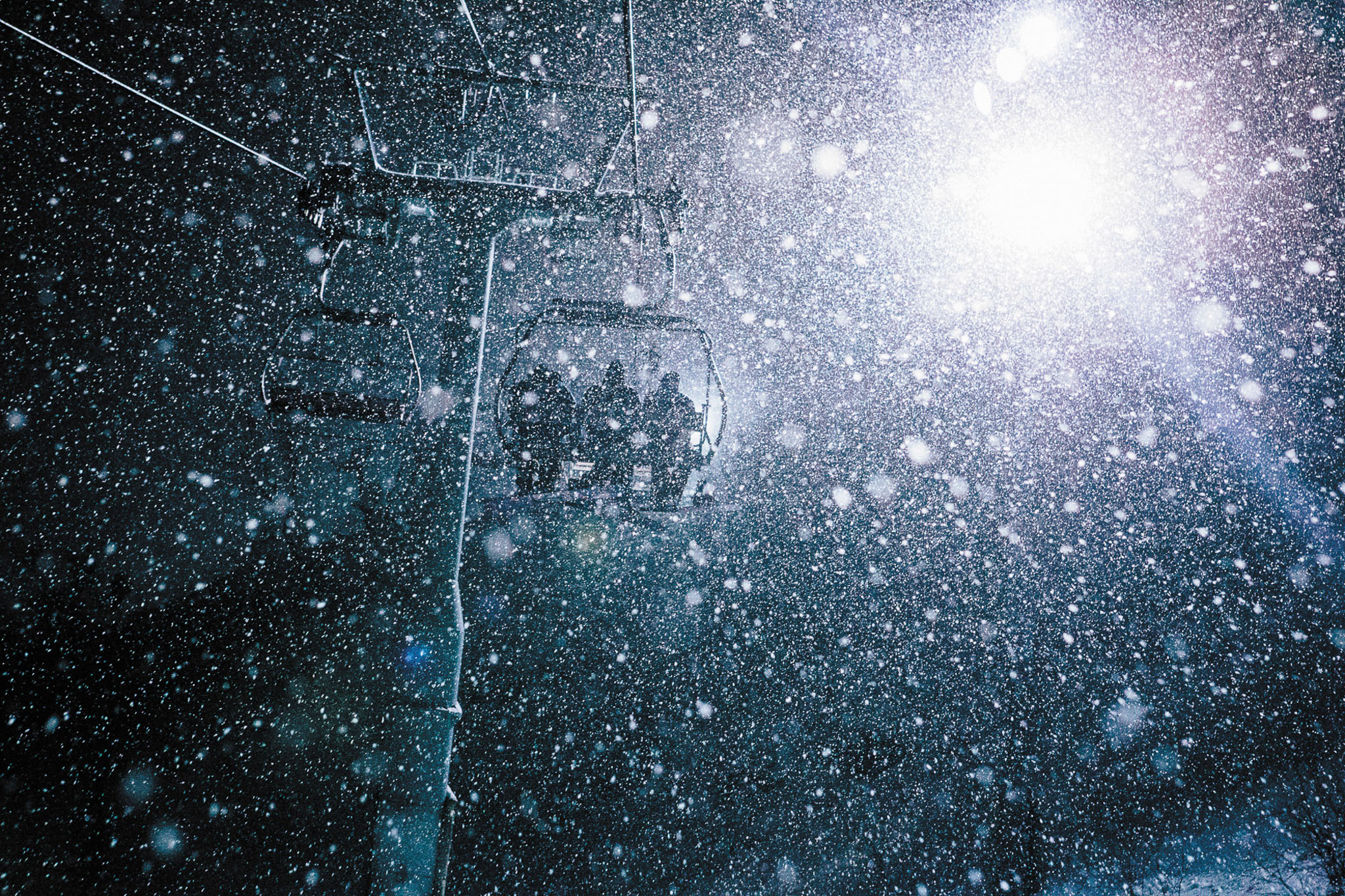
- Nightswimming (Japan): This image of night riding in Japan, captured with a Canon EOS 1D Mark IV, evokes the "pure therapy for the mind" that Georges finds in endless powder runs under stadium lights, surrounded by friends and ramen.
- Jibbing the Atom (Sebi Springeth, Slovakia): A fisheye shot of Sebi Springeth hitting a playground in Slovakia with a Canon R5, this photo represents the triumph over adversity often faced in street snowboarding. Despite "bad vibes" from onlookers, the resulting image encapsulates the defiant spirit of urban riding.
- Cloud Surfing (Thomas Delfino, Piemonte): Taken with a Canon EOS 1D Mark IV, this atmospheric shot from Piemonte, Italy, features Thomas Delfino obscured by smoke in a dumping snowstorm. It beautifully illustrates Georges’ belief that the "hustling" and the lifestyle surrounding the action are often the most compelling elements.
The Elusive Truth: Photography as Interpretation
The adage "the camera never lies" is a notion Matt Georges critically interrogates. He views photography not as a purely objective mirror of reality, but as a complex tool of interpretation. "What you see isn’t necessarily what others see," he explains, highlighting the inherent subjectivity in visual perception. A photograph, by its very nature, reflects the choices, perspectives, and sometimes deliberate distortions of the photographer.
Georges elaborates on how various factors—lens type, perspective, lighting, exposure, and framing—can profoundly alter the emotional and factual impact of an image. The photographer’s decision on what to include and exclude within the frame creates a narrative, which can, consciously or unconsciously, be biased. He provides a poignant example: a protest could appear violent if the focus is on a single clash, or peaceful if it shows the wider crowd in quiet assembly. This nuanced understanding underscores the ethical responsibility of photographers as visual storytellers, urging viewers to critically examine the messages embedded within images and to consider the context and intent behind their creation.
Club Sandwich Studio: Cultivating Board Culture’s Future
In 2019, Matt Georges channeled his entrepreneurial spirit and passion for board culture into co-founding Club Sandwich Studio with fellow snowboard photographer, Perly. This independent publishing house is dedicated to showcasing photography, design, and the broader cultural narratives surrounding board sports. Beyond its publishing endeavors, which see "a bunch of projects each year," Club Sandwich also operates as a creative agency. It collaborates with brands to curate exhibitions, establish pop-up bookstores, and engage in various multimedia projects.
Club Sandwich Studio represents a significant evolution in Georges’ career, allowing him to not only create his own work but also to foster and promote the work of others within the community. In an era where traditional media outlets face constant challenges, establishing an independent platform for creative expression is a testament to Georges’ foresight and dedication to preserving and advancing the unique visual language of board culture. The studio’s busy schedule, where "there’s no time to fuck around," reflects the passion and rigorous work ethic required to navigate the contemporary creative landscape.
Matt Georges remains a pivotal figure in action sports photography, his journey a compelling narrative of artistic evolution, technical mastery, and unwavering dedication to the spirit of adventure. Through his experimental lens, he continues to craft images that resonate deeply, capturing not just what the world looks like, but what it feels like.
You can keep up with Matt’s work at mattgeorges.com, clubsandwich.studio and @matt_georges on Instagram.
