
As the winter season approaches, the focus for both competitive alpine athletes and recreational enthusiasts shifts from general fitness to sport-specific conditioning. While the gravity-assisted nature of downhill skiing may suggest a lower cardiovascular demand than uphill sports, the physiological reality is far more complex. Modern sports science indicates that elite-level performance and injury mitigation on the slopes depend heavily on "power endurance"—the ability to maintain explosive muscular output and structural stability over repeated high-intensity intervals. This training methodology, championed by veteran coaches like Chris Miller, aims to bridge the gap between raw strength and aerobic stamina, ensuring that a skier’s technique remains consistent from the first chair to the final run of the day.
The Science of Power Endurance in Alpine Skiing
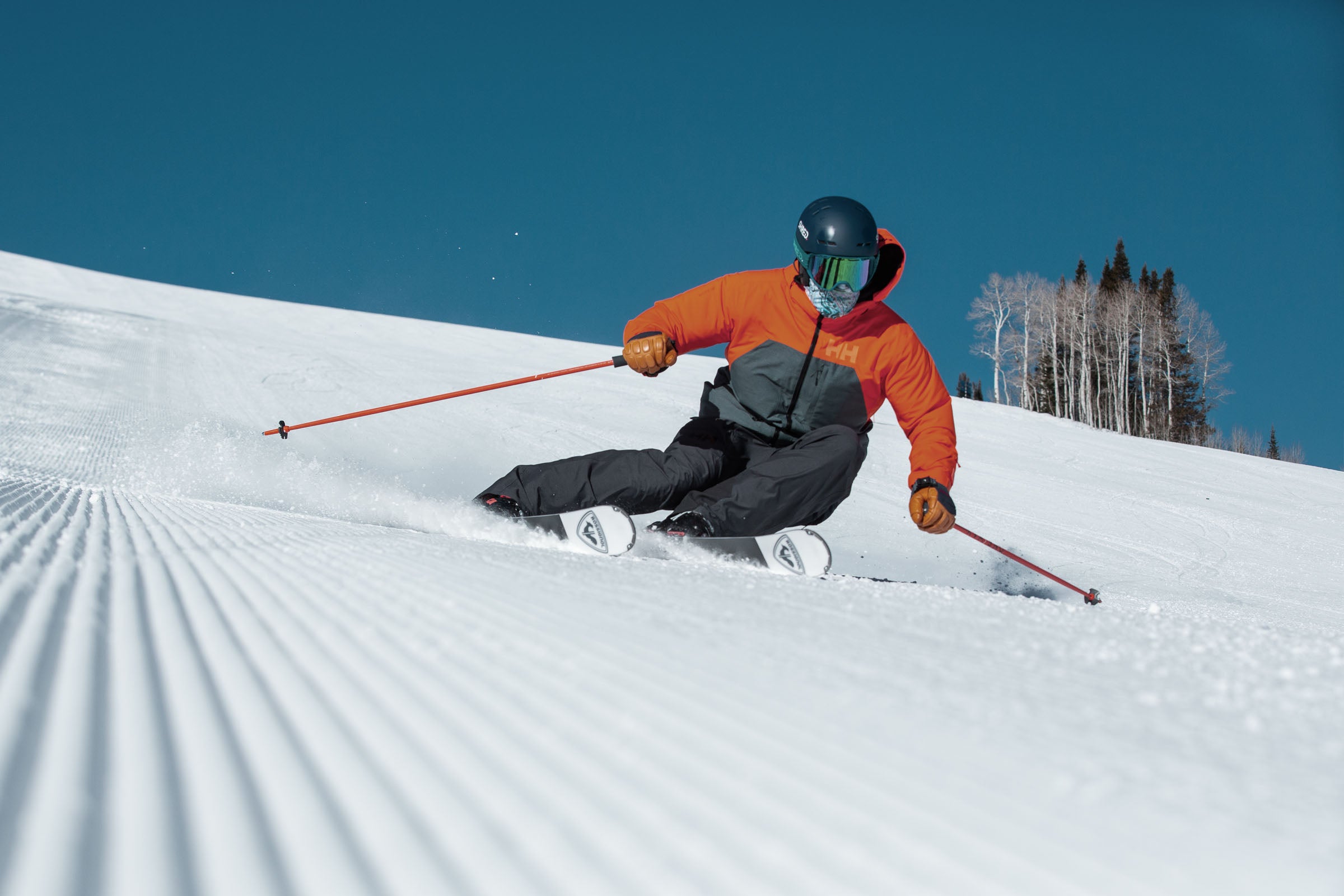
To understand the necessity of power endurance, one must examine the biomechanical demands of a typical ski run. During a high-speed carving turn, a skier’s lower extremities must manage forces often exceeding two to three times their body weight. This requires significant eccentric strength (the ability of the muscle to lengthen under load) and isometric stability. However, a single run rarely lasts more than two or three minutes, placing the activity squarely in the anaerobic-lactic energy system.
Power endurance is the physiological capacity to sustain these high-force outputs without a degradation in movement quality. When a skier lacks this specific conditioning, lactic acid accumulation and neuromuscular fatigue lead to "quad burn" and a subsequent loss of core control. According to data from the National Ski Areas Association (NSAA) and various sports medicine clinics, a significant percentage of non-collision injuries—particularly Anterior Cruciate Ligament (ACL) tears—occur during the final hours of the ski day. This suggests a direct correlation between muscular fatigue and the failure of the stabilizing structures of the knee. By training power endurance, skiers can maintain the reactive capacity needed to absorb unexpected terrain changes, thereby reducing the risk of catastrophic joint failure.
The Chris Miller Philosophy: Beyond Leg Strength
Chris Miller, a coach renowned for training world-class ski racers, emphasizes that true ski fitness is a holistic endeavor. While "superhero-sized quads" are a hallmark of the sport, Miller argues that they are ineffective without a corresponding level of trunk stability and coordination. His training protocols focus on functional movements that mimic the eccentric and lateral loads experienced on the mountain.
"Preparing your body for the unique demands of skiing means focusing on specific, targeted movements that build not only muscle but endurance under fatigue," Miller notes. The goal is to develop a body that is "explosive, stable, and in control." This requires a shift away from traditional static weightlifting toward dynamic, multi-planar circuits that challenge the body’s ability to recover between bursts of exertion.
The Pre-Season Conditioning Timeline
For optimal results, sports physiologists recommend a periodized approach to ski conditioning. A standard timeline for a "Get Fit to Rip" program typically spans eight to twelve weeks:
- Weeks 1–4 (Base Strength): Focusing on foundational movements like squats, deadlifts, and lunges to build muscle mass and bone density.
- Weeks 5–8 (Power Development): Introducing plyometrics and explosive movements to improve the rate of force development.
- Weeks 9–12 (Power Endurance and Sport-Specificity): Implementing the high-intensity circuits described in Miller’s protocol, focusing on short rest intervals and sustained output.
This chronology ensures that the central nervous system is primed for the high-impact nature of skiing before the first snowfall, allowing for a seamless transition from the gym to the corduroy.
Detailed Training Protocol: The Power Endurance Circuit
The following workout is designed to be performed two to three times per week. It requires minimal equipment—primarily a sandbag or weighted vest and a kettlebell or dumbbell—making it accessible for home or gym use.
Phase I: The Quadruped and Lunge Warmup
The initial phase of the workout focuses on joint lubrication and the activation of the posterior chain and core stabilizers.
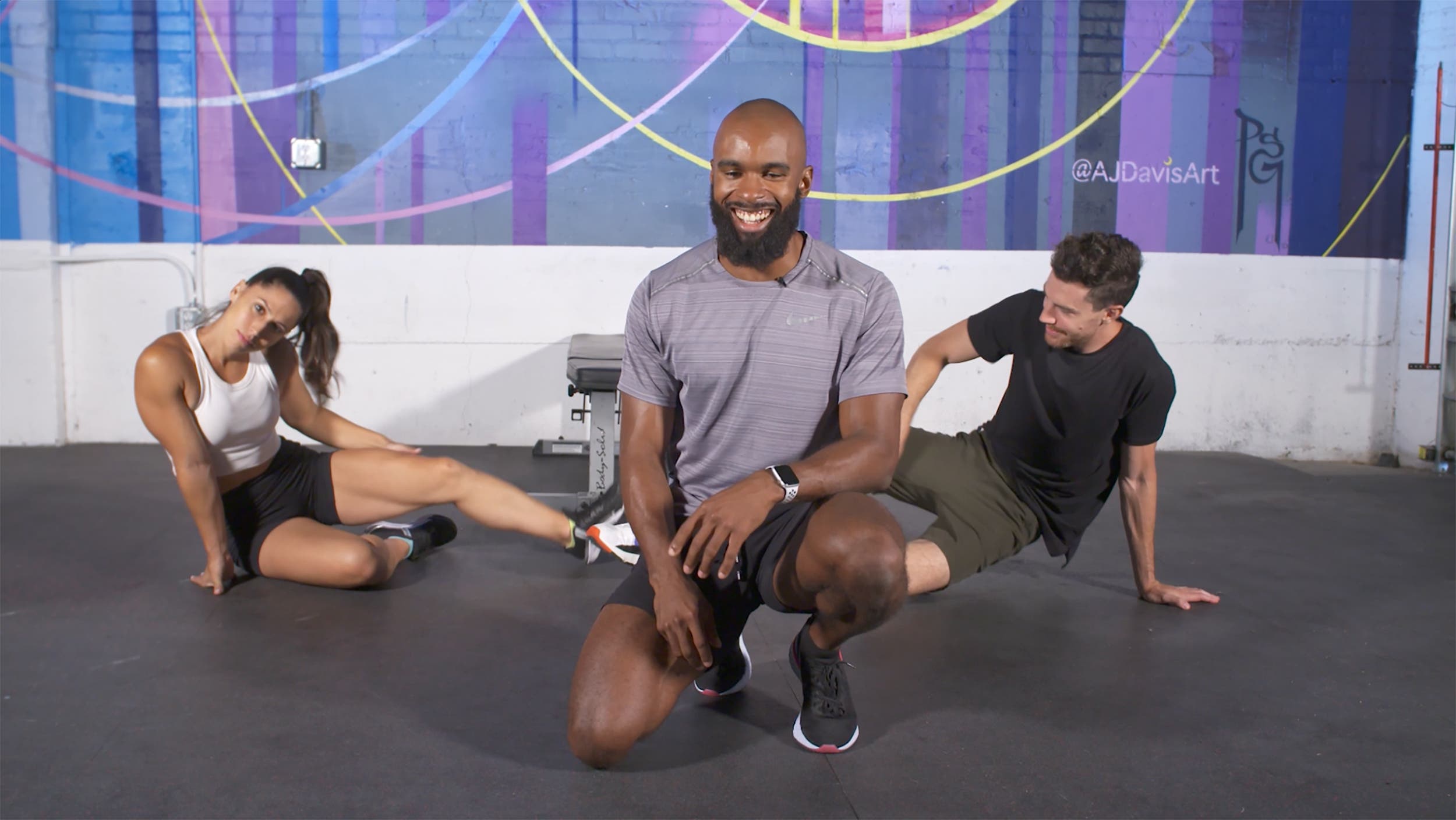
- Quadruped Series: This involves movements on all fours, such as "Bird-Dogs" and "Cat-Cow" variations. These exercises are critical for spinal decompression and the activation of the multifidus and transverse abdominis muscles, which protect the spine during the high-G forces of a turn.
- Lunge Series: Performing lunges in multiple planes (forward, lateral, and reverse) prepares the hip flexors and glutes for the asymmetrical loading inherent in skiing.
- Dynamic Series: High-knees and butt-kicks are utilized to elevate the heart rate and improve the elasticity of the Achilles tendon and calves.
Phase II: Lower Body Power Circuit (The Sandbag Series)
The core of the power endurance workout is the lower body circuit. Miller recommends four sets of the following exercises with no rest between movements and a 45-second recovery between sets.
- Weighted Squats: Using a sandbag held in a front-load position forces the core to work harder to maintain an upright posture, mimicking the "athletic stance" of a skier.
- Skater Hops: This plyometric movement is perhaps the most sport-specific exercise for skiers. It involves jumping laterally from one foot to the other, requiring both explosive power to take off and eccentric control to "stick" the landing.
- Lateral Lunges: These target the adductors and abductors, muscles that are essential for maintaining edge control on icy surfaces.
Phase III: Trunk Stability and Anti-Movement
In the context of skiing, the "core" is not just about abdominal strength; it is about "anti-movement." A skier must be able to keep their upper body quiet and facing down the fall line while their lower body moves independently.
- Deadbugs: This exercise teaches the athlete to move their limbs while keeping the lower back pinned to the floor, isolating the deep core.
- Anti-Rotation Planks: By resisting a force that tries to pull the body out of alignment, the skier builds the strength necessary to stay stable in heavy slush or chopped-up powder.
The Role of Equipment in Performance Testing
The development of these workouts often coincides with the annual SKI Test, an industry-standard event where professional testers evaluate the latest equipment on pristine corduroy and varied terrain. The data gathered during these tests indicates that even the most technologically advanced carving skis—featuring vibration-dampening Titanal layers and sophisticated sidecuts—cannot compensate for a fatigued pilot.
Professional testers noted that the ability to "lay the ski over" and maintain a clean edge throughout a turn is directly tied to the skier’s endurance. As the day progresses, testers with superior power endurance consistently reported better "feel" for the snow and higher performance scores for the equipment, whereas fatigued testers reported "chatter" and loss of edge grip, which were often symptoms of muscular failure rather than equipment deficiency.
Broader Implications for the Ski Industry and Public Health
The push for better pre-season conditioning has implications beyond individual performance. From a resort management perspective, fitter skiers contribute to a safer mountain environment. Fatigue-related accidents often involve "out-of-control" skiers who can no longer effectively brake or steer, posing a risk to themselves and others.

Furthermore, as the average age of the skiing population continues to rise, the importance of power endurance for "longevity in the sport" cannot be overstated. Maintaining muscular power is a key factor in preventing the age-related decline in balance. By engaging in targeted training, older skiers can continue to enjoy the sport well into their 70s and 80s, supporting the long-term economic health of mountain communities that rely on winter tourism.
Conclusion and Implementation
The transition from the "off-season" to the "on-season" requires more than just enthusiasm; it requires a calculated physiological preparation. The power endurance protocol developed by Chris Miller provides a roadmap for skiers to enhance their performance and safety. By focusing on the ability to sustain high-intensity efforts, skiers can ensure they have the "legs" to handle everything from groomed cruisers to technical back-bowl descents.
As the industry looks toward the 2025-2026 season, the integration of sports science into the recreational skiing experience remains a top priority. Whether one is a competitive racer or a weekend enthusiast, the message is clear: the work done in the gym during the autumn months determines the quality of the experience on the mountain in the winter. Training for power endurance is not merely about aesthetic gain; it is a fundamental requirement for anyone looking to make this winter their best season yet.
