
The transition from the vibrant colors of autumn to the snow-dusted peaks of early winter marks a critical period for alpine enthusiasts across the Northern Hemisphere. As the 2025-2026 ski season approaches, the focus within the winter sports community has shifted from gear acquisition to physical readiness. While the aesthetic of skiing often emphasizes the grace of a carved turn on pristine corduroy, the underlying physiological demands are rigorous. Experts in sports science note that although skiing is gravity-assisted, the forces exerted on the human body—particularly during high-velocity turns and through variable terrain—require a sophisticated level of conditioning that transcends basic leg strength.
In a collaborative effort to improve skier safety and performance, professional coaches and industry publications have highlighted the concept of "power endurance" as the primary differentiator between a successful season and one marred by fatigue or injury. Power endurance, defined as the ability to maintain high-intensity muscular output over an extended duration, is the cornerstone of modern alpine training. This capacity allows a skier to remain explosive and stable from the first lift at 9:00 AM to the final "bell-to-bell" run in the late afternoon.
The Biomechanics of Alpine Skiing and the Role of Power Endurance
To understand the necessity of specialized training, one must analyze the biomechanical requirements of a descent. Alpine skiing is a unique sport that combines eccentric, isometric, and concentric muscle contractions. As a skier enters a turn, the muscles must resist gravity and centrifugal force (eccentric), hold a stable edge through the apex (isometric), and then drive into the next transition (concentric).
According to data from sports physiology researchers, a typical 60-second groomed run can involve dozens of high-force repetitions. Without adequate power endurance, the neuromuscular system begins to lag. Fatigue in the quadriceps and core leads to a "backseat" posture, where the skier’s center of mass falls behind their boots. This postural collapse is a leading cause of Anterior Cruciate Ligament (ACL) injuries, as it places undue stress on the knee joint when navigating bumps or sudden changes in snow consistency.
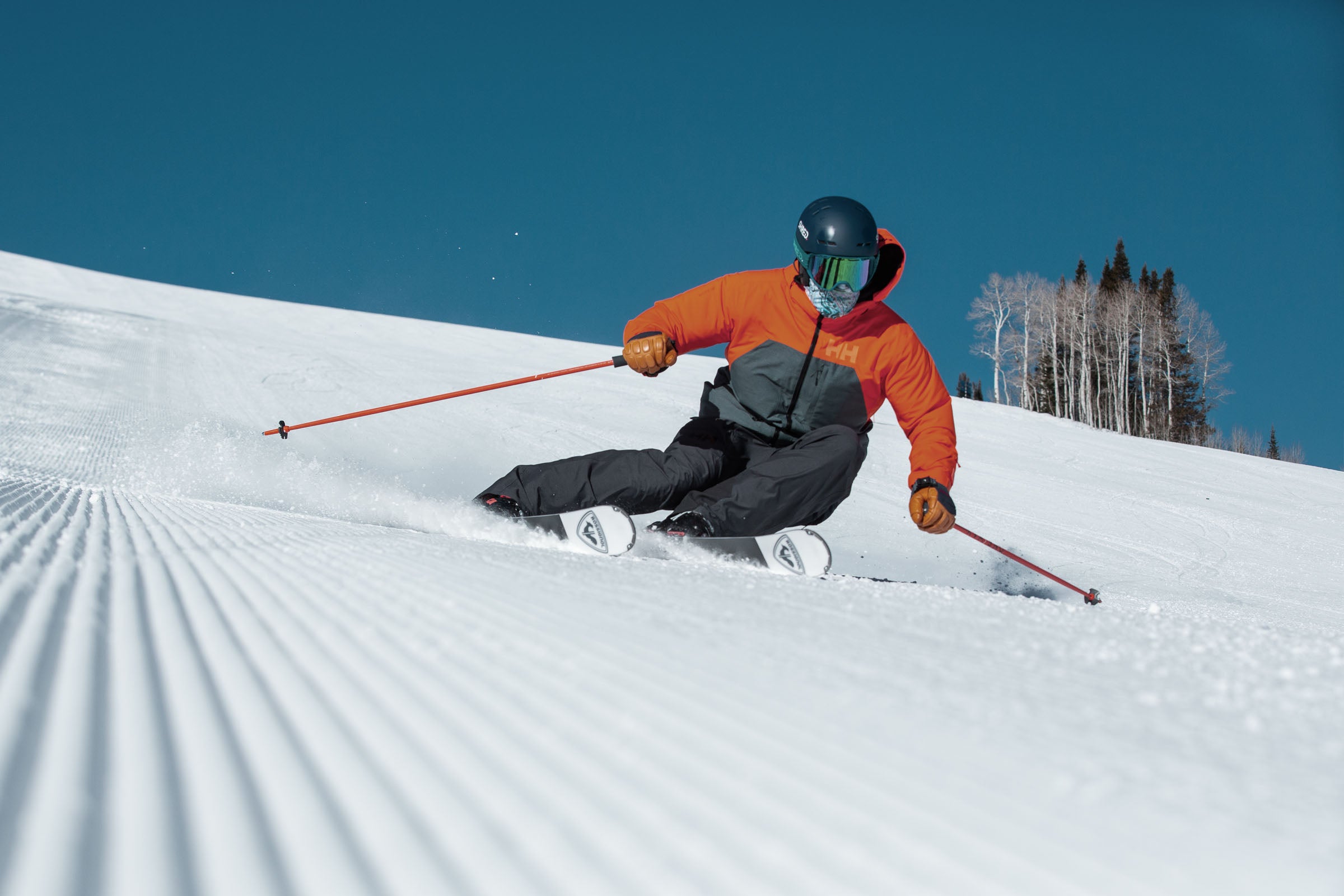
Chris Miller, a seasoned coach who has trained elite-level ski racers, emphasizes that true fitness for the mountain is not merely about the size of the muscles but their resilience under stress. Miller’s methodology focuses on bridging the gap between raw strength and cardiovascular stamina. By training the body to remain explosive even when the heart rate is elevated and the muscles are saturated with metabolic byproducts, skiers can maintain the technical precision required for high-speed carving.
Chronology of Seasonal Preparation: The "Get Fit to Rip" Timeline
The preparation for a successful winter season typically follows a periodized schedule. For most recreational and competitive skiers, this timeline begins in the late summer and intensifies as the resort opening dates approach.
- Late Summer (Base Phase): Focus on cardiovascular aerobic capacity and general functional mobility.
- Early Autumn (Strength Phase): Emphasis on heavy resistance training to build the muscular foundation of the lower body and trunk.
- Late Autumn (Power Endurance Phase): The current focus of the industry, involving plyometrics and circuit-based training to simulate the duration of a ski run.
- Early Winter (On-Snow Transition): Integrating gym-based fitness with technical drills on the mountain.
The current training protocols being released in late 2025 are designed specifically for the "Power Endurance Phase," providing a final conditioning boost before the peak of the season.
The Chris Miller Power Endurance Protocol: A Detailed Breakdown
The training regimen developed by Chris Miller and promoted by SKI Magazine is structured into three distinct circuits. Each circuit targets a specific pillar of alpine performance: mobility, explosive leg power, and trunk stability.
Circuit 1: The Quadruped and Dynamic Warmup
Before engaging in high-intensity movements, the athlete must prime the central nervous system and ensure joint mobility. The Quadruped Series is a foundational element of this protocol, focusing on the relationship between the shoulders and hips—the two primary engines of stability in skiing.
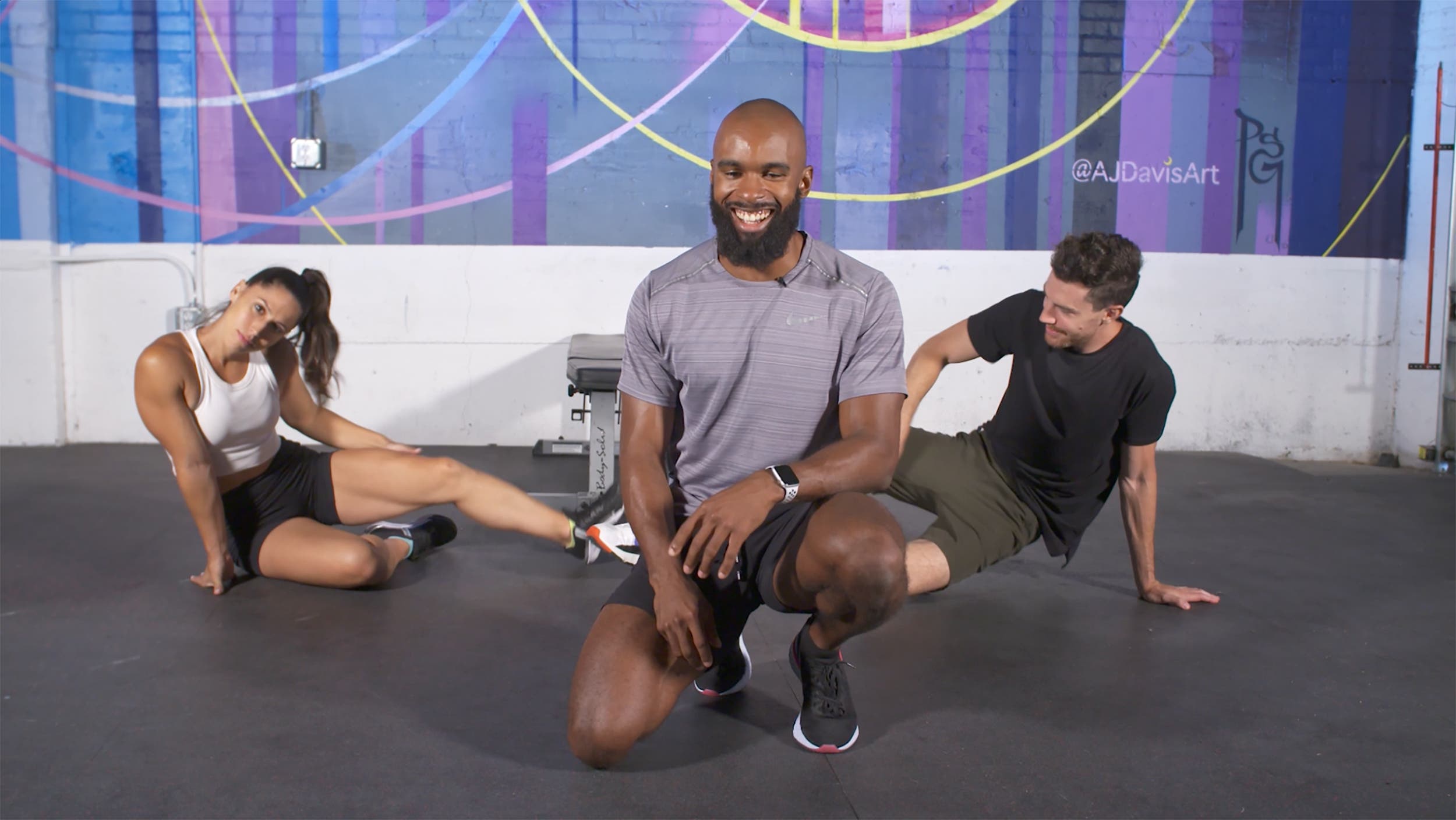
- The Quadruped Series: This includes movements performed on all fours, designed to activate the deep core and glutes. Exercises such as "Bird-Dogs" or quadruped hip circles are typically performed for six repetitions per side.
- The Lunge Series: Transitioning to a standing position, the lunge series introduces linear and lateral movement. Skiing is rarely a purely forward-moving sport; it involves constant lateral weight shifts. Performing lunges with a focus on alignment prepares the patellar tendons for the stresses of the day.
- The Dynamic Series: This final stage of the warmup increases the heart rate and introduces faster movements, ensuring the muscles are warm and the joints are lubricated with synovial fluid.
Circuit 2: The Leg Power and Sandbag Series
The second circuit addresses the primary drivers of the ski turn. The use of a sandbag is particularly effective for skiers because, unlike a barbell, the weight in a sandbag shifts. This mimics the "unstable" nature of snow, which can change from ice to slush in a single turn.
The protocol suggests four sets of the following movements with minimal rest between exercises and 45 seconds of recovery between sets:
- Lateral Skater Hops: These simulate the side-to-side transition of carving. The focus is on "sticking the landing," which trains the eccentric strength required to absorb terrain.
- Sandbag Squats or Cleans: These movements build explosive power in the glutes and quadriceps.
- Plyometric Drills: By incorporating jumps, the athlete trains the "fast-twitch" muscle fibers necessary for reacting to unexpected moguls or ice patches.
Circuit 3: Trunk Stability and Anti-Movement
In the context of alpine skiing, the "core" is often misunderstood as simply the abdominal muscles. For a skier, the trunk acts as a stabilizer that prevents the upper body from rotating excessively while the lower body works beneath it. This is known as "separation."
The "Anti-Movement" circuit focuses on resisting external forces:
- Deadbugs: A foundational core exercise that teaches the athlete to move their limbs while keeping the spine neutral and the pelvis stable.
- Anti-Rotation Holds: Often performed with a resistance band or cable, these exercises train the obliques to resist being pulled out of alignment—a common occurrence when a ski catches an edge.
- Plank Variations: These build the endurance required to hold a tucked or athletic stance for the duration of a long descent.
Data-Driven Analysis of Injury Prevention
The implications of this training extend beyond performance; they are a matter of public safety. Statistics from the National Ski Areas Association (NSAA) and various orthopedic studies indicate that the majority of non-collision injuries occur during the final hour of the ski day. As the "power endurance" of the quadriceps wanes, the muscles can no longer effectively protect the ligaments of the knee.

Furthermore, a study of amateur skiers found that those who engaged in a minimum of six weeks of pre-season functional training reported a 30% lower rate of muscle strains and a significantly higher level of self-reported "mountain confidence." By training the body to handle fatigue, the skier maintains better situational awareness, reducing the likelihood of collisions with other trail users.
Broader Impact on the Winter Sports Industry
The shift toward professional-grade fitness for the general public reflects a broader trend in the outdoor industry. As equipment becomes more advanced—with modern carving skis and "all-mountain" rockers allowing for higher speeds with less effort—the physical "bottleneck" has shifted from the gear to the human.
Retailers and resorts have noted that fit skiers tend to spend more on "apres-ski" activities and multi-day passes, as they are not sidelined by soreness after the first day of a trip. Consequently, the promotion of workouts like the Chris Miller Power Endurance circuit has become an economic driver for the industry, ensuring that participants remain active and engaged throughout the entire winter calendar.
Conclusion and Implementation
As the November 19 update to the seasonal training guidelines suggests, the window for effective pre-season conditioning is narrowing. For those looking to make the 2025-2026 season their most productive yet, the integration of power endurance circuits is no longer optional—it is a prerequisite for high-level performance.
By following a structured regimen that emphasizes functional movement over static lifting, skiers can ensure they have the "gas in the tank" to handle everything from groomed boulevards to technical glades. The combination of professional coaching insights, such as those provided by Chris Miller, and a commitment to physiological preparation allows skiers to transition from the gym to the gondola with the confidence that their bodies are as ready as their equipment.
