
The transition from the temperate autumn months to the winter ski season represents a critical physiological window for alpine athletes and recreational skiers alike. While many enthusiasts view the fall as a period of leisure, sports medicine professionals and professional trainers emphasize that this period is essential for building the physical foundation required to navigate high-altitude environments and high-velocity descents. The primary objective of preseason training is twofold: the enhancement of performance and the mitigation of injury risks. According to a longitudinal Swedish study focused on alpine ski students, the implementation of structured preseason neuromuscular training resulted in a reduction of anterior cruciate ligament (ACL) injuries by nearly 50 percent over the course of two seasons. This data underscores the vital importance of physical readiness in a sport characterized by unpredictable terrain and significant physical stress.
The Physiological Demands of Alpine Skiing
Skiing is a multifaceted discipline that requires a unique combination of cardiovascular endurance, explosive power, and isometric stability. Unlike many traditional sports that rely on concentric muscle movements—where the muscle shortens under tension—skiing places a heavy emphasis on eccentric loading. As a skier moves down a slope, their muscles must constantly lengthen while under tension to absorb the impact of uneven snow and maintain a stable posture during turns.
For skiers entering their fourth or fifth decade of life, the emphasis shifts toward longevity and the maintenance of joint health. However, the requirement for preseason conditioning is universal, regardless of age or skill level. Whether navigating the high-traffic corridors of the Rocky Mountains or preparing for technical descents in the European Alps, the human body requires specific adaptations to handle the forces generated by gravity and centrifugal motion.
Strategic Preseason Activities: A Multi-Disciplinary Approach
To achieve peak condition, experts recommend a diversified training regimen that targets the specific muscle groups and energy systems used on the mountain. The following activities have been identified as high-yield preseason interventions.
Vertical Ascent Training and Slope Hiking
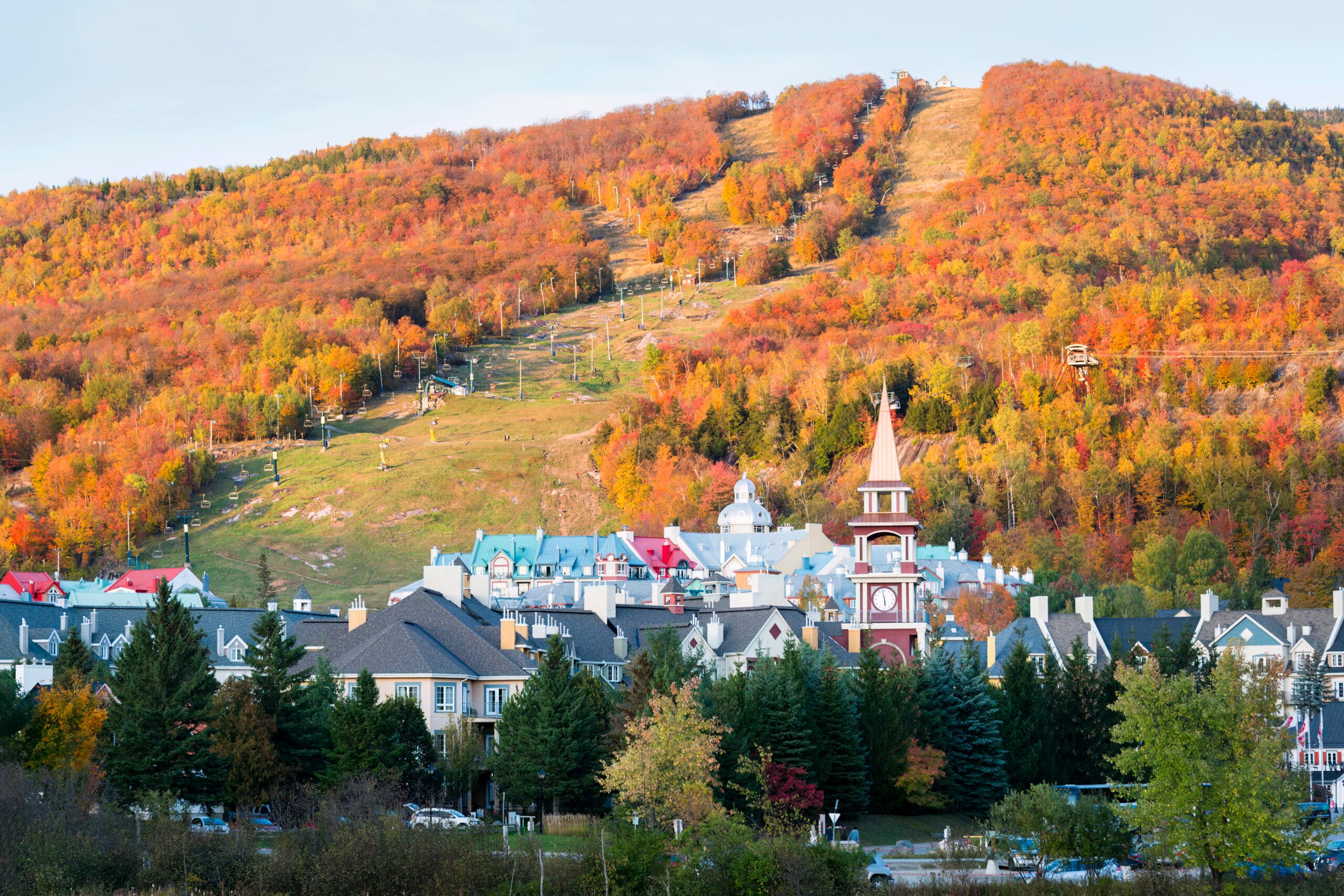
One of the most direct methods of preparation involves hiking on the very terrain that will eventually be covered in snow. For those living in proximity to ski resorts, climbing ski slopes provides a functional workout that mirrors the demands of the season. The significant elevation gain serves to increase VO2 max while simultaneously targeting the quadriceps, hamstrings, and gluteal muscles.
From a biomechanical perspective, hiking uphill requires significant engagement of the posterior chain, which provides the stability necessary for "poling" and traversing during the winter. Advanced practitioners often incorporate weighted vests into these hikes to simulate the load of an avalanche pack or heavy winter gear. This added resistance increases the metabolic demand of the workout, ensuring that the cardiovascular system is prepared for the thinner air found at higher altitudes.
Mountain Biking and Edge Control Simulation
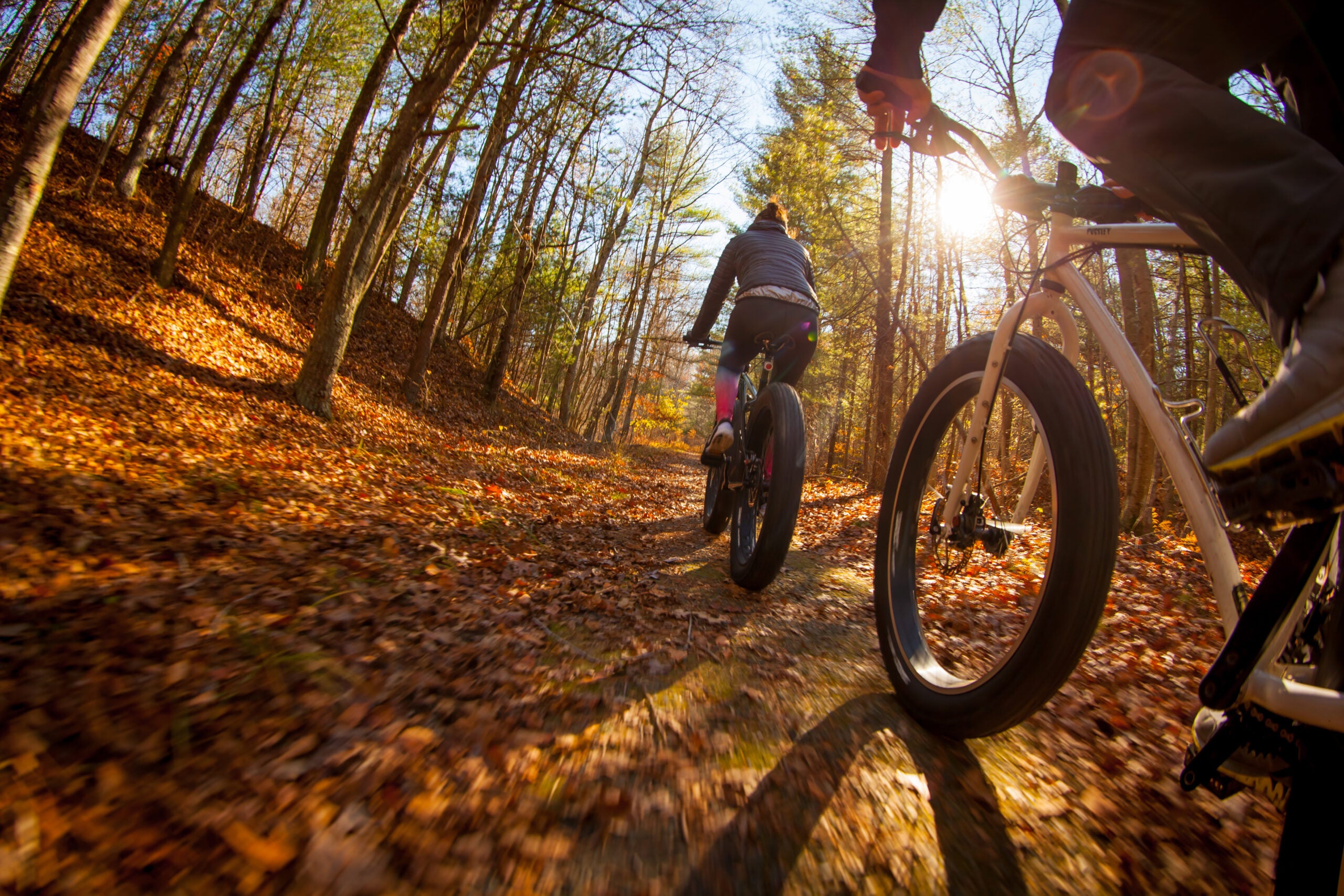
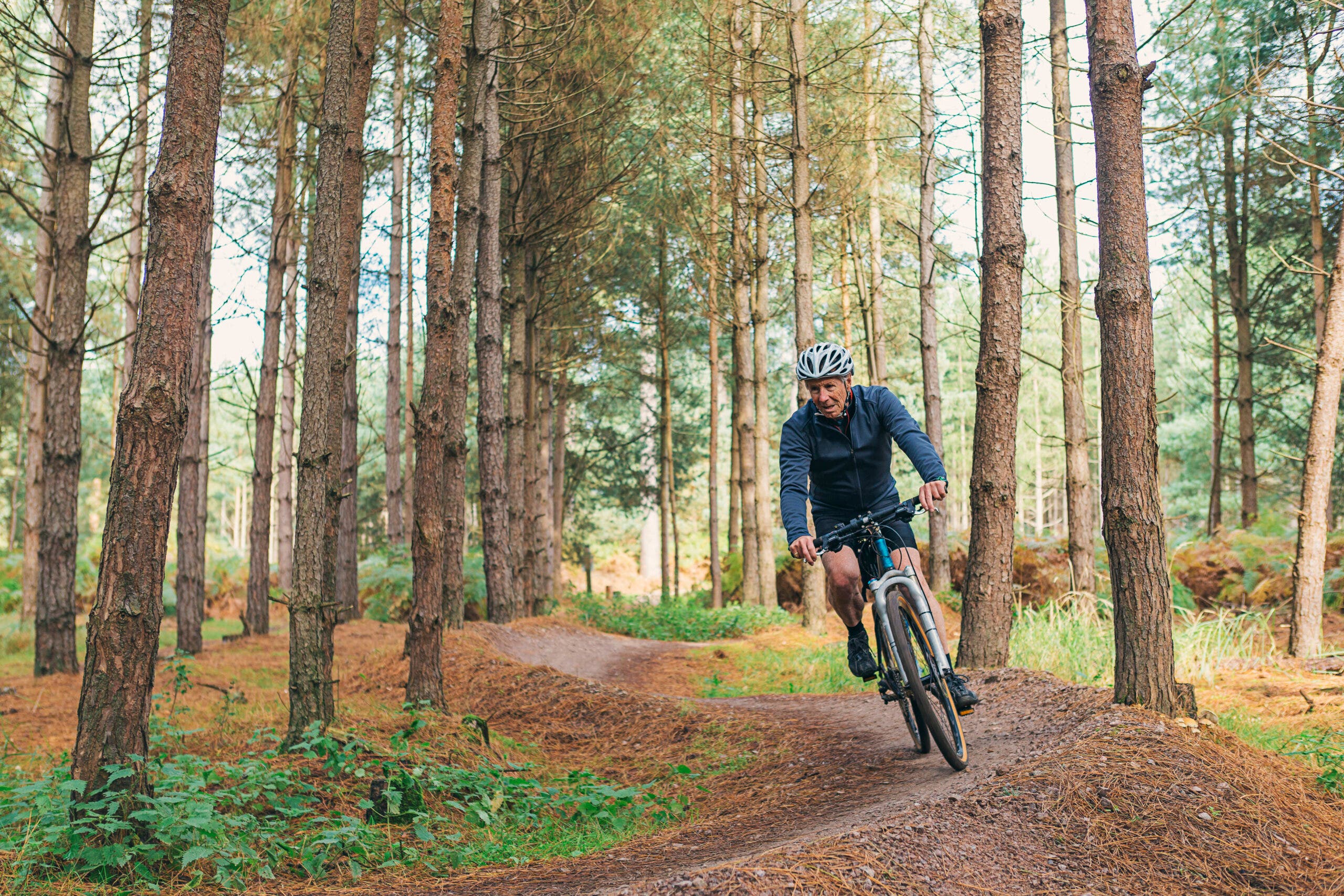
Mountain biking has emerged as a preferred off-season activity for the global skiing community. The sport shares several key commonalities with alpine skiing, including the necessity for rapid line choice, balance on unstable surfaces, and the management of momentum. The act of cornering on loose dirt or technical "singletrack" trails mimics the weight distribution and edge control required to navigate variable snow conditions.
Furthermore, mountain biking provides high-intensity interval training (HIIT) benefits. The fluctuating intensity of a ride—climbing steep inclines followed by technical descents—closely resembles the energy expenditure of a typical ski run. For those in urban environments without access to mountain trails, off-road spin classes and stationary cycling can provide similar cardiovascular benefits, though they lack the proprioceptive challenges of outdoor riding.
Via Ferrata and Core Stability
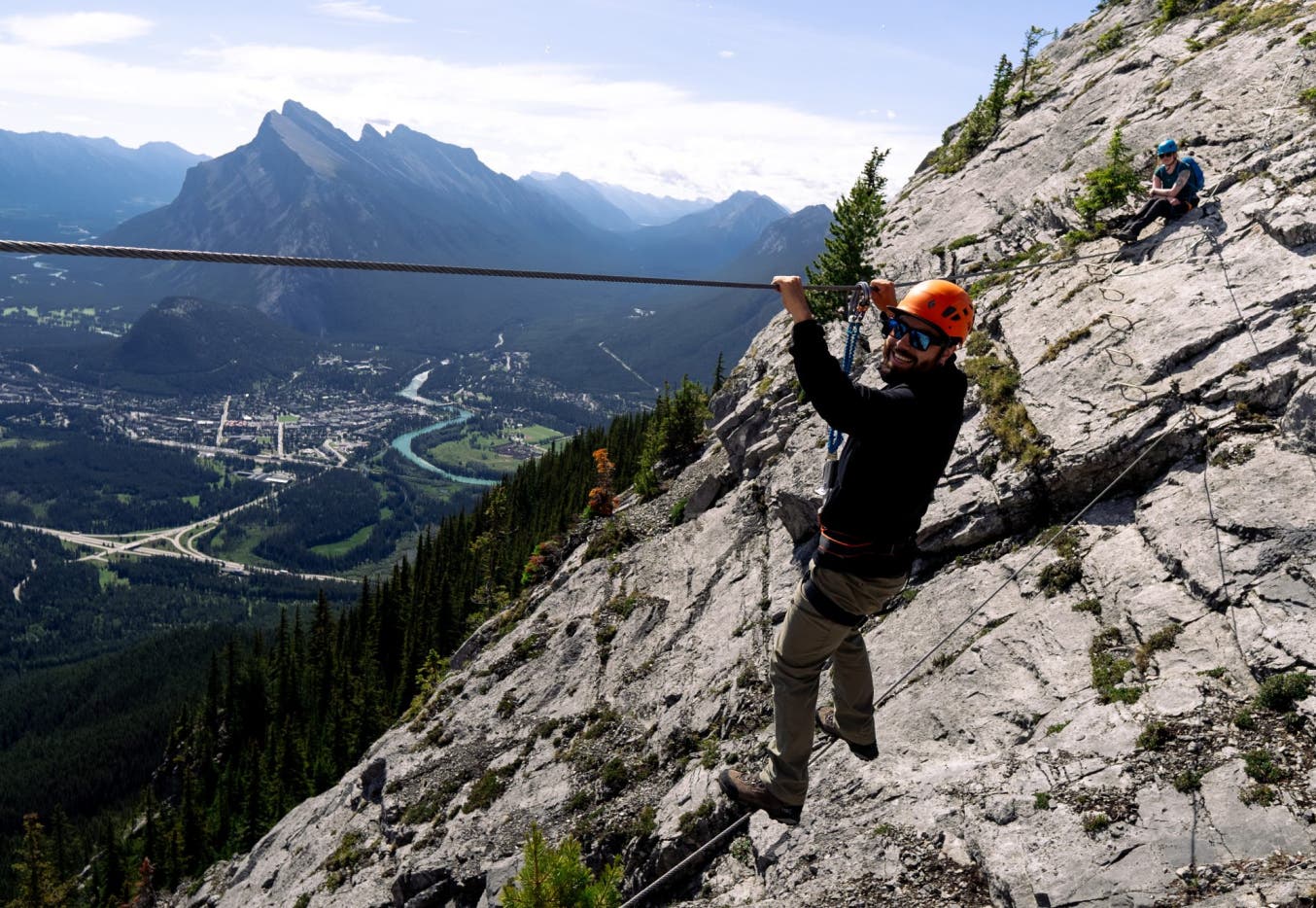
The "Via Ferrata," or "iron path," offers a specialized form of training that combines elements of rock climbing and hiking. Originating in the Italian Dolomites, these protected climbing routes have become increasingly popular in North America as training tools for mountain athletes. Navigating a Via Ferrata requires intense mental focus and significant core engagement.
The physical requirements of hanging onto iron rungs and traversing cliff faces develop grip strength and upper-body stability, which are often overlooked in traditional leg-heavy ski programs. More importantly, the constant need to stabilize the torso while moving the limbs helps develop the core strength necessary to maintain an upright, athletic stance in deep powder or heavy "mashed potato" snow.
High-Altitude Trail Running
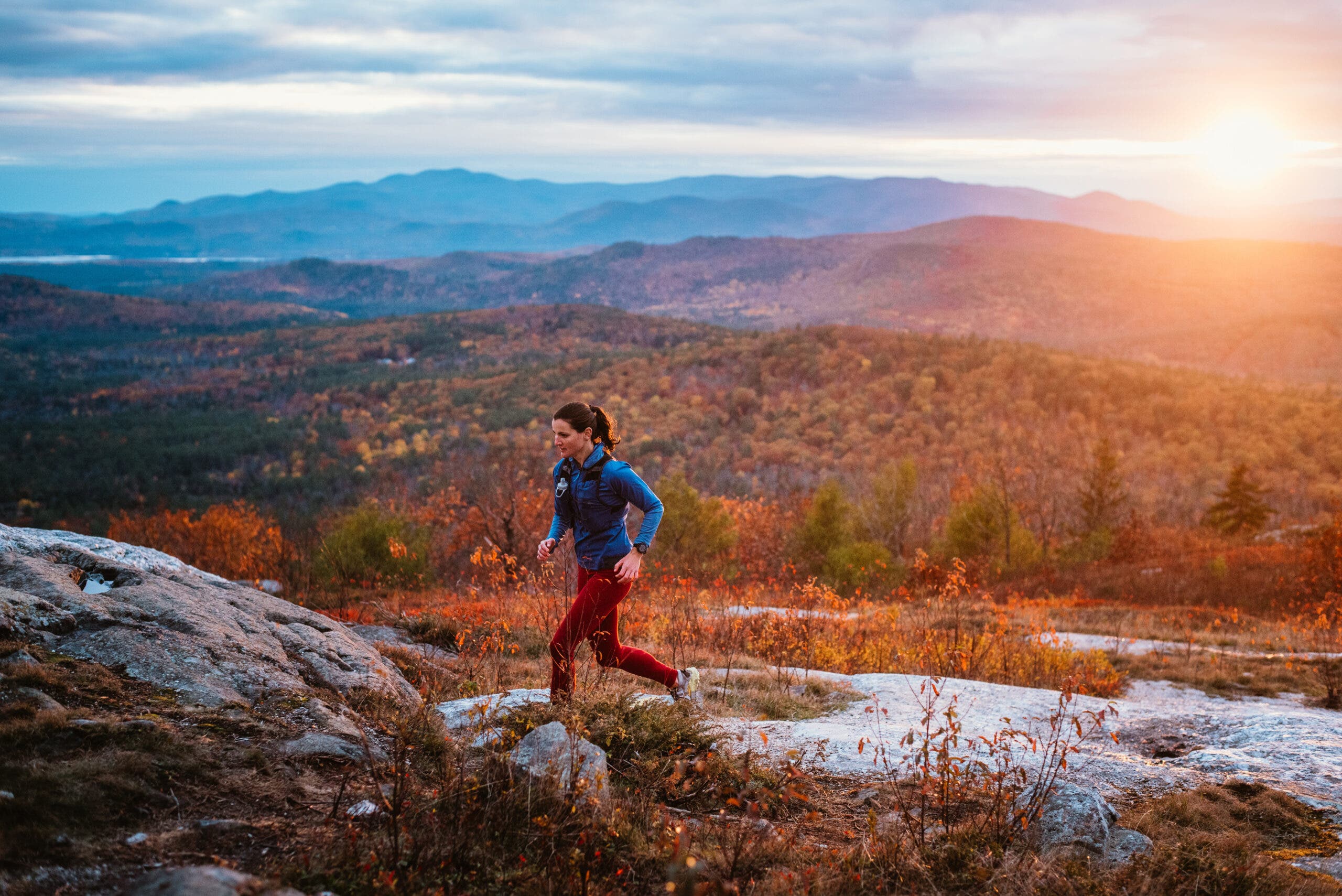
Trail running at altitude is perhaps the most effective way to prepare the respiratory system for the demands of a ski resort. At higher elevations, the decrease in partial pressure of oxygen forces the body to produce more red blood cells and improves the efficiency of oxygen transport to the muscles.
Running on uneven, natural trails also strengthens the smaller stabilizer muscles around the ankles and knees. These "micro-adjustments" are essential for preventing the types of stumbles that lead to ligamentous injuries on the slopes. For athletes living at sea level, incline treadmill training serves as a functional substitute, provided the intensity is high enough to challenge the cardiovascular system.
The Role of Technology: Ski Simulators and Indoor Facilities
In recent years, the emergence of indoor ski centers and advanced simulators has revolutionized preseason training, particularly for those in regions without natural mountain access. Facilities such as Big Snow in New Jersey or various "infinite slope" centers provide a controlled environment where skiers can maintain their "ski legs" year-round.
The "infinite slope" technology utilizes a revolving carpet—similar to a giant treadmill—that can be adjusted for speed and pitch. This allows for high-repetition training of carving, edging, and weight shifting. Because the environment is controlled, skiers can focus exclusively on their form, refining their hip angulation and upper-lower body separation without the distractions of weather or crowds. These simulators are particularly effective for "neuromuscular re-education," ensuring that the brain and muscles are perfectly synced before the first snowfall.
Chronology of a Preseason Regimen
A successful preseason program typically follows a structured timeline to ensure the athlete peaks at the right time.
- Late Summer (August – September): Focus on base cardiovascular endurance and general strength training. This is the period for long mountain bike rides and extended hikes to build a "fitness floor."
- Early Fall (September – October): Transition to sport-specific movements. Incorporate trail running and Via Ferrata to improve balance and stability. Begin focusing on eccentric leg exercises, such as "wall sits" and "Russian hamstrings."
- Late Fall (October – November): Increase intensity and incorporate plyometrics. This is the time for "explosive" movements, including box jumps and lateral leaps, to simulate the power needed for moguls and steep terrain.
- Early Season (December): On-snow "shakedown" runs. Focus on technique and gradually increasing volume to avoid early-season fatigue.
Supporting Data: The Science of Injury Prevention
The Swedish study regarding ACL injuries is part of a broader body of research suggesting that most ski injuries occur when the athlete is fatigued. Fatigue leads to a breakdown in form, which in turn places undue stress on the ligaments. By increasing muscular endurance and cardiovascular capacity during the fall, skiers can delay the onset of fatigue, thereby extending their safe skiing time each day.
Data from the U.S. Ski Team’s medical staff indicates that core strength and hip mobility are the two most significant factors in preventing lower-extremity injuries. When the hips are tight or the core is weak, the knees are forced to compensate for the lack of movement, often leading to "valgus collapse"—the inward buckling of the knee that is a primary cause of ACL tears.
Industry Implications and Economic Impact
The push for preseason fitness has broader implications for the ski industry as a whole. Resort operators have a vested interest in the health and safety of their guests; fewer injuries on the mountain lead to lower insurance costs and a better overall guest experience. Furthermore, a fitter skiing population is more likely to purchase multi-day passes and engage in high-value activities such as backcountry touring or heli-skiing.
The growth of "mountain-adjacent" fitness—including specialized gyms and indoor slopes—has created a year-round economy for a sport that was once strictly seasonal. This trend reflects a shift in the consumer mindset, where skiing is viewed not just as a vacation activity, but as an athletic pursuit that requires year-round dedication.
Conclusion: The Long-Term Benefits of Preparation
Ultimately, the goal of preseason training is to ensure that the transition from "dry land" to "powder" is as seamless as possible. For the athlete, the rewards are clear: more runs, less soreness, and a significantly reduced risk of a season-ending injury. By utilizing the autumn months to engage in hiking, biking, and technical training, skiers can ensure they are prepared for the physical and mental rigors of the mountains. As the industry continues to evolve with new technology and better physiological data, the standard for what it means to be "ready" for ski season continues to rise, rewarding those who treat the off-season with the same respect as the winter itself.
