
A significant late-season snowfall has delivered a much-anticipated boost to Utah’s ski resorts, offering a welcome reprieve for skiers and snowboarders after a season that had been marked by challenging conditions for many. The storm, arriving in early April, has blanketed several of the state’s renowned mountains with substantial powder, extending the viability of the ski season and providing a surge of excitement for enthusiasts.
Unforeseen Spring Deluge Revitalizes Utah’s Slopes
The unexpected winter blast, occurring as many resorts were preparing for their spring closures, has transformed the landscape across Utah’s Wasatch Range. Seven of the state’s fifteen ski resorts remain operational, and the recent snowfall has significantly improved conditions, allowing them to continue offering prime skiing and snowboarding opportunities. This late-season dump has been particularly impactful for resorts that were facing the prospect of an early shutdown.
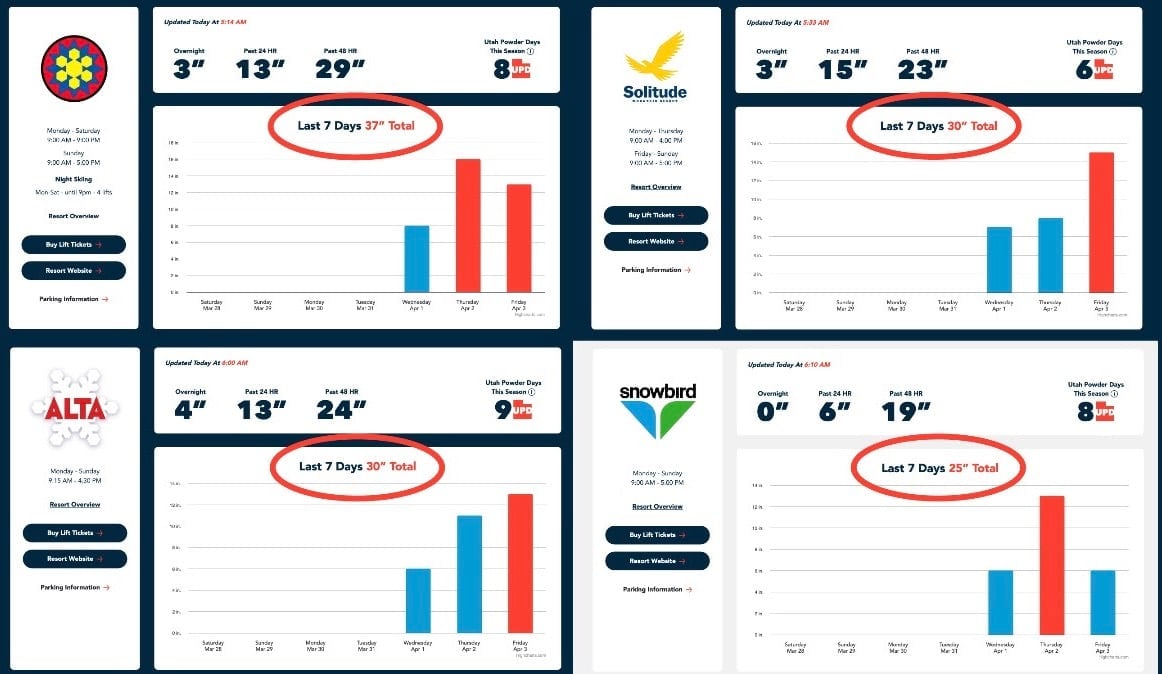
Brighton Ski Resort emerged as a significant beneficiary of this meteorological anomaly, reporting an impressive 29 inches of new snow from the storm. Over the preceding seven days, Brighton recorded a remarkable 37 inches of accumulation, a figure that has brought renewed enthusiasm to the resort. Brighton’s management has actively encouraged visitors to take advantage of the "miracle snow," urging skiers and snowboarders to visit over the weekend to experience the exceptional spring conditions. The resort’s proactive engagement highlights the significant positive impact of the storm on its operational outlook and visitor morale.
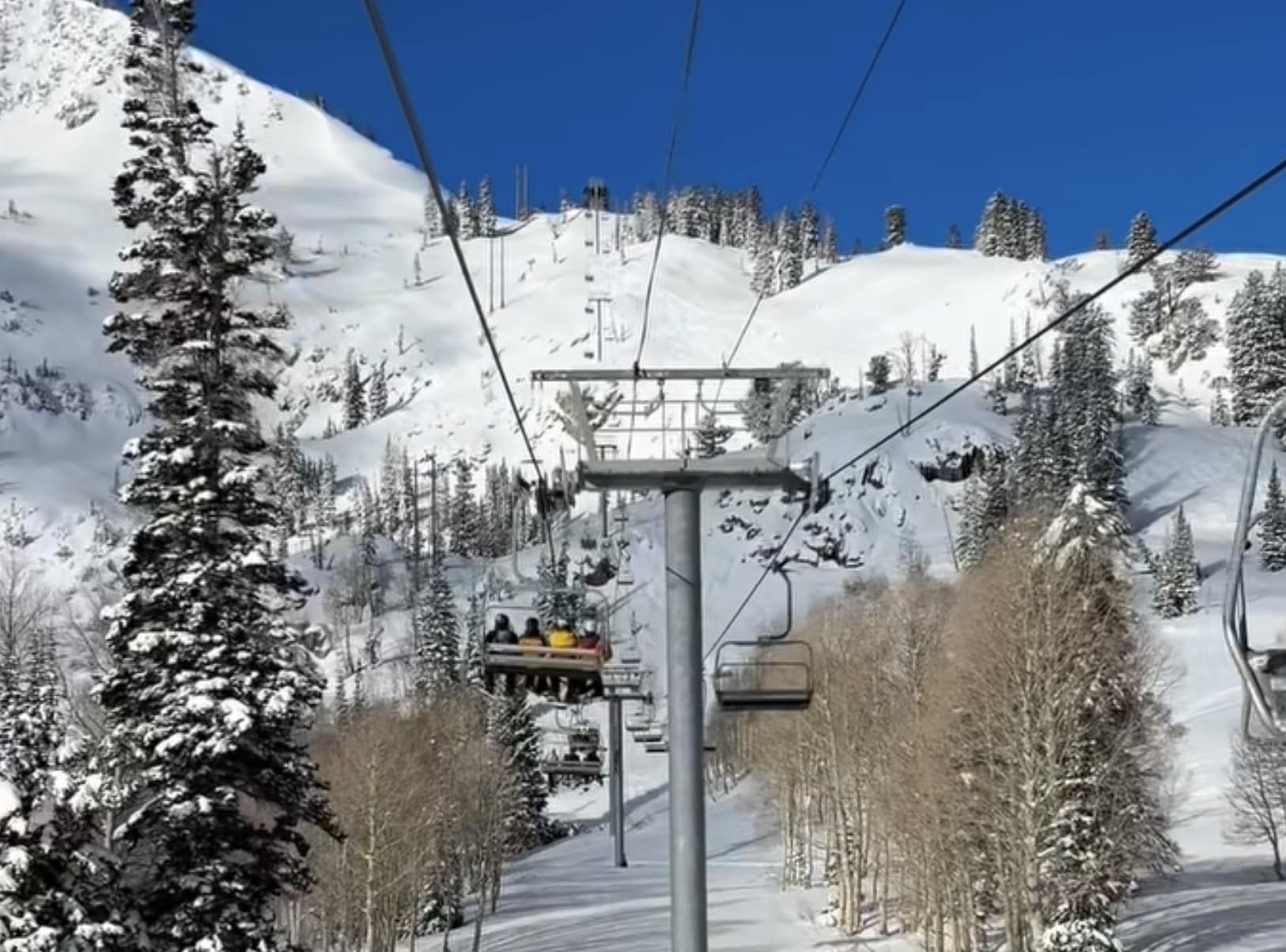
Other major resorts in the region, including Solitude, Alta, and Snowbird, also received substantial snowfall. These resorts, known for their challenging terrain and high-quality snow, are now experiencing a resurgence of excellent spring skiing. The presence of abundant powder combined with longer daylight hours, characteristic of April, creates an ideal scenario for outdoor enthusiasts. Alta, in particular, experienced a rare thundersnow event during the storm, adding a unique and memorable element to the already exceptional conditions. This phenomenon, where lightning and thunder occur during snowfall, is a testament to the intensity and unusual nature of the weather system.
Storm’s Impact on Ski Season Operations
The timing of this significant snowfall is crucial for Utah’s ski industry. As the traditional end of the ski season approaches in March and early April, many resorts face declining snow bases and reduced operational capacity. This late-season surge not only extends the skiing window but also provides a substantial economic benefit, drawing in visitors who might have otherwise concluded their winter sports activities.
The extended operational period for resorts like Brighton, Solitude, Alta, and Snowbird means that season pass holders and day ticket purchasers can continue to enjoy the slopes for longer. It also offers a final opportunity for those who may have been disappointed by earlier season conditions to experience the world-class skiing Utah is known for.
Data and Snowfall Accumulation
Detailed snowfall data from the storm indicates a significant regional impact. While Brighton reported the highest accumulation at 29 inches from the single storm event, other resorts also saw considerable benefits. Information gathered from weather monitoring stations and resort reports suggests that the storm’s intensity varied across the Wasatch Range, with higher elevations generally receiving more snow.
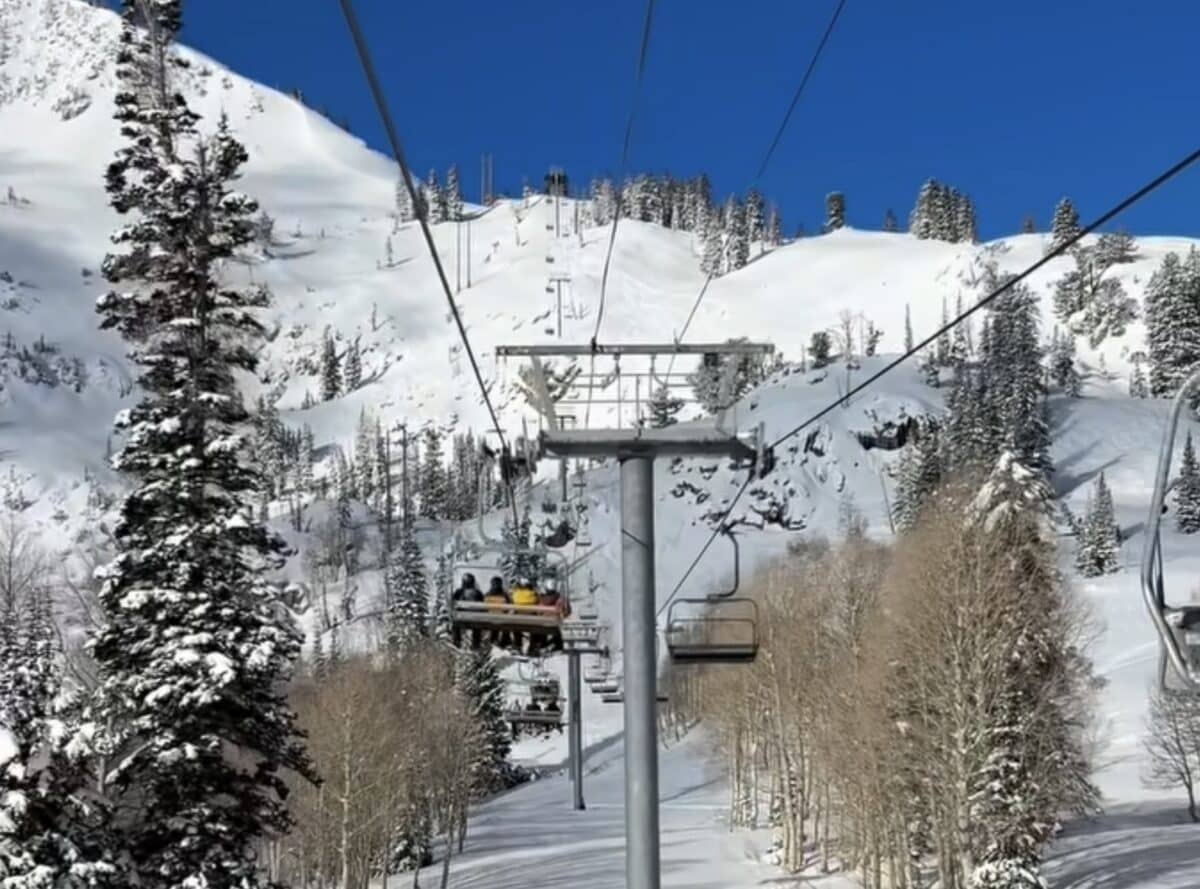
- Brighton Ski Resort: 29 inches (storm total), 37 inches (last 7 days)
- Solitude Mountain Resort: Significant accumulation, exact figures vary by reporting station.
- Alta Ski Area: Significant accumulation, reported rare thundersnow event.
- Snowbird: Significant accumulation, contributing to excellent spring conditions.
The depth of the snowpack in many areas is now well above average for this time of year, revitalizing ungroomed runs and offering fresh powder stashes for skiers and snowboarders. This resurgence in snow depth is vital for maintaining the quality of the snow surface, especially on steeper and more exposed terrain.
Background and Context: A Season of Varied Conditions
The 2025-2026 ski season in Utah had, prior to this storm, been characterized by periods of inconsistent snowfall and warmer temperatures in certain parts of the season. While some resorts experienced periods of good snow, the overall pattern had not always delivered the deep, consistent powder Utah is globally celebrated for. This made the early April snowfall particularly welcome, offering a dramatic and positive shift in the season’s narrative.
Utah’s ski resorts are a significant economic driver for the state, attracting millions of visitors annually and supporting thousands of jobs. A strong ski season is vital for the tourism sector, and this late-season boost is expected to have a positive ripple effect on local economies. Resorts often rely on a robust snowpack to draw visitors through the spring months, and this storm has undoubtedly secured that for many.
Official Responses and Enthusiast Reactions
Resort operators have expressed their delight at the unexpected bounty. Brighton’s enthusiastic call to action, "get up here and ride this miracle snow this weekend," encapsulates the sentiment felt across the industry. This sentiment is echoed by skiers and snowboarders who have been eagerly sharing their experiences on social media, showcasing fresh tracks and pristine conditions.
Online forums and social media platforms are abuzz with images and videos of powder skiing, with many users expressing gratitude for the late-season gift. The term "miracle snow" reflects the sentiment of many who believed the season might be winding down with less-than-ideal conditions.
"It’s been a season of ups and downs," commented one skier on a popular online forum. "But this storm has completely changed things. I can’t believe we’re still getting this kind of powder in April. It’s a dream come true."
Broader Impact and Future Implications
The implications of this April snowfall extend beyond immediate recreational opportunities. For the ski industry, extended seasons can lead to increased revenue, allowing resorts to recover from any earlier financial shortfalls and invest in future improvements. It also reinforces Utah’s reputation as a premier skiing destination, potentially attracting new visitors for future seasons.
Furthermore, the sustained snowpack can have positive environmental effects. A deeper snowpack helps to insulate the ground, protecting vegetation and ecosystems. It also contributes to water resources, as melting snowpack is a critical source of water for many communities in the arid West.
The presence of a strong snow base heading into the spring melt also has implications for wildfire season. A more substantial snowpack can delay the onset of dry conditions, potentially reducing the risk of early-season wildfires.
Projected Closing Dates and Continued Opportunities
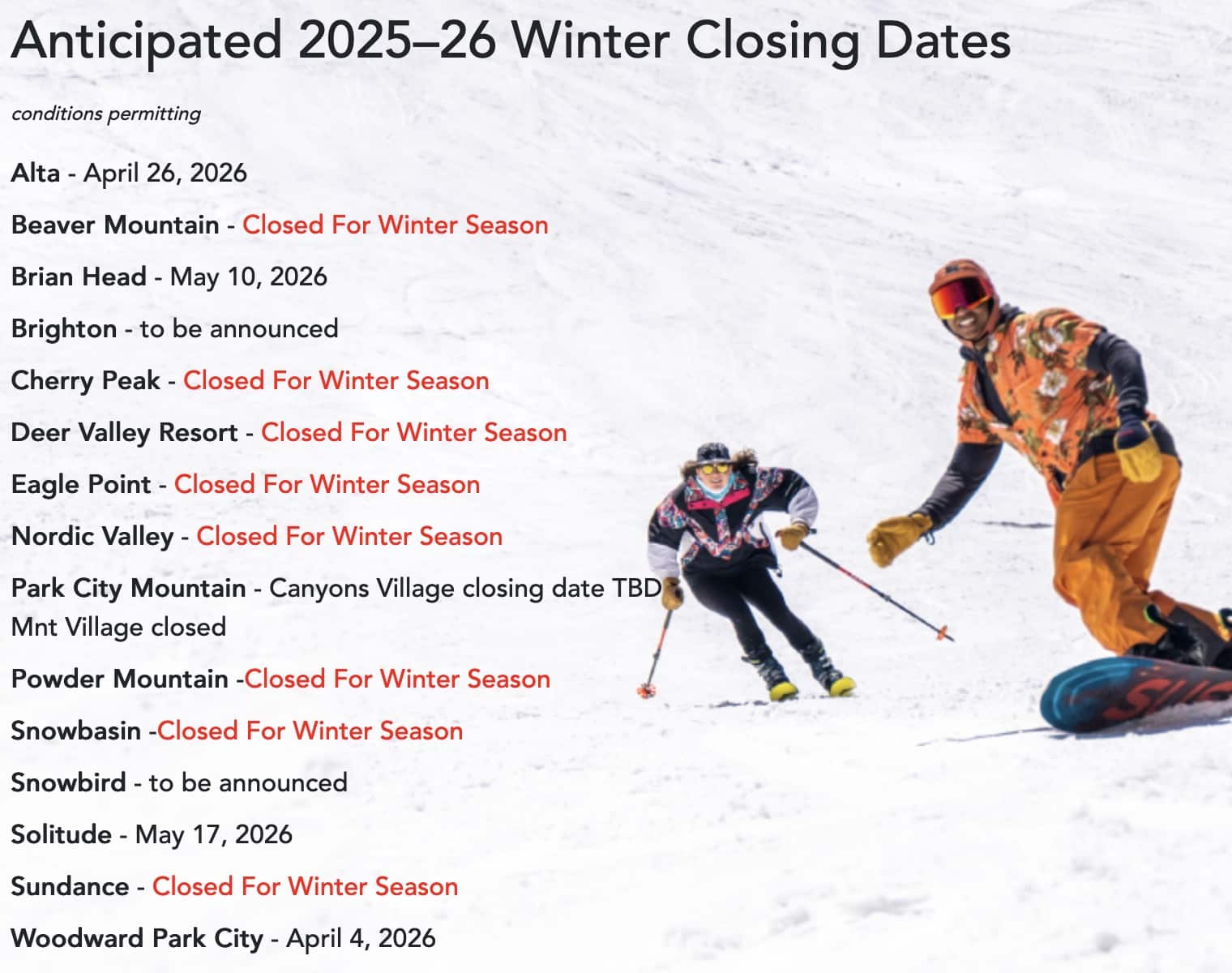
While the exact closing dates for many resorts are subject to change based on continued snowfall and melt-off rates, the recent storm has significantly pushed back these projections. Skiers and snowboarders are advised to check the official websites of individual resorts for the most up-to-date information on operating hours and expected closing dates.
The following provides a general overview of projected closing dates, though these are subject to revision:
- Resorts likely to extend operations significantly: Brighton, Solitude, Alta, Snowbird.
- Resorts with potential for extended spring skiing: Other resorts that have received substantial snow may also extend their seasons beyond initial projections.
The late-season snowfall serves as a powerful reminder of the unpredictable nature of mountain weather and the resilience of Utah’s ski industry. It has provided a much-needed injection of excitement and opportunity, ensuring that the 2025-2026 ski season ends on a high note for many. The "miracle April snowstorm" has not only revitalized the slopes but also rekindled the passion of skiers and snowboarders across the Beehive State.
