
The 2025/2026 ski season in Montana has been marked by significant operational disruptions and premature closures across numerous resorts, a trend mirroring challenges faced by ski areas throughout the western United States. Unseasonably warm temperatures and a pervasive lack of natural snowfall have severely impacted the region’s winter tourism industry, forcing several beloved ski destinations to cease operations well ahead of their typical closing dates. This widespread issue has not only affected the economic viability of these resorts but also the recreational opportunities for skiers and snowboarders across the state.
The most stark illustration of the season’s difficulties is the case of Bear Paw Ski Bowl. This smaller, community-oriented ski area in North Central Montana was unable to open its lifts at all during the 2025/2026 winter season. This unprecedented situation highlights the extreme conditions that some resorts have faced, where even the most dedicated efforts could not overcome the deficit of adequate snow cover. For a ski area that relies heavily on consistent winter conditions, an entire season without operation represents a significant financial and operational setback.
Beyond Bear Paw Ski Bowl’s complete closure, at least five other Montana ski resorts have already concluded their operational periods. These early shutdowns are a direct consequence of the diminished snowpack, which makes maintaining safe and enjoyable skiing conditions untenable. As of early April 2026, a handful of additional resorts are slated for closure within the coming days, signaling the definitive end of the season for many. This article aims to provide a comprehensive overview of the known closing dates for Montana’s ski resorts, offering a clear picture of the extent of this season’s challenges.
Chronology of a Difficult Winter Season
The 2025/2026 ski season in Montana began with a degree of optimism, as is typical for the start of the winter months. However, meteorological patterns quickly began to deviate from historical norms. Throughout November and December, snowfall was inconsistent, with many areas receiving only sporadic, light dustings rather than the substantial accumulations required for a robust ski season. This trend continued into January and February, traditionally the snowiest months for the region.
By late February, it became evident that the season was not shaping up to be a typical one. Ski resorts across the state began to report below-average snow depths. While some resorts managed to extend their operations through artificial snowmaking, the reliance on manufactured snow is costly and cannot fully replicate the natural experience or cover the vast terrain of larger resorts.
Early Closures and Operational Adjustments:
- Bear Paw Ski Bowl: The season was declared a non-starter, with the resort unable to open at all due to insufficient snow. This decision was likely made in late fall or early winter after it became clear that natural snowfall would not materialize.
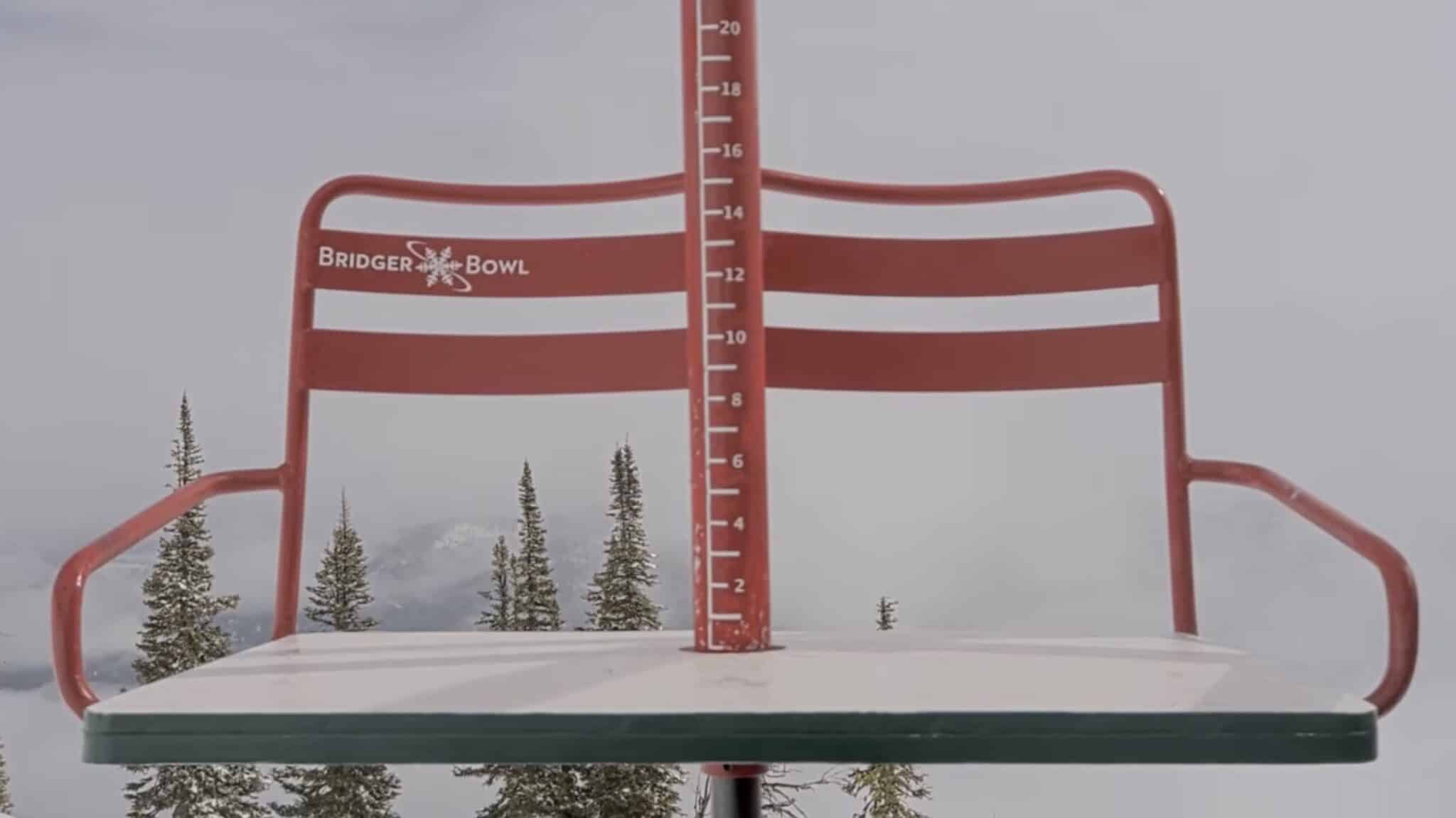
- Black Tail Mountain, Bridger Bowl, Lost Trail Ski Area, Turner Mountain, and Maverick Mountain: These five resorts represent a significant portion of Montana’s ski destinations that have already ceased operations. Their closures, occurring in late March or early April, indicate that the limited snow base could no longer sustain operations. For resorts like Bridger Bowl, known for its challenging terrain and significant snowfall, an early closure is a particularly notable event.
Resorts Extending the Season (with caveats):
Several resorts have managed to prolong their operations, often by extending their planned closing dates into April. However, even these extensions come with modifications and a degree of uncertainty.
- Discovery Ski Area, Montana Snowbowl, and Whitefish Mountain Resort: These three popular destinations have all set their closing dates for April 5th. While this offers a few more days of skiing, it is still a truncated season for resorts that often operate into mid-to-late April, depending on snow conditions. The decision to close on this specific date likely reflects a careful balance between operational costs and the remaining snow quality and quantity.
- Red Lodge Mountain: Scheduled to close on April 11th, Red Lodge Mountain is one of the resorts extending operations further into the month. This suggests a comparatively better snow base or a strategic decision to maximize revenue during the final weeks.
- Showdown Montana: With a planned closing date of April 12th, Showdown Montana is also among the resorts that have managed to eke out a longer season.
- Big Sky Resort: As one of the largest and most well-known resorts in Montana, Big Sky Resort has the most extended closing date, set for April 26th. This is largely due to its higher elevation and extensive snowmaking capabilities, which allow it to maintain operations longer than many other resorts. However, even Big Sky’s extended season is a reflection of the broader trend of reduced natural snowfall compared to previous years.
Resorts with Modified Operations:
Two resorts have implemented significant operational changes rather than outright closures, indicating a struggle to maintain regular schedules:
- Great Divide Montana: This resort has suspended weekday operations, running only on weekends and planning to reopen on April 4th. The ultimate closing day remains to be determined, a decision that will undoubtedly be contingent on late-season snowfall and operational feasibility.
- Teton Pass Resort: This smaller resort is operating solely on Saturdays and Sundays. Like Great Divide, their final closing day is pending and will be announced based on conditions and demand.
Supporting Data and Broader Context
The challenges faced by Montana ski resorts are not isolated incidents but are part of a larger pattern affecting winter sports destinations across the Western United States. Data from regional meteorological agencies and snowpack monitoring services consistently showed below-average snow water equivalent (SWE) for much of the 2025/2026 winter. For instance, the Natural Resources Conservation Service (NRCS) reported that snowpack levels in many mountainous regions of Montana were 30-50% below the median for this time of year. This deficit directly translates to reduced skiable acreage, slower slope preparation, and a diminished overall guest experience.
The economic implications of such a season are substantial. Ski resorts are significant drivers of local economies, particularly in rural areas. They generate revenue through lift tickets, equipment rentals, food and beverage sales, lodging, and employment. Early closures mean lost revenue for resorts and their associated businesses, including hotels, restaurants, and retail shops. Furthermore, the reduced operational season can impact the livelihoods of seasonal ski instructors, lift operators, and other resort staff.
The environmental context is also crucial. Climate change is widely cited as a contributing factor to warmer winters and altered precipitation patterns. Scientific consensus suggests that rising global temperatures are leading to less snow at lower elevations and a shorter snow season overall. Ski resorts in lower-elevation areas or those with less natural snowfall are particularly vulnerable. Montana, with its diverse elevations and microclimates, experiences these effects variably, but the trend is undeniable.
Inferred Statements and Reactions
While direct quotes from all affected parties may not be available, it is reasonable to infer the sentiments and strategic considerations of ski resort operators and industry stakeholders.
- Resort Operators: Decisions to close early are never made lightly. Operators likely experienced intense pressure to maximize revenue and guest satisfaction for as long as possible. However, the financial realities of operating lifts with insufficient snow, the increased cost of snowmaking, and the potential for guest disappointment due to poor conditions would have necessitated these difficult choices. Statements from resort management likely emphasized their commitment to safety and guest experience, while expressing regret for the shortened season.
- Skiers and Snowboarders: The skiing community would undoubtedly express disappointment and frustration. Many plan their winter vacations and recreational activities around the traditional ski season. The early end to operations in Montana would force many to seek out alternative destinations or curtail their winter sports activities. Social media and online forums would likely be filled with discussions lamenting the lack of snow and the early closures.
- Local Businesses and Communities: Chambers of Commerce and local business owners in ski towns would voice concerns about the economic impact. They would likely be looking for ways to support the resorts and attract visitors during the shoulder seasons or through alternative tourism offerings.
Broader Impact and Analysis
The widespread early closures in Montana serve as a potent indicator of the vulnerability of the ski industry to climate change. As winters become warmer and snow seasons shorten, resorts will need to increasingly adapt. This may involve:
- Diversification of Offerings: Resorts might invest more heavily in summer and shoulder-season activities, such as hiking, mountain biking, zip-lining, and cultural events, to reduce their reliance on winter snow.
- Technological Investment: Enhanced snowmaking capabilities, while costly, will likely become more critical. However, the effectiveness of snowmaking is also temperature-dependent.
- Elevation and Location Strategy: Resorts at higher elevations or in regions historically known for more consistent snowfall may fare better in the long term. This could lead to shifts in where skiing is most viable.
- Advocacy and Sustainability: The ski industry is increasingly vocal about climate action, recognizing that its future depends on mitigating the impacts of climate change. Resorts may engage more actively in sustainability initiatives and advocate for policies that address greenhouse gas emissions.
The 2025/2026 season in Montana is a somber reminder that the idyllic image of a snow-covered mountain is increasingly threatened by a changing climate. The operational decisions made by these resorts reflect a difficult reality, forcing them to confront the immediate challenges of a short season while contemplating the long-term sustainability of their operations in an evolving environmental landscape. The resilience and adaptability of Montana’s ski industry will be tested in the coming years as it navigates these unprecedented conditions.
