
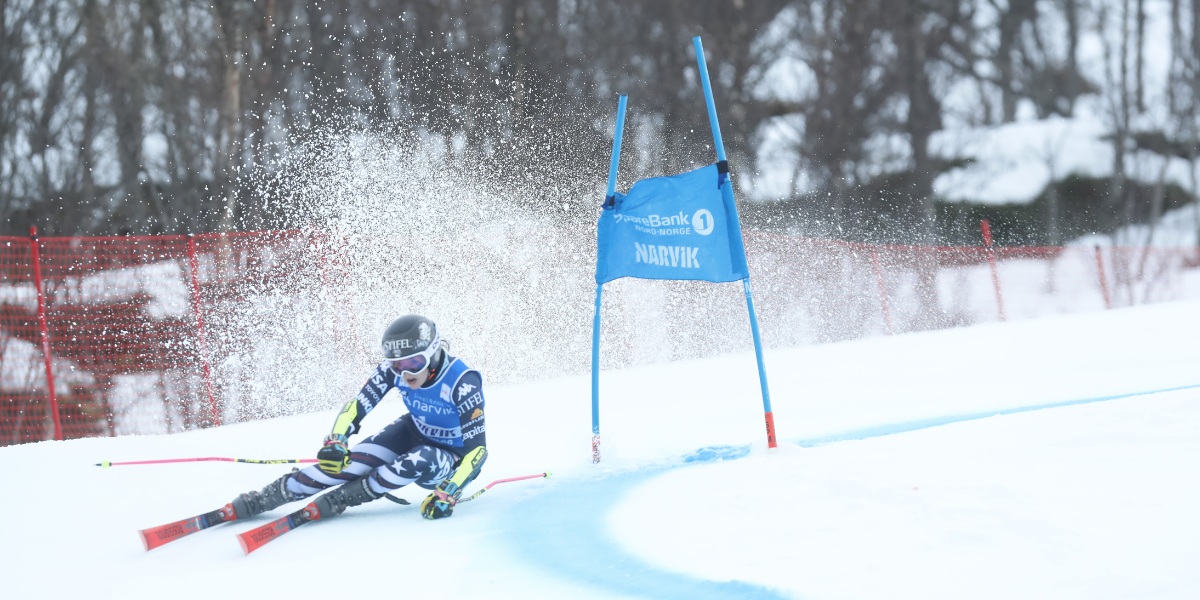
The picturesque, snow-laden slopes of Narvik, Norway, recently concluded a captivating week of the FIS World Junior Alpine Ski Championships, a pivotal event that serves as a vital proving ground for the next generation of global ski stars and a crucial test for the host city’s aspirations to stage the 2029 FIS Alpine World Ski Championships. Despite the challenging and often unpredictable Arctic weather conditions that notably impacted the speed events, the championships delivered a series of electrifying performances, marked by dramatic upsets, dominant displays, and poignant moments of both triumph and heartbreak across the technical disciplines. Athletes from around the world converged on this northern Norwegian city, battling not only against each other but also the elements, in pursuit of coveted junior world titles, etching their names into the annals of ski racing history and offering a tantalizing glimpse into the future of alpine skiing.
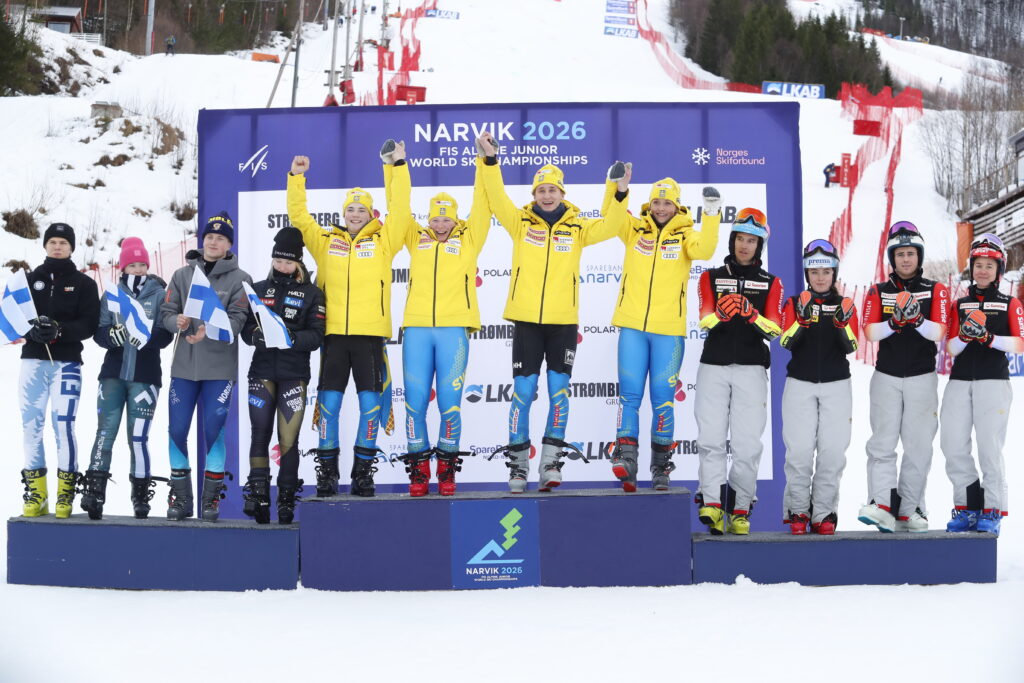
One of the most compelling narratives unfolded in the Mixed Team Parallel event, a format that, while no longer part of the World Cup or Olympic alpine program, continues to be a vibrant and integral fixture at both the FIS World Junior and Senior Championships. This decision underscores the format’s unique ability to foster team spirit and strategic racing, providing a dynamic spectacle that often yields unexpected results. In Narvik, the Swedish contingent demonstrated remarkable depth, formidable power, and unwavering consistency, navigating their way through a formidable bracket to ultimately claim the gold medal. Their journey to the top saw them methodically dispatch strong contenders, beginning with a decisive victory over Poland, followed by a strategic elimination of France, and a significant upset against a highly-favored Swiss team in the semi-finals. Their ultimate challenge came in the surprise final against Finland, where Sweden’s cohesive performance secured them the coveted title.
Finland’s Ascent: A Narrative of Underdog Triumph
The Finnish team, often considered an underdog, crafted one of the championships’ most memorable stories, defying expectations at every turn to reach the final. Their remarkable run began with a stunning victory over the formidable Stifel U.S. Ski Team in the opening round, a result that immediately sent ripples through the competition. Altti Pyrro, Kia Suni, and Jasper Palosaari each delivered clutch performances, securing individual heat wins against the American trio of John Kerbaugh, Katie Rowekamp, and Alex Krupka, thereby propelling Finland into the next stage. As the only nation seeded outside the top eight to advance to the second round, Finland’s momentum only intensified. Pyrro and Suni, proving to be the linchpins of their team’s success, again spearheaded the charge, orchestrating an impressive upset against Germany. They skillfully overcame Felix Norys and Jana Fritz, a German athlete who had already made her mark by scoring World Cup Giant Slalom points, highlighting the caliber of their victory. The "Fearless Finns," as they were affectionately dubbed, pushed their boundaries even further in the semifinals, engaging in a nail-biting encounter against Austria. In a testament to their collective strength and individual prowess, they edged out the traditionally dominant Austrian squad on combined times, once more powered by the consistent excellence of Pyrro and Suni. This series of improbable victories culminated in their well-deserved, albeit surprising, appearance in the final, solidifying their status as the tournament’s breakthrough team.
Trocker’s Dominance: A Double Crown in Women’s Technical Events
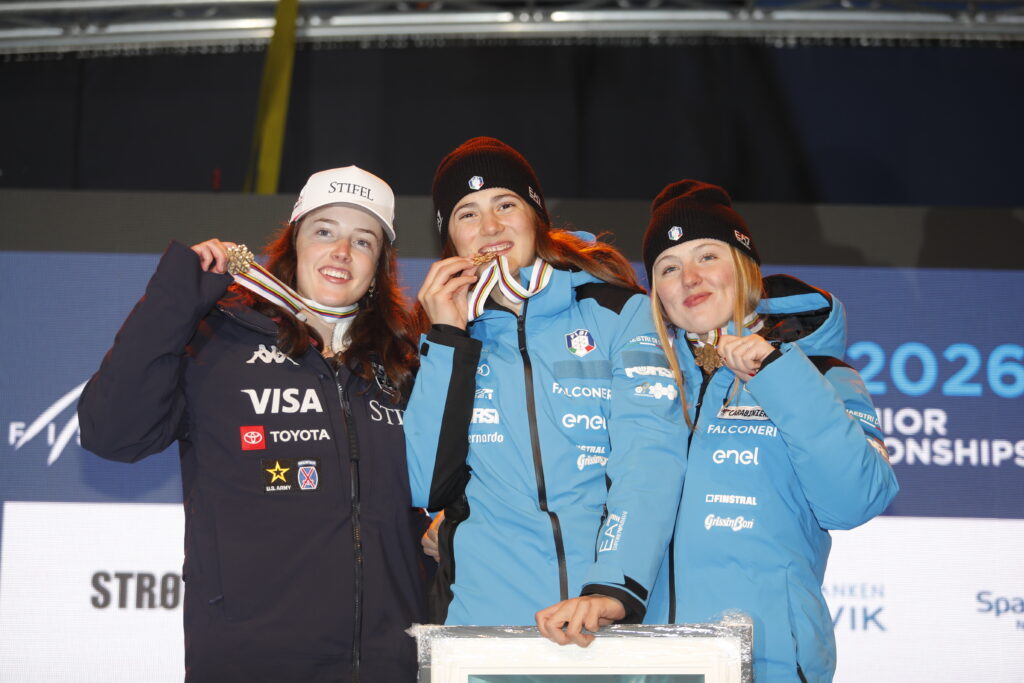
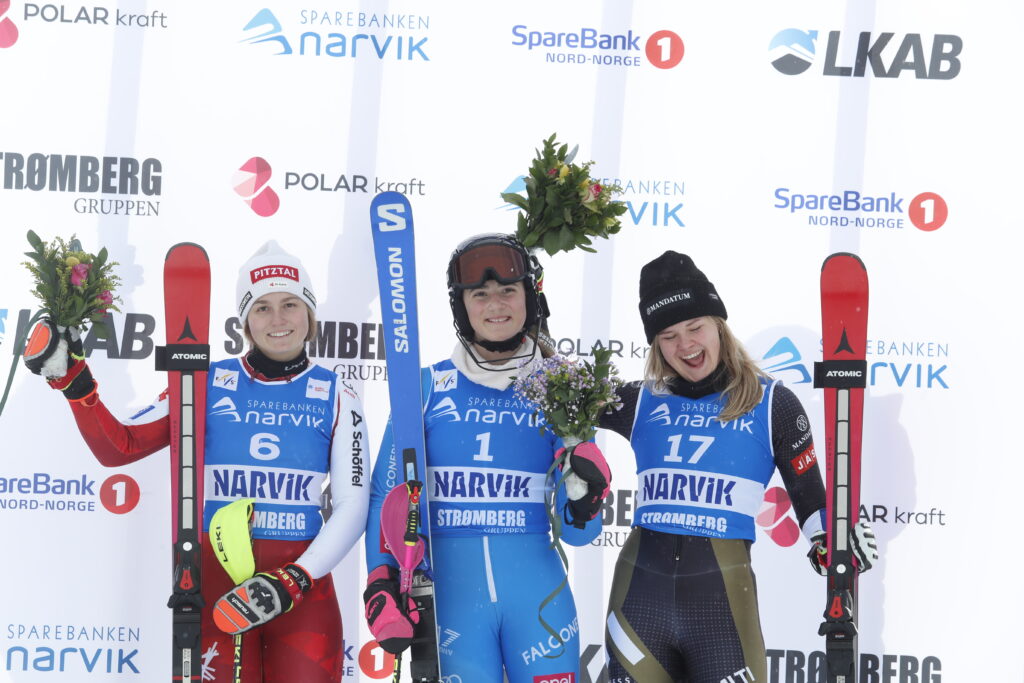
The women’s technical events were emphatically dominated by Italy’s Anna Trocker, who delivered a series of performances that will be long remembered in junior ski racing circles. Her campaign began with a commanding victory in the Women’s Giant Slalom, where she showcased an unparalleled blend of aggression and precision. Trocker led from the very first run, setting a blistering pace that none of her competitors could match, and then closed with even greater authority in the second, consolidating her lead and securing the World Junior Giant Slalom title with a significant margin.
The Giant Slalom Podium Reshuffle
The first run of the Giant Slalom saw Trocker at the top, followed closely by Switzerland’s Sue Piller and Dania Allenbach. The American hopefuls, Katie Rowekamp and Elisabeth Bocock, were also positioned within striking distance, hinting at a potentially dramatic second run. Indeed, the final run completely reshaped the podium. In a sensational display of speed and determination, Tatum Bieler of the United States produced the fastest second run of the entire day, a phenomenal effort that saw her surge an astonishing 14 positions to clinch the bronze medal, a testament to her aggressive skiing and mental fortitude. Elisabeth Bocock, representing the esteemed Rowmark Ski Academy, demonstrated remarkable consistency under pressure, holding her ground to secure the silver medal. This marked a significant progression for Bocock, who had previously earned a bronze medal at the championships in Tarvisio the preceding year, underscoring her steady ascent in the junior ranks. Trocker’s victory signaled Italy’s continued strength in women’s technical disciplines, while the double podium for the U.S. Ski Team highlighted the depth of emerging talent within the American program.
Trocker’s exceptional week reached its zenith in the Women’s Slalom, where she completed a rare and remarkable technical double, adding the slalom gold to her Giant Slalom title. This achievement is not only a personal triumph but also a historic one for Italian skiing. Trocker became the first Italian woman since Sophie Mathiou in 2021 to claim the World Junior Slalom title. More significantly, her GS-slalom double places her among a very select group of athletes who have swept both technical events at the World Junior Championships, a feat that speaks volumes about her versatility, skill, and mental toughness across two highly demanding disciplines. This performance firmly positions Trocker as one of the most promising young talents in alpine skiing, with analysts already speculating about her rapid progression onto the World Cup circuit.
Norwegian Pride: A Home 1-2 in Men’s Giant Slalom
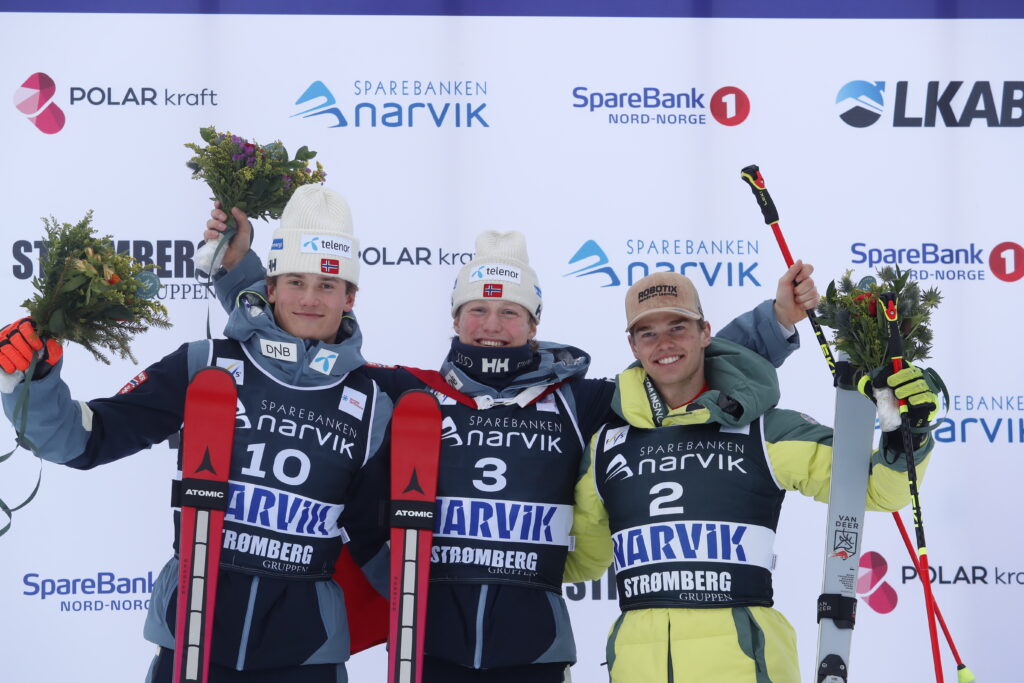
The home crowd in Narvik had ample reason to celebrate as Norway delivered a powerful and inspiring performance in the Men’s Giant Slalom, securing a spectacular 1-2 finish. This dominant display on home snow was a significant morale booster for the host nation and a clear demonstration of the strength of their junior alpine program. While specific names of the gold and silver medalists were not detailed in initial reports, the collective achievement underscores the depth of talent within the Norwegian team. The roar of the local fans provided an electric atmosphere, undoubtedly spurring the athletes to their career-defining performances. The race itself was characterized by intense competition, with several racers making significant gains in their second runs, indicative of the challenging course setting and the high stakes involved. This double podium finish not only brought immense pride to Norway but also offered a promising preview of the country’s potential in major international alpine events.
Men’s Slalom: Swiss Precision and British Heartbreak
The Men’s Slalom event was a showcase of raw power, intricate technique, and high drama. Giuliano Fux of Switzerland emerged victorious, delivering an exceptional performance in the second run that proved decisive. Under immense pressure, Fux navigated the demanding course with remarkable precision and speed, ultimately claiming the gold medal. The race also featured a compelling narrative for British skiing, with Freddy Carrick-Smith securing his first World Junior medal by taking the silver. This achievement marks a significant milestone for British alpine skiing, often considered a developing nation in the sport, and highlights the growing talent pool within the UK program. However, the event was also tinged with heartbreak for the Carrick-Smith family, as Freddy’s brother, Luca Carrick-Smith, who had held a significant advantage in the final run, suffered the agonizing fate of straddling a gate, leading to his disqualification. This moment served as a stark reminder of the fine margins and unforgiving nature of slalom racing, where a fraction of a second or a minor miscalculation can derail a medal-winning performance. Fux’s victory reaffirmed Switzerland’s consistent excellence in technical events, while the Carrick-Smith brothers’ performances, despite the late-race drama, signaled a bright future for British alpine racing.
Narvik’s Successful Audition for 2029
Beyond the individual and team triumphs, the FIS World Junior Alpine Ski Championships served as a critical operational test for Narvik, which is vigorously bidding to host the prestigious FIS Alpine World Ski Championships in 2029. Despite facing considerable challenges, particularly the unpredictable Arctic weather that led to disruptions and adaptations for the speed events, the organizing committee demonstrated remarkable resilience and logistical prowess. The ability of Narvik to successfully stage an event of this magnitude, accommodating hundreds of athletes, coaches, and support staff from numerous nations, speaks volumes about its infrastructure, volunteer commitment, and event management capabilities.
The championships offered a clear and compelling preview of what future global events in Narvik could entail. The challenging conditions, though difficult, proved the adaptability of the venue and the expertise of its technical teams. The positive feedback from participating federations and athletes, despite the weather, underscored the high quality of the slopes, the efficiency of the operations, and the warm hospitality extended by the local community. The investment in modern facilities, coupled with the breathtaking natural backdrop of the Norwegian fjords, positioned Narvik as a highly attractive candidate for the 2029 World Championships. A successful Junior Worlds often acts as a robust endorsement, demonstrating to the international ski federation (FIS) that a host city possesses the necessary experience, resources, and passion to deliver a world-class event on an even larger scale. The legacy of these junior championships will undoubtedly bolster Narvik’s bid, showcasing its readiness to welcome the global alpine skiing community in just a few years.
In conclusion, the FIS World Junior Alpine Ski Championships in Narvik were a resounding success, marked by compelling athletic narratives, the emergence of promising new talents, and a strong demonstration of organizational capability. From Finland’s unexpected surge in the Mixed Team Parallel to Anna Trocker’s historic double gold, and the home triumph of Norway in the Men’s Giant Slalom, the championships provided unforgettable moments. These young athletes, many of whom will soon transition to the World Cup circuit, left Narvik not only with medals and enhanced reputations but also with invaluable experience, further fueling the excitement for the future of alpine skiing. Narvik, too, emerged from the week with its reputation significantly enhanced, having proven its mettle as a capable and enthusiastic host, laying a solid foundation for its ambitious 2029 World Championships bid. The world of alpine skiing now eagerly anticipates the next chapters in the careers of these junior champions and the unfolding story of Narvik as a premier winter sports destination.
