
The fitness landscape in New York City’s Flatiron District has seen the arrival of a specialized training modality that seeks to bridge the gap between elite winter sports and accessible boutique exercise. NRTHRN Strong, a Danish-born fitness concept, has officially launched its first United States location, offering a workout centered on the biomechanics of cross-country skiing. By utilizing a proprietary, patented machine known as the NRTHRN Trainer, the studio aims to replicate the physiological demands of Nordic skiing—widely regarded as one of the most effective full-body cardiovascular exercises—within a climate-controlled, urban environment.
The Physiological Advantage of Nordic Skiing Biomechanics
Cross-country skiing has long been cited by sports physiologists as a gold-standard exercise for cardiovascular health and muscular endurance. Unlike sports that focus predominantly on the lower body, such as cycling or running, cross-country skiing requires the synchronized movement of the legs, core, back, and arms. According to research published in various sports medicine journals and corroborated by data from the National Institutes of Health, the sport engages approximately 90% of the body’s muscle mass.
The metabolic cost of this engagement is significant. A moderate hour of cross-country skiing can burn between 400 and 700 calories, depending on intensity and individual body composition. Comparative studies have demonstrated that the efficiency of this movement is nearly unmatched; it reportedly takes approximately two and a half hours of traditional downhill skiing to match the caloric expenditure of a single hour in cross-country boots. For the general fitness enthusiast, this translates to a high-density workout that maximizes time spent in the gym.
Beyond caloric burn, the movement is inherently low-impact. Because the motion involves gliding and pushing rather than the repetitive striking of pavement, it places significantly less stress on the joints. This makes the modality particularly attractive to a demographic of athletes seeking "longevity fitness"—workouts that provide high-intensity results without the long-term wear and tear associated with high-impact sports.

The Engineering of the NRTHRN Trainer
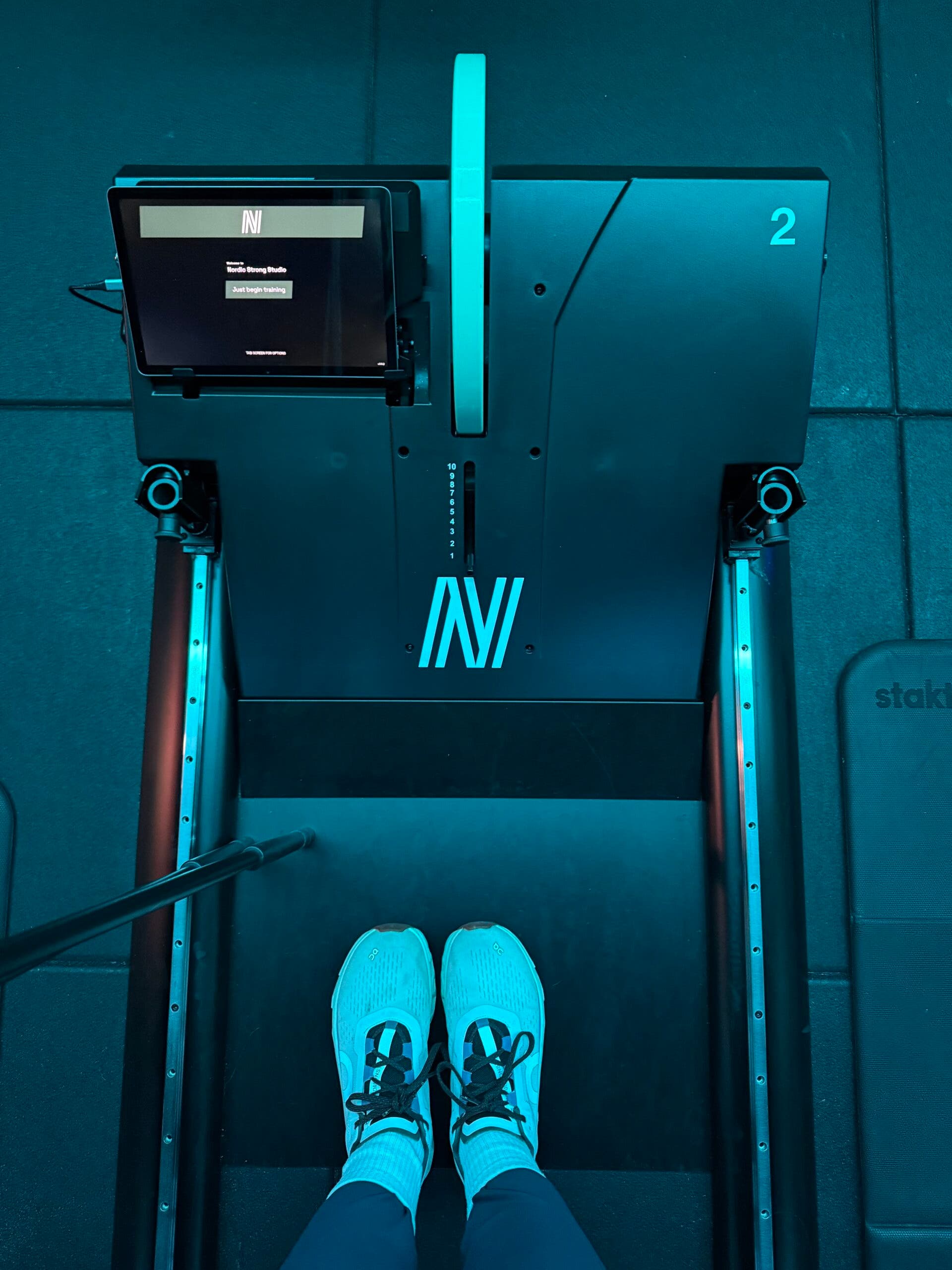
The centerpiece of the NRTHRN Strong experience is the NRTHRN Trainer, a machine designed to simulate the "double-poling" and "diagonal stride" techniques used by professional Nordic athletes. The device occupies a unique niche in the fitness equipment market, resembling a hybrid of a rowing ergometer and a slide board.
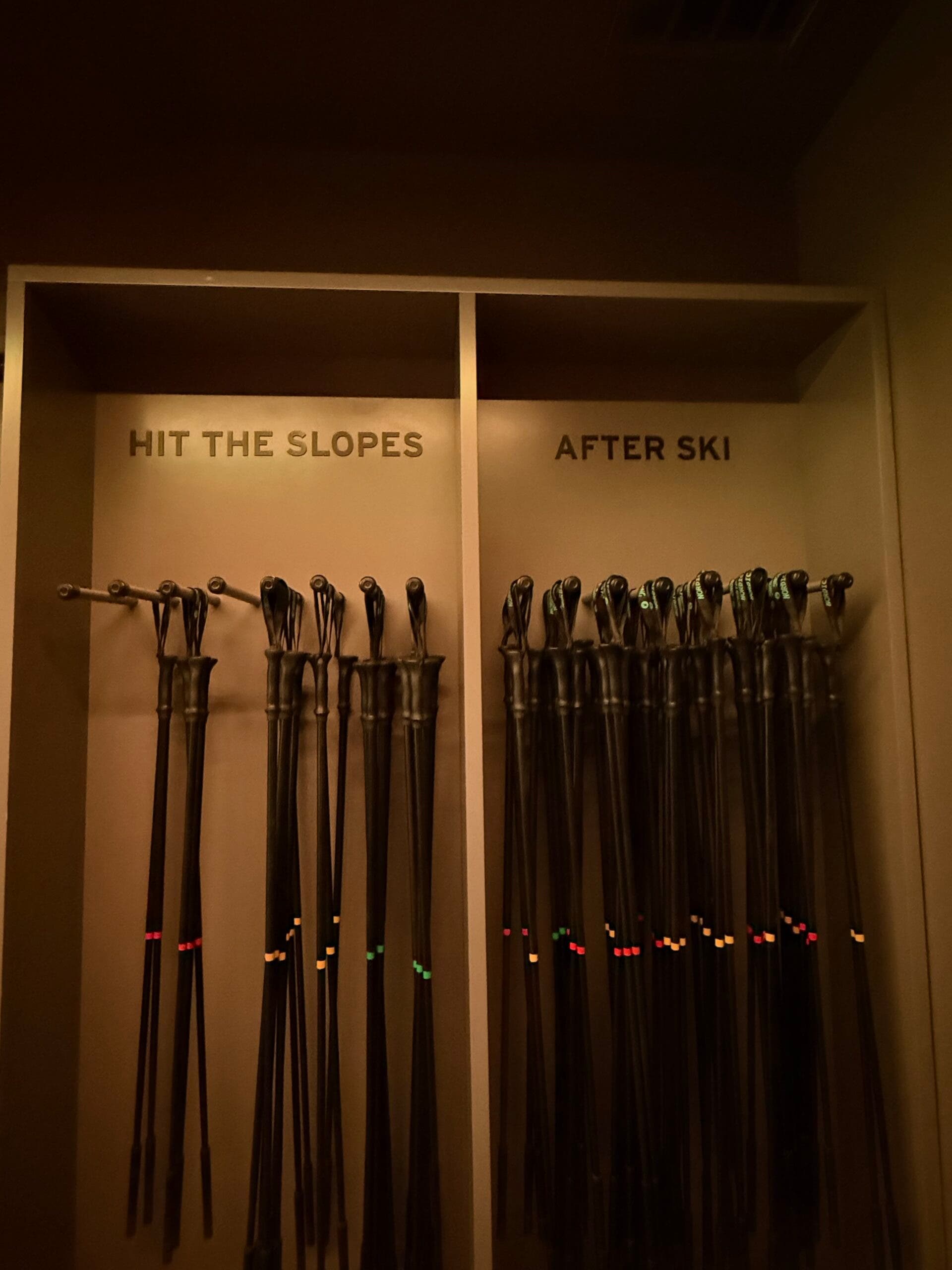
The machine features two specialized sockets at the front, designed to receive a pair of actual ski poles. These poles are available in varying lengths to accommodate the height and reach of the user. Once the poles are engaged, they operate on a resistance-based sliding mechanism. Much like a rowing machine, the resistance is user-driven; the more force the participant applies, the more resistance the machine provides.
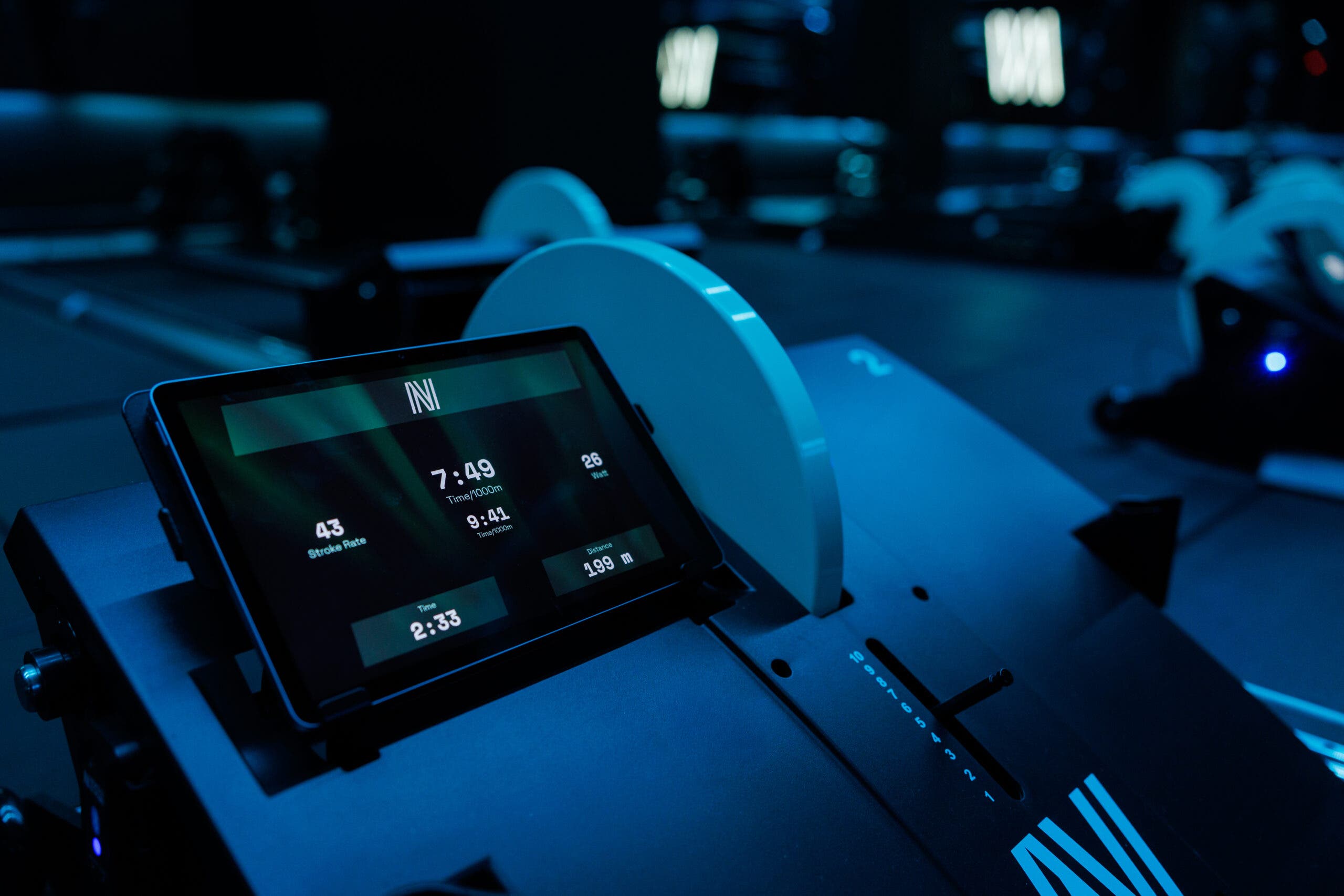
An integrated digital interface provides real-time feedback to the user, a critical component for those training for specific performance goals. The screen displays metrics including:
- Stroke Rate: The number of poles per minute.
- Pace: Calculated as time per 1,000 meters.
- Distance: Total meters "traveled" during the interval.
- Time: Duration of the current set or class.
The design allows for a range of motion similar to a Pilates reformer, where the user controls the tempo and the tension, ensuring that the machine adapts to the user’s physical capabilities rather than forcing the user into a rigid, potentially injurious pattern.
The Structured Class Experience: A Chronological Overview
The NRTHRN Strong curriculum is built around High-Intensity Interval Training (HIIT) principles, designed to keep the heart rate elevated while rotating through different muscle groups. A standard 50-minute session is divided into distinct phases that combine machine work with functional floor exercises.
Phase 1: Orientation and Setup
Upon entering the studio—which is characterized by "Northern Lights" inspired moody lighting and a high-energy atmosphere—participants are fitted with poles. Because the studio attracts both experienced skiers and those who have never seen snow, instructors provide a foundational briefing. This includes the mechanics of the "catch" (planting the poles) and the "drive" (the explosive push backward using the core and triceps).
Phase 2: The Interval Circuit
The class typically follows a repeating circuit. A common structure involves ten-minute blocks on the NRTHRN Trainer, followed by ten-minute blocks on an adjacent mat.
- On the Machine: Intervals focus on explosive, plyometric movements. Instructors call for specific target stroke rates to push cardiovascular limits.
- On the Mat: Exercises focus on the "supporting cast" of muscles required for skiing, specifically the lower body (glutes, quads, and hamstrings) and the deep core. These movements are designed to increase stability and balance.
Phase 3: Time Under Tension
The latter half of the class emphasizes "time under tension," a weight-training principle where muscles are held under strain for longer periods to maximize hypertrophy and endurance. By the final intervals, participants are pushed to maintain their form despite significant muscular fatigue, simulating the final stretch of a cross-country race.
Accessibility and Kinesiological Implications
One of the primary barriers to cross-country skiing has historically been accessibility. The sport requires specific geographic conditions, natural snow, and expensive equipment. By moving this experience indoors, NRTHRN Strong removes these barriers, making Nordic training available to residents of densely populated urban centers like New York and Copenhagen.
From a kinesiological perspective, the workout is highly inclusive. Experts in exercise science note that the controlled nature of the NRTHRN Trainer makes it a viable option for individuals with limited mobility or those recovering from impact-related injuries. Because the user is in constant contact with the machine and the floor, there is a reduced risk of the sudden lateral movements that often lead to ankle or knee strain in other HIIT environments.
Furthermore, for active skiers, the studio serves as a high-fidelity cross-training tool. Professional athletes often use similar dry-land training equipment during the off-season to maintain "ski-specific" muscle memory. Early adopters of the NYC studio have reported a perceptible increase in strength and "pole power" when returning to actual snow, suggesting that the machine’s simulation is accurate enough to provide carry-over benefits to the sport itself.
Market Context and Global Expansion
The opening of NRTHRN Strong in New York City marks a significant step in the "Nordic Fitness" trend. Scandinavia has long been a leader in wellness concepts that prioritize functional movement and outdoor-inspired health. As the boutique fitness market becomes increasingly crowded with cycling and yoga studios, there is a growing demand for niche, sport-specific modalities that offer a different physiological challenge.
The Flatiron neighborhood, often referred to as "Fitness Alley" due to its high density of boutique gyms, provides a competitive testing ground for the brand. NRTHRN Strong currently operates on a seven-day schedule, offering classes that vary in focus from pure strength training to "sculpt" sessions that emphasize muscle definition.
The brand’s dual presence in Copenhagen and New York suggests a strategic move to capture the international market for premium fitness. By positioning itself as a high-end, tech-enabled, and science-backed workout, NRTHRN Strong is targeting a demographic of high-performance individuals who value both efficiency and innovation in their exercise routines.
Analysis of Broader Industry Impact
The success of a concept like NRTHRN Strong indicates a shift in the fitness industry toward "athletic mimicry." Consumers are increasingly moving away from generalized "gym work" and toward training programs that teach a skill or simulate a specific athletic discipline. This trend is visible in the rise of boxing gyms, rowing studios, and now, indoor skiing.
Moreover, the integration of real-time data and proprietary hardware allows these studios to build a community around performance metrics. Much like the competitive ecosystems created by Peloton or OrangeTheory, NRTHRN Strong provides a platform where users can track their progress over time, turning a solitary training session into a measurable athletic pursuit.
As urban populations continue to seek low-impact alternatives to traditional cardio, the expansion of Nordic-inspired fitness is likely to continue. NRTHRN Strong has successfully distilled the essence of a complex, demanding outdoor sport into a 50-minute indoor session, proving that with the right technology, even the most geographically dependent sports can find a home on the city sidewalk. For the urban athlete, the "endorphin rush" of the trail is now available just steps from the subway, providing a powerful new tool in the pursuit of full-body health and performance.
