
The landscape of urban boutique fitness has undergone a significant transformation with the introduction of NRTHRN Strong, a Danish-born fitness concept that has officially expanded its footprint into the United States. Located in the heart of New York City’s Flatiron District, a neighborhood colloquially known as the "Fitness District" due to its high density of specialized studios, NRTHRN Strong brings a specialized approach to cardiovascular and muscular conditioning. By utilizing a patented indoor training apparatus designed to replicate the mechanics of cross-country skiing, the brand aims to bridge the gap between elite winter sports performance and accessible metropolitan wellness. The expansion marks a pivotal moment in the fitness industry, as consumers increasingly pivot toward low-impact, high-intensity interval training (HIIT) modalities that prioritize longevity and joint health.
The Physiological Foundation of Nordic Skiing as Exercise
Cross-country skiing has long been regarded by sports physiologists as one of the most effective full-body workouts available. Unlike many forms of cardiovascular exercise that focus primarily on the lower extremities, Nordic skiing requires the simultaneous engagement of the arms, legs, core, back, and cardiovascular system. This synchronized movement demands high levels of coordination and balance, leading to significant metabolic expenditure.
Data from the National Institutes of Health and various sports science publications indicate that cross-country skiing at a moderate pace can burn between 400 and 700 calories per hour, depending on the individual’s weight and intensity. Comparative studies, including those indexed in PubMed, have demonstrated that the energy expenditure required for cross-country skiing is significantly higher than that of downhill skiing; specifically, it takes approximately two and a half hours of alpine skiing to match the caloric burn achieved in a single hour of cross-country skiing. This efficiency is attributed to the continuous nature of the movement and the lack of gravity-assisted "rest" periods common in downhill disciplines.
Despite these benefits, the sport has historically faced significant barriers to entry, primarily centered on geographic and seasonal limitations. The requirement for natural snow, specialized outdoor equipment, and proximity to groomed trails has relegated cross-country skiing to a niche seasonal activity. NRTHRN Strong addresses these accessibility issues by digitizing and indoorizing the experience, allowing urban residents to access the physiological benefits of the sport year-round.
Technical Specifications of the NRTHRN Trainer
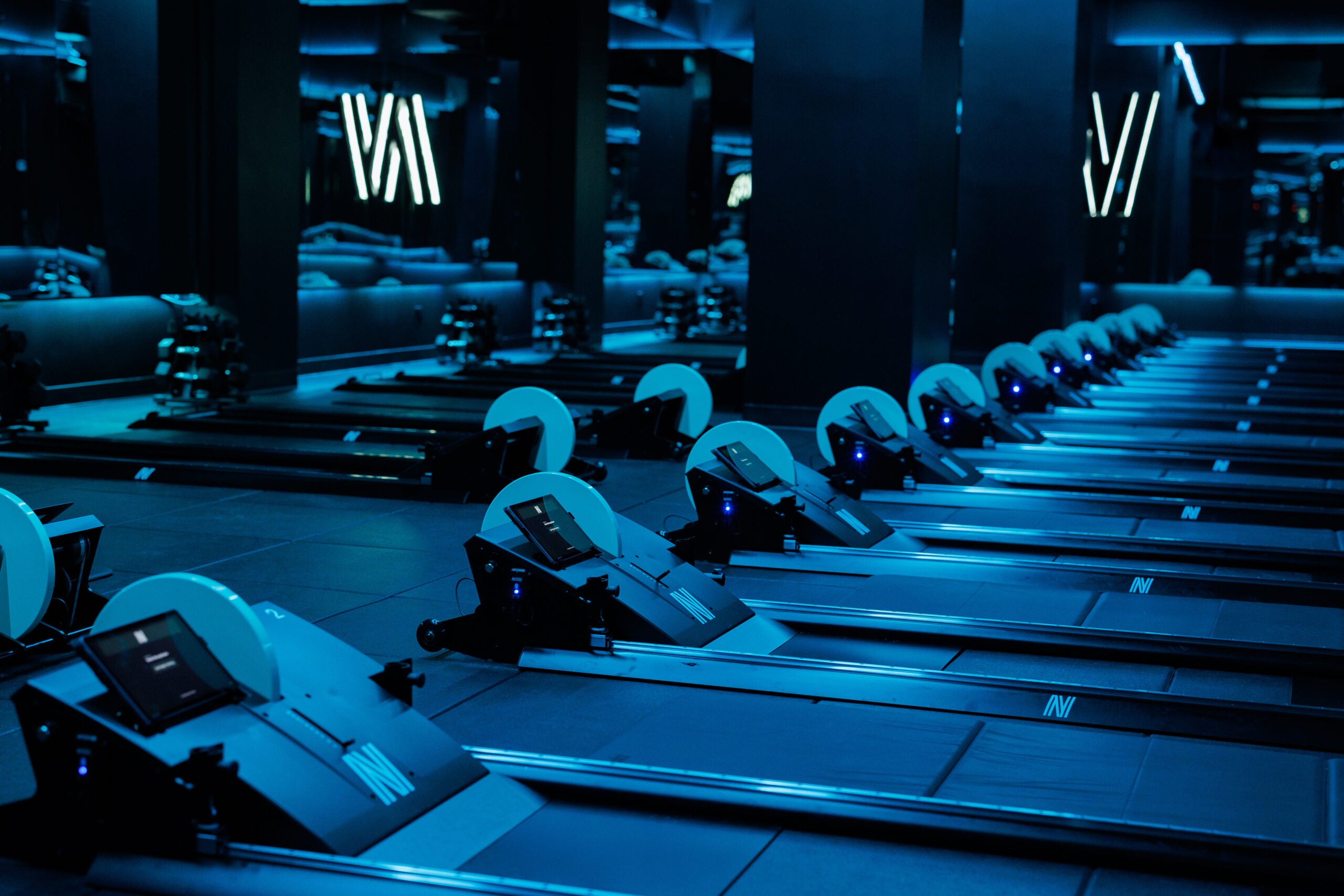
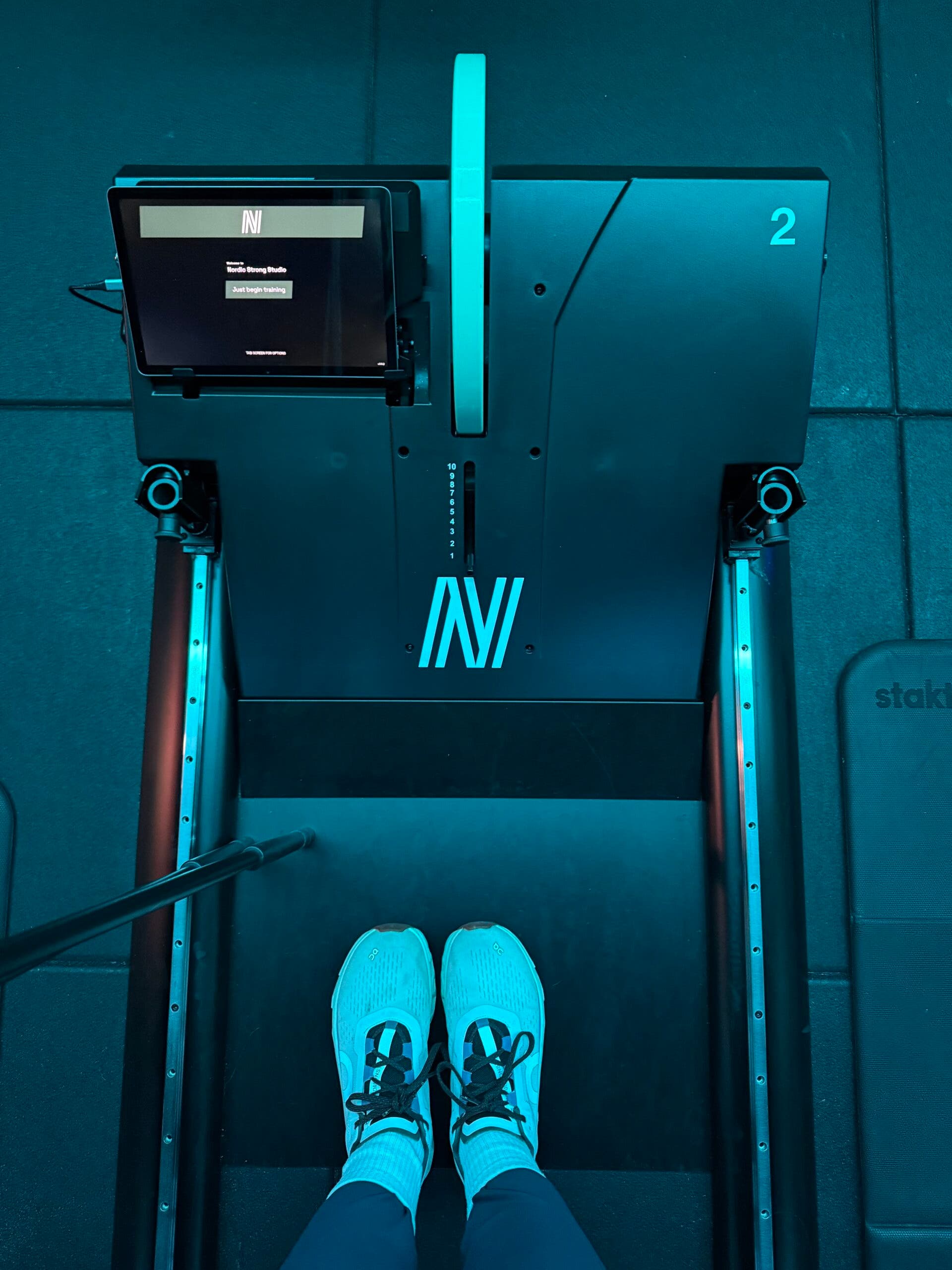
At the core of the NRTHRN Strong experience is the NRTHRN Trainer, a custom-made machine inspired by the equipment used by professional Nordic athletes during the off-season. While indoor rowing machines (ergs) have become a staple in modern gyms, the NRTHRN Trainer offers a distinct mechanical profile. The device resembles a hybrid of a rowing ergometer and a specialized sliding track.
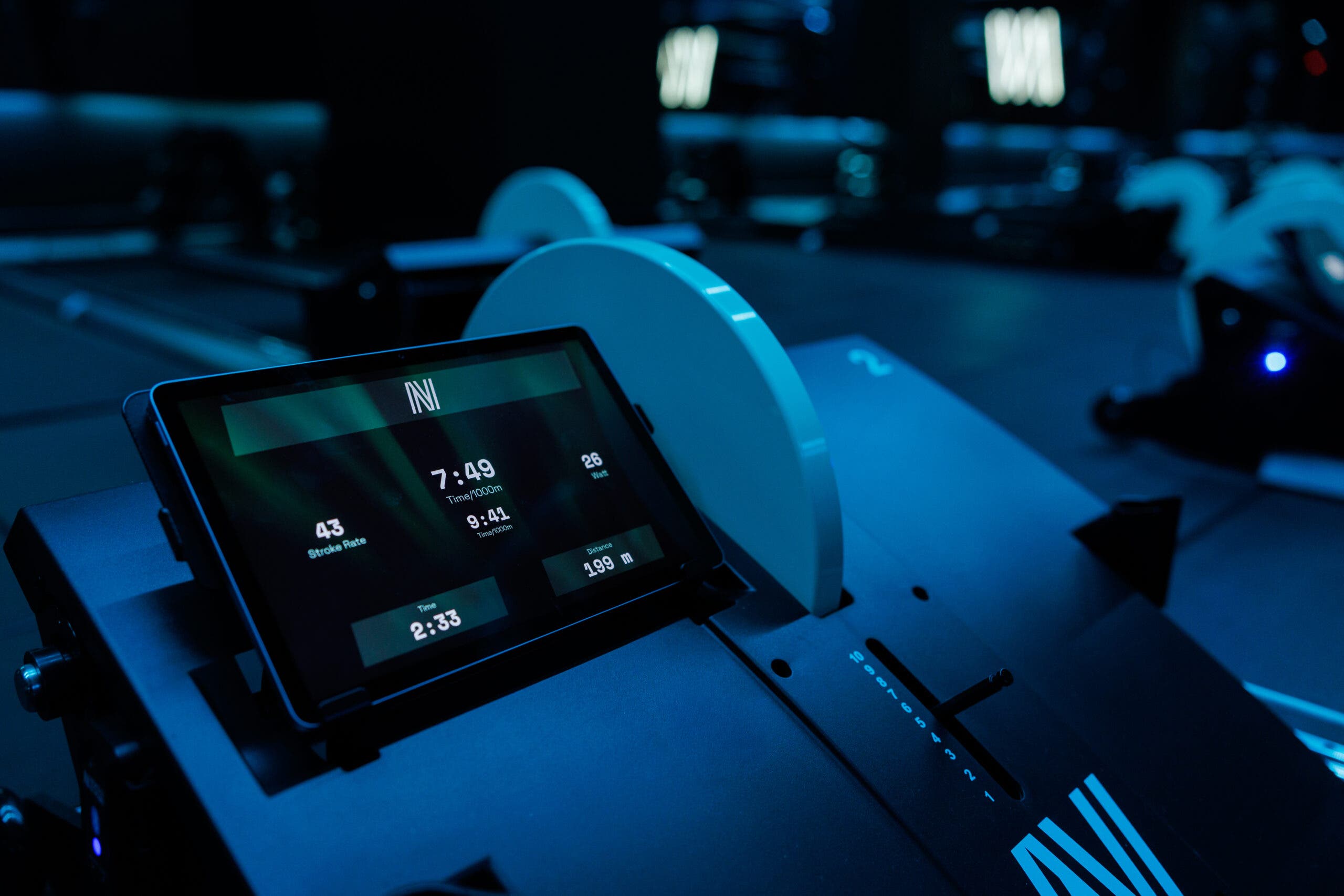
The apparatus utilizes two independent poles that are inserted into sockets on either side of the machine. These poles operate on a resistance mechanism that allows for a sliding motion, mimicking the "push-and-glide" phase of cross-country skiing. The front of the trainer features an integrated digital interface that provides real-time feedback to the user. Key metrics tracked include:
- Stroke Rate: The frequency of movements per minute.
- Pace: Calculated as time per 1,000 meters.
- Distance: The simulated mileage covered during the session.
- Time: The duration of the interval.
The engineering of the machine focuses on "user-controlled movement," meaning the resistance and speed are determined by the force applied by the participant. This design ensures that the workout remains low-impact, as there is no external motor driving the movement, which reduces the risk of repetitive strain injuries commonly associated with treadmills or high-impact plyometrics.
Chronology of the NRTHRN Strong Experience
The entry of NRTHRN Strong into the North American market follows a successful period of operations in Copenhagen, Denmark. The transition to the New York market involved adapting the Scandinavian "hygge" aesthetic to a high-energy studio environment. Upon entering the Flatiron studio, participants are met with an environment designed to evoke the atmosphere of the Nordic wilderness, featuring "Northern Lights" inspired moody lighting and a minimalist, functional layout.
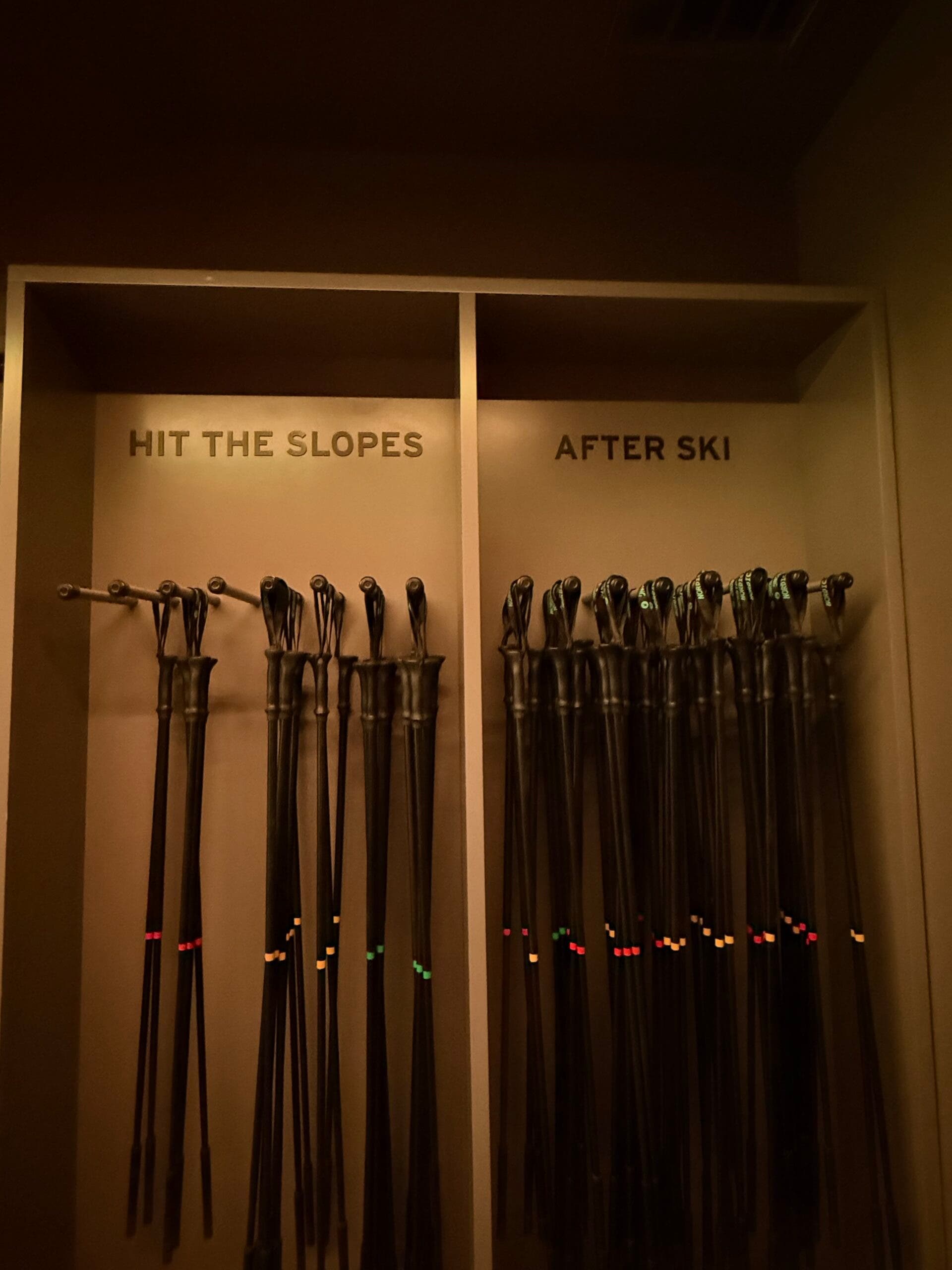
The session begins with a technical briefing. Given that the technology is new to the U.S. market, a significant portion of the initial clientele consists of beginners. Instructors, such as the studio’s lead trainer Tyler, provide a "lay of the land," guiding participants through the selection of ski poles, which are provided in various lengths to accommodate different heights.
The 50-minute class is structured as a circuit-based HIIT workout, typically divided into the following phases:
- Technical Integration: A warm-up period on the NRTHRN Trainer to establish form and rhythm.
- The Machine Intervals: Ten-minute blocks on the trainer focusing on explosive, plyometric-inspired movements. These intervals are designed to maximize "time under tension" and elevate the heart rate to aerobic and anaerobic thresholds.
- Functional Mat Work: Alternating blocks of lower-body and core exercises performed on a mat adjacent to the machine. These movements are curated to strengthen the muscle groups that support the skiing motion, such as the glutes, obliques, and transverse abdominis.
- Cool Down and "After-Ski": A recovery period followed by a standardized equipment cleaning protocol, which the studio refers to as the "after-ski" section, maintaining the thematic consistency of the brand.
Accessibility and Inclusivity in Design
A critical component of NRTHRN Strong’s market strategy is its emphasis on inclusivity. While the workout is modeled after professional athletic training, the low-impact nature of the machine makes it suitable for a wide demographic. Kinesiology experts and exercise science professionals have noted that the sliding mechanism of the poles is similar to the carriage on a Pilates reformer, providing a controlled range of motion that is beneficial for individuals with limited mobility or those recovering from joint-related injuries.
The brand maintains that no prior cross-country skiing experience is required to participate. However, seasoned skiers may find that their existing proficiency allows them to engage the machine with greater force and higher stroke rates. This scalability allows the studio to cater to both elite athletes looking for cross-training and office workers seeking a functional fitness solution.
Market Implications and the Future of Nordic Fitness
The launch of NRTHRN Strong in New York City on January 26, 2026, reflects a broader trend in the fitness industry toward "sport-specific" simulation. As the market for general-purpose gyms becomes saturated, consumers are gravitating toward modalities that offer a specific skill set or a unique physiological challenge.
The business model of NRTHRN Strong—operating seven days a week with classes tailored to strength training, sculpting, and cardiovascular endurance—positions it as a direct competitor to established brands in the rowing and cycling sectors. By offering a "full-body" alternative that claims higher caloric efficiency than downhill skiing and lower impact than running, NRTHRN Strong is tapping into the growing "Longevity Economy," where consumers prioritize exercises that build strength without compromising joint integrity.
Industry analysts suggest that the success of the NYC and Copenhagen locations could lead to a wider rollout in other metropolitan hubs such as London, Toronto, and Chicago. The integration of data-driven metrics on the NRTHRN Trainer also opens the door for future "gamification" and remote competition, similar to the models used by Peloton and Concept2.
Conclusion: A New Standard for Functional Training
NRTHRN Strong represents more than just a new workout trend; it is an evolution in how traditional outdoor sports are adapted for the modern, time-constrained urbanite. By combining the rigorous demands of Nordic skiing with the convenience of a boutique studio, the brand has created a high-ceiling, low-floor exercise environment.
As the first few weeks of the New York launch conclude, early feedback suggests a high rate of user satisfaction, with many participants reporting improved functional strength and cardiovascular capacity. For the fitness industry, the arrival of NRTHRN Strong serves as a case study in how heritage sports can be modernized through patented technology and strategic branding. Whether for the purpose of preparing for the winter season or simply seeking a more efficient way to maintain year-round health, the "ski-inspired" movement appears poised to become a permanent fixture in the global wellness landscape.
