
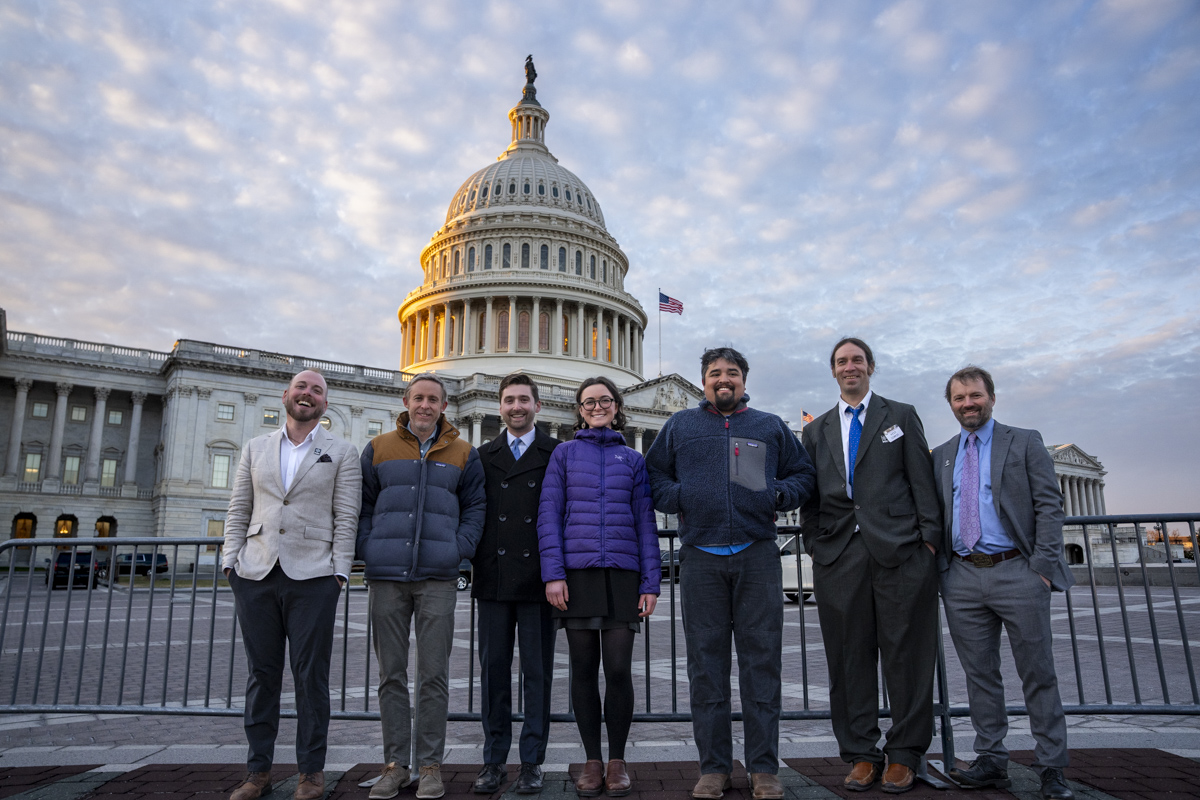
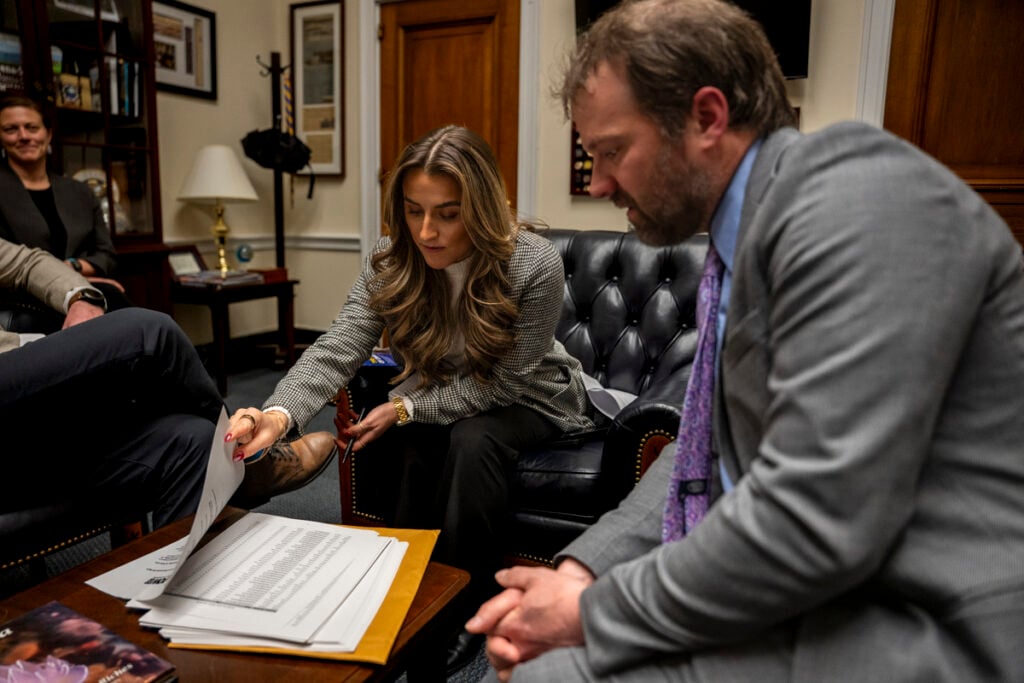
In a coordinated effort to influence federal land management policy, representatives from Protect Our Winters (POW) and the Alaska Wilderness League (AWL) arrived on Capitol Hill last week to deliver a comprehensive 74-page petition. The document, which contains more than 6,000 signatures from members of the "Outdoor State"—a demographic of outdoor enthusiasts, athletes, and business owners—calls for the permanent protection of the Arctic National Wildlife Refuge and the National Petroleum Reserve in Alaska (NPRA). The delivery coincided with a significant shift in federal policy, as the Trump administration moved to accelerate oil and gas extraction in the region, setting the stage for a high-stakes confrontation between conservationists and proponents of energy development.
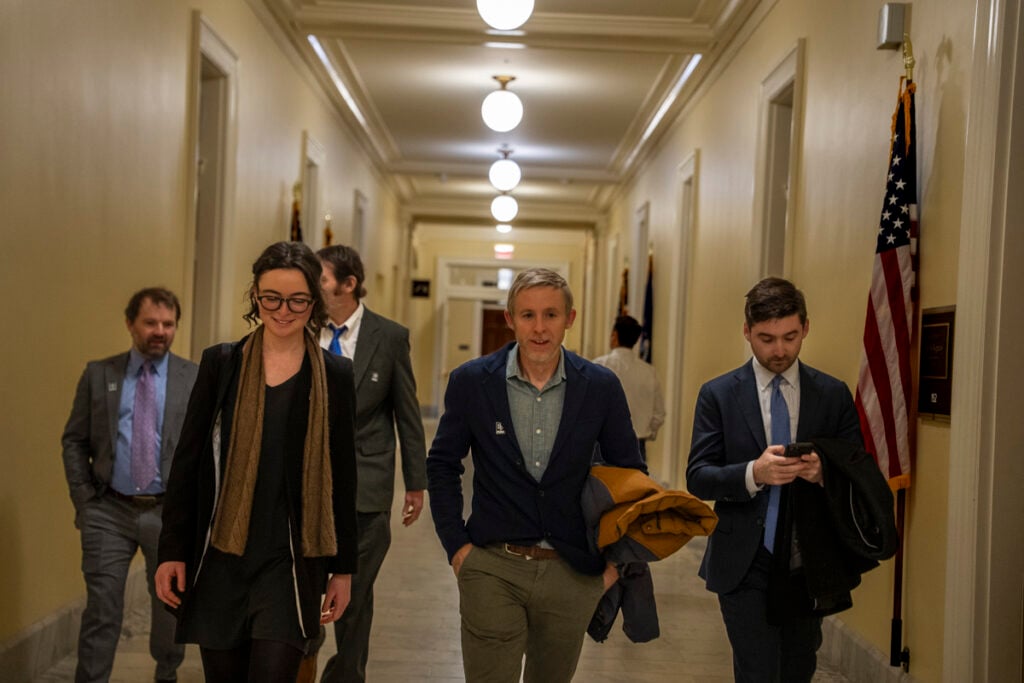
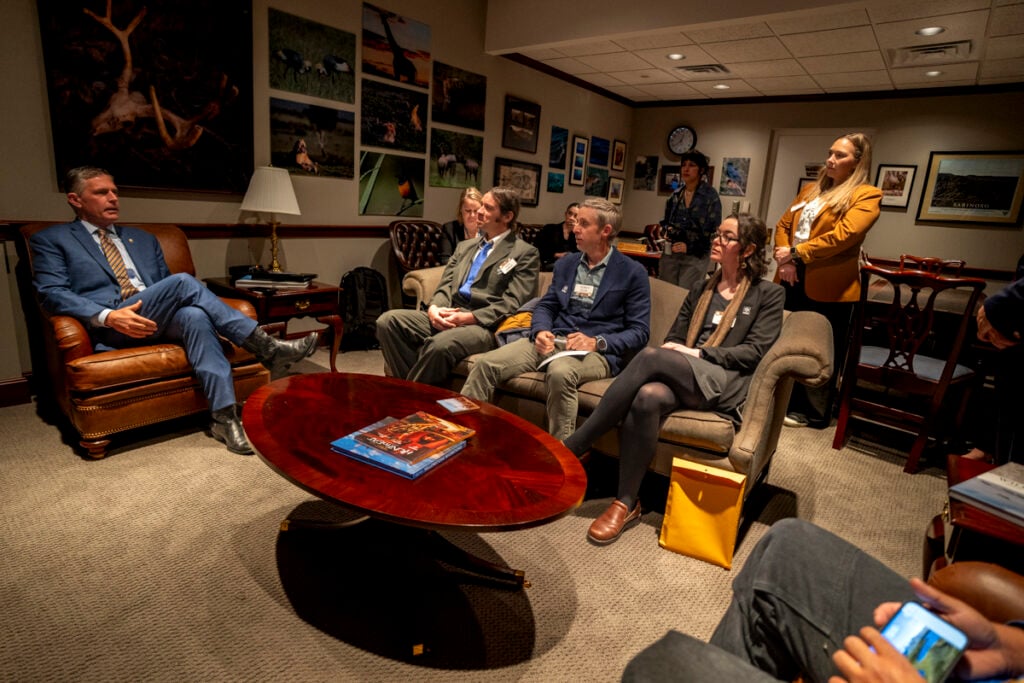
The two-day strategic "fly-in" brought together an diverse coalition of professional athletes, climate scientists, filmmakers, and Indigenous leaders from Alaska. This group engaged in dozens of high-level meetings with members of both the House of Representatives and the Senate, as well as their senior legislative staff. The objective was to present a multifaceted argument against expanded drilling, combining ecological data with economic analysis and firsthand accounts of the changing Arctic landscape.
The Legislative Landscape and the Administration’s Push
The timing of the coalition’s arrival in Washington, D.C., was dictated by a rapid acceleration of executive and legislative actions. Last Friday, the Trump administration signed new legislation designed to streamline the permitting process for drilling and mining operations in Arctic Alaska. This move is seen as a fulfillment of long-standing promises to maximize domestic energy production and leverage the resources of the North Slope to bolster the national economy.
However, the coalition argues that these legislative maneuvers ignore shifting global energy markets and the specific environmental vulnerabilities of the Arctic. The 74-page petition delivered to lawmakers serves as a formal record of opposition, characterizing the push for new lease sales as "environmentally reckless" and "fiscally risky." According to the coalition, the financial viability of Arctic drilling is increasingly precarious, as high extraction costs and logistical challenges collide with a global trend toward decarbonization.
The Arctic National Wildlife Refuge (ANWR) has been at the center of a decades-long legislative battle. While the 2017 Tax Cuts and Jobs Act mandated two lease sales in the refuge’s Coastal Plain, the first sale in 2021 saw limited interest from major oil companies. The coalition’s messaging to Congress emphasized that the lack of industry appetite in previous years suggests that opening these lands is not only an ecological threat but a poor long-term investment for the American taxpayer.
Strategic Engagement on Capitol Hill
The coalition, which included the League of Conservation Voters (LCV) alongside POW and AWL, focused its efforts on key Senate and House offices, particularly those involved in energy and natural resources committees. The meetings were designed to cut through the standard policy rhetoric by introducing "lived experience" into the conversation.
Professional climber and POW Climb Alliance member Tommy Caldwell was among those who met with lawmakers. Caldwell noted that while policy is often viewed as an abstract exercise, it remains the primary mechanism for the protection of public lands. His participation, alongside other high-profile athletes, was intended to demonstrate that the outdoor recreation industry—which contributes significantly to the U.S. Gross Domestic Product—has a vested interest in the preservation of intact ecosystems.
The delegation also included Indigenous voices, who provided testimony on the cultural and existential importance of the Arctic. For many Indigenous communities in the region, the protection of the Arctic is a matter of food security and tribal sovereignty. The coalition argued that any expansion of drilling in the NPRA or the Arctic Refuge must respect the rights of those who have inhabited the land for millennia.
The Economic Case for Conservation
A central pillar of the coalition’s argument was a fact-based analysis of the economic risks associated with Arctic development. In their meetings, the group highlighted several key financial factors:
- Market Volatility and Extraction Costs: The Arctic is one of the most expensive places in the world to explore for and produce oil. With the ongoing transition toward renewable energy, the coalition argued that the "stranded asset" risk is high, meaning that infrastructure built today may become obsolete and economically unviable before it pays for itself.
- Global Financial Trends: Many of the world’s largest financial institutions, including several major U.S. banks, have implemented policies that restrict or prohibit the financing of new oil and gas projects in the Arctic. The coalition presented this as evidence that the private sector is increasingly wary of the reputational and financial risks associated with the region.
- The Outdoor Economy: The "Outdoor State" represents a powerful economic engine. According to data from the Bureau of Economic Analysis (BEA), the outdoor recreation economy accounts for over $1 trillion in annual economic output. The coalition argued that protecting wild spaces is a direct investment in this sustainable and growing sector.
Advancing the Energizing Our Communities Act (EOCA)
While much of the fly-in was focused on defensive measures against drilling, the coalition also pushed a proactive legislative agenda. A significant portion of the meetings was dedicated to the Energizing Our Communities Act (EOCA). This proposed legislation aims to provide a bipartisan, practical framework for strengthening energy resilience at the community level.
The EOCA is designed to support the transition to a clean-energy future by providing resources for grid modernization and community-led energy projects. By presenting the EOCA alongside their opposition to Arctic drilling, the coalition sought to demonstrate that they are not merely "anti-development," but are instead advocating for a different, more sustainable model of energy independence. This approach reportedly opened doors in offices that are traditionally supportive of the oil and gas industry, as it offered a path toward job creation and infrastructure investment in the renewable sector.
Chronology of the Arctic Protection Movement
To understand the urgency of the current mission, it is necessary to view it within the broader timeline of Arctic conservation efforts:
- 1960: The Arctic National Wildlife Range is established by President Dwight D. Eisenhower.
- 1980: The Alaska National Interest Lands Conservation Act (ANILCA) is passed, expanding the area and renaming it the Arctic National Wildlife Refuge, while setting aside the "1002 Area" for potential future development.
- 2017: The Tax Cuts and Jobs Act is signed into law, requiring the Department of the Interior to hold two lease sales in the 1002 Area.
- 2021: The first lease sale is held, resulting in low revenue and the eventual suspension of leases by the subsequent administration.
- 2024 (December): The Trump administration signs legislation to ease the path for drilling, prompting the POW and AWL emergency fly-in.
The current escalation represents a "Phase Two" for the conservation movement. Having successfully delayed or mitigated the impacts of the 2017 mandate for several years, the coalition is now bracing for a renewed federal push that seeks to bypass environmental reviews and expedite industrialization.
Analysis of Broader Implications
The outcome of this legislative battle will have implications far beyond the borders of Alaska. The Arctic serves as a critical "carbon sink" and a regulator of global climate patterns. Scientists within the coalition pointed out that the region is warming at nearly four times the global average. The disruption of permafrost and the introduction of industrial infrastructure could trigger feedback loops that accelerate the release of methane and carbon dioxide, complicating national and international efforts to meet climate goals.
Furthermore, the "fly-in" strategy signifies a maturing of the outdoor advocacy movement. By bringing "receipts"—the 74-page petition and specific economic data—the coalition is moving away from purely aesthetic or emotional appeals. They are positioning themselves as a sophisticated political constituency that understands the nuances of federal budgeting, energy markets, and administrative law.
Future Outlook and Phase Two Strategy
As the coalition returned from Washington, D.C., leaders expressed a renewed sense of purpose. While the signing of the recent drilling legislation is a setback for conservationists, the group views the successful delivery of the petition and the establishment of new bipartisan communication channels as critical victories.
The next phase of the campaign will involve escalating public pressure on the Arctic Congressional Delegation and monitoring the implementation of the new drilling laws for potential legal challenges. Ming Poon, a member of the POW Creative Alliance, noted that even in meetings with proponents of oil extraction, the coalition was able to establish communication channels that did not exist previously.
The fight over the Arctic’s future is likely to intensify as the 2026 election cycle approaches. For the members of the Outdoor State, the 74-page petition delivered last week is not a final act, but a foundational document for a long-term strategy to ensure that the Arctic remains off-limits to industrial development. The coalition remains vigilant, emphasizing that the protection of these landscapes is a non-negotiable priority for millions of Americans who value the ecological, cultural, and economic integrity of the nation’s last great wilderness.
