
A high-profile coalition of professional athletes, climate scientists, Indigenous representatives, and conservation advocates convened on Capitol Hill last week to mount a formal challenge against the expansion of oil and gas extraction in the Arctic. Led by the advocacy group Protect Our Winters (POW) and the Alaska Wilderness League (AWL), the delegation hand-delivered a comprehensive 74-page petition containing 6,000 signatures from members of the "Outdoor State"—a demographic of outdoor enthusiasts, industry professionals, and athletes who view the preservation of public lands as central to the nation’s economic and environmental health. The mission arrived at a pivotal moment, occurring just as the Trump administration moved to finalize legislation designed to streamline drilling permits in the Arctic National Wildlife Refuge (ANWR) and the National Petroleum Reserve in Alaska (NPRA).
The two-day "fly-in" event was a strategic mobilization intended to provide lawmakers with a multi-faceted perspective on the risks associated with Arctic industrialization. By blending scientific data with lived experience and cultural testimony, the coalition sought to demonstrate that the protection of the Arctic is not merely a niche environmental concern but a matter of national economic stability, Indigenous sovereignty, and climate resilience. The delegation’s presence on the Hill underscored a growing tension between traditional energy development and the burgeoning outdoor recreation economy, which contributes significantly to the United States’ Gross Domestic Product (GDP).
Strategic Objectives and the Multi-Day Advocacy Mission
The coalition arrived in Washington, D.C., with a tiered set of objectives. The primary goal was the delivery of the 74-page petition, which serves as a formal record of opposition to new oil and gas leasing. Beyond the petition, the group aimed to advance the Energizing Our Communities Act (EOCA), a piece of legislation framed as a pragmatic, bipartisan solution to the nation’s energy needs. The EOCA focuses on modernizing the electrical grid and supporting community-level clean energy projects, offering a developmental alternative to fossil fuel extraction in sensitive ecosystems.
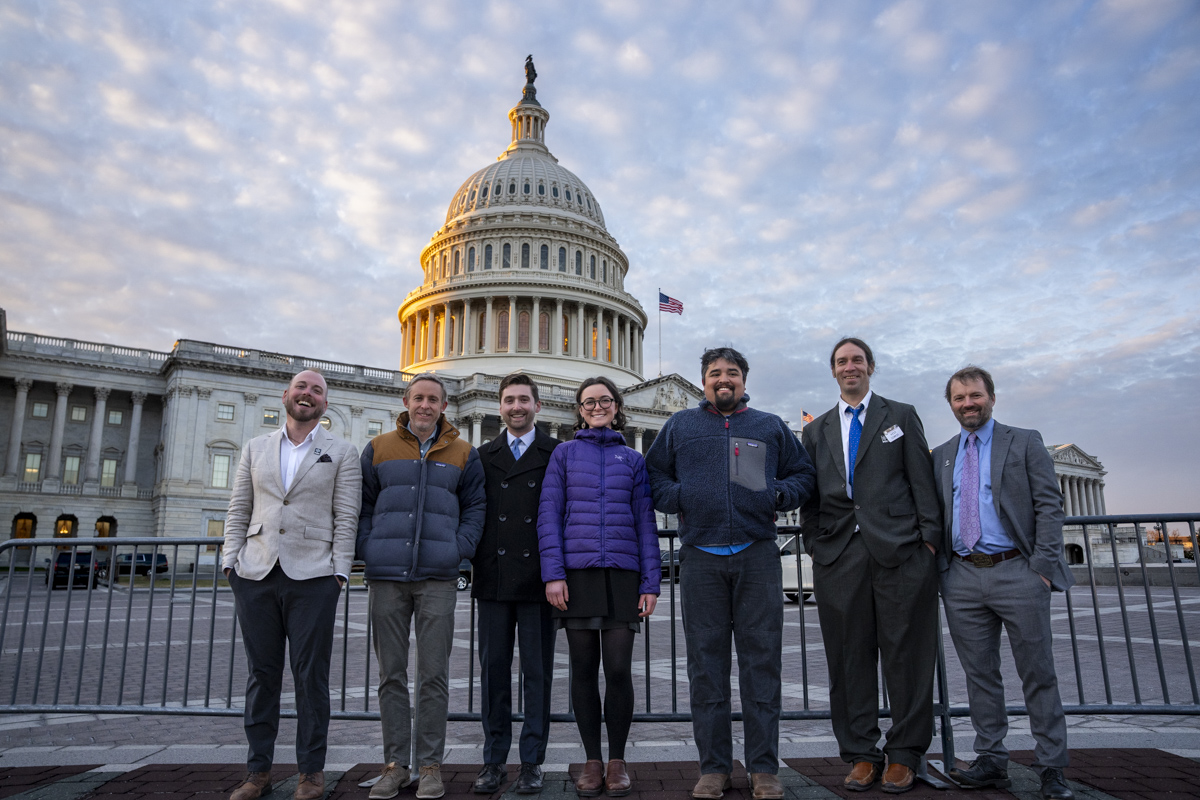
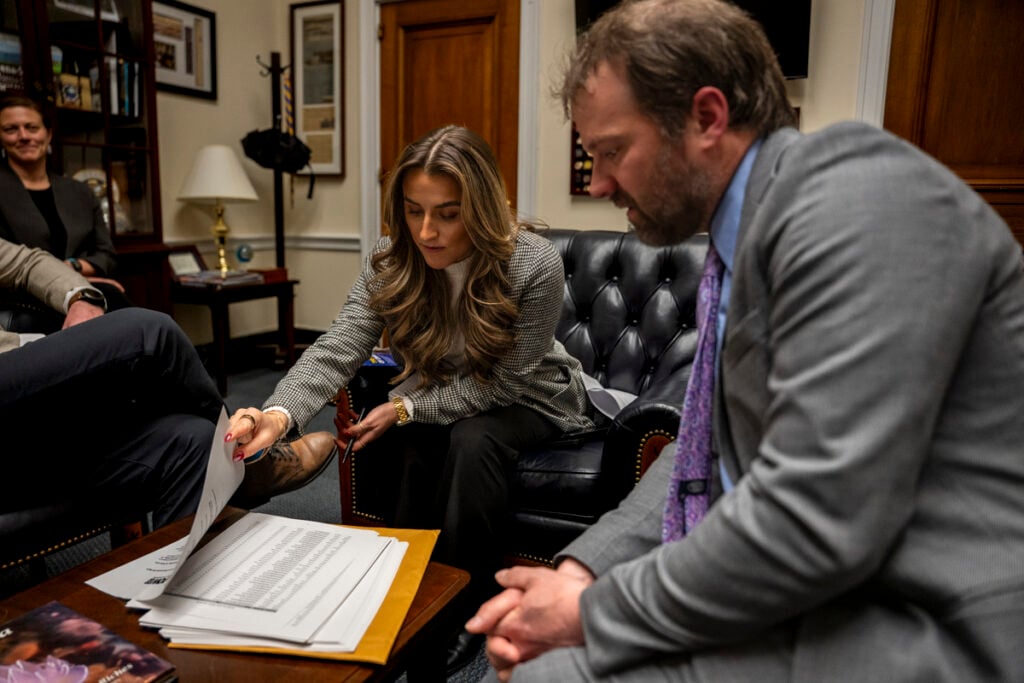
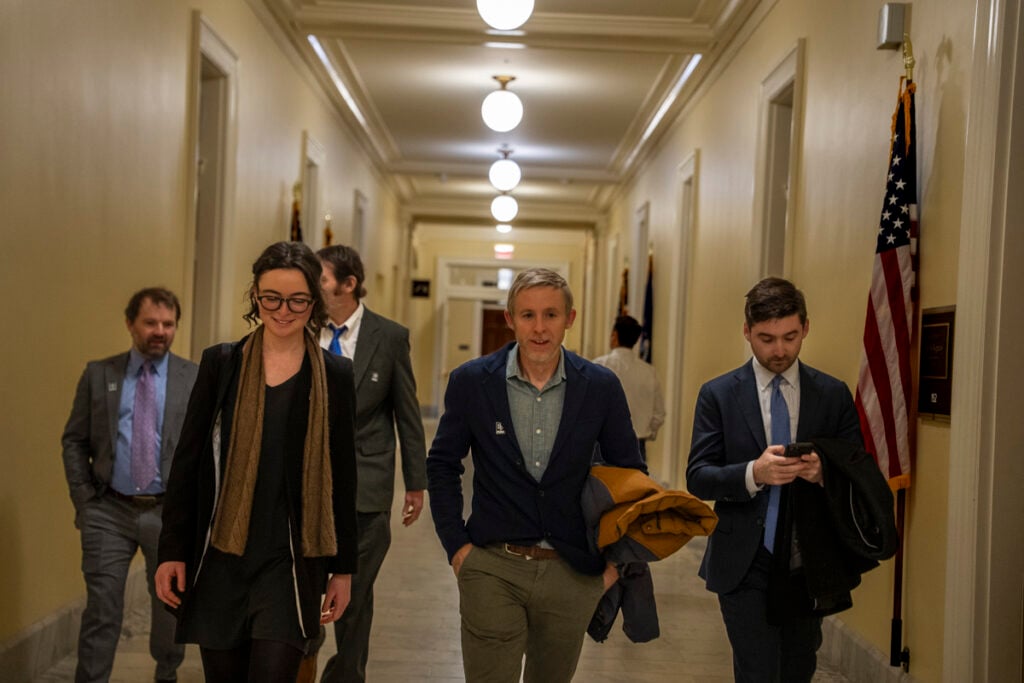
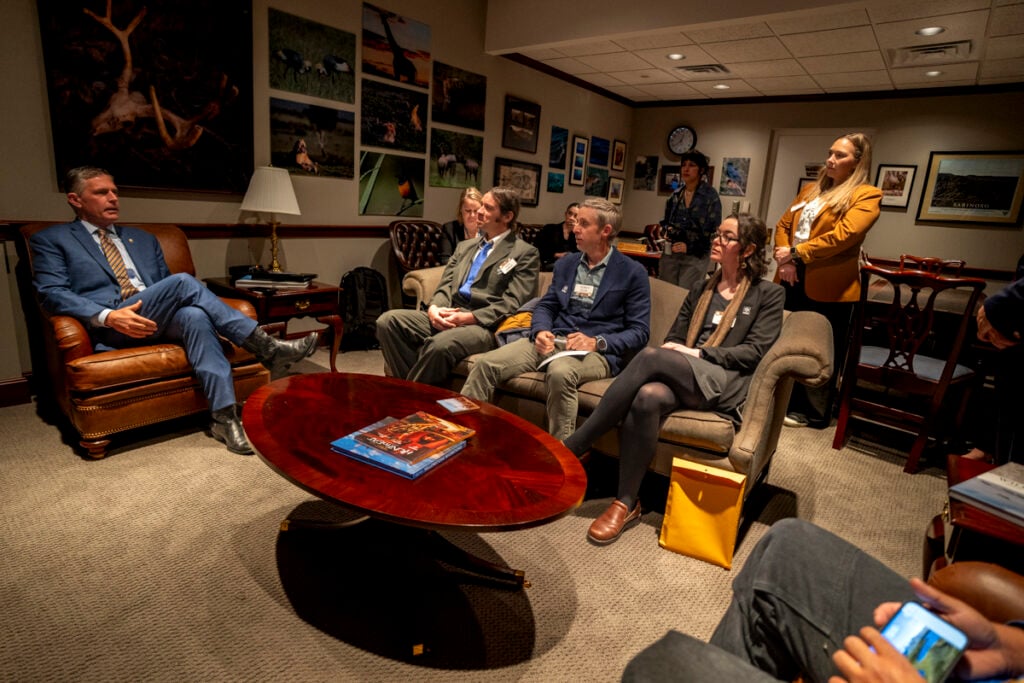
During the mission, the coalition engaged in dozens of meetings with key offices in both the House of Representatives and the Senate. Notable sessions included discussions with the staff of Representative Jared Huffman (D-CA), a long-time advocate for Arctic protections, and Senator Martin Heinrich (D-NM), known for his focus on public lands and energy transition. The meetings were designed to cut through the partisan rhetoric often associated with climate policy by grounding the conversation in the "fiscally risky" nature of Arctic drilling. Advocates argued that the high cost of extraction in remote, extreme environments, combined with shifting global energy markets, makes Arctic oil a poor long-term investment for the American taxpayer.
The Legislative Landscape: Arctic Drilling and the 2025 Policy Shift
The timing of the fly-in was dictated by a rapid series of legislative developments. For decades, the Arctic National Wildlife Refuge has been a flashpoint in American politics. While the 1.5-million-acre Coastal Plain (known as the 1002 Area) was historically protected, the 2017 Tax Cuts and Jobs Act included a provision mandating two lease sales in the region. Although the subsequent administration paused these leases citing legal and environmental concerns, the return of the Trump administration in 2025 signaled a renewed push for "energy dominance."
On the Friday following the coalition’s visit, President Trump signed legislation specifically intended to ease the regulatory path for drilling and mining in Arctic Alaska. This legislation seeks to reverse recent protections and expedite the permitting process, arguing that increased domestic production is essential for national security and lower energy costs. The coalition, however, presented a counter-narrative, citing data that suggests the U.S. is already a leading global producer of oil and that further encroaching on carbon-rich Arctic landscapes would yield diminishing returns while causing irreparable ecological damage.
Economic and Environmental Data: The Case Against Extraction
The coalition’s arguments were bolstered by contemporary economic and environmental data. According to the Bureau of Economic Analysis, the outdoor recreation economy accounted for $1.1 trillion in economic output in 2022, supporting nearly 5 million jobs. Members of the "Outdoor State" argue that industrializing the Arctic threatens the brand value of American public lands, which are a primary driver of this sector.
From an environmental standpoint, the Arctic is warming at nearly four times the global average rate. The NPRA and ANWR contain vast tracts of permafrost which, if disturbed by industrial infrastructure, could release significant amounts of methane and carbon dioxide, further accelerating global warming. Furthermore, the 1002 Area of the Arctic Refuge serves as the critical calving ground for the Porcupine Caribou Herd, which is central to the food security and cultural identity of the Gwich’in people.
The coalition highlighted that major financial institutions have increasingly distanced themselves from Arctic projects. Over two dozen major banks worldwide have instituted policies that prohibit or strictly limit the financing of oil and gas exploration in the Arctic, citing both the reputational risk and the long-term financial instability of such investments.
Perspectives from the Frontlines: Athletes and Indigenous Voices
A defining characteristic of the POW and AWL fly-in was the diversity of its participants. Professional climber and POW Climb Alliance member Tommy Caldwell was among those who walked the halls of Congress. Caldwell emphasized that policy is the ultimate lever for protecting public lands, stating that the trip provided a pathway for the outdoor community to "show up big time" in the legislative process.
Brennan Lagasse, a member of the POW Creative Alliance, noted that this was his third trip to the capital for this cause. He observed that despite the current political climate, the act of hand-delivering petitions remains a vital component of democratic engagement. Lagasse described the coalition as a "vibrant counter-balance" to the momentum of extractive industries, suggesting that the presence of constituents in D.C. forces lawmakers to acknowledge the human element behind the policy papers.
Indigenous voices were equally critical to the mission. The delegation included representatives who spoke to the concept of Indigenous sovereignty and the direct impact of industrial development on traditional ways of life. By framing the Arctic not as a "frontier" for resources but as a "homeland" for thousands of people, the coalition challenged the fundamental assumptions of the proposed drilling legislation.
The Energizing Our Communities Act (EOCA) as a Path Forward
While much of the mission was defensive—aiming to block new drilling—the coalition also played offense by promoting the Energizing Our Communities Act. This legislative proposal seeks to address the "not in my backyard" (NIMBY) opposition often associated with clean energy infrastructure. The EOCA proposes a framework where communities that host major renewable energy or transmission projects receive direct economic benefits and increased investment in local resilience.
By advocating for the EOCA, the coalition sought to provide a "yes" to complement their "no" on Arctic drilling. This bipartisan approach aims to bridge the gap between rural economic development and national climate goals. The advocates argued that building a modern, clean energy grid is a more sustainable way to ensure long-term energy security than drilling in the remote Arctic, which requires massive, expensive infrastructure that may become "stranded assets" as the world transitions away from fossil fuels.
Analysis of Implications and the 2026 Outlook
The signing of the pro-drilling legislation by the Trump administration marks the beginning of what POW describes as "Phase Two" of their Arctic campaign. While the executive branch has signaled its intent to move forward, the coalition’s activities on Capitol Hill have established a foundation for legal and legislative challenges. The delivery of the 6,000-signature petition serves as a "receipt" of public opposition that can be utilized in future litigation and public awareness campaigns.
Industry analysts suggest that despite the ease of regulations, the actual commencement of drilling in the Arctic Refuge remains years away. Legal challenges from environmental groups and Indigenous tribes are expected to be immediate. Furthermore, the lack of interest from major oil companies in previous lease sales suggests that the economic appetite for the Arctic may not match the political rhetoric.
As the coalition returns from Washington, the focus shifts to 2026 and the upcoming mid-term elections. The "Outdoor State" intends to leverage its influence to make public land protection a central issue for voters. The strategic fly-in demonstrated that while the legislative environment in D.C. may be hostile to traditional conservation efforts, the alliance between athletes, scientists, and local communities is more organized and data-driven than ever before.
The fight over the Arctic is increasingly viewed as a proxy for the broader American debate over the future of energy. As the administration pushes for a return to fossil fuel expansion, groups like Protect Our Winters and the Alaska Wilderness League are signaling that they will remain vigilant. The Arctic National Wildlife Refuge, once a distant wilderness, has become a central theater in the struggle to define the United States’ role in a changing global climate. For the 6,000 signatories of the Arctic petition, the message delivered to Capitol Hill was clear: the Arctic is not a bargaining chip, and the protection of its ecological and cultural integrity is non-negotiable.
